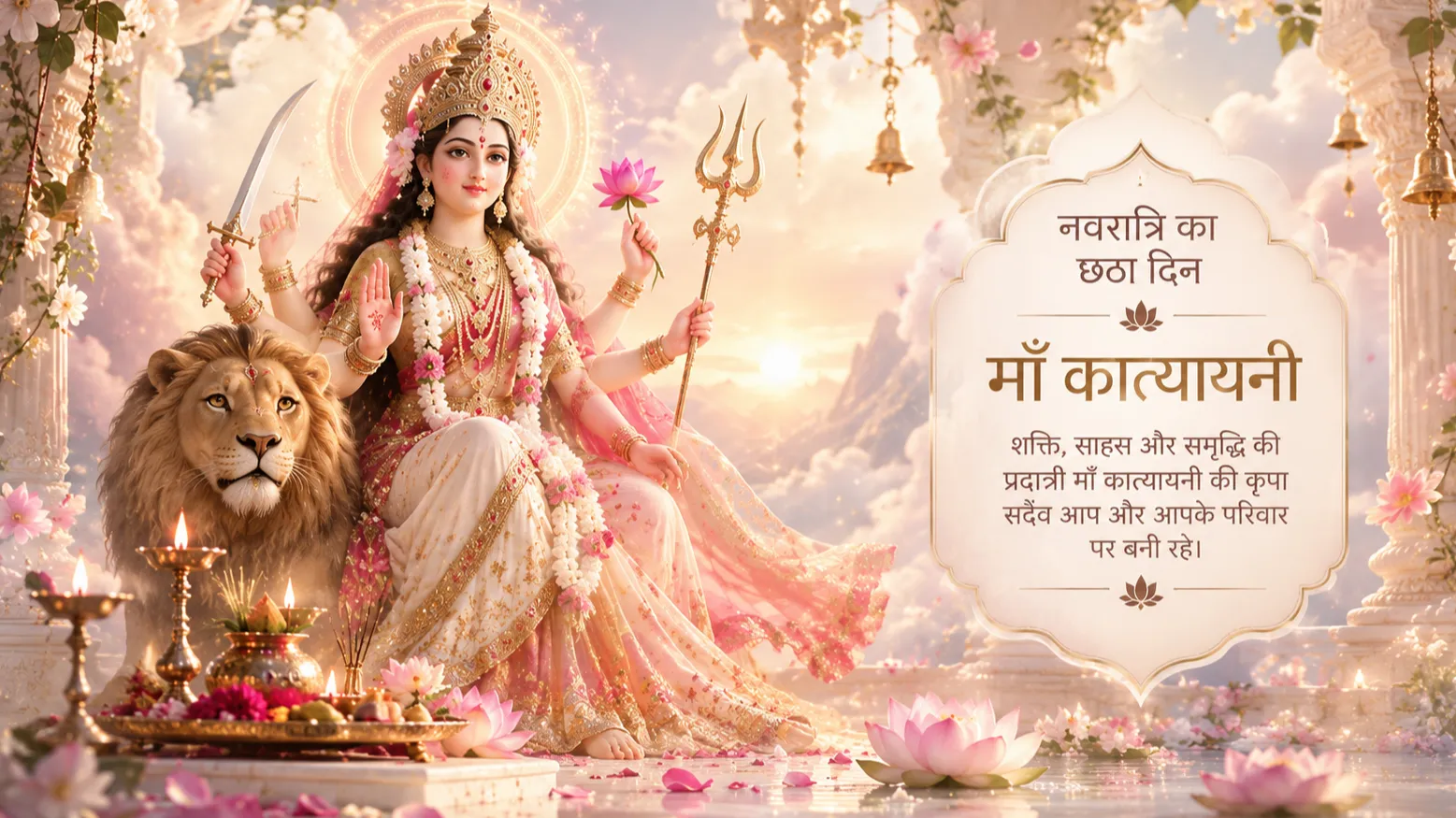
The vibrant and spiritually charged festival of Sharad Navratri brings divine grace into our homes as we progress through the nine nights of worship. On the Navratri Day 6, devotees turn their hearts and minds toward the fierce yet infinitely compassionate sixth form of Goddess Durga—Maa Katyayani. Revered as the warrior goddess and the slayer of demons, she embodies supreme courage, grace, and divine love. Performing the correct Maa Katyayani Puja Vidhi on this auspicious day helps devotees conquer their inner fears, overcome obstacles, and attract marital bliss and harmony into their lives.
In this comprehensive guide, we will explore the profound significance of the sixth day of Navratri, the divine color associated with it, the step-by-step rituals, powerful mantras, and the sacred offerings required to please the goddess.
Navratri Day 6 Significance: The Legend of Maa Katyayani
To truly understand the essence of Navratri day 6 significance in 2026, we must look into her divine origin. According to Hindu mythology, there was a great sage named Katya who performed severe austerities to please the Divine Mother, wishing for her to be born as his daughter. Pleased with his devotion, Adi Parashakti blessed him and was born as his daughter, hence receiving the name 'Katyayani'.
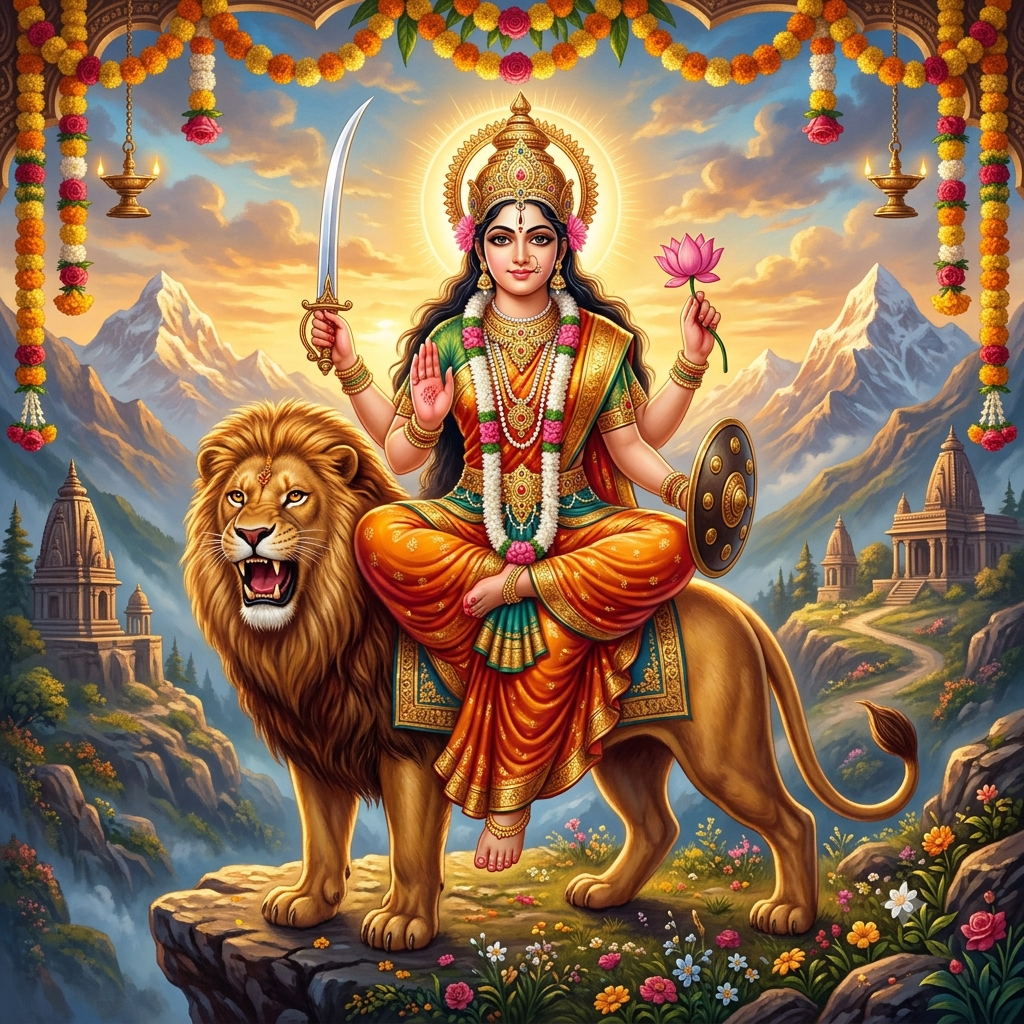
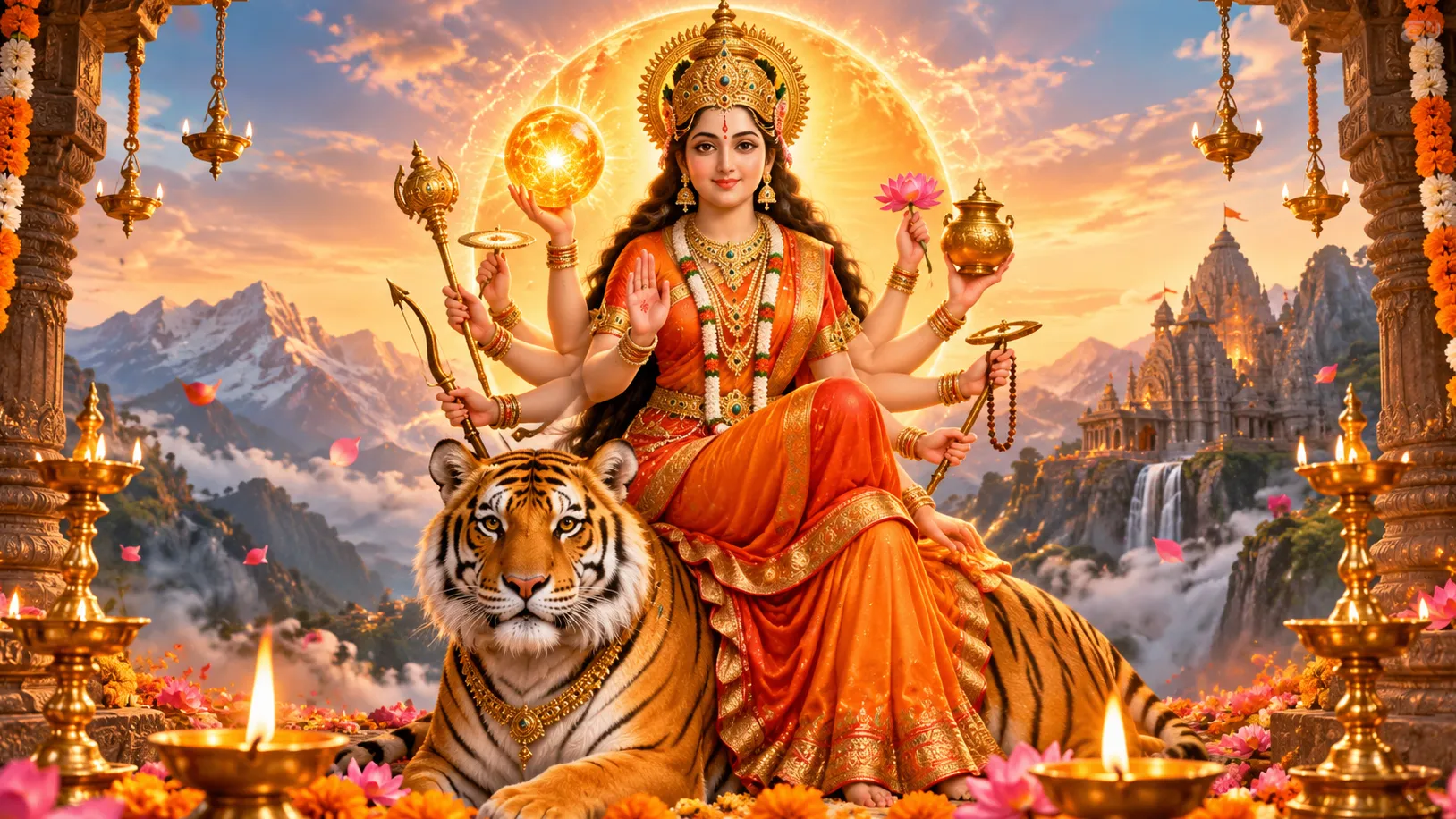
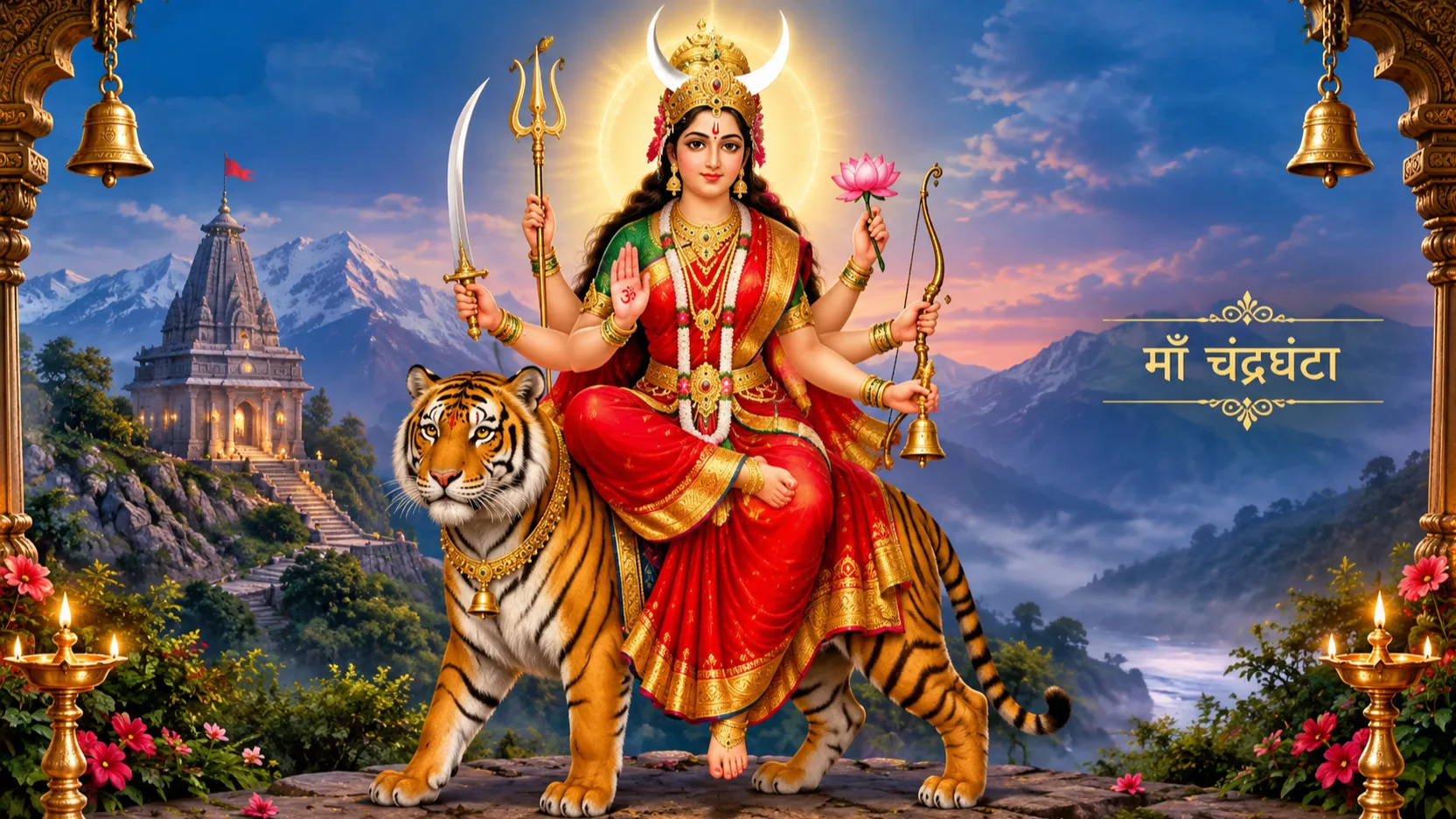
Later, when the tyranny of the demon Mahishasura became unbearable for the devas and the universe, sages and deities approached the trinity of Brahma, Vishnu, and Shiva. Out of their combined divine wrath and energy, a supreme light emanated, which took the majestic form of Maa Katyayani. She is depicted as a four-armed goddess riding a magnificent lion. In her hands, she holds a gleaming sword and a lotus flower, while her other two hands are held in the posture of granting boons (Varada Mudra) and bestowing fearlessness (Abhaya Mudra).
Worshipping Maa Katyayani holds immense astrological and spiritual importance. Unmarried girls often observe fasts and perform dedicated rituals on this day to remove delays in marriage and to pray for a compatible, loving life partner. Furthermore, she is the ruling deity of the planet Brihaspati (Jupiter), making her worship a powerful remedy to strengthen wisdom, spiritual growth, and prosperity.
The Sixth Day of Navratri Color: Embracing Divine Energy
Every single day of Navratri is associated with a specific color that symbolizes a unique aspect of the Divine Mother's energy. The sixth day of Navratri color is Red.
Red is a vibrant, dynamic, and powerful hue that signifies passion, action, fearlessness, and divine love. It represents the fierce and protective nature of Maa Katyayani. Wearing red clothes during the puja not only aligns your physical energy with the frequency of the goddess but also invokes vitality, enthusiasm, and courage within your spirit. Decorating the puja altar with red flowers, particularly red roses or hibiscus, further enhances the sacred atmosphere of the ritual.
Detailed Maa Katyayani Puja Vidhi
Performing the Maa Katyayani Puja Vidhi with a pure heart and meticulous attention to detail ensures that your prayers reach the divine feet of the mother. Follow this step-by-step guide to perform the puja at home:
- Early Morning Bath and Purification: Wake up during the Brahma Muhurta, take a purifying bath, and wear fresh red or clean traditional clothes. Cleanse your puja space by sprinkling Gangajal (holy water).
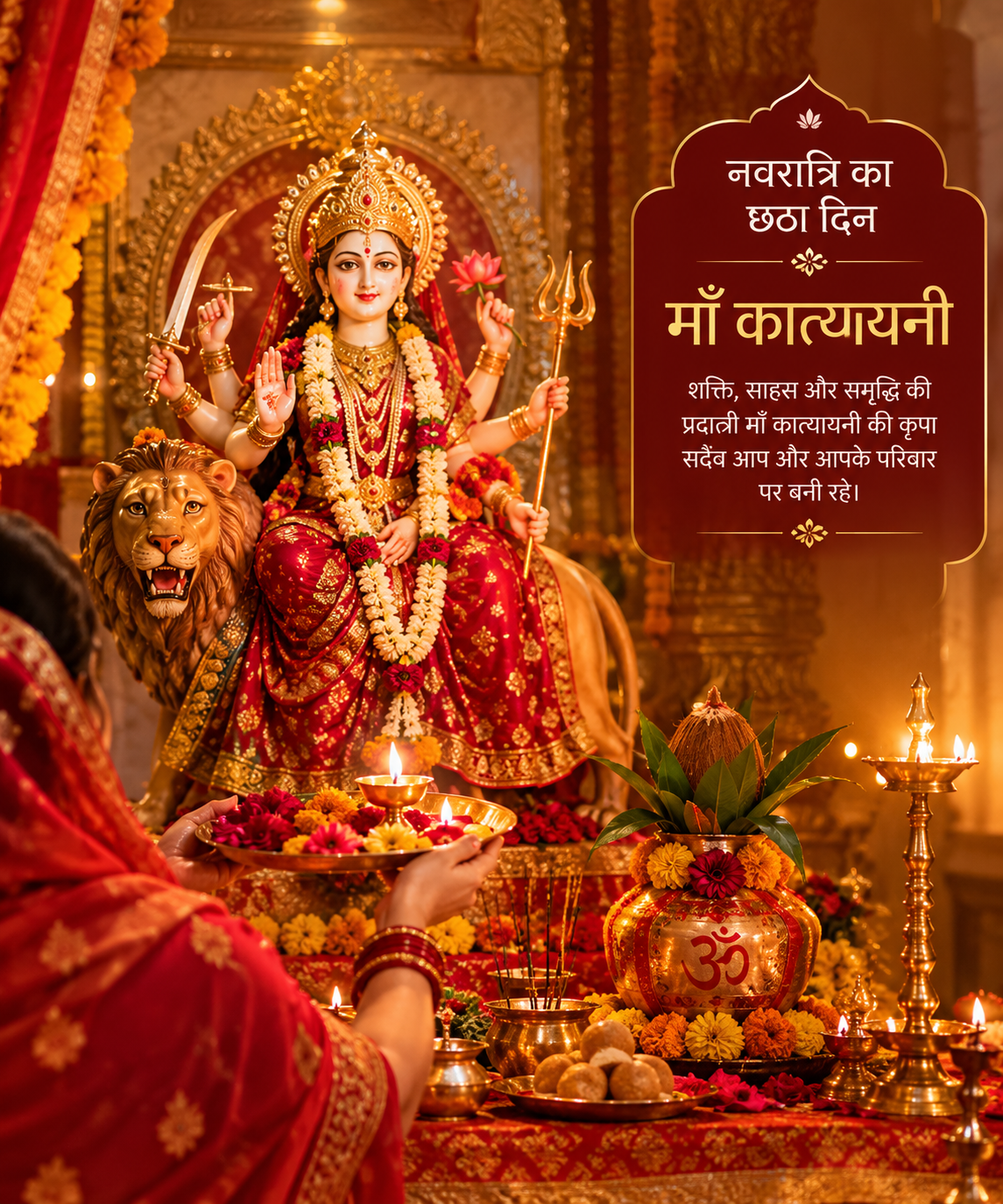
- Setup the Altar: Place a clean red cloth on a wooden chowki (platform). Install the idol or picture of Maa Katyayani on it. If you have been maintaining a Akhand Jyoti since the first day, ensure it remains lit.
- Kalash Sthapana and Invocation: Offer fresh water, flowers, and unbroken rice grains (akshat) to invoke the goddess. Light a ghee lamp and incense sticks (agarbatti) in front of her.
- Shodashopachara Puja (16-step worship): Offer sandalwood paste (chandan), kumkum, red vermilion (sindoor), haldi, and kajal to the goddess.
- Garland Offering: Offer a fresh garland of red flowers, preferably red hibiscus or roses, along with bilva leaves if available, as they are dear to the goddess.
- Bhog Offering: Present the special naivedhya or bhog prepared for the day.
- দ্বিতীয় Mantra Chanting and Aarti: Chant the dedicated Maa Katyayani mantras with focus and devotion, followed by the soulful singing of her aarti while ringing a bell or blowing a conch shell.
Powerful Maa Katyayani Mantras
Chanting sacred mantras during the Katyayani puja rituals acts as a direct bridge of communication between your soul and the divine energy of the goddess. Recite the following mantras using a Rudraksha or sandalwood mala for best results:
1. Dhyana Mantra (Meditation Mantra)
"Chandrahasojvalakara shardulavaravahana |
Katyayani Shubham dhyadyat devi danavaghatini ||"
Meaning: O Goddess Katyayani, who holds a shining sword in your hand, rides a fierce tiger, and destroys demons, bestow your auspicious grace upon us.
2. The Primary Beej Mantra
"Om Hrim Shrim Katyayanyai Namah"
Meaning: Salutations to the divine Mother Katyayani, who is the embodiment of supreme wealth, power, and auspiciousness.
3. Mantra for Marriage and Relationships
"Katyayani Mahamahay Mahayoginadhishvarih |
Nandagopasutam dev patim me kurute namah ||"
Meaning: O Mahamaya, great yogini, and sovereign of all yogis, just as you desired Lord Krishna as your husband, please bless me with a suitable life partner.
Ideal Offerings (Bhog) to Please Maa Katyayani
Food offerings are a traditional expression of love, hospitality, and gratitude toward the Divine Mother. On the sixth day of Navratri, Maa Katyayani is particularly fond of sweet offerings.
- Honey (Madhu): Honey is considered one of the best bhogs to offer Maa Katyayani. Offering honey signifies sweetness in speech, purity of mind, and the removal of bitterness from life.
- Meethe Paan (Betel Leaf): Offering a sweetened betel leaf prepared with rose petals, fennel seeds, and coconut powder is considered highly auspicious.
- Kheer or Halwa: Traditional milk-based sweets like rice kheer or semolina (suji) halwa flavored with cardamom and saffron can be offered as prasad.
After the completion of the aarti, distribute the blessed prasad among family members, neighbors, and fellow devotees.
Conclusion
Navratri Day 6 is a transformative spiritual milestone in the nine-day journey of worship. By adhering to the sacred Maa Katyayani Puja Vidhi, wearing the auspicious red sixth day of Navratri color, chanting her potent mantras with faith, and offering sincere prayers, devotees can unlock immense spiritual strength and inner peace. Embrace the fierce grace of Maa Katyayani this Navratri, and let her divine light guide you past all obstacles toward a life of harmony, courage, and fulfillment.
संबंधित तस्वीरें
अक्सर पूछे जाने वाले प्रश्न
Q: Which form of Goddess Durga is worshipped on the sixth day of Navratri?
On the sixth day of Navratri, devotees worship Maa Katyayani, the fierce yet compassionate warrior goddess.
Q: What is the origin of the name Katyayani?
The goddess received the name Katyayani because she was born as the daughter of the great sage Katya, who performed severe austerities to please the Divine Mother.
Q: What are the physical depictions of Maa Katyayani?
Maa Katyayani is depicted as a four-armed goddess riding a magnificent lion. She holds a sword and a lotus flower in two hands, while her other two hands are in Varada Mudra (granting boons) and Abhaya Mudra (bestowing fearlessness).
Q: Why do unmarried girls worship Maa Katyayani?
Unmarried girls observe fasts and perform rituals on this day to remove delays in marriage and to pray for a compatible and loving life partner.
Q: Which planet is ruled by Maa Katyayani?
Maa Katyayani is the ruling deity of the planet Brihaspati (Jupiter), and her worship helps strengthen wisdom, spiritual growth, and prosperity.
Q: What is the divine color associated with the sixth day of Navratri?
The divine color for the sixth day of Navratri is Red.
Q: What does the color red symbolize in the context of Maa Katyayani?
Red is a vibrant and powerful hue that signifies passion, action, fearlessness, divine love, and the fierce, protective nature of the goddess.
Q: How can devotees incorporate the color red into their puja?
Devotees can wear red clothes during the puja and decorate the puja altar with red flowers, particularly red roses or hibiscus.
Q: How does wearing red clothes during the puja help devotees?
Wearing red clothes aligns your physical energy with the frequency of the goddess and invokes vitality, enthusiasm, and courage within your spirit.

लेखक
प्रार्थना संपादकीय टीम
प्रार्थना संपादकीय टीम आपकी आध्यात्मिक यात्रा का समर्थन करने के लिए दैनिक आध्यात्मिक मार्गदर्शन, प्रामाणिक अनुष्ठान और प्राचीन सनातन शास्त्रों से गहरे अंतर्दृष्टि साझा करती है।
ऐप डाउनलोड करें
पंचांग तिथि, त्यौहार, व्रत, उत्सव, एकादशी, आरती संग्रह, मंत्र, व्रत कथा



एक टिप्पणी छोड़ें