India, a land steeped in ancient wisdom and vibrant diversity, celebrates new beginnings with a fervor that transcends geographical boundaries and linguistic differences. Among its myriad festivals, Gudi Padwa stands as a luminous beacon, heralding the advent of a new year, particularly for the people of Maharashtra, Goa, and parts of Karnataka and Andhra Pradesh (where it is known as Ugadi). More than just a date on the calendar, Gudi Padwa is a profound cultural statement, a day brimming with historical narratives, mythological tales, and time-honored traditions that signify prosperity, good health, and the triumph of good over evil. It is a day when homes are adorned, spirits are uplifted, and communities unite to embrace the fresh promise of the year ahead.
This comprehensive exploration delves into the heart of Gudi Padwa, unraveling its layers of significance, detailing its cherished rituals, and illuminating the regional variations that make this Indian New Year celebration a truly unique and enriching experience. Join us as we journey through the essence of this auspicious festival, understanding its roots and the joyous expressions it inspires.
The Roots of Celebration: Historical and Mythological Significance
The observance of Gudi Padwa is deeply embedded in the annals of Hindu history and mythology, with several significant events attributed to this auspicious day, which falls on Chaitra Shukla Pratipada (the first day of the bright half of the Hindu lunisolar month of Chaitra).
Lord Brahma and the Creation of the Universe
According to the Brahma Purana, it is believed that on this very day, Lord Brahma, the creator deity, commenced the creation of the universe. He brought forth time, days, weeks, months, and years, establishing the cosmic order. Therefore, Gudi Padwa is not merely a new year but a celebration of creation itself, marking the genesis of the cosmos as per Hindu cosmology. Many Hindu calendars begin from this day, symbolizing a fresh start in the grand cycle of existence.
Lord Rama's Triumphant Return and Coronation
Another profound mythological connection links Gudi Padwa to the epic Ramayana. It is said that this day marks the coronation of Lord Rama in Ayodhya after his triumphant return from fourteen years of exile and his victory over the demon king Ravana. The hoisting of the Gudi is, for many, a symbolic representation of this victory and the joyous reception of Lord Rama, a beacon of righteousness and divine rule.
The Victory of King Shalivahana
Historically, Gudi Padwa is also associated with the legendary King Shalivahana. According to folklore, on this day, King Shalivahana, a righteous ruler, defeated the Sakas (Scythians) and established his empire. To commemorate this victory, he founded the Shalivahana Saka calendar, which commences on Gudi Padwa. This narrative emphasizes the theme of triumph over adversity and the establishment of a new, prosperous era.
An Agrarian and Seasonal Milestone
Beyond its mythological and historical narratives, Gudi Padwa holds significant importance as an agricultural festival. It coincides with the end of the Rabi crop harvest, making it a time for farmers to celebrate the bounty of the earth. The festival also marks the advent of spring, or Vasant Ritu, a season of renewal, blossoming flowers, and fresh produce. The burgeoning nature around signifies new life, fertility, and a promising harvest season ahead.
The Auspicious Timing: Chaitra Shukla Pratipada
The exact date of Gudi Padwa is determined by the Hindu lunisolar calendar. It falls on the first day of the Chaitra month, specifically during the bright fortnight (Shukla Paksha), which is the period of the waxing moon. This precise timing, known as Chaitra Shukla Pratipada, is considered immensely auspicious for starting new ventures, performing religious ceremonies, and offering prayers for a prosperous year. Significantly, this day also marks the beginning of Vasant Navratri, a nine-day festival dedicated to the worship of Goddess Durga, further amplifying its spiritual importance across various parts of India.
Core Traditions and Rituals: A Symphony of Celebration
The celebration of Gudi Padwa is a vibrant tapestry woven with intricate rituals, symbolic decorations, and heartfelt customs, each bearing profound meaning.
The Iconic Gudi Hoisting Ceremony
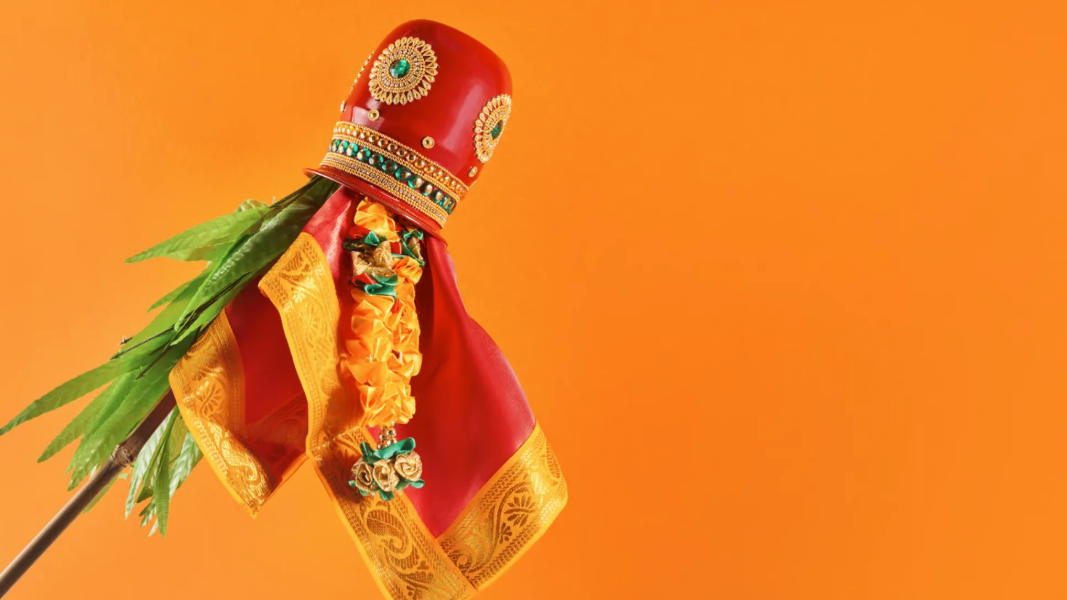
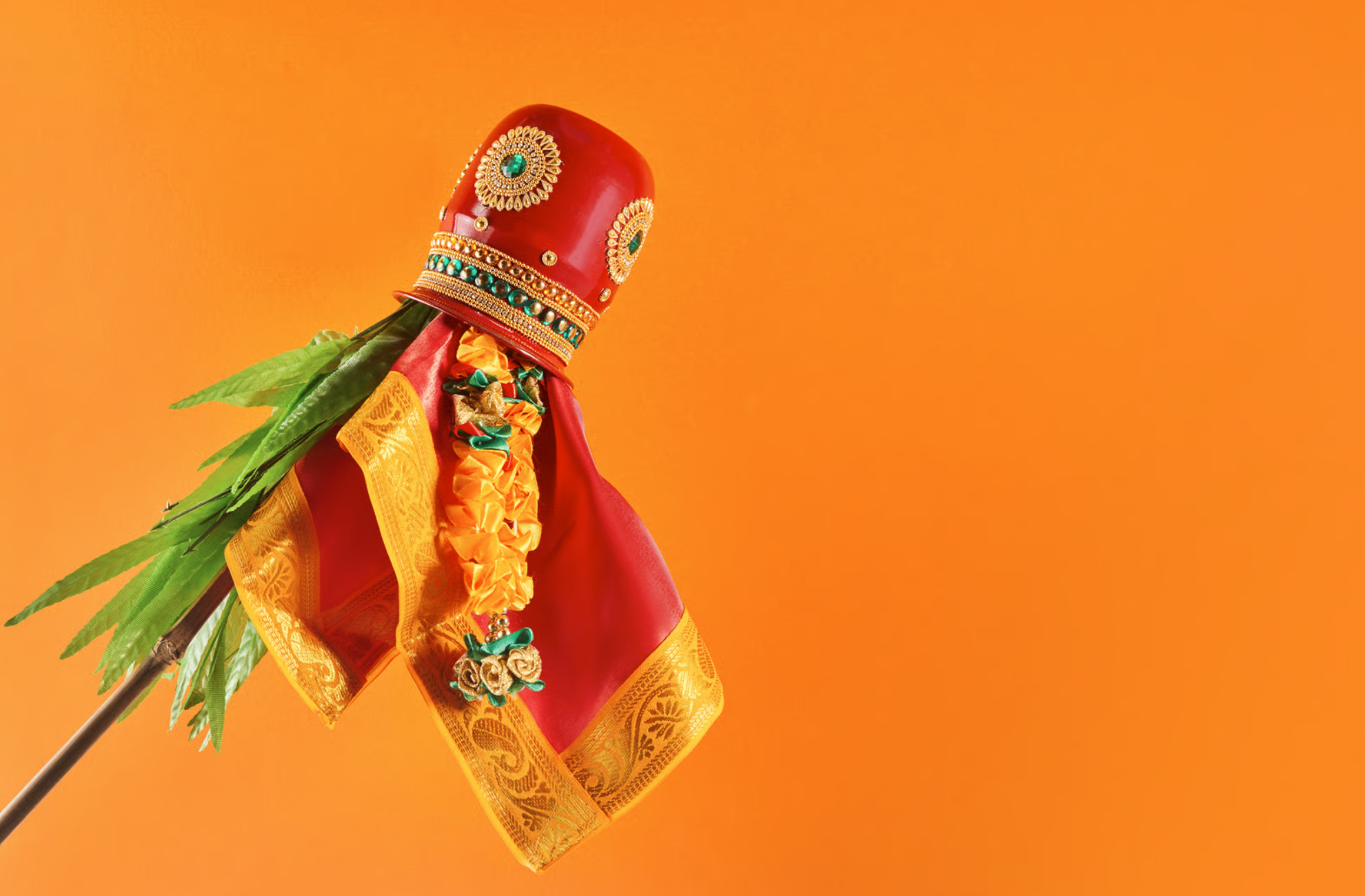
The most distinctive and central ritual of Gudi Padwa is the hoisting of the 'Gudi' itself. The Gudi is a bamboo stick adorned with several symbolic elements, representing victory, prosperity, and a fresh start. Its preparation and display are a meticulous process:
- The Bamboo Stick: A long bamboo pole is chosen, symbolizing strength and growth.
- The Bright Silk Cloth: A piece of new, vibrant silk cloth, usually yellow or green, is tied to the top of the stick. This represents auspiciousness and good fortune.
- Neem and Mango Leaves: Fresh neem leaves and mango leaves are strung together and tied to the Gudi. Neem is known for its medicinal properties and purificatory qualities, warding off evil and illness, while mango leaves symbolize prosperity and ward off negative energy.
- Garland of Sugar Candies (Gaathi): A garland made of sugar candies, often molded into decorative shapes, is hung on the Gudi. These sweet treats represent the sweet and joyful aspects of the new year.
- An Inverted Silver or Copper Kalash (Pot): An inverted silver or copper pot (kalash) is placed atop the Gudi. This kalash symbolizes victory, abundance, and the overflowing blessings of the new year.
Once assembled, the Gudi is ceremoniously hoisted outside the home, usually on the right side of the main entrance, facing east. Families offer prayers, light incense, and perform a small puja (worship) to the Gudi, seeking blessings for health, wealth, and happiness in the coming year. The Gudi remains hoisted until sunset, after which it is carefully taken down and the components are respectfully immersed or stored.
Traditional Decorations: Rangoli and Torans
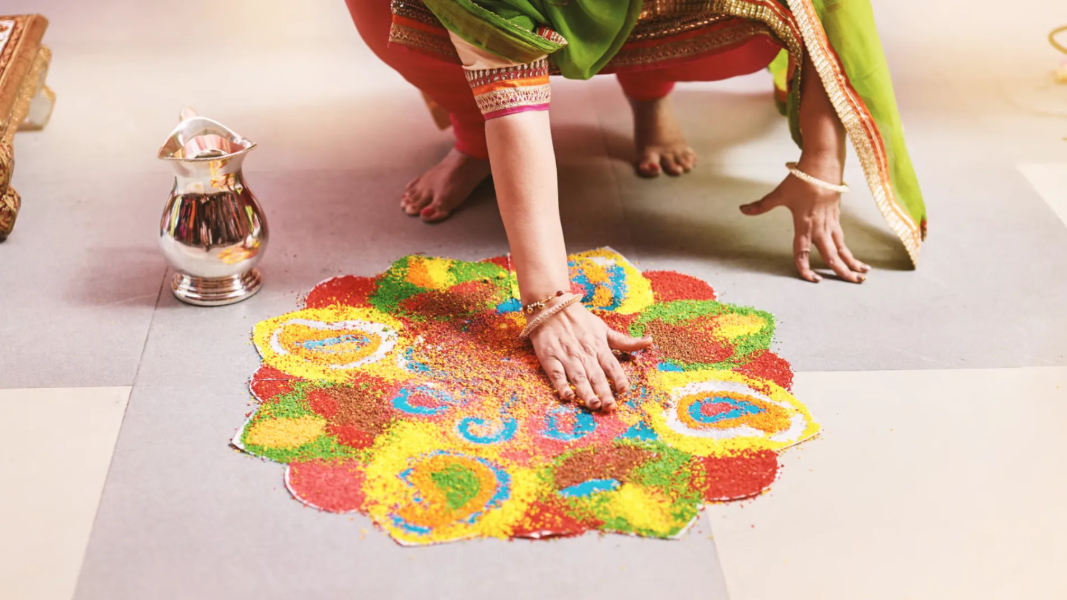
Homes are meticulously cleaned and purified days before Gudi Padwa. On the morning of the festival, the entrance of every home is adorned with beautiful rangoli designs. These intricate patterns, made with colored powders, flowers, or rice paste, are not merely decorative but are believed to invite auspiciousness and positive energy into the dwelling. Additionally, 'torans' (door hangings) made of fresh mango and neem leaves are strung across doorways, symbolizing good luck and warding off evil.
The Sacred Neem Concoction
A unique and highly symbolic ritual involves the consumption of a paste made from neem leaves, jaggery, tamarind, and sometimes raw mango. This mixture is consumed on an empty stomach. The bitterness of the neem represents the challenges and difficulties one might face in life, while the sweetness of jaggery signifies the joys and successes. Tamarind adds tanginess (sourness), and mango adds zest, embodying the complete spectrum of human emotions and experiences. This ritual serves as a reminder to accept life's varied flavors with equanimity and resilience, preparing one for the year's trials and triumphs.
Abhyanga Snana: The Ritualistic Oil Bath
On the morning of Gudi Padwa, many families observe 'Abhyanga Snana,' a ritualistic oil bath. The body is massaged with fragrant oils, followed by a warm bath. This act is not merely for physical cleanliness but is believed to cleanse the body and soul, purifying one from past impurities and preparing for the spiritual sanctity of the new year. Wearing new clothes after the bath is also a common practice, symbolizing new beginnings.
Culinary Delights of Gudi Padwa: A Feast for the Senses
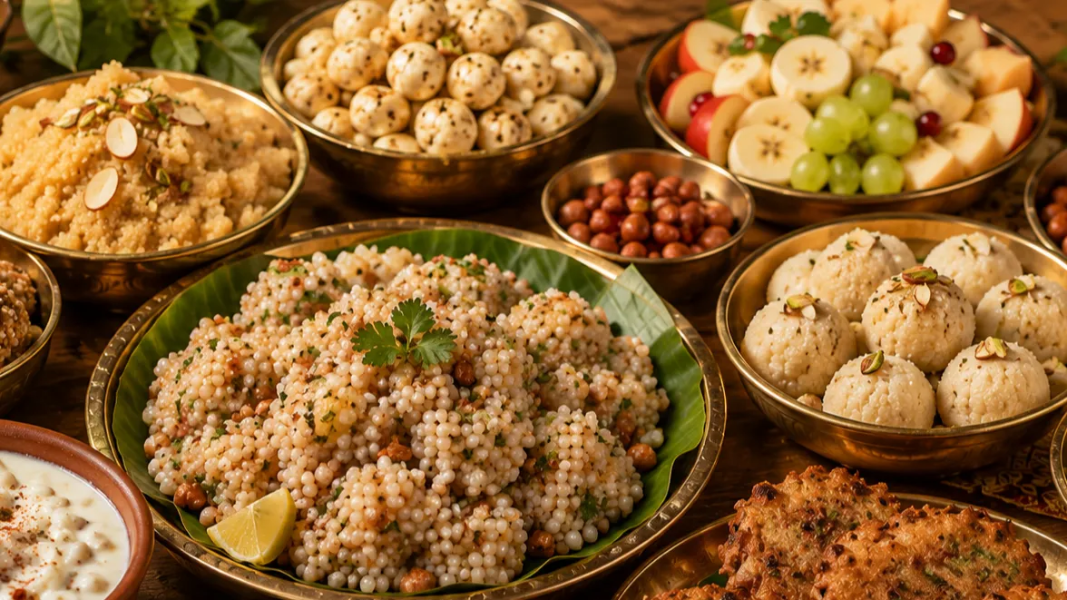
No Indian New Year celebration is complete without an array of delectable traditional foods, and Gudi Padwa is no exception. The culinary spread is rich, diverse, and deeply symbolic.
- Puran Poli: This is arguably the most iconic dish of Maharashtrian New Year. Puran Poli is a sweet flatbread stuffed with a sweet lentil filling made from chana dal (split chickpeas) and jaggery, flavored with cardamom and nutmeg. It is typically served with a generous dollop of ghee (clarified butter) or a thin coconut milk-based curry called 'Katachi Amti.'
- Shrikhand: A rich and creamy dessert made from strained yogurt, flavored with saffron, cardamom, and sometimes nuts like pistachios or almonds. It is a refreshing and indulgent treat, often enjoyed with puris (fried Indian bread).
- Aam Panha: Given the advent of spring and the mango season, Aam Panha, a refreshing drink made from raw mangoes, jaggery, and spices, is a popular beverage. It's believed to have cooling properties and helps protect against heatstroke.
- Kadakani: Crispy, deep-fried sweet bread or fritters, often enjoyed as a snack or dessert.
- Pachadi (Ugadi Special): In regions celebrating Ugadi, a special dish called Ugadi Pachadi is prepared. This unique concoction combines six flavors – sweet (jaggery), sour (tamarind), salty (salt), bitter (neem flowers), pungent (green chili), and astringent (raw mango). Each flavor represents different emotions and experiences that one might encounter in the new year, symbolizing life's complete cycle.
Regional Variations: Unity in Diversity
While the essence of new beginnings and prosperity remains consistent, Gudi Padwa is celebrated with distinct regional flavors across India, often under different names.
- Maharashtra and Goa: Here, it is predominantly known as Gudi Padwa, with the Gudi hoisting, Puran Poli, and Shrikhand being central to the festivities.
- Karnataka, Andhra Pradesh, and Telangana: Celebrated as Ugadi, the traditions largely mirror Gudi Padwa, with the unique addition of Ugadi Pachadi. The symbolic consumption of neem and jaggery (often called 'Bevu-Bella') is a prominent ritual.
- Kashmir: The Kashmiri Pandits celebrate their New Year as 'Navreh' on the same day, marking the start of the Saptarshi calendar.
- Manipur: In Manipur, the New Year is known as 'Sajibu Cheiraoba,' celebrated with traditional rituals, family feasts, and offerings to deities.
- Sindh: The Sindhi community celebrates 'Cheti Chand' as their New Year, commemorating the birth of their patron saint, Uderolal (Jhulelal).
Despite the different names and subtle variations in rituals, the underlying spirit of all these festivals is identical: a celebration of renewal, hope, and the harmonious cycle of nature and time. They all fall on Chaitra Shukla Pratipada, linking them through a shared astrological and cultural significance.
The Spirit of New Beginnings and Prosperity
Beyond the rituals and feasts, Gudi Padwa embodies a powerful spirit of renewal and optimism. It is considered an exceedingly auspicious day to embark on new ventures, make significant purchases, or initiate important life events. Many choose this day to buy new homes, start businesses, or perform housewarming ceremonies, believing that the new year will bless their efforts with success.
The festival is a beautiful reaffirmation of familial bonds and community spirit. Families gather, exchange greetings, and share traditional meals. It is a time for introspection, shedding old habits, and embracing virtues that lead to personal and collective growth. The vibrant colors, melodious devotional songs, and the aroma of traditional sweets permeate the air, creating an atmosphere of profound joy and togetherness.
The symbolic significance of spring, with its imagery of new leaves, blossoming flowers, and fresh crops, perfectly encapsulates the essence of Gudi Padwa. It is a reminder that just as nature renews itself, so too can individuals and communities shed the old and embrace the new with enthusiasm and hope.
Conclusion
Gudi Padwa is far more than just a calendar event; it is a vibrant expression of India's rich cultural heritage, a testament to its enduring traditions, and a powerful symbol of hope and renewal. From the meticulous hoisting of the Gudi to the shared laughter over plates of Puran Poli, every aspect of this Indian New Year celebration resonates with profound meaning. It seamlessly weaves together historical narratives, mythological legends, and the simple joys of agrarian life into a cohesive and inspiring festival.
As we observe the diverse yet interconnected celebrations across Maharashtra, Goa, Karnataka, Andhra Pradesh, and beyond, we are reminded of the incredible unity in India's diversity. Gudi Padwa truly decodes the spirit of India – a spirit that honors the past, celebrates the present, and looks forward to the future with unwavering optimism and faith. It is a call to embrace life's myriad flavors, to celebrate victories, to learn from challenges, and to always welcome the dawn of a new day with a heart full of hope and gratitude.
संबंधित तस्वीरें (Related Images)
Frequently Asked Questions
Q: What is Gudi Padwa and where is it primarily celebrated?
Gudi Padwa is a festival that heralds the advent of a new year, particularly for the people of Maharashtra, Goa, and parts of Karnataka and Andhra Pradesh (where it is known as Ugadi).
Q: What does Gudi Padwa signify?
Gudi Padwa is a profound cultural statement and a day brimming with historical narratives, mythological tales, and time-honored traditions that signify prosperity, good health, and the triumph of good over evil.
Q: When does Gudi Padwa fall according to the Hindu lunisolar calendar?
Gudi Padwa falls on Chaitra Shukla Pratipada, which is the first day of the bright half of the Hindu lunisolar month of Chaitra.
Q: What is Lord Brahma's connection to Gudi Padwa?
According to the Brahma Purana, it is believed that on this very day, Lord Brahma, the creator deity, commenced the creation of the universe, including time, days, weeks, months, and years, making Gudi Padwa a celebration of creation itself.
Q: Why do many Hindu calendars begin on Gudi Padwa?
Many Hindu calendars begin from Gudi Padwa, symbolizing a fresh start in the grand cycle of existence, coinciding with the belief that Lord Brahma established the cosmic order on this day.
Q: How is Gudi Padwa linked to the epic Ramayana?
Gudi Padwa is linked to the epic Ramayana as it is said to mark the coronation of Lord Rama in Ayodhya after his triumphant return from fourteen years of exile and his victory over the demon king Ravana.
Q: What does the hoisting of the Gudi symbolize?
The hoisting of the Gudi is, for many, a symbolic representation of Lord Rama's victory and his joyous reception after defeating the demon king Ravana.
Q: What historical event is associated with Gudi Padwa?
Historically, Gudi Padwa is associated with the legendary King Shalivahana's victory over the Sakas (Scythians) and the establishment of his empire on this day.
Q: What calendar was founded on Gudi Padwa and by whom?
The Shalivahana Saka calendar was founded on Gudi Padwa by King Shalivahana to commemorate his victory over the Sakas.
Q: What overarching theme is emphasized by the story of King Shalivahana in relation to Gudi Padwa?
The narrative of King Shalivahana emphasizes the theme of triumph over adversity and the establishment of a righteous empire.

Author
Praarthana Editorial Team
The Praarthana Editorial Team shares daily spiritual guidance, authentic rituals, and deep insights from ancient Sanatan scriptures to support your spiritual journey.

Download App
पंचांग तिथि, त्यौहार, व्रत, उत्सव, एकादशी, आरती संग्रह, मंत्र, व्रत कथा



Post a comment