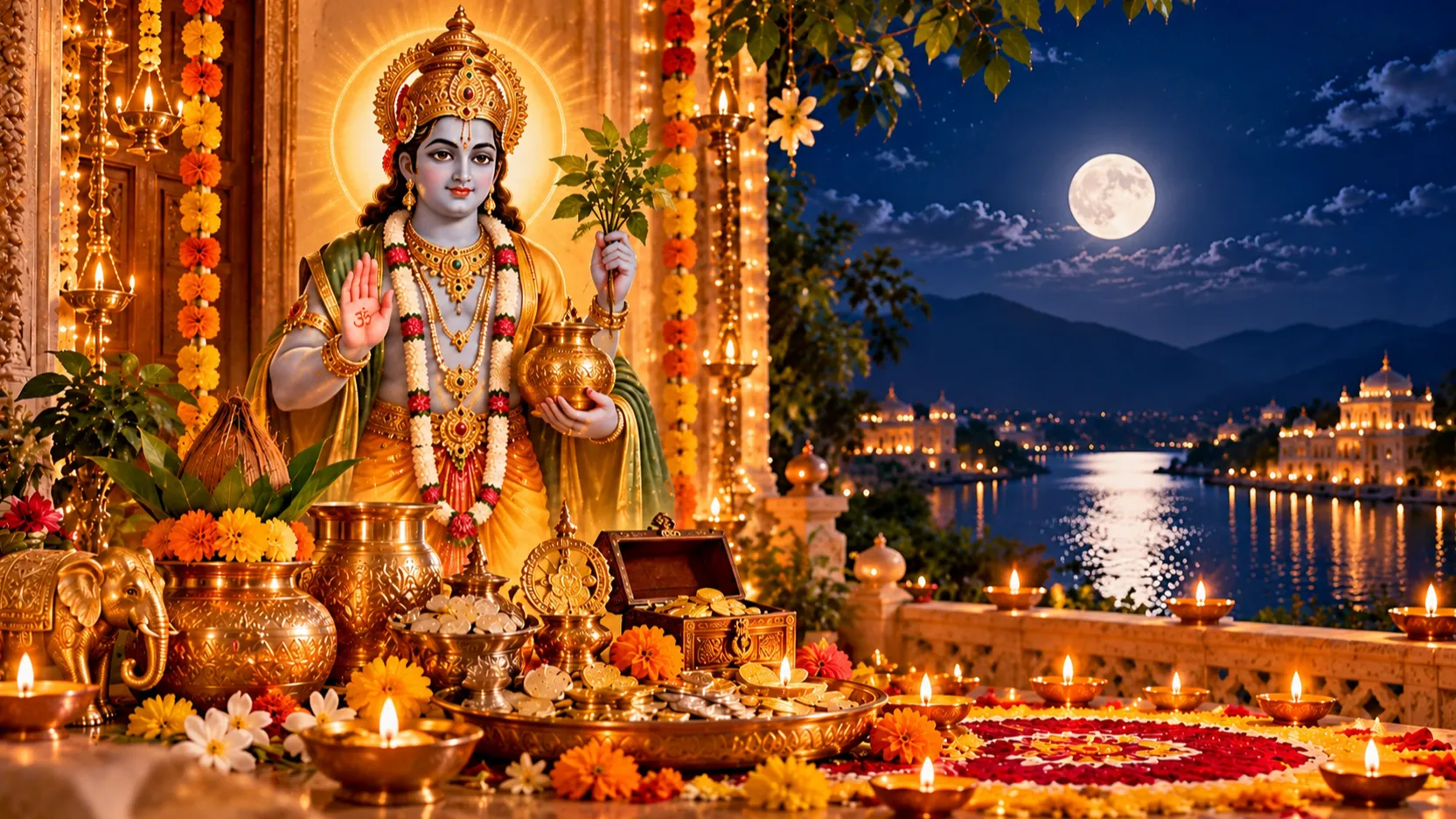
As the autumn air turns crisp and the night sky begins to sparkle with the distant glow of string lights, a familiar warmth fills our homes. Deepavali is just around the corner, and that means it is time to welcome prosperity, health, and divine grace into our lives starting with the auspicious festival of Dhanteras. For generations, the mention of Dhanteras shopping ideas has immediately conjured images of bustling jewelry stores, gleaming yellow gold, and heavy silver coins. While purchasing precious metals is a cherished tradition rooted in the belief that they bring enduring wealth, the true essence of this festival goes far beyond mere financial currency.
Dhanteras, also known as Dhantrayodashi, marks the birth anniversary of Lord Dhanvantari, the physician of the gods and the custodian of Ayurveda, who emerged from the cosmic ocean carrying a pot of immortal nectar. It is also a day dedicated to propitiating Goddess Lakshmi and Lord Ganesha for abundance in all its forms—health, peace, wisdom, and spiritual fulfillment. If your budget doesn't stretch to gold this year, or if you simply wish to embrace a more traditional, holistic approach to the festival, there are plenty of meaningful things to buy on Dhanteras that carry profound spiritual and cultural significance.
Let us explore seven wonderful, spiritually charged alternative to gold and silver on Dhanteras that will invite abundance and positive energy into your home.
1. Brass or Copper Utensils: Honoring Lord Dhanvantari
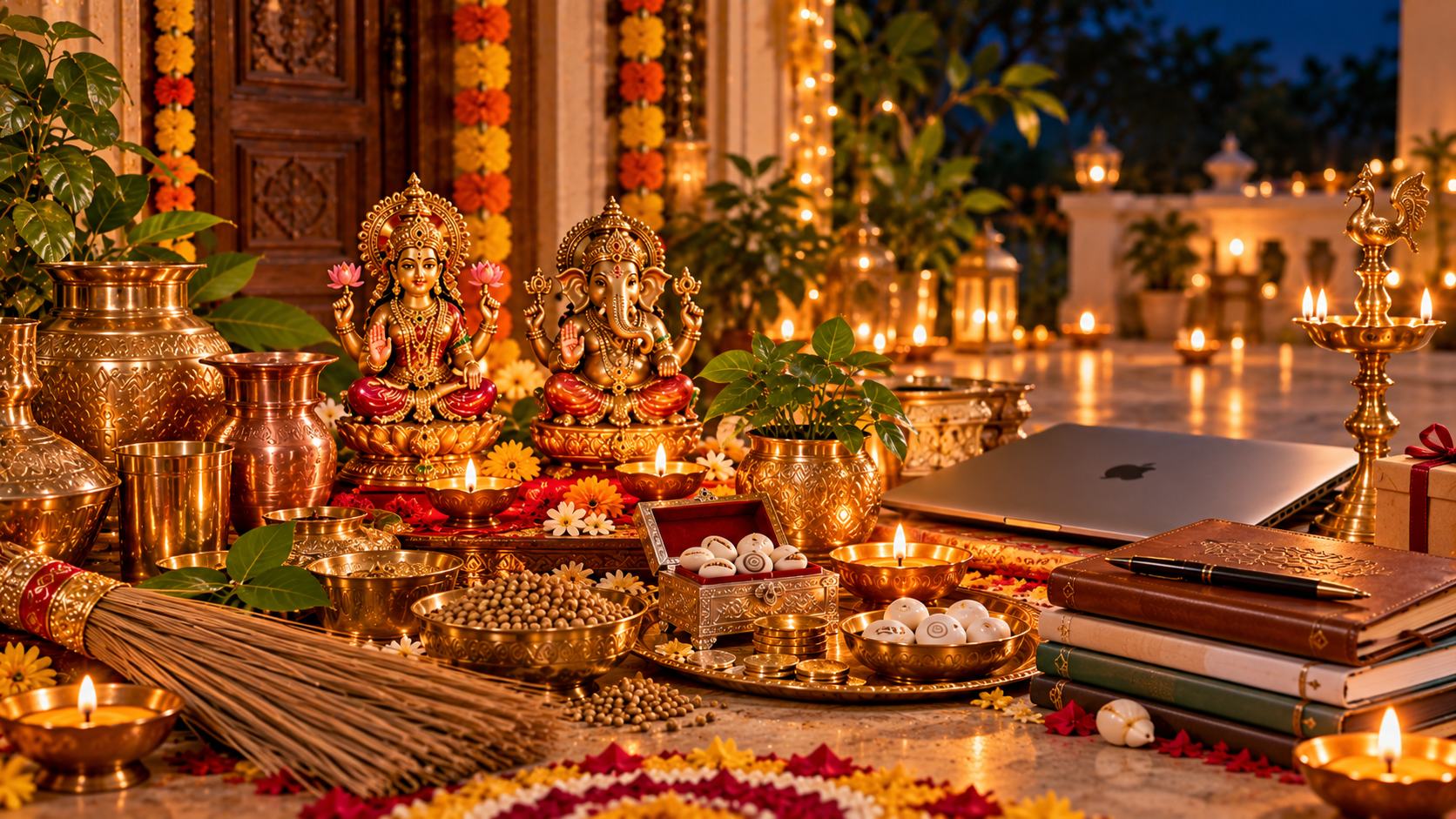
When searching for traditional Dhanteras puja items, metals like brass, copper, and bronze hold a special place of honor. According to ancient scriptures, when Lord Dhanvantari emerged from the Samudra Manthan, he held a *kalash* (pot) filled with *amrit* (divine nectar). This pot was made of brass. Therefore, buying brass or copper utensils on this day is believed to symbolize good health, longevity, and nourishment.
In traditional Indian households, cooking and eating out of brass and copper vessels was not just a lifestyle choice; it was a practice rooted in wellness, echoing Lord Dhanvantari’s Ayurvedic wisdom. When you bring home a new brass *patila* (cooking pot), a tumbler, or a copper water jug on Dhanteras, you are essentially inviting healing energies into your kitchen. Pro tip: Before bringing the utensil inside, fill it with water, rice, or lentils to ensure it enters your home full and auspicious, signifying that your pantry will never face scarcity.
2. The Humble Broom (*Jhadu*): Sweeping Away Negativity
It might surprise you to see a broom on a list of festival purchases, but in the realm of traditional meaningful Dhanteras purchases, the broom holds a place of supreme importance. The broom is considered a physical manifestation of Goddess Lakshmi, the deity of wealth and purity. Just as Goddess Lakshmi loves cleanliness and resides only where there is order and hygiene, a new broom helps sweep away physical dust as well as spiritual negativity, poverty, and sluggishness (*daridrata*) from the home.
On the evening of Dhanteras, buying a new grass broom and using a tiny corner of it symbolically before the puja is an age-old custom. It signifies clearing out the stagnant energies of the past year to make space for fresh, vibrant prosperity. Remember to keep your new broom hidden from public sight and do not use it immediately on the main floors until after the festival rituals are complete.
3. Coriander Seeds (*Sabut Dhania*): Growing Wealth and Abundance
If you are looking for an alternative to gold and silver on Dhanteras that is both deeply symbolic and wonderfully affordable, look no further than whole coriander seeds, known in Hindi as *sabut dhania*. The word *dhania* itself sounds strikingly similar to *dhan*, which means wealth.
On Dhanteras, devotees buy whole coriander seeds and offer them at the feet of Goddess Lakshmi during the evening puja. A portion of these seeds is then kept in the safe or locker where you store your valuables, symbolizing the continuous growth and multiplication of your wealth. The remaining seeds are often sown in a garden or a small pot after Diwali. Watching these seeds sprout into lush green coriander plants is viewed as an auspicious omen for the upcoming year, signifying that your prosperity will similarly take root and flourish.
4. Idols of Lord Ganesha and Goddess Lakshmi: Invoking Divine Grace
While most families already have idols for their daily worship, purchasing a fresh pair of idols made of clay, terracotta, silver, or brass specifically for Diwali is a deeply meaningful custom. Lord Ganesha represents wisdom, obstacle removal, and auspicious beginnings, while Goddess Lakshmi represents wealth, grace, and generosity. Together, they are worshipped to ensure that wealth is accompanied by the wisdom to manage and share it rightly.
When selecting these idols as part of your Dhanteras shopping ideas, pay attention to their posture. Goddess Lakshmi is traditionally depicted either sitting on a blooming lotus, showering gold coins from one hand, or with elephants flanking her. Lord Ganesha should ideally be seated with his trunk turned to his left, holding a modak. Once brought home, these idols are ceremoniously installed during the Diwali puja, replacing or joining the older ones to renew the sacred energy of your home temple.
5. Gomti Chakra and Cowrie Shells (*Kaudi*): Ancient Symbols of Prosperity
For centuries, before paper currency and digital wallets took over, items like cowrie shells (*kaudiyan*) and Gomti Chakras served as currency and were deeply associated with ocean treasures and Goddess Lakshmi, who also emerged from the ocean. Incorporating these into your Dhanteras puja items is a powerful way to connect with ancient traditions.
Gomti Chakras are rare scalar-shaped stones found in the Gomti River in Dwarka. They are believed to protect the household from the evil eye, bring good luck, and attract financial stability. Similarly, white cowrie shells represent the ocean's bounty. On Dhanteras, buying a set of eleven Gomti Chakras or yellow cowries, tying them in a red cloth, and offering them to Goddess Lakshmi during prayers is said to secure unbroken financial protection for the family throughout the year.
6. Electronic Gadgets and Tools: Embracing Modern Utility
Times change, and so do our definitions of utility and wealth. In the modern era, the tools and instruments that help us earn our livelihood, manage our daily lives, and gain knowledge are viewed as modern forms of wealth, overseen by Lord Kubera and Goddess Lakshmi.
Therefore, buying electronic appliances, kitchen gadgets, smartphones, laptops, or even a new vehicle on Dhanteras has become immensely popular. If you have been planning to upgrade your work laptop, buy a blender for your kitchen, or purchase a family car, scheduling the purchase or delivery on Dhanteras aligns the tool with positive intentions. When you bring a new gadget home, consider placing a small *tilak* of *kumkum* and turmeric on it as a mark of respect, acknowledging that it aids in your livelihood and sustenance.
7. Books and Journals: Investing in the Wealth of Knowledge
In Indian culture, true wealth is never restricted to money and material possessions; it encompasses *Vidya* (knowledge). Goddess Saraswati and Goddess Lakshmi are often invoked together, because wealth without wisdom is fleeting, while knowledge empowers us to create a meaningful life. This makes books, journals, and educational materials some of the most profound things to buy on Dhanteras.
Whether you are a student purchasing a new academic text, a professional buying a book related to your field, or a creative soul investing in a blank leather-bound journal to write your thoughts, buying literature on this day honors Saraswati. Place your new books on the altar during the Dhanteras or Diwali puja, pray for clarity of mind and focus, and step into the new year with a commitment to continuous learning and self-improvement.
Tips for a Blessed and Mindful Dhanteras Celebration
As you plan your purchases and prepare your home for the festivities, keep in mind that the heart of Dhanteras lies not in how much money you spend, but in the attitude of gratitude and reverence with which you welcome abundance. Here are a few quick tips to make your celebration special:
- Auspicious Timings: Check local panchang timings for the *shubh muhurat* (auspicious time) to make your purchases and perform the evening puja.
- Lighting the Yamadeep: On the evening of Dhanteras, light a four-faced clay lamp (*Yama diya*) filled with mustard oil outside your main door facing south. This is done to ward off untimely death and invoke protection for your family.
- Decluttering First: Before bringing any new items into your home, ensure your living space is clean, dusted, and decluttered to invite positive chi.
By stepping away from the pressure of buying expensive gold and silver and instead embracing these traditional, spiritually rich alternatives, you open your heart to the true blessings of Dhanteras. May this festival fill your home with radiant health, lasting peace, and boundless prosperity!
Related Images
Frequently Asked Questions
Q: What is Dhanteras and what does it mark?
Dhanteras, also known as Dhantrayodashi, marks the birth anniversary of Lord Dhanvantari, the physician of the gods and the custodian of Ayurveda, and is the auspicious beginning of the Diwali festival.
Q: Why do people traditionally buy gold and silver on Dhanteras?
Purchasing precious metals is a cherished tradition rooted in the belief that they bring enduring wealth and prosperity into the home.
Q: Who is Lord Dhanvantari?
Lord Dhanvantari is known as the physician of the gods and the custodian of Ayurveda, who emerged from the cosmic ocean carrying a pot of immortal nectar during the Samudra Manthan.
Q: What are some meaningful alternatives to buying gold and silver on Dhanteras?
Meaningful alternatives include buying brass or copper utensils to honor Lord Dhanvantari and purchasing a new broom to sweep away negativity and invite Goddess Lakshmi.
Q: Why are brass and copper utensils considered auspicious to buy on Dhanteras?
According to scriptures, Lord Dhanvantari emerged from the cosmic ocean holding a pot made of brass filled with divine nectar. Buying brass or copper symbolizes good health, longevity, and nourishment.
Q: What is a pro tip when bringing home new utensils on Dhanteras?
Before bringing the utensil inside, fill it with water, rice, or lentils to ensure it enters your home full and auspicious, signifying that your pantry will never face scarcity.
Q: Why is a broom considered important to purchase on Dhanteras?
The broom is considered a physical manifestation of Goddess Lakshmi. Buying a new broom symbolizes sweeping away negativity, poverty, and welcoming cleanliness and wealth.
Q: Does the true essence of Dhanteras focus only on financial currency?
No, the true essence of Dhanteras goes beyond financial currency and focuses on welcoming abundance in all its forms, including health, peace, wisdom, and spiritual fulfillment.
Q: What deities are propitiated on Dhanteras for abundance?
Goddess Lakshmi, Lord Ganesha, and Lord Dhanvantari are propitiated on Dhanteras for abundance, health, and prosperity.
Q: What kind of approach does the article suggest if your budget does not stretch to gold?
The article suggests embracing a more traditional, holistic approach by purchasing spiritually charged items like brass utensils or a humble broom that carry profound cultural significance.

Author
Praarthana Editorial Team
The Praarthana Editorial Team shares daily spiritual guidance, authentic rituals, and deep insights from ancient Sanatan scriptures to support your spiritual journey.

Download App
पंचांग तिथि, त्यौहार, व्रत, उत्सव, एकादशी, आरती संग्रह, मंत्र, व्रत कथा


एक टिप्पणी छोड़ें