Navratri Day 7 2026: Who is Maa Kalaratri? The Fiercest Form of Goddess Durga Explained
As the vibrant and spiritually charged festival of Sharad Navratri progresses, the atmosphere shifts from the gentle grace of the earlier days to a profound intensity. On the seventh day of this auspicious festival, devotees turn their hearts and minds toward the most ferocious, powerful, and awe-inspiring manifestation of the Divine Mother. This revered deity is Maa Kalaratri, the seventh form of Goddess Durga.
Observing Navratri seventh day is a transformative experience for spiritual seekers. While the initial days of Navratri celebrate innocence, growth, and the cultivation of inner wealth, Day 7 introduces us to the ultimate destroyer of darkness, ignorance, and fear. In this comprehensive guide, we will explore the profound mythology, unique iconography, powerful mantras, and spiritual significance of Goddess Kalaratri, helping you connect deeply with her divine energy.
Who is Maa Kalaratri?
To understand the essence of Maa Kalaratri, one must look at the etymology of her name. The word "Kala" has multiple meanings in Sanskrit, including time, death, and black (darkness). The word "Ratri" means night. Therefore, Kalaratri translates to "the one who is the death of night," or "she who destroys the darkness of night and ignorance."
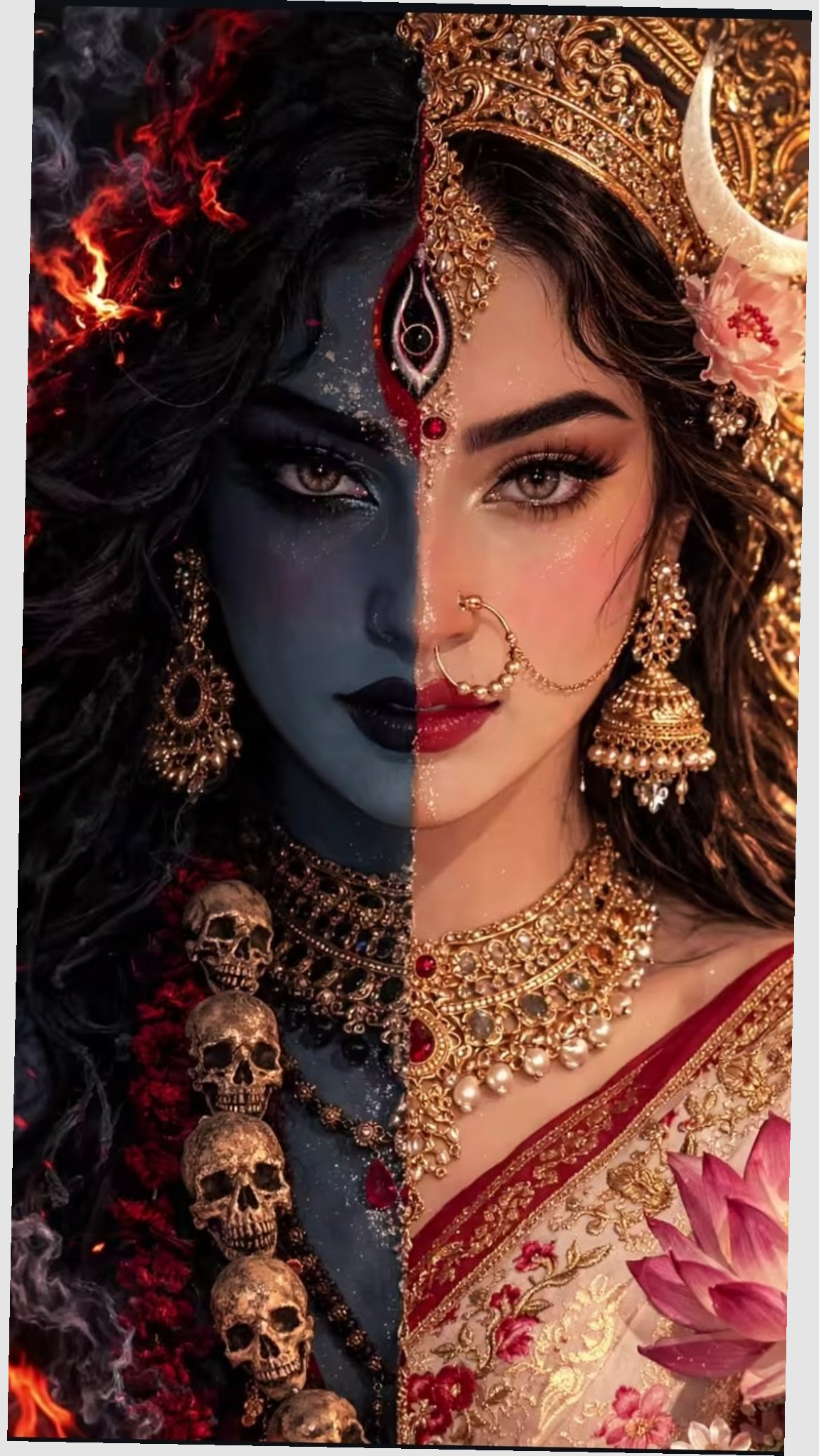
According to Hindu mythology and sacred texts like the Devi Mahatmyam, the fierce form of Goddess Durga emerged when the cosmos was plagued by powerful demons, notably Shumbha and Nishumbha, and the blood-thirsty demon Raktabeej (whose every drop of blood falling to the ground spawned a new clone of himself). To vanquish these forces of unrighteousness and restore cosmic order, Goddess Parvati shed her fair outer skin (Koshika). Beneath this golden layer emerged her dark, terrifying, and immensely powerful form—Maa Kalaratri.
She took upon herself the task of consuming the demon Raktabeej’s blood before it could touch the ground, thereby neutralizing his power and saving the universe from ultimate destruction. Thus, while her appearance strikes terror in the hearts of the wicked, she is the ultimate protector of her devotees, often referred to as Shubhankari (she who brings auspiciousness and good fortune).
Iconography and Appearance of Goddess Kalaratri
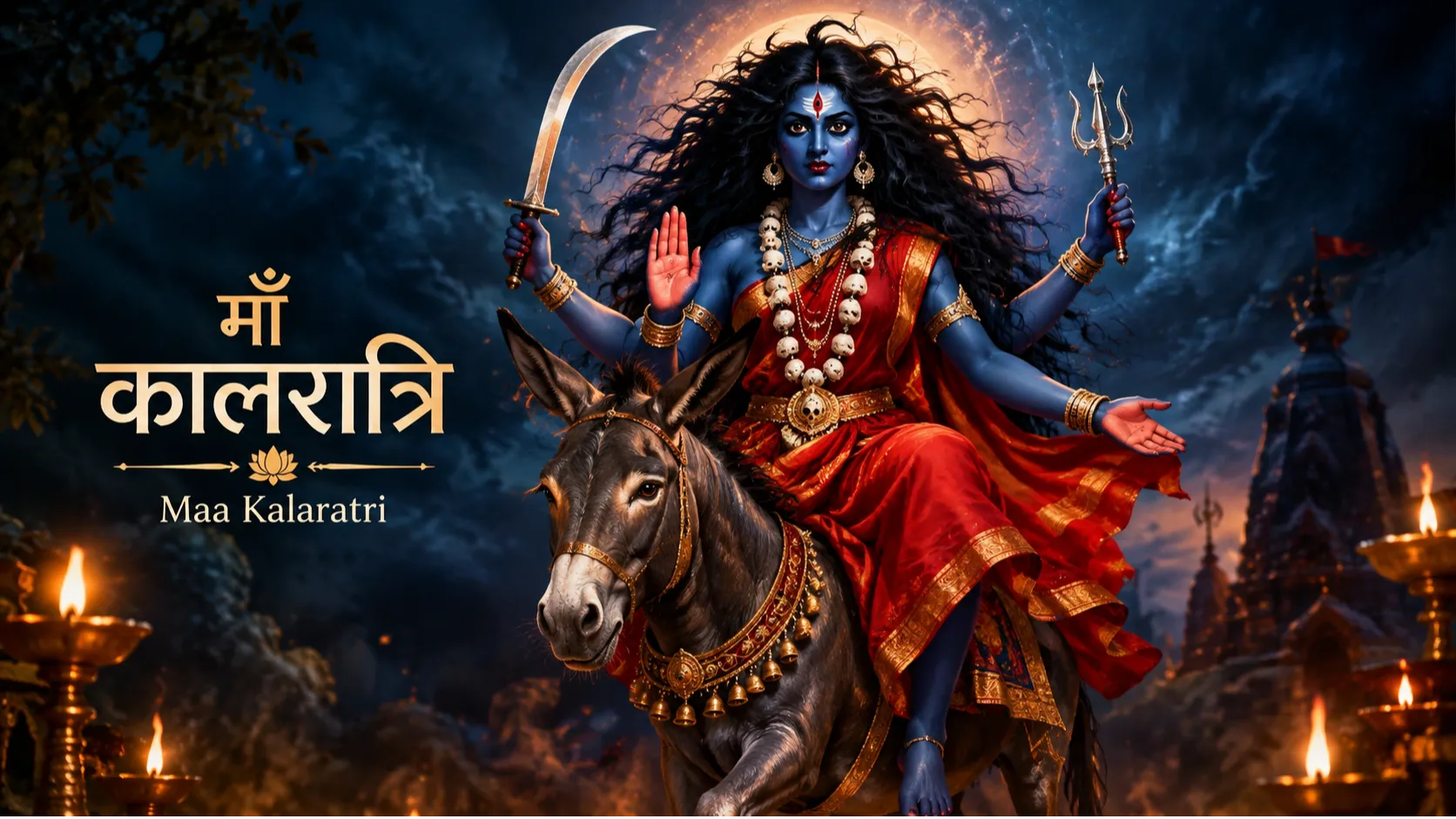
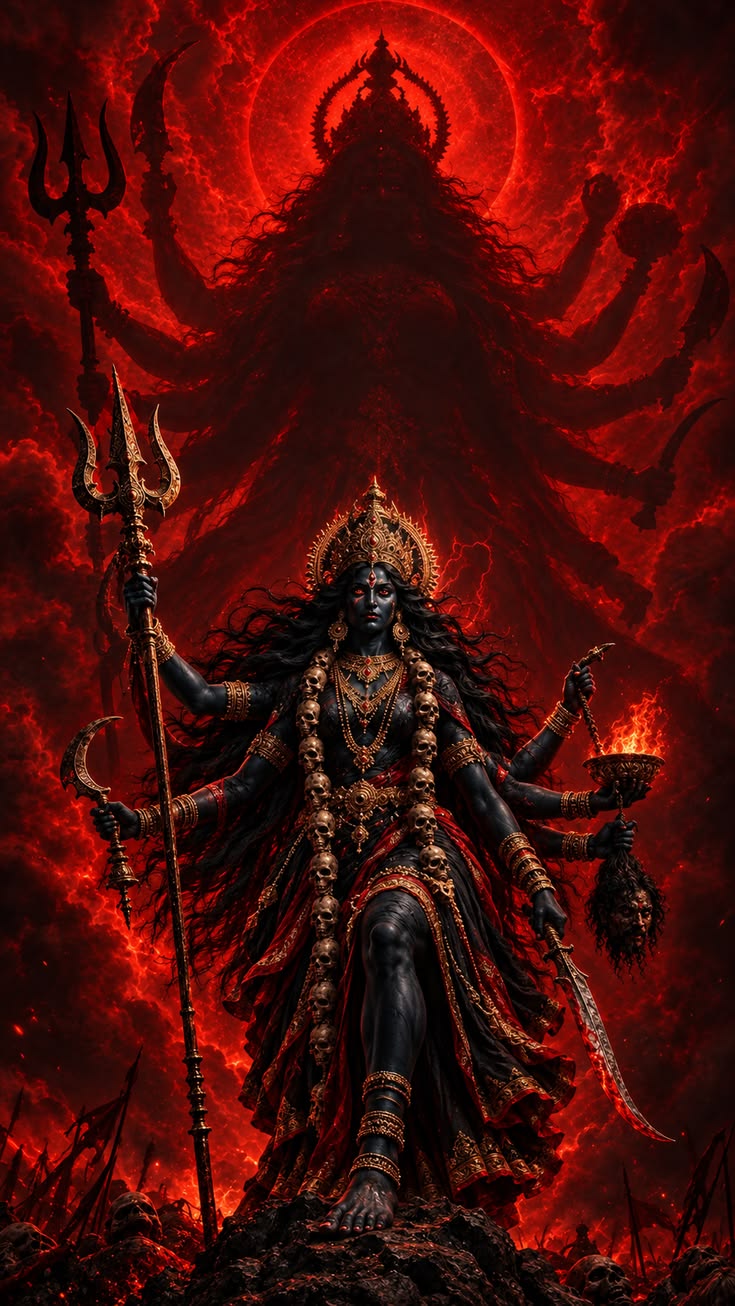
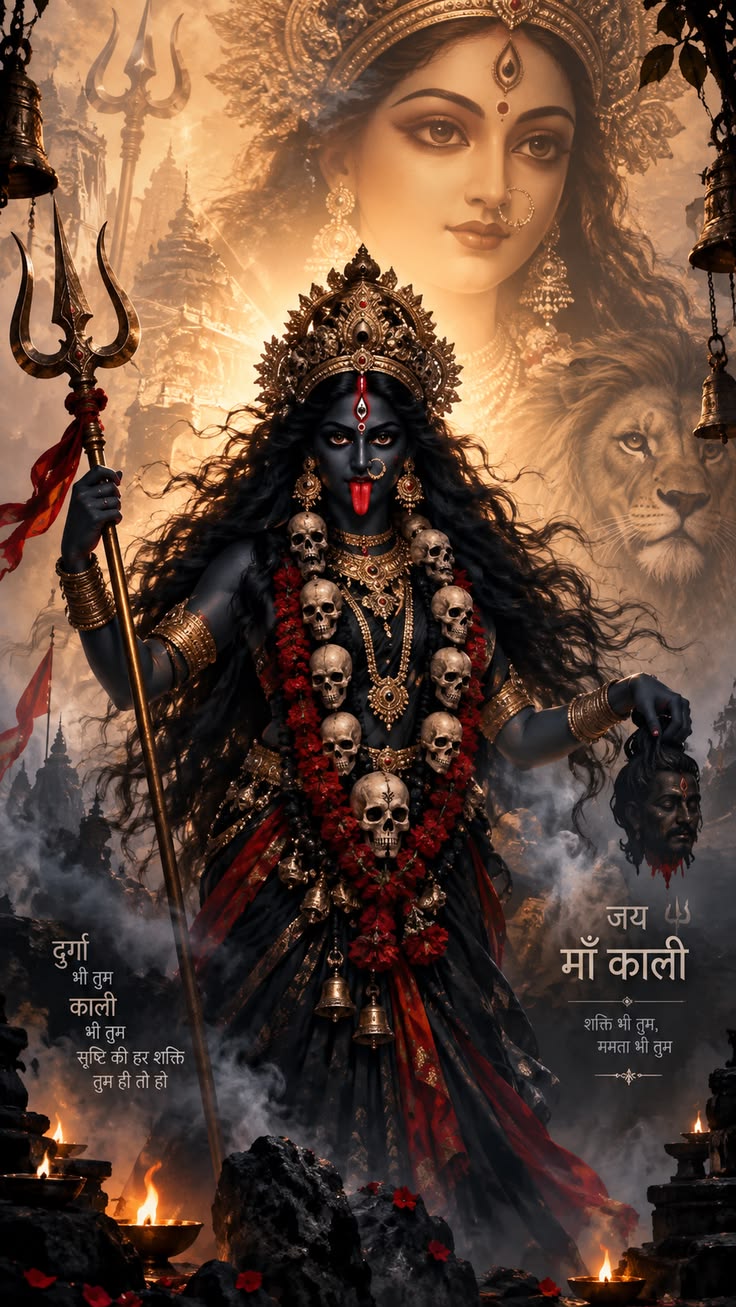
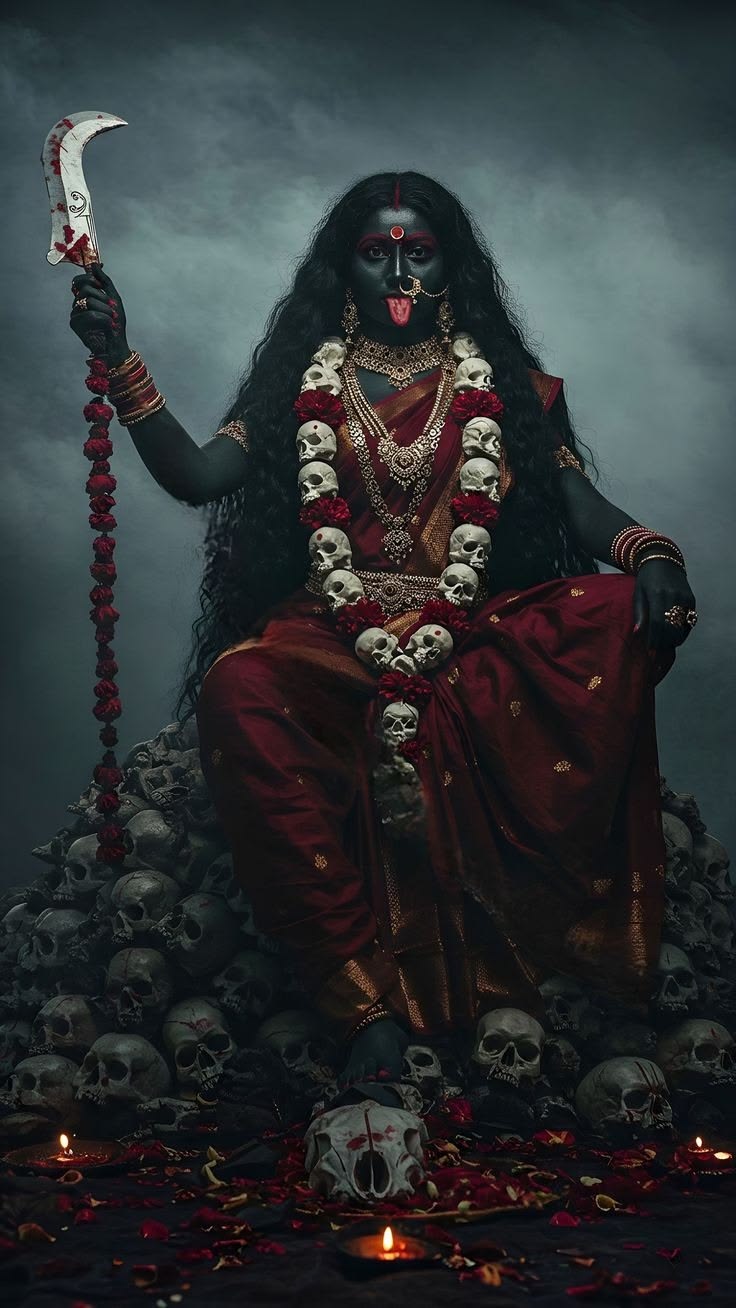
The visual representation of Maa Kalaratri is striking, stark, and deeply symbolic. Unlike the serene, smiling forms of the goddess worshipped on earlier days, her iconography emphasizes absolute power, fearlessness, and the annihilation of negativity.
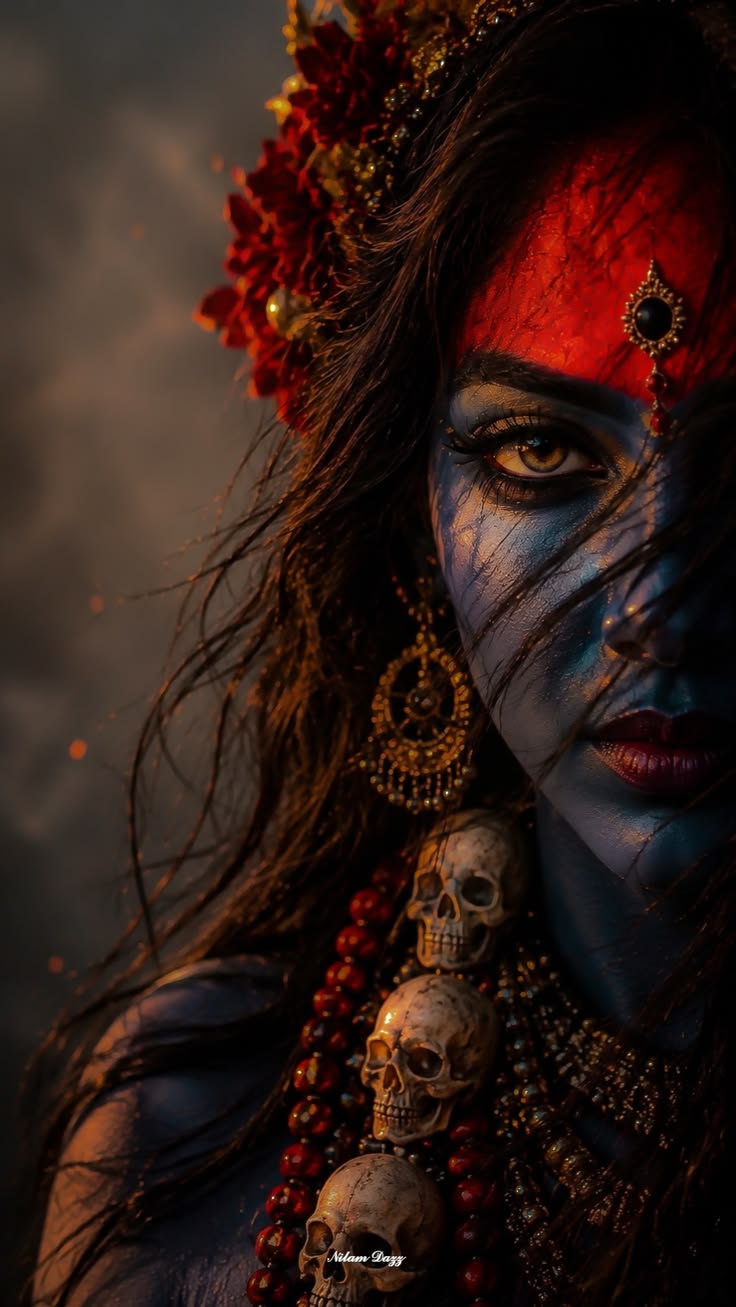
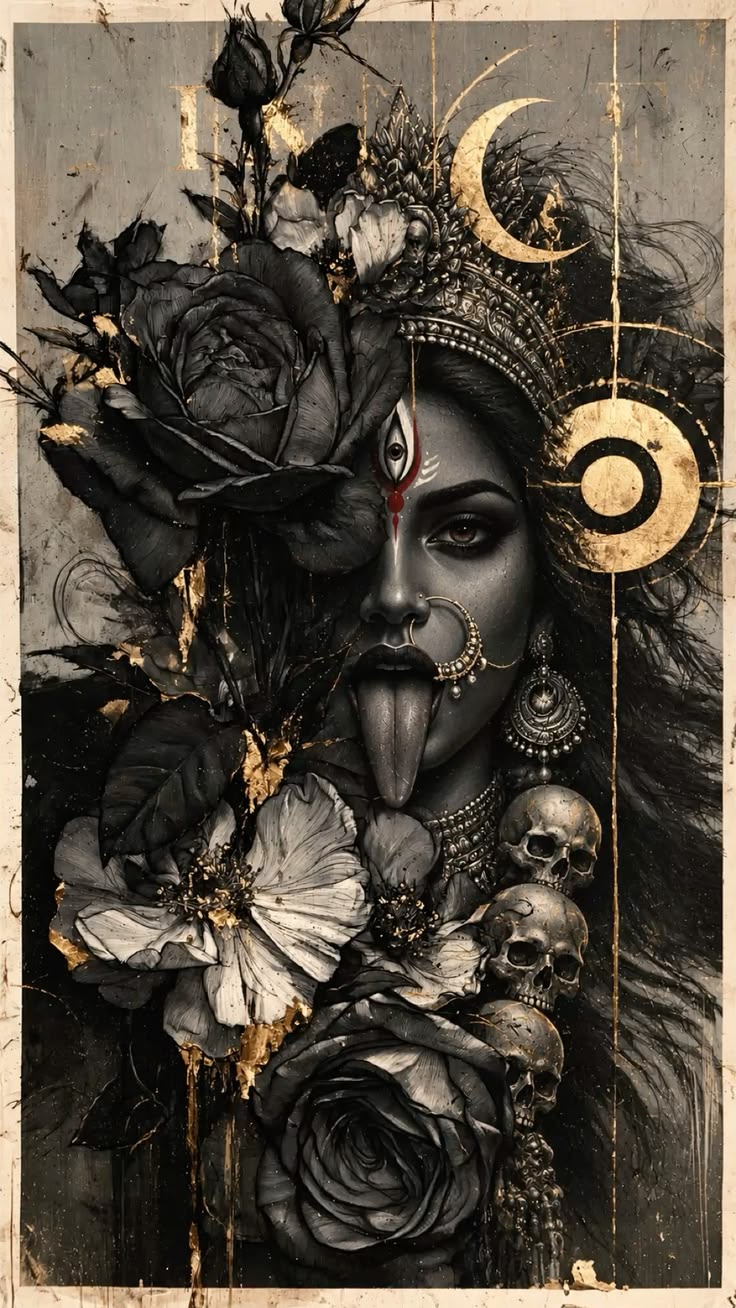
- Dark Complexion: Her skin is as dark as a moonless night (amavasya), symbolizing the infinite void of the cosmos and the dissolution of all things back into the unmanifested state.
- Hair and Expression: Her hair is thick, wild, and unbound, flowing freely in the cosmic wind. Her eyes are large and glowing, and her breath flames out in a fierce display of divine wrath against adharma (unrighteousness).
- The Riding Vehicle: Her vahana (vehicle) is the humble donkey (gardabha). While the donkey is often associated with stubbornness or ignorance in worldly terms, in a spiritual context, it represents the complete mastery over ignorance, foolishness, and heavy burden, carrying the weight of the universe with steadfast humility.
- The Four Hands: Maa Kalaratri is depicted with four hands. Her upper right hand is held in the Abhaya Mudra, assuring her devotees of absolute safety, fearlessness, and protection. Her lower right hand is in the Varada Mudra, bestowing boons, grace, and spiritual wealth. Her upper left hand holds a formidable iron hook (ankusha), and her lower left hand wields a flashing scimitar or curved sword (khadga), ready to cut down the illusions of the ego.
The Spiritual Significance of Kalaratri
The worship of the fierce form of Goddess Durga holds immense psychological and spiritual relevance. Life is filled with internal and external struggles—fear, anxiety, grief, enemies, and the constant clutter of negative thoughts. Maa Kalaratri represents the dissolution of all these afflictions.
When a devotee meditates upon the significance of Kalaratri, they learn to confront their deepest fears. Fear often paralyzes spiritual growth. By worshipping the goddess who is the embodiment of time and dissolution, the devotee realizes that death, change, and darkness are merely temporary phases in the grand cycle of existence. She teaches us that true fearlessness comes not from the absence of danger, but from anchoring oneself in the supreme, unshakable reality of the Divine.
Furthermore, her dark complexion is a reminder that beyond the colorful, changing illusions of the material world lies the formless, infinite, and peaceful Brahman. She clears the path for inner awakening by burning away our ignorance with the fire of divine knowledge.
How to Worship Maa Kalaratri on Navratri Day 7 (2026)
The rituals performed on the seventh day of Navratri are dedicated to invoking the protective and transformative energy of Maa Kalaratri. Here is a step-by-step guide on how devotees can perform the puja with devotion and precision:
- Early Morning Purification: Wake up during the Brahma Muhurta, take a purifying bath, and wear clean clothes—preferably red, dark blue, or white, as these colors symbolize passion, protection, and purity.
- Altar Preparation: Clean the puja altar and place an image or idol of Maa Kalaratri. Purify the space by sprinkling Gangajal (holy water).
- Offerings: Offer fresh night-blooming flowers (such as raat ki rani), red sandalwood, garlands, and colorful cloths. Jaggery (gur) is considered her favorite bhog (offering), and offering it is believed to help ward off poverty, sorrow, and sudden obstacles.
- Lighting the Lamp: Light a ghee or mustard oil lamp and incense sticks in front of the deity.
- Chanting Mantras: Recite her sacred mantras, sing devotional hymns (bhajans), and read the Durga Saptashati with a focused and serene mind.
Powerful Maa Kalaratri Mantras
Chanting the mantras dedicated to Maa Kalaratri creates a powerful spiritual shield around the practitioner, dispelling fear, nightmares, and negative energies.
1. The Dhyana Mantra (Meditation Prayer)
Ekaveni japakarnapura nagna kharasthita,
Lamboshthi karnikarni tailabhyaktasharirini.
Vamapadollasallohalatakantakabhushana,
Vardhana murdhadhaja kalaratri ra bhayankari.
2. The Primary Beej Mantra
Om Aim Hrim Kleem Kalaratryai Namah (Repeat this mantra 108 times using a rudraksha mala for maximum spiritual benefit).
3. The Universal Mantra
Ya Devi Sarvabhuteshu Maa Kalaratri Rupena Samsthita,
Namastasyai Namastasyai Namastasyai Namo Namah.
Overcoming Obstacles and Negative Energies
Many devotees experience deep psychological shifts when connecting with Goddess Kalaratri. In Tantric and esoteric traditions, her worship is considered essential for overcoming malefic planetary influences (particularly those related to Saturn or Shani, as she is believed to govern and pacify planetary afflictions).
When negative energies, feelings of depression, anxiety, or feelings of being overwhelmed threaten your peace of mind, invoking Maa Kalaratri acts as a spiritual reset. Her fierce energy cuts through psychic debris, clears the subtle energy channels (nadis), and awakens the Sahasrara chakra (crown center) when approached with surrender, humility, and unwavering faith.
Conclusion
As we observe Navratri Day 7, let us remember that the fierce visage of Maa Kalaratri is merely a mother’s protective armor against the forces that seek to harm her children. She looks terrifying to those who harbor malice and ignorance, but to her sincere devotees, she is a fountain of boundless compassion, love, and fearlessness.
Embrace the transformative power of this fierce goddess. Let her light burn away your inner darkness, and step forward into the remaining days of Navratri with a fearless, radiant, and purified heart. May Maa Kalaratri bless you and your family with strength, courage, and auspiciousness!
Related Images
Frequently Asked Questions
Q: When is Navratri Day 7 celebrated according to the article?
Navratri Day 7 is observed during the vibrant and spiritually charged festival of Sharad Navratri, focusing on the seventh form of Goddess Durga.
Q: Who is Maa Kalaratri?
Maa Kalaratri is the seventh and most ferocious, powerful, and awe-inspiring manifestation of Goddess Durga, known as the ultimate destroyer of darkness, ignorance, and fear.
Q: What is the etymology and meaning of the name Kalaratri?
The word 'Kala' means time, death, or black (darkness), and 'Ratri' means night. Therefore, Kalaratri translates to 'the one who is the death of night' or 'she who destroys the darkness of night and ignorance.'
Q: According to Hindu mythology, why did Maa Kalaratri emerge?
She emerged when the cosmos was plagued by powerful demons like Shumbha, Nishumbha, and Raktabeej, when Goddess Parvati shed her fair outer skin to reveal her dark, terrifying, and powerful form to restore cosmic order.
Q: How did Maa Kalaratri defeat the demon Raktabeej?
She consumed Raktabeej's blood before it could touch the ground, thereby preventing the creation of new clones and neutralizing his power.
Q: What other name is Maa Kalaratri often referred to as, and what does it mean?
She is often referred to as Shubhankari, which means 'she who brings auspiciousness and good fortune.'
Q: How is the complexion of Maa Kalaratri described in her iconography?
Her skin is as dark as a moonless night (amavasya), symbolizing the infinite void of the cosmos and the dissolution of all things back into the unmanifested state.
Q: What do the hair and expression of Goddess Kalaratri signify?
Her hair is thick, wild, and unbound, flowing freely in the cosmic wind, while her large glowing eyes and flaming breath display fierce divine wrath against unrighteousness (adharma).
Q: What is the spiritual significance of observing the seventh day of Navratri?
Observing Navratri Day 7 is a transformative experience for spiritual seekers, introducing them to the ultimate destroyer of darkness, ignorance, and fear after celebrating innocence and inner wealth in the earlier days.
Q: Which sacred text mentions the emergence of this fierce form of the Goddess?
Her emergence is mentioned in sacred texts such as the Devi Mahatmyam.

Author
Praarthana Editorial Team
The Praarthana Editorial Team shares daily spiritual guidance, authentic rituals, and deep insights from ancient Sanatan scriptures to support your spiritual journey.
Download App
पंचांग तिथि, त्यौहार, व्रत, उत्सव, एकादशी, आरती संग्रह, मंत्र, व्रत कथा



एक टिप्पणी छोड़ें