
In the vast tapestry of spiritual paths, humanity has forever sought a deeper connection, a profound sense of belonging, and an ultimate love that transcends the mundane. While many spiritual seekers turn to meditation for inner peace and mental clarity, there exists another equally potent, yet distinct, avenue for spiritual growth: Bhakti Yoga. Often described as the yoga of devotion, Bhakti Yoga offers a heartfelt journey where the focus shifts from the quietude of the mind to the passionate embrace of divine love, transforming our very emotions into a powerful current of spiritual awakening.
This guide will take you beyond traditional meditation, exploring the rich landscape of Bhakti Yoga. We will delve into its core philosophy, contrast it with conventional meditative approaches, detail its vibrant practices, and provide practical wisdom for cultivating devotion and integrating it into your daily life. Prepare to open your heart to a path of unwavering love, surrender, and profound connection with the Divine.
Bhakti Yoga: The Path of Heartfelt Devotion
At its essence, Bhakti Yoga is a spiritual path centered on love and devotion towards the Divine. The Sanskrit word "Bhakti" means devotion, allegiance, love, or adoration. It is a profound, active, and personal relationship with the Supreme Reality, perceived as a beloved, a friend, a child, or a master. Unlike intellectual or purely ascetic paths, Bhakti emphasizes emotional connection and heartfelt longing for the Divine.
Bhakti Yoga Versus Traditional Meditation: A Shift in Focus
To understand Bhakti Yoga fully, it's helpful to contrast it with what many perceive as traditional meditation practices, such as Vipassana or mindfulness meditation.
- Traditional Meditation: Focus on Mental Quietude
Traditional meditation often aims for mental quietude, stillness, and the cessation of thought waves (chitta vritti nirodha, as per Patanjali's Yoga Sutras). The practitioner seeks to observe thoughts without judgment, detach from sensory input, and ultimately experience a state of inner peace and expansive awareness. The journey is often inward, focusing on the self, the breath, or a neutral point of awareness. The emphasis is on mental discipline, concentration, and transcending the ego through detachment. - Bhakti Yoga: Focus on Emotional Connection and Love
Bhakti Yoga, while potentially incorporating elements of concentration, primarily shifts the focus from mental quietude to emotional connection. It's not about emptying the mind, but about filling the heart with divine love. Instead of detaching from emotions, Bhakti aims to purify and redirect them towards the Divine. Anger, fear, desire, attachment—these powerful human emotions, often seen as obstacles in other paths, are transformed into tools for devotion when offered to the Divine with love and surrender. The relationship is personal, active, and often expressive, involving singing, chanting, dancing, and heartfelt prayer. The ego is not transcended through detachment, but dissolved through surrender and humble service to the Beloved.
In essence, traditional meditation often seeks inner peace through mental stillness; Bhakti Yoga seeks spiritual ecstasy through emotional connection and divine love. Both are valid and powerful, but their approaches differ significantly. Bhakti Yoga recognizes the innate human capacity for love and attachment and directs it towards the highest object of affection – the Divine – thereby transforming the seeker's entire being.
The Nine Forms of Bhakti (Navadha Bhakti): A Comprehensive Framework
Ancient scriptures, particularly the Srimad Bhagavatam, outline nine primary forms of devotion, known as Navadha Bhakti. These forms provide a comprehensive framework for understanding and practicing Bhakti, showcasing the diverse ways one can cultivate a relationship with the Divine:
- Shravanam (Hearing): Listening to the glories, stories, and pastimes of the Divine, often through sacred texts, discourses, or devotional music.
- Kirtanam (Chanting/Singing): Glorifying the Divine through chanting sacred names, mantras, and devotional songs, often in a communal setting.
- Smaranam (Remembering): Constant remembrance of the Divine, meditating on their form, attributes, and presence throughout daily activities.
- Padasevanam (Serving the Lord's Feet): Serving the Divine in tangible ways, which can include serving a temple, a holy place, or sacred images, often metaphorically meaning surrendering at the Lord's feet.
- Archanam (Worship): Engaging in ritualistic worship, offering flowers, incense, light, and other items to a deity or sacred image with reverence.
- Vandanam (Prostration): Offering humble obeisance, bowing down before the Divine, expressing humility and surrender.
- Dasyam (Servitude): Cultivating an attitude of selfless service to the Divine and all beings, seeing oneself as a humble servant.
- Sakhyam (Friendship): Developing a close, intimate relationship with the Divine, treating the Beloved as one's dearest friend and confidant.
- Atmanivedanam (Self-Surrender): Complete surrender of oneself, including one's ego, actions, and fruits of labor, to the Divine, trusting completely in divine will.
These nine forms illustrate that Bhakti Yoga is not a monolithic practice but a multifaceted path that engages every aspect of our being – our ears, voice, mind, body, and emotions.
Core Practices of Bhakti Yoga: Engaging the Heart and Soul
Let's explore some of the most prominent and accessible practices within Bhakti Yoga, emphasizing their emotional, heartfelt, and personal dimensions.
Kirtan (Chanting): The Song of the Soul
Kirtan is a central practice in Bhakti Yoga, involving the congregational singing of divine names, mantras, and devotional songs, often in a call-and-response format. Accompanied by musical instruments like harmonium, mridanga drums, and kartals (hand cymbals), kirtan creates an uplifting, vibrant, and emotionally charged atmosphere. It's not about musical perfection but about heartfelt participation.
- The Emotional Experience: Kirtan provides a powerful outlet for emotions. The repetitive chanting, rhythmic music, and collective energy can lead to states of euphoria, profound peace, and even tears of joy or devotion. It bypasses the intellect and directly touches the heart, allowing for a deep, often cathartic, release of emotional blockages and a surge of divine love.
- Benefits: Besides emotional release, kirtan purifies the mind, reduces stress, enhances focus, and creates a strong sense of community and shared spiritual purpose. The vibratory energy of the sacred names is believed to have profound spiritual effects.
Japa (Mantra Repetition): A String of Sacred Sounds
Japa involves the individual, repetitive chanting or silent mental repetition of a mantra. This practice is often done using a string of mala beads (usually 108 beads) to keep count. A mantra is a sacred sound, word, or phrase believed to have spiritual and psychological power.
- The Personal Connection: Japa is a deeply personal practice, often performed in solitude. It allows the practitioner to cultivate an intimate relationship with the chosen deity or aspect of the Divine associated with the mantra. Each repetition is an offering, a whisper of love and remembrance.
- Benefits: Japa calms the mind, improves concentration, purifies negative thoughts, and steadily builds a reservoir of spiritual energy. It provides a constant anchor to the Divine, helping to integrate spiritual awareness into the fabric of daily life. The consistent remembrance (smaranam) cultivated through japa is foundational to deeper devotion.
Arati (Worship with Lamps): Illuminating Devotion
Arati is a beautiful and sensory-rich devotional ritual, typically performed with lamps or candles, often accompanied by singing, bells, and incense. During arati, various sacred items (lamps, incense, water, cloth, flowers, a yak-tail whisk, and a peacock fan) are circled clockwise before a deity or sacred image, representing an offering of the five elements and the senses.
- Sensory Engagement: Arati is a powerful practice that engages all the senses: sight (the lamp's flame), smell (incense), sound (bells, chanting), touch (warmth of the flame), and even taste (offered water or sweets). This multi-sensory engagement helps to draw the mind away from worldly distractions and focus it entirely on the Divine, creating a profound experience of presence and reverence.
- Symbolism: The offering of light symbolizes the surrender of our ego and the seeking of divine illumination. It's a humble gesture of love and adoration, expressing the heartfelt desire to serve and glorify the Beloved.
Seva (Selfless Service): Devotion in Action
Seva literally means "service" and refers to selfless service, performed without expectation of reward or recognition. In Bhakti Yoga, seva is an act of devotion where one sees the Divine in all beings and serves them accordingly. This can range from serving in a temple or spiritual community to helping family members, friends, or strangers.
- Transforming Actions: Seva transforms ordinary actions into spiritual practices. By performing tasks with an attitude of serving the Divine, the ego diminishes, and compassion grows. It's a way of extending divine love beyond personal contemplation into active engagement with the world.
- Integration into Daily Life: Seva is perhaps the most practical way to integrate Bhakti into every aspect of life. Whether it's cooking a meal with love, cleaning a space, volunteering, or simply offering a kind word, every act can become an offering to the Divine.
Puja (Ritualistic Worship): Honoring the Divine Presence
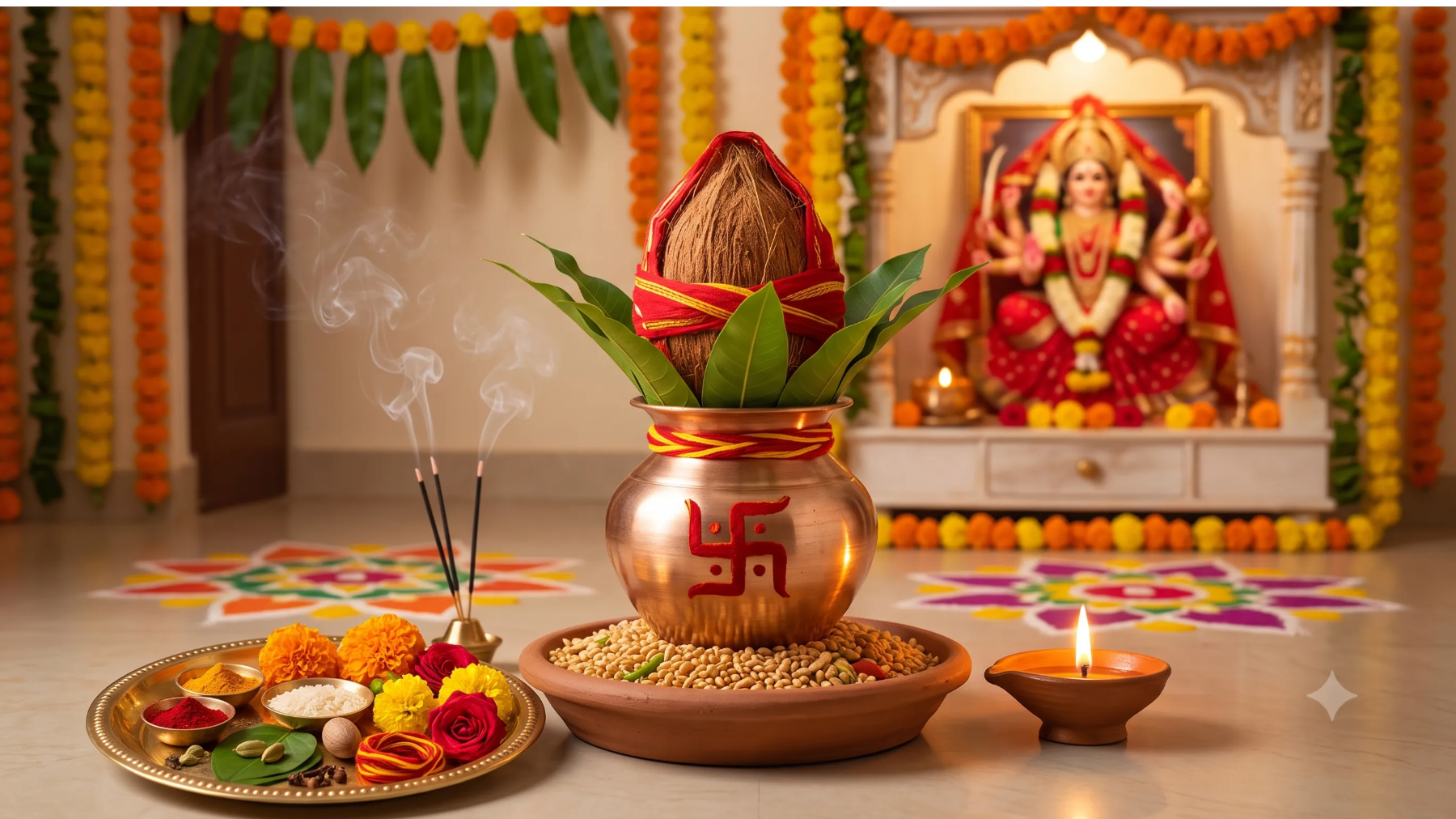
Puja is a more elaborate ritual of worship performed to honor and worship one or more deities, or to spiritually celebrate an event. It involves offerings of flowers, fruits, water, sweets, incense, and lamps to a deity or sacred image, often accompanied by specific mantras and prayers.
- Building a Relationship: Puja is an intimate way of expressing love, respect, and gratitude to the Divine. It helps to establish a personal, tangible relationship with the Beloved, creating a sacred space and time for communion. It can be a very heartfelt and emotional practice, a direct conversation with the Divine.
- Creating Sacred Space: By performing puja, one actively creates a sacred atmosphere, sanctifying the immediate environment and inviting divine presence. This ritual helps to train the mind to perceive the sacred in the everyday.
Hearing and Reading Sacred Texts (Shravanam): Nourishing the Intellect with Devotion
While Bhakti Yoga emphasizes emotional connection, intellectual understanding through listening (shravanam) and reading sacred texts is also crucial. Engaging with scriptures like the Bhagavad Gita, Srimad Bhagavatam, or the lives of Bhakti saints inspires and deepens one's devotion.
- Inspiration and Guidance: Stories of divine pastimes and the lives of great devotees provide inspiration, guidance, and validation for one's own spiritual journey. They help articulate the nuances of divine love and surrender.
- Deepening Faith: Understanding the philosophy behind Bhakti can strengthen faith and provide a robust framework for personal practice, answering intellectual doubts and solidifying one's commitment.
Cultivating Devotion: Integrating Bhakti into Daily Life
Cultivating devotion is a gradual process, akin to nurturing a delicate plant. It requires consistent effort, sincerity, and patience. Here are some insights into how to integrate Bhakti Yoga into your daily life:
- Consistency is Key: Even small, regular practices are more effective than sporadic grand gestures. Dedicate a few minutes each day to japa, listening to kirtan, or offering a simple prayer.
- Personalize Your Practice: Bhakti is deeply personal. Find the practices that resonate most with your heart. Whether it's singing, dancing, quiet contemplation, or active service, choose what feels authentic to you.
- Cultivate an Attitude of Gratitude: Start and end your day by acknowledging the blessings in your life and expressing gratitude to the Divine. Seeing divine grace in every aspect of life naturally fosters devotion.
- See the Divine in All Beings: Extend your love and compassion beyond your immediate devotional object. Practice seeing the inherent divinity in every person, animal, and aspect of nature. This broadens your capacity for love.
- Surrender and Trust: Practice letting go of control and trusting in a higher plan. This doesn't mean becoming passive, but acting with dedication and then surrendering the outcomes, accepting whatever comes as divine will.
- Seek Satsang (Spiritual Company): Surround yourself with like-minded individuals who are also on a spiritual path. The energy and support of a spiritual community (satsang) can greatly nourish and accelerate your devotional journey.
- Offer Everything: Try to mentally offer all your actions, thoughts, and words to the Divine. This transforms mundane activities into acts of devotion and purifies your consciousness.
Historical Figures and Traditions: The Legacy of Bhakti
The path of Bhakti Yoga boasts a rich and vibrant history, exemplified by countless saints and traditions across India and beyond. These figures have shaped the devotional landscape, inspiring millions with their unwavering love for the Divine.
- The Alvars and Nayanars (South India): In the 6th to 9th centuries, Tamil poet-saints, the Alvars (devotees of Vishnu) and Nayanars (devotees of Shiva), spearheaded the Bhakti movement in South India. Their heartfelt hymns (e.g., Nalayira Divya Prabandham of the Alvars) expressed intense personal devotion and challenged rigid caste systems.
- Chaitanya Mahaprabhu (Bengal, 15th-16th century): A pivotal figure, Chaitanya Mahaprabhu popularized the congregational chanting of the Hare Krishna mantra (kirtan) as the primary means of spiritual realization. He emphasized ecstatic love for Krishna and influenced the Gaudiya Vaishnavism tradition, which spread widely.
- Meerabai (Rajasthan, 16th century): A Rajput princess who renounced worldly life for her beloved Lord Krishna, Meerabai's devotional poetry and songs (bhajans) are legendary for their passionate and unconditional love, often defying social norms of her time.
- Kabir (North India, 15th century): A weaver and mystic, Kabir synthesized elements of Hinduism and Islam, emphasizing a formless Divine and universal love. His dohas (couplets) are powerful expressions of devotion and social critique.
- Tulsidas (North India, 16th century): Renowned for his epic poem Ramcharitmanas, a vernacular retelling of the Ramayana, Tulsidas brought the story of Lord Rama to the masses, inspiring millions with his devotional portrayal of Rama and Sita.
- Modern Traditions: The International Society for Krishna Consciousness (ISKCON), founded by A.C. Bhaktivedanta Swami Prabhupada, is a global movement that continues to propagate the teachings and practices of Gaudiya Vaishnava Bhakti Yoga, making kirtan and japa accessible worldwide.
These diverse traditions and figures underscore the universal appeal of devotion and its ability to transcend cultural, social, and linguistic barriers, proving that the language of the heart is understood by all.
Practical Advice for Beginners: Embarking on Your Bhakti Journey
If you feel drawn to the path of Bhakti Yoga, here's some practical advice to help you begin your journey:
- Start Small and Be Patient: Don't try to do everything at once. Pick one or two practices that feel manageable and joyful. Spiritual growth is a marathon, not a sprint.
- Find a Simple Mantra: Begin with an easily accessible mantra. Popular choices include "Hare Krishna, Hare Krishna, Krishna Krishna, Hare Hare / Hare Rama, Hare Rama, Rama Rama, Hare Hare," "Om Namah Shivaya," "Om Namo Bhagavate Vasudevaya," or even simply "Radhe Shyam." You can chant it aloud or silently.
- Listen to Kirtan and Bhajans: Explore devotional music online (YouTube, Spotify). Allow the sounds to uplift your spirit. You might find a local kirtan group to join, which can be incredibly powerful.
- Offer Simple Puja/Prayer: Create a small sacred space in your home. Offer a flower, light a candle, or simply stand before an image of the Divine and speak from your heart. No elaborate rituals are needed to begin.
- Practice Seva in Your Daily Life: Look for opportunities to serve others selflessly, even in small ways. Helping a neighbor, offering a kind word, or volunteering for a cause you believe in are all forms of seva.
- Read Inspirational Stories: Pick up a copy of the Bhagavad Gita (even an introductory translation), the Srimad Bhagavatam, or biographies of Bhakti saints. Their stories can ignite your own devotion.
- Connect with a Community (Satsang): If possible, seek out a local temple, yoga studio, or spiritual group that practices Bhakti. The collective energy and support can be invaluable.
- Embrace Your Emotions: Bhakti is about heartfelt connection. Allow yourself to feel joy, longing, and even tears in your practice. These are all part of opening the heart.
- Remember Your Intent: Your intention to connect with the Divine through love is the most important aspect. Sincerity and consistency will guide you.
Conclusion
Bhakti Yoga offers a profound and deeply fulfilling spiritual journey that complements, rather than replaces, other paths like meditation. It is the path of the heart, inviting us to transform our emotions, actions, and very being into an outpouring of love for the Divine. By embracing practices like kirtan, japa, seva, and puja, we cultivate an intimate, personal relationship with the Beloved, infusing every moment of our lives with spiritual significance.
Beyond the quiet stillness of the mind, Bhakti invites us into the vibrant, dynamic dance of divine love. It reminds us that our deepest longing for connection is a reflection of the Divine's longing for us. As you embark on or deepen your Bhakti journey, remember that the only prerequisite is a sincere heart, and the ultimate reward is an unconditional love that liberates and transforms.
Open your heart, sing your soul's song, and allow the boundless ocean of devotion to carry you to the shores of divine ecstasy.
संबंधित तस्वीरें (Related Images)


अक्सर पूछे जाने वाले प्रश्न (FAQ)
Q: What is Bhakti Yoga?
Bhakti Yoga is a spiritual path centered on love and devotion towards the Divine. It is a profound, active, and personal relationship with the Supreme Reality, perceived as a beloved, a friend, a child, or a master.
Q: What does the Sanskrit word "Bhakti" mean?
The Sanskrit word "Bhakti" means devotion, allegiance, love, or adoration.
Q: How does Bhakti Yoga primarily differ from traditional meditation practices?
While traditional meditation often aims for mental quietude and stillness, Bhakti Yoga primarily shifts the focus from mental quietude to emotional connection, aiming to fill the heart with divine love.
Q: What is the typical aim of traditional meditation?
Traditional meditation often aims for mental quietude, stillness, and the cessation of thought waves (chitta vritti nirodha), seeking to observe thoughts without judgment and experience inner peace and expansive awareness.
Q: Can emotions be utilized in Bhakti Yoga?
Yes, in Bhakti Yoga, powerful human emotions like anger, fear, desire, and attachment, often seen as obstacles in other paths, are transformed into tools for devotion when purified and redirected towards the Divine with love and surrender.
Q: Is Bhakti Yoga considered an intellectual or purely ascetic path?
No, unlike intellectual or purely ascetic paths, Bhakti Yoga emphasizes emotional connection and heartfelt longing for the Divine.
Q: What is the emphasis of traditional meditation regarding discipline?
The emphasis in traditional meditation is on mental discipline, concentration, and transcending the ego through detachment.
Q: Does Bhakti Yoga advocate for emptying the mind?
No, Bhakti Yoga is not about emptying the mind, but about filling the heart with divine love.
Q: What is the relationship like with the Divine in Bhakti Yoga?
It is a profound, active, and personal relationship with the Supreme Reality, which can be perceived as a beloved, a friend, a child, or a master.
Q: What is the broader goal of Bhakti Yoga practices?
Bhakti Yoga offers a heartfelt journey where the focus shifts from the quietude of the mind to the passionate embrace of divine love, transforming emotions into a powerful current of spiritual awakening.

Author
Praarthana Editorial Team
The Praarthana Editorial Team shares daily spiritual guidance, authentic rituals, and deep insights from ancient Sanatan scriptures to support your spiritual journey.

ऐप डाउनलोड करें
पंचांग तिथि, त्यौहार, व्रत, उत्सव, एकादशी, आरती संग्रह, मंत्र, व्रत कथा



एक टिप्पणी छोड़ें