Welcome, dear devotees, to this comprehensive guide for observing Hindu festivals in the United States during the year 2026. As followers of Sanatana Dharma living away from the sacred lands of Bharat, we understand the profound importance of connecting with our roots and celebrating our rich spiritual heritage. This guide is crafted to provide you with accurate, Panchang-based dates and timings for major Hindu festivals, meticulously adjusted for USA time zones, helping you plan your observances with devotion and precision.
The celestial rhythm of the Hindu calendar, known as the Panchang, dictates the auspicious moments for our sacred celebrations. However, applying these ancient calculations to a geographical context as vast and diverse as the USA, with its multiple time zones and the observance of Daylight Saving Time (DST), requires careful consideration. Our aim is to demystify these complexities, offering practical information to enrich your spiritual journey in America.
Understanding the Hindu Calendar and Panchang in the USA
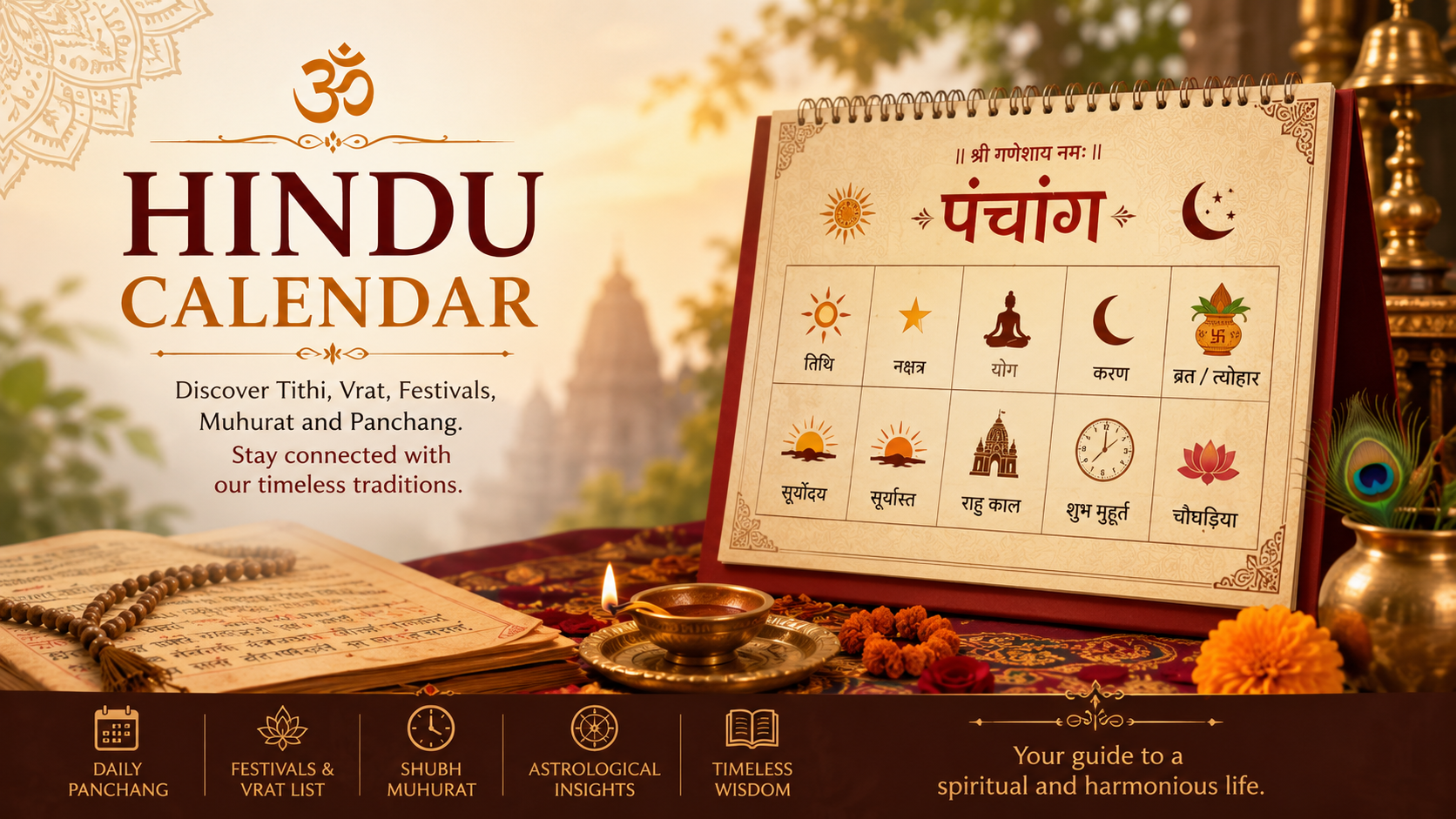
The Hindu calendar is a lunisolar calendar, meaning it accounts for both the sun's movements (solar year) and the moon's phases (lunar months). It is intrinsically linked to the Panchang (literally "five limbs"), which provides daily astrological information based on five key elements:
- Tithi (Lunar Day): The angular distance between the sun and the moon.
- Nakshatra (Lunar Mansion): The specific constellation the moon is in.
- Yoga (Lunar Day Union): A specific astrological combination.
- Karana (Half Lunar Day): Half of a Tithi.
- Vaar (Day of the Week): The solar day.
Most Hindu festivals are determined by Tithis and Nakshatras. For example, Krishna Janmashtami is celebrated on the Ashtami Tithi of the Krishna Paksha (waning moon phase) in the month of Shravana. However, determining the exact start and end times of these Tithis in the USA requires adjustments from India's standard time.
Challenges of Applying Panchang in the USA
Living in the USA presents unique challenges for precisely observing Hindu festivals:
- Time Zones: The continental USA spans four major time zones (Eastern, Central, Mountain, Pacific), each differing by an hour. A festival's Tithi might start or end on a different calendar day depending on your local time zone.
- Daylight Saving Time (DST): Most of the USA observes DST, where clocks are moved forward by an hour in spring and back in fall. This shift can impact the local clock time of a Tithi's commencement or conclusion. In 2026, DST begins on Sunday, March 8, 2026, and ends on Sunday, November 1, 2026. Our timings will account for this where relevant.
- Regional Panchang Variations: Different regions of India follow slightly varied Panchang interpretations (e.g., Amanta/Purnimanta lunar month systems, rules for Tithi overlap at sunrise). While we strive for a widely accepted common calculation, local temple traditions might adhere to a specific regional Panchang from India.
Our Approach in this Guide
To provide maximum utility, the dates and timings in this guide are primarily based on calculations for the Eastern Time (ET) zone, which covers a significant portion of the USA's Hindu population. For devotees in other time zones, you will need to adjust these timings accordingly:
- Central Time (CT): Subtract 1 hour from ET.
- Mountain Time (MT): Subtract 2 hours from ET.
- Pacific Time (PT): Subtract 3 hours from ET.
We strongly advise devotees to consult with their local temple priests or community leaders for the most precise local timings, as they often follow a specific tradition (Sampradaya) and can provide guidance tailored to your immediate community.
Key Considerations for 2026 Hindu Festivals in USA
Time Zone Adjustments
Always remember that the precise moment a Tithi or Nakshatra begins or ends shifts as you move across time zones. For instance, if a Tithi ends at 10:00 AM ET, it would end at 9:00 AM CT, 8:00 AM MT, and 7:00 AM PT on the same calendar day (unless the shift pushes it to the previous/next day locally).
Daylight Saving Time (DST) Impact in 2026
Most of the United States observes Daylight Saving Time (DST). In 2026, DST begins on Sunday, March 8, 2026, at 2:00 AM local time (clocks move forward one hour to 3:00 AM). It ends on Sunday, November 1, 2026, at 2:00 AM local time (clocks move back one hour to 1:00 AM). When a festival falls within this period, the timings provided will reflect the adjusted DST clock time.
Regional Panchang Differences
While this guide uses a widely accepted Panchang methodology, it's important to be aware of regional variations. For example, festivals based on the beginning of a new lunar month can differ. Northern Indian traditions often follow the Purnimanta system (month ends on Purnima), while Southern Indian traditions often follow the Amanta system (month ends on Amavasya). This can cause certain festivals to be celebrated a month earlier or later in different traditions, though major festivals usually align closely.
Major Hindu Festivals in 2026: USA Adjusted Dates & Times
Here is a detailed calendar of significant Hindu festivals for 2026, with dates and key timings adjusted for the USA, primarily focusing on Eastern Time (ET). Please remember to adjust these timings for your local time zone and account for DST where applicable.
January 2026
-
Makar Sankranti
- Date: Wednesday, January 14, 2026
- Punya Kaal Muhurta (ET): 07:22 AM - 05:43 PM
- Mahapunya Kaal Muhurta (ET): 07:22 AM - 09:05 AM
- Significance: A solar festival marking the sun's transition into Capricorn (Makara Rashi), signifying the end of winter and the beginning of longer days. It's celebrated with kite flying, holy dips in rivers, and offering sesame and jaggery.
- Practical Tip: Many temples organize special pujas and community events. Prepare til-gud (sesame and jaggery sweets) at home.
February 2026
-
Vasant Panchami
- Date: Saturday, February 7, 2026
- Panchami Tithi Begins (ET): February 6, 02:40 PM
- Panchami Tithi Ends (ET): February 7, 01:25 PM
- Significance: Dedicated to Goddess Saraswati, the deity of knowledge, music, arts, and wisdom. Students and artists seek her blessings. People often wear yellow, offer yellow flowers, and place books/instruments before the Goddess.
- Practical Tip: Dedicate this day to learning, starting new educational ventures, or engaging in creative pursuits. Offer prayers to Saraswati Devi at home or temple.
-
Maha Shivaratri
- Date: Tuesday, February 24, 2026
- Nishita Kaal Puja Time (ET): 11:53 PM (Feb 24) - 12:44 AM (Feb 25)
- Chaturdashi Tithi Begins (ET): February 24, 02:30 AM
- Chaturdashi Tithi Ends (ET): February 25, 01:05 AM
- Significance: The "Great Night of Shiva," commemorating the day Lord Shiva performed the Tandava and the day Shiva and Parvati were married. Devotees observe fasts, perform Abhishek (ritual bathing) of the Shiva Lingam, chant "Om Namah Shivaya," and stay awake all night.
- Practical Tip: Many temples host elaborate four-Pahar pujas through the night. If observing at home, maintain a fast, perform simple puja with water, milk, bilva leaves, and incense, and chant Shiva mantras.
March 2026
-
Holika Dahan
- Date: Monday, March 2, 2026
- Holika Dahan Muhurta (ET): 06:05 PM - 08:35 PM
- Purnima Tithi Begins (ET): March 2, 01:25 PM
- Purnima Tithi Ends (ET): March 3, 11:55 AM
- Significance: Precedes Holi. A bonfire is lit to symbolize the burning of the demoness Holika, representing the triumph of good over evil (Prahlad's devotion over Holika's malice).
-
Rangwali Holi (Dhuleti)
- Date: Tuesday, March 3, 2026
- Significance: The vibrant "Festival of Colors" where people playfully throw colored powders (gulal) and water at each other, share sweets, and celebrate the arrival of spring, love, and new beginnings.
- Practical Tip: Check local community centers or temples for organized Holi celebrations. Participate responsibly and joyfully.
-
Chaitra Navratri / Gudi Padwa / Ugadi
- Date: Saturday, March 21, 2026
- Pratipada Tithi Begins (ET): March 20, 09:20 PM
- Pratipada Tithi Ends (ET): March 21, 07:05 PM
- Significance: The beginning of the Hindu New Year in many parts of India. Chaitra Navratri is a nine-day festival dedicated to the nine forms of Goddess Durga. Gudi Padwa (Maharashtra) and Ugadi (Andhra Pradesh, Telangana, Karnataka) are celebrated with traditional feasts, hoisting Gudi (decorated pole), and preparing specific dishes.
- Practical Tip: Clean your home, decorate your puja altar, observe fasting (if traditional), and participate in Navratri pujas at home or local temples.
April 2026
-
Rama Navami
- Date: Sunday, March 29, 2026
- Rama Navami Muhurta (ET): 11:10 AM - 01:45 PM
- Navami Tithi Begins (ET): March 28, 09:25 PM
- Navami Tithi Ends (ET): March 29, 07:20 PM
- Significance: Celebrates the birth of Lord Rama, the seventh incarnation of Vishnu. Devotees observe fasts, recite the Ramayana, perform Kirtans, and visit temples.
- Practical Tip: Recite the Ram Raksha Stotra or Sundarkand. Many temples organize special bhajans and a 'palna' ceremony for baby Rama.
-
Hanuman Jayanti
- Date: Tuesday, April 7, 2026
- Purnima Tithi Begins (ET): April 6, 04:05 PM
- Purnima Tithi Ends (ET): April 7, 01:30 PM
- Significance: Marks the birth of Lord Hanuman, the epitome of strength, devotion, and selfless service. Devotees visit Hanuman temples, recite Hanuman Chalisa, and offer ladoos.
- Practical Tip: Chant Hanuman Chalisa, Sundarkand, and offer red flowers and sindoor to Lord Hanuman.
-
Akshaya Tritiya
- Date: Sunday, April 19, 2026
- Akshaya Tritiya Muhurta (ET): 06:10 AM - 01:05 PM
- Tritiya Tithi Begins (ET): April 19, 06:10 AM
- Tritiya Tithi Ends (ET): April 20, 03:55 AM
- Significance: Considered one of the most auspicious days in the Hindu calendar, when any new venture, purchase, or charity done is believed to bring everlasting prosperity and success. Many buy gold or start new businesses.
- Practical Tip: Invest in something new, perform charity, or begin a new spiritual practice.
July 2026
-
Jagannath Ratha Yatra
- Date: Sunday, July 5, 2026
- Dwitiya Tithi Begins (ET): July 4, 11:05 PM
- Dwitiya Tithi Ends (ET): July 6, 08:30 PM
- Significance: A grand procession of chariots carrying Lord Jagannath, Balabhadra, and Subhadra. Celebrated with immense fervor, especially by ISKCON devotees, with local parades and kirtans in various US cities.
- Practical Tip: Check with local ISKCON centers or temples for Ratha Yatra parades and participation opportunities.
-
Guru Purnima
- Date: Tuesday, July 21, 2026
- Purnima Tithi Begins (ET): July 21, 01:10 AM
- Purnima Tithi Ends (ET): July 22, 10:25 PM
- Significance: A day dedicated to honoring gurus (spiritual teachers and mentors). Disciples express gratitude for their wisdom and guidance.
- Practical Tip: Express gratitude to your teachers and mentors. Engage in spiritual contemplation or attend discourses.
August 2026
-
Raksha Bandhan
- Date: Saturday, August 15, 2026
- Raksha Bandhan Muhurta (ET): 01:30 PM - 09:30 PM
- Purnima Tithi Begins (ET): August 14, 11:45 PM
- Purnima Tithi Ends (ET): August 15, 08:30 PM
- Significance: Celebrates the bond of love and duty between brothers and sisters. Sisters tie a 'rakhi' (sacred thread) on their brothers' wrists, who in turn promise to protect them.
- Practical Tip: Send rakhis to siblings far away. Gather with family for this joyous celebration.
-
Krishna Janmashtami
- Date: Monday, August 25, 2026
- Nishita Kaal Puja Time (ET): 11:45 PM (Aug 25) - 12:35 AM (Aug 26)
- Ashtami Tithi Begins (ET): August 25, 12:40 AM
- Ashtami Tithi Ends (ET): August 26, 09:55 PM
- Significance: Celebrates the birth of Lord Krishna. Devotees observe fasts, decorate temples, sing devotional songs, and perform midnight Aarti.
- Practical Tip: Decorate a small swing (palna) for baby Krishna, observe a fast (often till midnight), and visit a local Krishna temple.
September 2026
-
Ganesh Chaturthi
- Date: Friday, September 12, 2026
- Madhyahna Puja Muhurta (ET): 11:00 AM - 01:30 PM
- Chaturthi Tithi Begins (ET): September 12, 01:00 AM
- Chaturthi Tithi Ends (ET): September 13, 08:45 PM
- Significance: A 10-day festival celebrating the birth of Lord Ganesha. Idols of Ganesha are installed in homes and public pandals, worshipped with offerings, and immersed in water bodies on the final day (Anant Chaturdashi).
- Practical Tip: Many communities organize elaborate Ganesh Utsavs. Participate in local public pujas or set up a small Ganesha murti at home for daily worship.
October 2026
-
Sharad Navratri Begins
- Date: Sunday, October 4, 2026
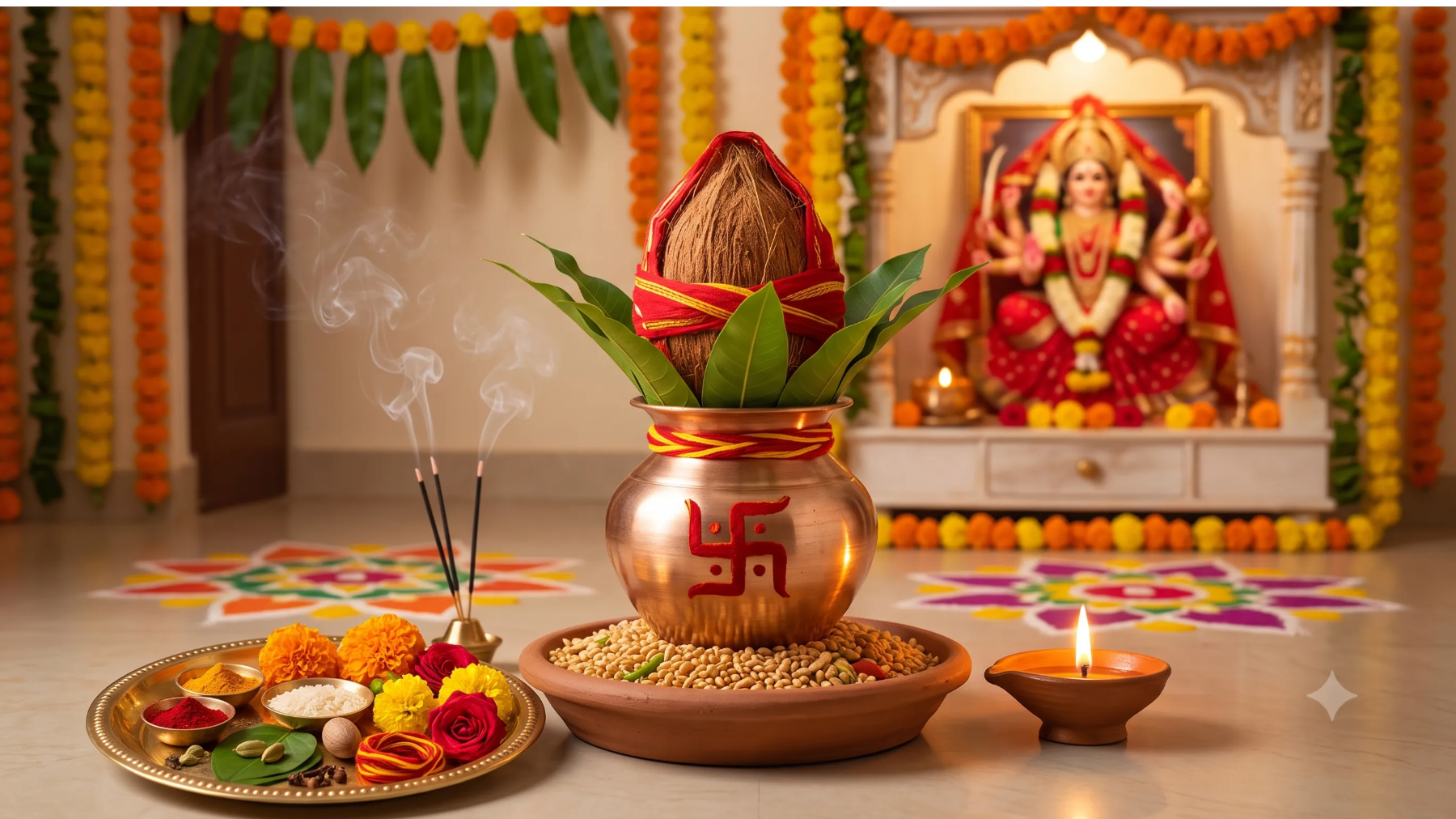
- Ghatasthapana Muhurta (ET): 07:05 AM - 08:30 AM
- Pratipada Tithi Begins (ET): October 4, 05:40 AM
- Pratipada Tithi Ends (ET): October 5, 02:45 AM
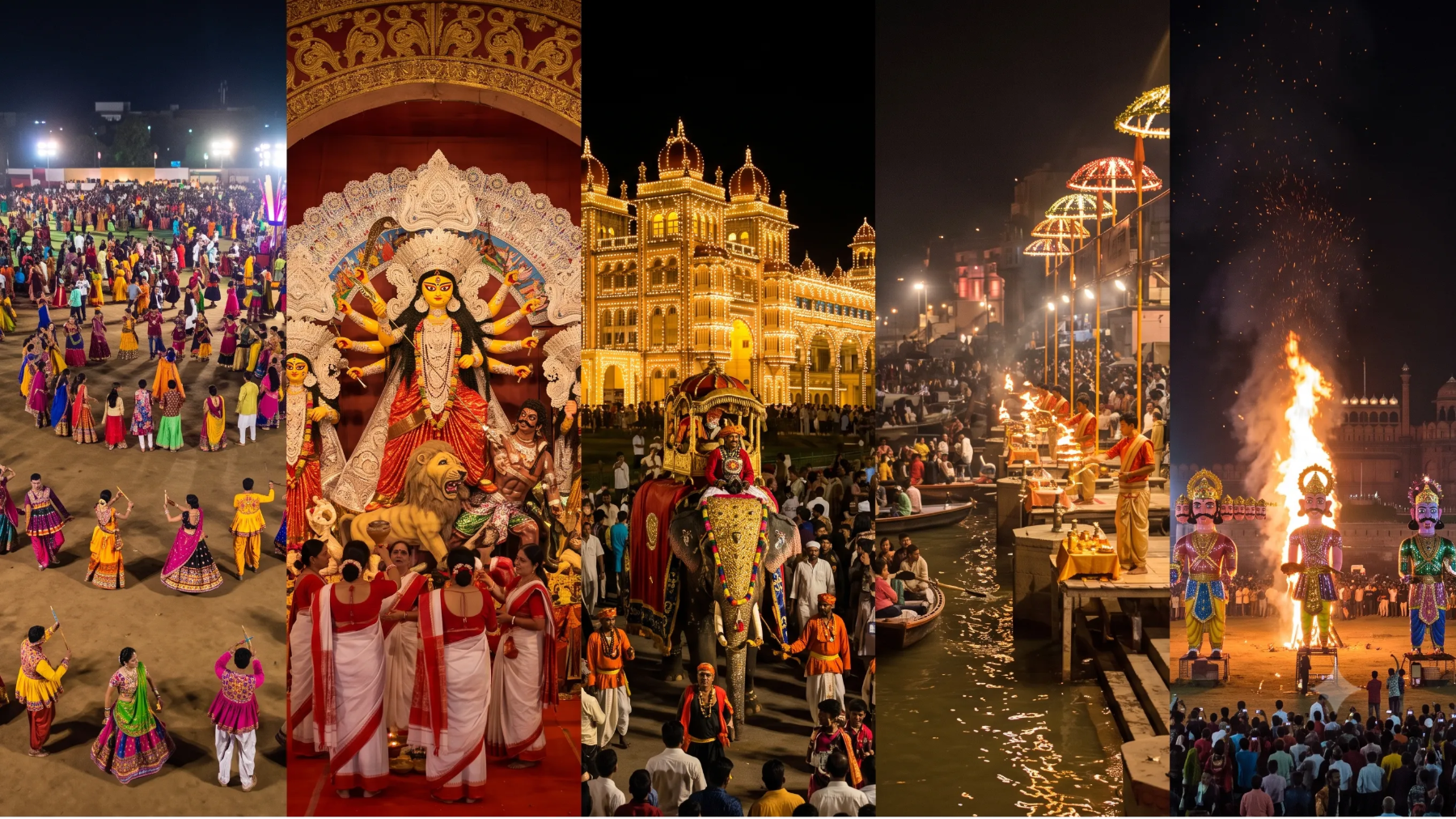
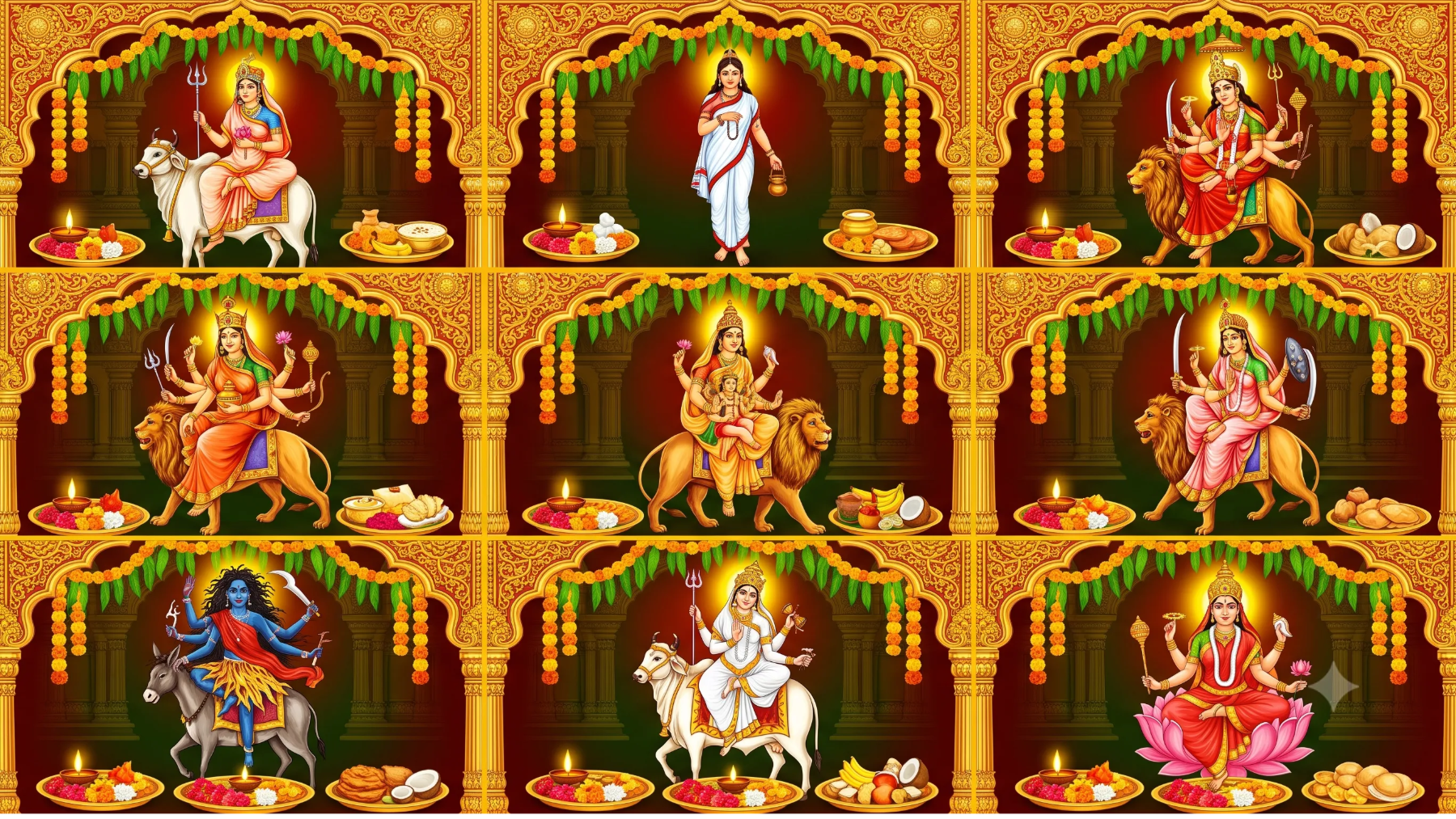
- Significance: The most significant Navratri, dedicated to Goddess Durga and her nine forms. Devotees observe fasting, perform pujas, and celebrate the divine feminine energy.
- Practical Tip: Observe fasting, perform daily Durga Saptashati path, and visit local temples for Aarti and Garba/Dandiya events.
-
Durga Ashtami (Maha Ashtami)
- Date: Sunday, October 11, 2026
- Ashtami Tithi Begins (ET): October 11, 01:30 AM
- Ashtami Tithi Ends (ET): October 12, 10:05 PM
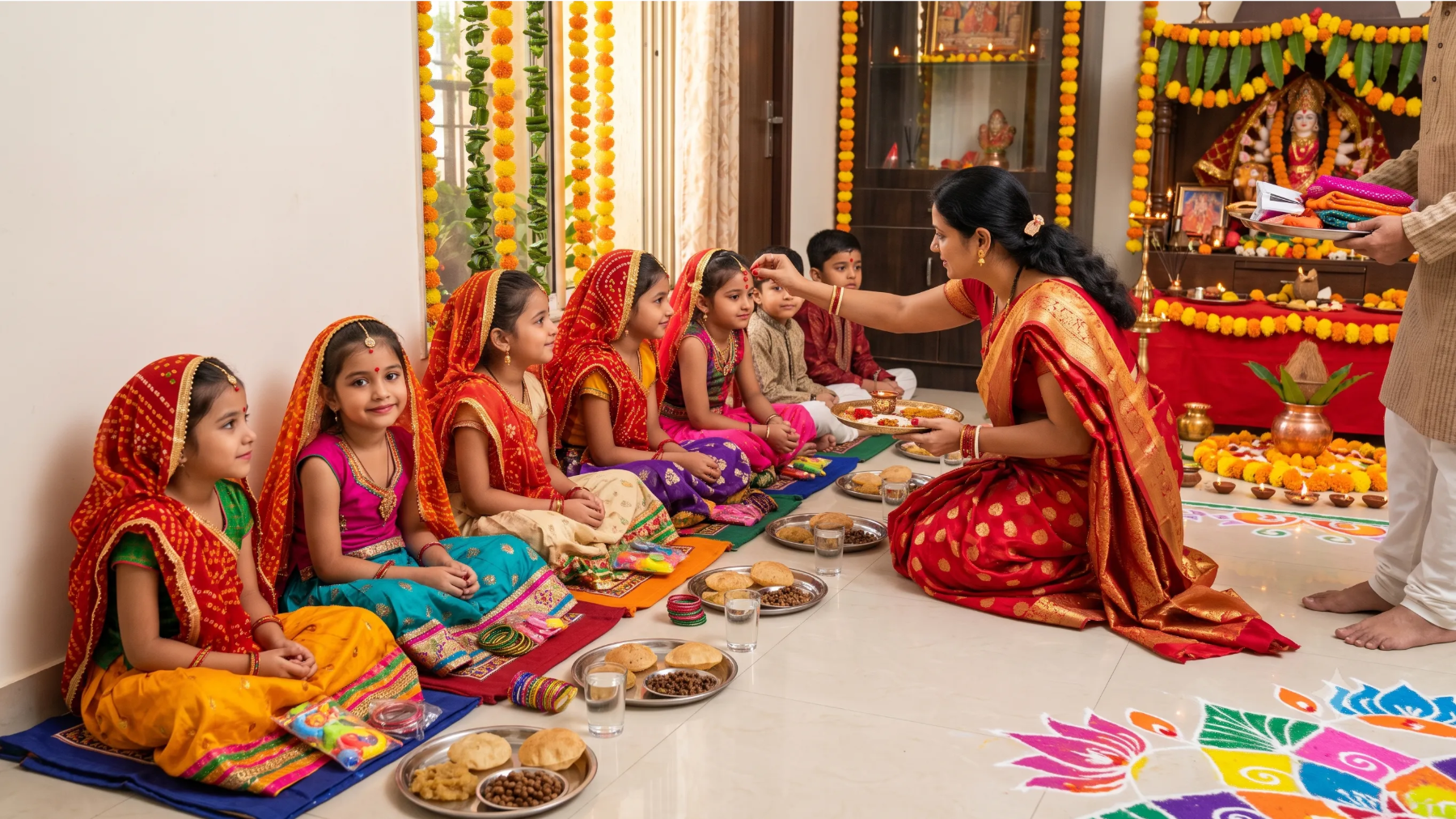
- Significance: The eighth day of Navratri, considered highly auspicious. Kumari Puja (worshipping young girls as forms of the Goddess) and Sandhi Puja (at the junction of Ashtami and Navami) are performed.
-
Maha Navami
- Date: Monday, October 12, 2026
- Navami Tithi Begins (ET): October 12, 10:05 PM (Previous day's Ashtami extends until this time)
- Navami Tithi Ends (ET): October 13, 06:15 PM
- Significance: The ninth day of Navratri. Celebrates Durga's victory over Mahishasura. Ayudha Puja (worship of tools and weapons) is observed in some traditions.
-
Dussehra / Vijayadashami
- Date: Tuesday, October 14, 2026
- Vijay Muhurta (ET): 01:10 PM - 02:40 PM
- Dashami Tithi Begins (ET): October 13, 06:15 PM
- Dashami Tithi Ends (ET): October 14, 02:00 PM
- Significance: Celebrates Lord Rama's victory over Ravana and Goddess Durga's triumph over Mahishasura, symbolizing the victory of good over evil. Effigies of Ravana are burned, and processions are held.
- Practical Tip: Attend local Dussehra celebrations with Ravana Dahan (burning of Ravana's effigy) if available.
-
Karwa Chauth
- Date: Saturday, October 24, 2026
- Puja Muhurta (ET): 05:40 PM - 06:50 PM
- Moonrise (ET): Approx. 07:50 PM (will vary by exact location)
- Chaturthi Tithi Begins (ET): October 24, 05:05 AM
- Chaturthi Tithi Ends (ET): October 25, 02:40 AM
- Significance: Married women observe a day-long fast for the longevity and well-being of their husbands. The fast is broken after sighting the moon and performing specific rituals.
- Practical Tip: Check precise local moonrise timings for your specific city. Many communities organize group Karwa Chauth celebrations.
November 2026 (Diwali Festivities)
Note: Daylight Saving Time ends on November 1, 2026. Timings from this date onwards will be in Standard Time (EST).
-
Dhanteras
- Date: Monday, October 27, 2026 (based on Trayodashi Tithi)
- Dhanteras Puja Muhurta (ET): 06:05 PM - 07:30 PM
- Trayodashi Tithi Begins (ET): October 27, 04:30 AM
- Trayodashi Tithi Ends (ET): October 28, 01:45 AM
- Significance: The first day of Diwali. Dedicated to wealth and prosperity, devotees worship Lord Kubera and Goddess Lakshmi. It's considered auspicious to buy gold, silver, or new utensils.
-
Diwali (Lakshmi Puja)
- Date: Wednesday, October 29, 2026
- Lakshmi Puja Muhurta (ET): 06:00 PM - 08:00 PM
- Amavasya Tithi Begins (ET): October 29, 10:15 AM
- Amavasya Tithi Ends (ET): October 30, 07:10 AM
- Significance: The most widely celebrated Hindu festival, symbolizing the victory of light over darkness and good over evil. Goddess Lakshmi is worshipped for wealth and prosperity. Homes are lit with lamps and adorned with rangolis.
- Practical Tip: Clean and decorate your home, light diyas and candles, perform Lakshmi Puja with family, and enjoy festive sweets and fireworks responsibly.
-
Govardhan Puja / Annakoot
- Date: Thursday, October 30, 2026
- Govardhan Puja Muhurta (ET): 06:00 AM - 08:30 AM
- Pratipada Tithi Begins (ET): October 30, 07:10 AM
- Pratipada Tithi Ends (ET): October 31, 04:15 AM
- Significance: Celebrates Lord Krishna lifting the Govardhan Hill to protect the villagers from Indra's wrath. Devotees prepare a mountain of food (Annakoot) as an offering to Krishna.
-
Bhai Dooj
- Date: Friday, October 31, 2026
- Bhai Dooj Muhurta (ET): 12:45 PM - 02:40 PM
- Dwitiya Tithi Begins (ET): October 31, 04:15 AM
- Dwitiya Tithi Ends (ET): November 1, 01:10 AM
- Significance: Another festival celebrating the brother-sister bond, where sisters pray for their brothers' long lives and prosperity, and brothers give gifts.
- Practical Tip: Similar to Raksha Bandhan, this is a day for family bonding.
-
Chhath Puja
- Date (Main Day - Sandhya Arghya): Monday, November 3, 2026
- Sunrise (ET): Approx. 06:55 AM
- Sunset (ET): Approx. 04:55 PM
- Significance: A major ancient Vedic festival dedicated to the Sun God (Surya Devta) and Chhathi Maiya (Usha, the dawn goddess) for prosperity and well-being. Observances involve rigorous fasting, holy bathing, and offering prayers to the rising and setting sun.
- Practical Tip: Look for local Chhath Puja gatherings, often organized near lakes or rivers in communities with significant Bihari and Eastern UP populations.
-
Kartik Purnima
- Date: Saturday, November 15, 2026
- Purnima Tithi Begins (ET): November 14, 09:30 PM
- Purnima Tithi Ends (ET): November 15, 06:50 PM
- Significance: Also known as Dev Diwali (Diwali of the Gods), it marks the day Lord Shiva vanquished the demon Tripurasura. Auspicious for bathing in holy rivers, performing charity, and offering lamps.
- Practical Tip: Light lamps (diyas) and engage in charitable acts.
December 2026
-
Mokshada Ekadashi / Gita Jayanti
- Date: Thursday, December 24, 2026
- Ekadashi Tithi Begins (ET): December 23, 08:50 PM
- Ekadashi Tithi Ends (ET): December 24, 07:45 PM
- Significance: Mokshada Ekadashi is an auspicious day for fasting to attain salvation. Gita Jayanti celebrates the day Lord Krishna imparted the Bhagavad Gita to Arjuna on the battlefield of Kurukshetra.
- Practical Tip: Observe a fast (if possible), read or listen to the Bhagavad Gita, and reflect on its teachings.
Practical Guidance for Devotees in the USA
Observing Hindu festivals in the USA requires adaptability and connection to local resources:
- Consult Local Temples and Priests: This is paramount. Your local temple priest will provide the most accurate timings and rituals specific to your community's tradition (Sampradaya) and local time zone. They can also guide you on specific offerings and protocols.
- Leverage Online Panchang Tools: Websites and apps like Drik Panchang, AstroSage, or Purnima.com (often for specific regions/traditions) can be useful for initial checks. Always input your specific city and country to get localized timings. Cross-reference multiple sources if possible.
- Engage with Community Organizations: Join local Hindu associations, cultural groups, or temple mailing lists. These communities often organize collective celebrations, especially for major festivals, and can provide invaluable local support and information.
- Observing Festivals at Home: If temple visits aren't feasible, create a sacred space at home. Perform simple pujas, light lamps, offer flowers and fruits, chant mantras, and recite relevant scriptures. The essence of devotion lies in the sincerity of the heart.
- Managing Work and School: Hindu festivals are typically not federal holidays in the USA. Plan ahead by discussing with employers or schools. Many are understanding if informed in advance about religious observances or fasting.
- Regional Food and Supplies: Indian grocery stores across the USA often stock festival-specific ingredients and puja items. Plan your purchases in advance.
Understanding Variances and Adjustments
It is natural for slight variations to exist in festival dates and timings. These are often due to:
- Different Panchang Calculation Methods: Some Panchangs may use different astronomical algorithms or rules for handling Tithi overlaps at sunrise/sunset.
- Sampradaya-Specific Observances: Certain traditions or sects within Hinduism might follow specific rules that slightly alter a festival date (e.g., Vaishanava vs. Smarta Ekadashis).
- Daylight Saving Time: As mentioned, the transition into and out of DST can shift local clock times by an hour, potentially making a Tithi start or end on a different calendar date locally if it falls precisely around midnight. Our provided timings account for DST where applicable for the ET zone, but always confirm for your exact local clock.
In all cases, remember that the spirit of the festival, your devotion (Shraddha), and your intent are paramount. If there are minor discrepancies, follow the guidance of your local temple or your family's tradition.
Conclusion
We hope this guide serves as a valuable resource for all Hindu devotees in the United States as you plan your spiritual year in 2026. Celebrating our rich tapestry of festivals, even across continents, strengthens our cultural identity, reinforces our values, and connects us to the divine.
May your observances be filled with joy, devotion, and blessings. May the year 2026 bring you peace, prosperity, and spiritual growth. We encourage you to engage actively with your local Hindu community, share in the collective spirit of celebration, and continue to nurture the vibrant Sanatana Dharma tradition in the heart of America.
संबंधित तस्वीरें (Related Images)
अक्सर पूछे जाने वाले प्रश्न (FAQ)
Q: What is the primary purpose of this 2026 Hindu Festivals guide for the USA?
The guide aims to provide accurate, Panchang-based dates and timings for major Hindu festivals in the United States during 2026, meticulously adjusted for USA time zones.
Q: What calendar system is used to determine Hindu festivals?
Hindu festivals are determined by the Hindu calendar, which is a lunisolar calendar accounting for both the sun's movements and the moon's phases.
Q: What is the Panchang and what does it provide?
The Panchang, meaning "five limbs," provides daily astrological information based on five key elements crucial for determining auspicious times.
Q: What are the five key elements that constitute the Panchang?
The five key elements are Tithi (Lunar Day), Nakshatra (Lunar Mansion), Yoga (Lunar Day Union), Karana (Half Lunar Day), and Vaar (Day of the Week).
Q: How are most Hindu festivals specifically determined within the Panchang system?
Most Hindu festivals are primarily determined by the Tithis (Lunar Days) and Nakshatras (Lunar Mansions).
Q: Can you provide an example of how a Hindu festival date is determined?
Krishna Janmashtami, for instance, is celebrated on the Ashtami Tithi of the Krishna Paksha (waning moon phase) in the month of Shravana.
Q: Why is it challenging to apply traditional Panchang calculations in the USA?
Applying traditional Panchang calculations in the USA is challenging due to multiple time zones, the observance of Daylight Saving Time (DST), and regional Panchang variations.
Q: How do the different time zones in the USA affect Hindu festival observances?
The continental USA spans four major time zones, meaning a festival's Tithi might start or end on a different calendar day depending on the devotee's local time zone.
Q: What is Daylight Saving Time (DST) and how does it impact festival timings in the USA?
DST involves moving clocks forward or backward by an hour, which can directly impact the local clock time of a Tithi's commencement or conclusion for festival observances.
Q: When does Daylight Saving Time (DST) begin and end in the USA for the year 2026?
In 2026, Daylight Saving Time begins on Sunday, March 8, 2026, and ends on Sunday, November 1, 2026.
Q: What is a Tithi?
A Tithi is a lunar day, defined by the angular distance between the sun and the moon.
Q: What is a Nakshatra?
A Nakshatra, also known as a lunar mansion, refers to the specific constellation the moon is in.
Q: What are 'Regional Panchang Variations' as mentioned in the article?
Regional Panchang Variations refer to slightly different interpretations of the Panchang followed in various regions of India, such as Amanta/Purnimanta lunar month systems or rules for Tithi overlap at sunrise.
Q: Why is it important for this guide to make 'meticulous adjustments' for USA time zones and DST?
These adjustments are crucial to accurately apply ancient Panchang calculations to the vast geographical and temporal complexities of the USA, ensuring devotees can observe festivals with precision.
Q: Who is this guide primarily intended for?
This guide is primarily intended for followers of Sanatana Dharma living in the United States who wish to connect with their spiritual roots and celebrate their heritage with accurate timings.

Author
Praarthana Editorial Team
The Praarthana Editorial Team shares daily spiritual guidance, authentic rituals, and deep insights from ancient Sanatan scriptures to support your spiritual journey.
ऐप डाउनलोड करें
पंचांग तिथि, त्यौहार, व्रत, उत्सव, एकादशी, आरती संग्रह, मंत्र, व्रत कथा


एक टिप्पणी छोड़ें