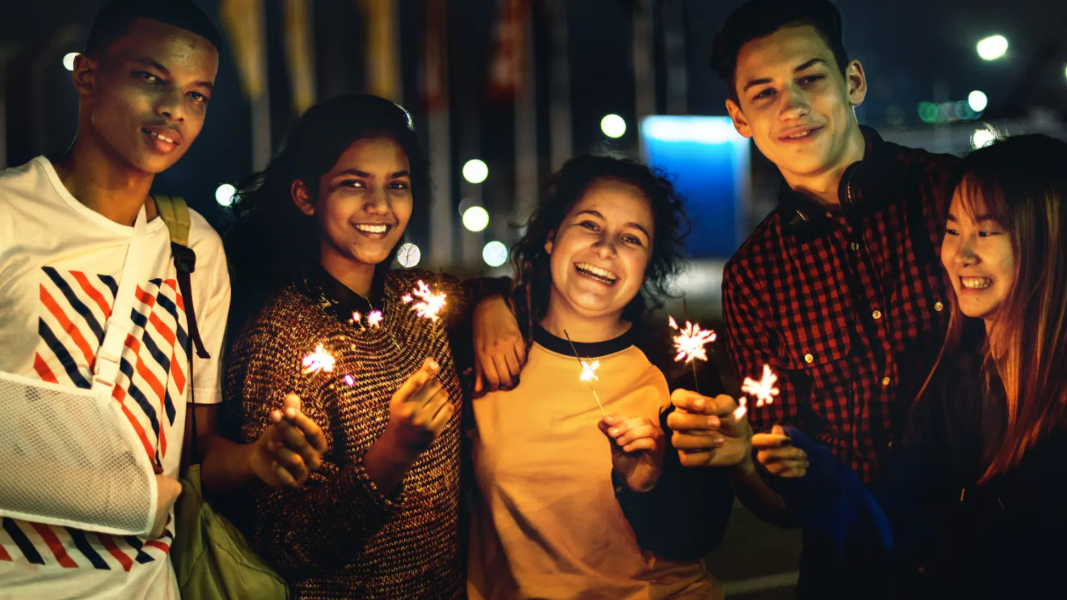
As the crisp autumn air begins to settle across the United States in late October or early November 2026, a spiritual warmth will ignite in millions of homes and communities. This is the time for Diwali, the magnificent Festival of Lights, a celebration that transcends geographical boundaries and resonates deeply within the hearts of Indian-Americans. Far from the bustling streets of India, Diwali in the USA has blossomed into a vibrant tapestry of tradition, community, and cultural fusion, symbolizing the enduring spirit of a diaspora determined to keep its heritage ablaze.
For the ever-growing Indian-American population, Diwali 2026 USA will be more than just a holiday; it will be a profound act of remembrance, a joyous family reunion, and a powerful statement of cultural identity. It's a time when homes are adorned with flickering diyas and intricate rangolis, temples echo with devotional hymns, and communities come alive with festive gatherings. This blog post explores how Indian-Americans are not just celebrating Diwali but are actively lighting up the Festival of Lights across America, blending ancient customs with new traditions, and sharing its profound spiritual message with an increasingly receptive mainstream audience.
Understanding Diwali: A Spiritual Foundation
At its heart, Diwali is a triumph of light over darkness, good over evil, and knowledge over ignorance. While observed differently across various regions and faiths within India, its core spiritual essence remains universal. For many Hindus, it commemorates Lord Rama's return to Ayodhya after vanquishing Ravana, symbolizing righteousness and victory. For others, it's dedicated to Lakshmi, the goddess of wealth and prosperity, seeking her blessings for the coming year. Jains celebrate it as the day Lord Mahavira attained Nirvana, and Sikhs observe Bandi Chhor Divas, marking the release of Guru Hargobind from prison.
Irrespective of the specific narrative, Diwali beckons introspection, renewal, and hope. It’s a time to cleanse one's mind, forgive, and embrace compassion. The lighting of lamps, symbolic of dispelling spiritual darkness, encourages individuals to cultivate inner light and share it with the world. This spiritual underpinning provides the bedrock for all Diwali celebrations in US, grounding them in a timeless wisdom that transcends any particular geographic location.
Diwali 2026 USA: A Cultural Tapestry Woven Across America
The journey of Diwali to the United States is a testament to the resilience and vibrancy of the Indian diaspora. What began as small, intimate family gatherings has expanded into sprawling community events, public celebrations, and even mainstream recognition. The transformation of Indian-American Diwali into a significant cultural event reflects not just the growth of the community but also its successful integration and contribution to the diverse fabric of American society.
Home is Where the Diyas Glow: Private Celebrations
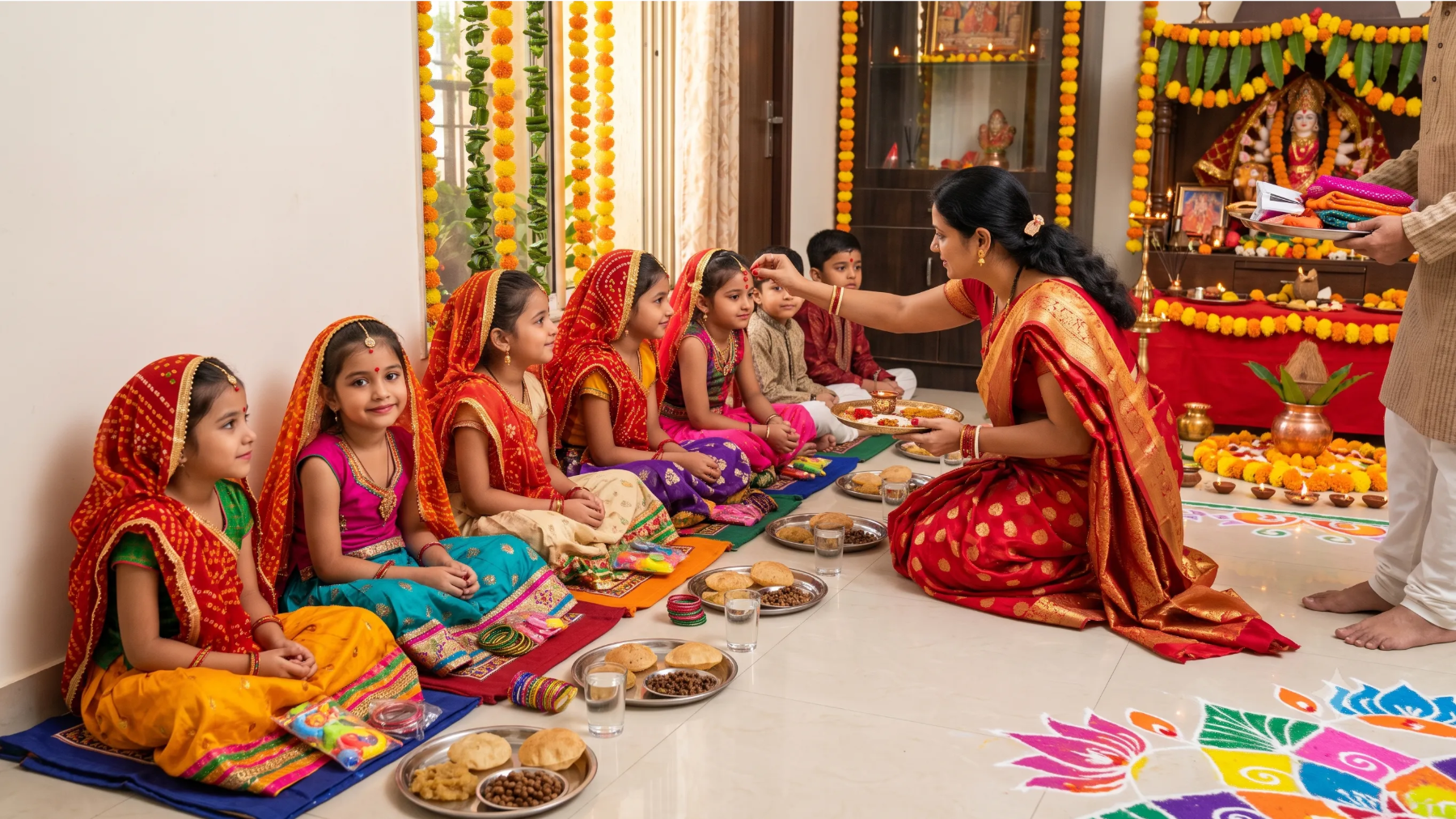
For most Indian-Americans, Diwali begins at home, where families meticulously recreate the festive atmosphere reminiscent of their homeland. The home becomes a sanctuary of light and devotion, a space where traditions are lovingly upheld and passed down.
- Decorations: A Symphony of Light and Color
Homes are transformed with an array of lights. Traditional clay diyas, symbolizing purity and goodness, are lit and placed strategically around the house, their gentle flickering flames casting a warm, inviting glow. These are often complemented by modern LED string lights, outlining windows and eaves, creating a dazzling display visible from afar. Intricate rangoli patterns, created with colored powders or flower petals, adorn entryways, welcoming guests and auspicious energies. Lanterns, both traditional and contemporary, hang from porches and ceilings, adding to the festive ambiance. - Puja and Prayer: Connecting with the Divine
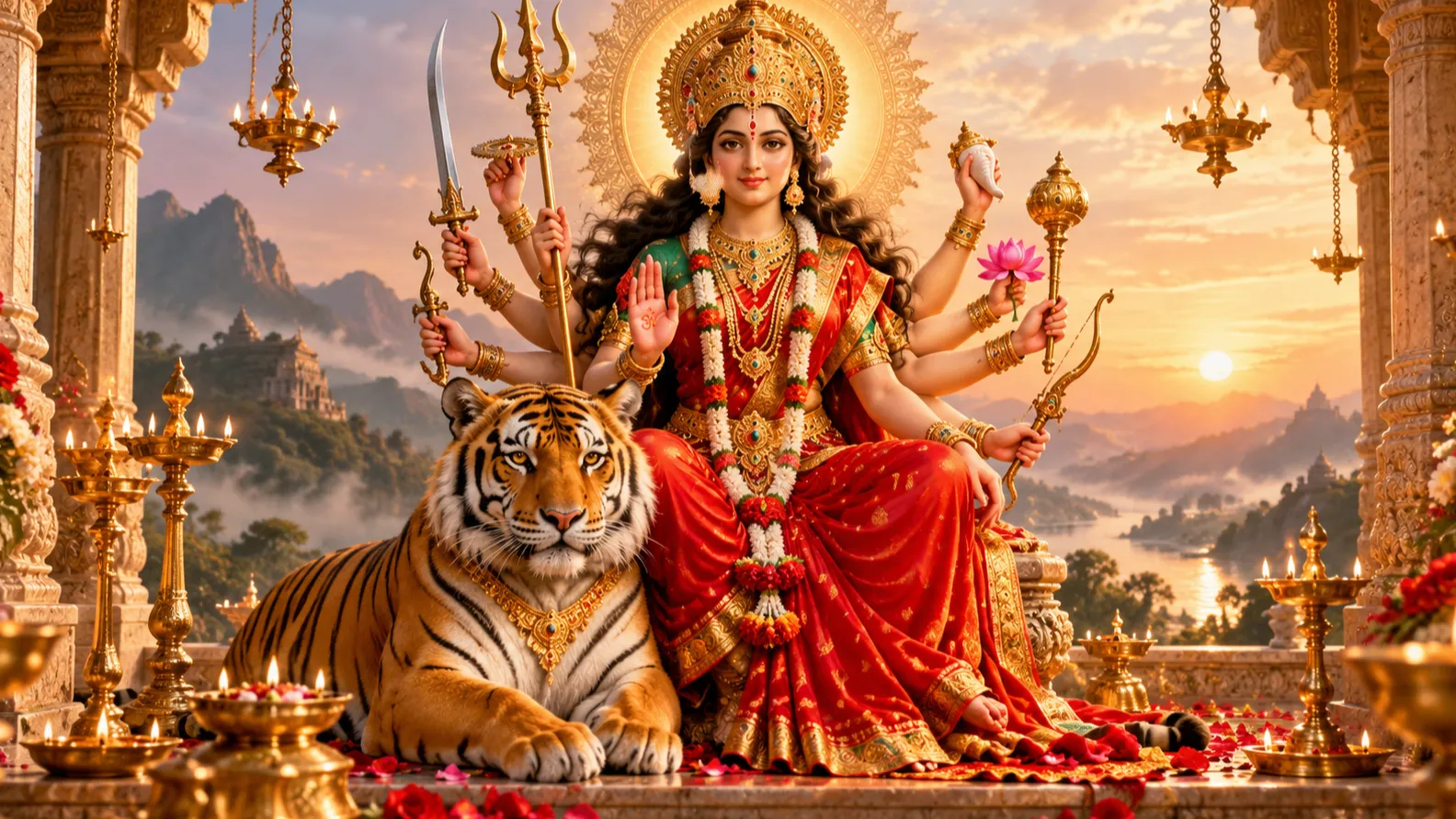
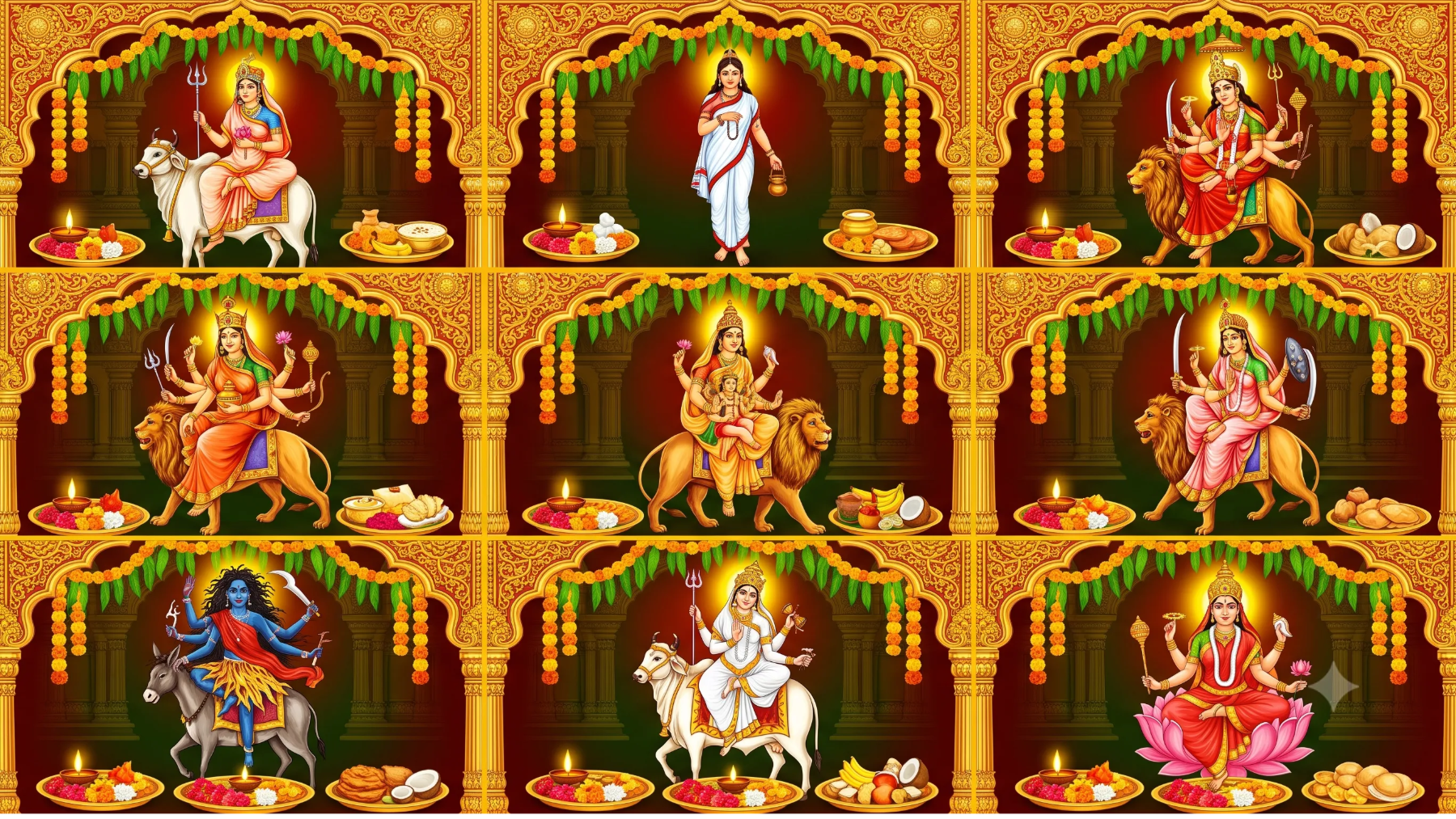
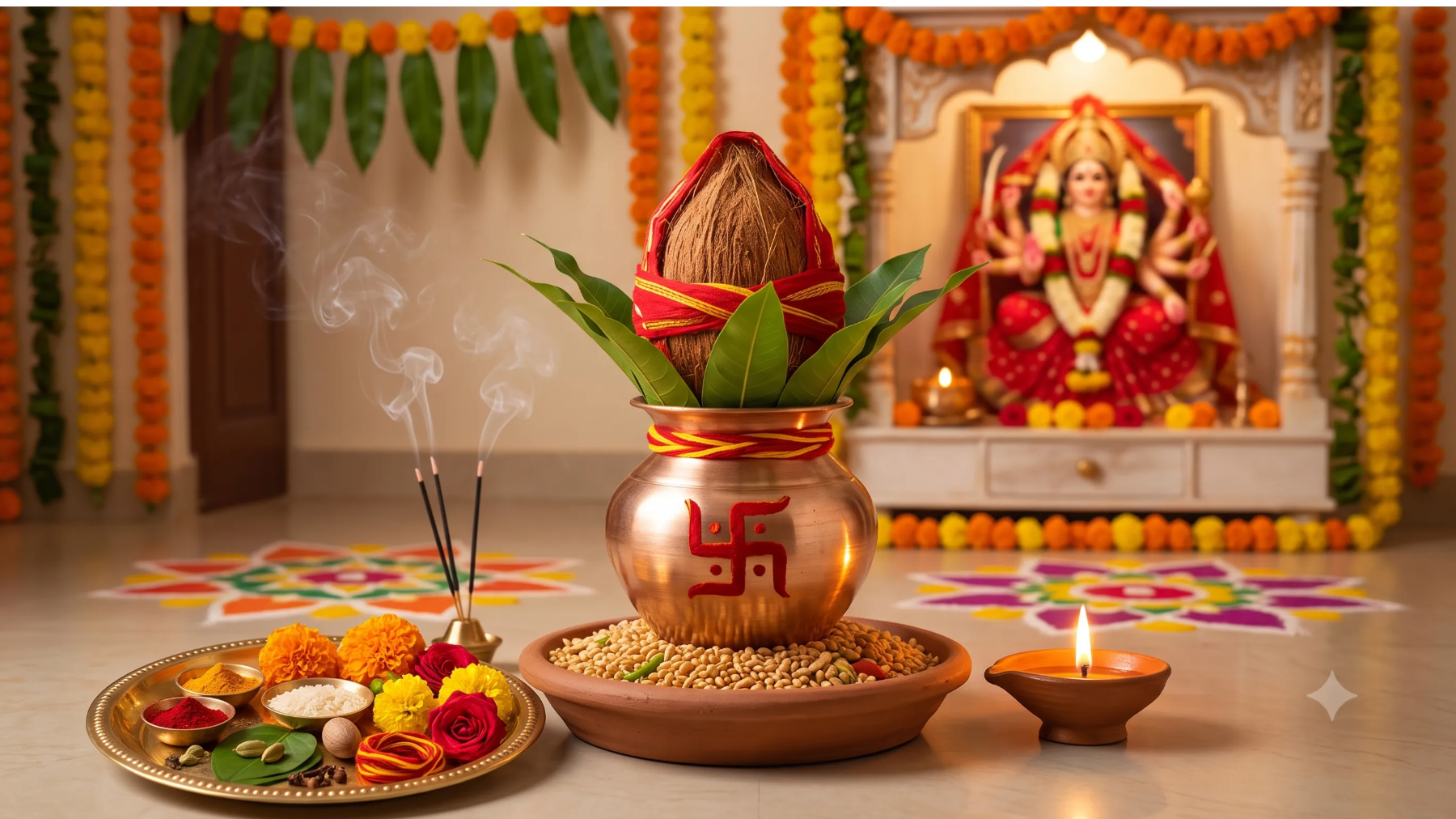
The spiritual core of Diwali is observed through elaborate pujas (prayer rituals). Families gather to invoke deities like Goddess Lakshmi, Lord Ganesha, and often Goddess Saraswati, seeking blessings for prosperity, wisdom, and well-being. Idols and framed pictures are adorned with fresh flowers, and offerings of sweets, fruits, and incense are made. The chanting of mantras, the ringing of bells, and the communal aarti (a ritual of worship with lamps) create a deeply spiritual atmosphere, connecting generations to their faith. - Food and Feasting: A Culinary Extravaganza
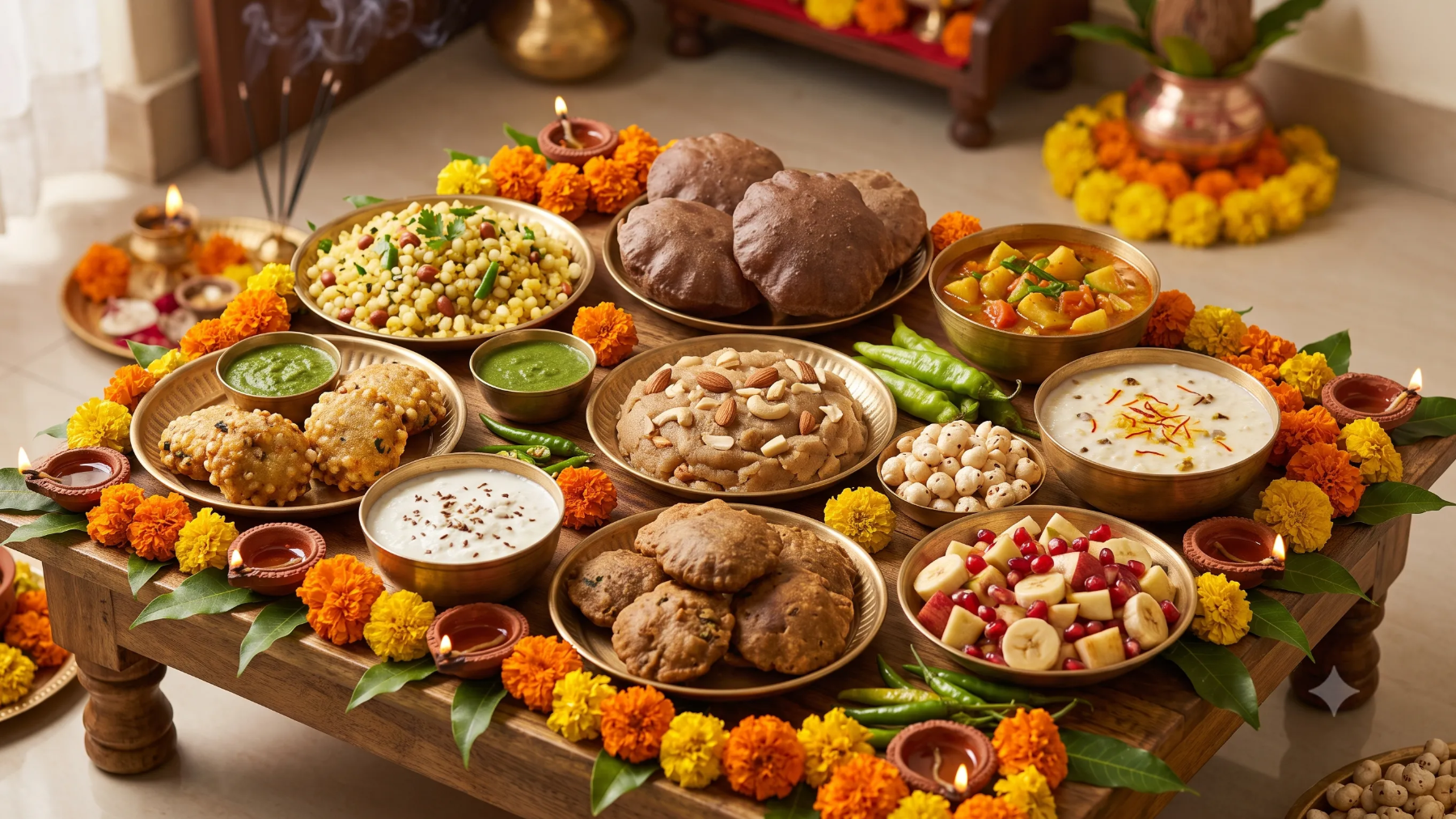
No Indian festival is complete without an abundance of food, and Diwali is no exception. Homes fill with the aromas of freshly prepared mithai (sweets) like ladoos, barfis, and gulab jamun, alongside savory snacks such as samosas, pakoras, and chevda. Traditional festive meals, often vegetarian, are prepared with love and shared with family and friends. For many busy families, this might involve ordering from local Indian restaurants or participating in community potlucks, showcasing the culinary diversity of India. - New Clothes and Gifts: Joyful Exchanges
The tradition of wearing new clothes, often vibrant ethnic wear like sarees, salwar kameez, and kurtas, adds to the festive spirit. Families visit Indian boutiques or shop online to find the perfect attire for the occasion. Exchanging gifts – ranging from sweets and dry fruits to clothing, jewelry, and even modern gadgets – is a cherished tradition that symbolizes love, generosity, and renewed bonds.
Community and Temple Celebrations: Collective Vibrancy
Beyond individual homes, the collective spirit of Diwali truly comes alive in community gatherings and temple celebrations. These events are vital for fostering a sense of belonging, especially for those far from their ancestral land.
- Temples as Cultural Hubs: Hindu temples, Sikh gurdwaras, and Jain centers across the USA become central hubs for diaspora Diwali traditions. They host elaborate multi-day pujas, kirtans, and spiritual discourses, drawing hundreds, sometimes thousands, of devotees. Community kitchens in gurdwaras (langar) serve free vegetarian meals, embodying the spirit of selfless service. Many temples organize cultural programs featuring classical Indian music and dance, engaging both young and old.
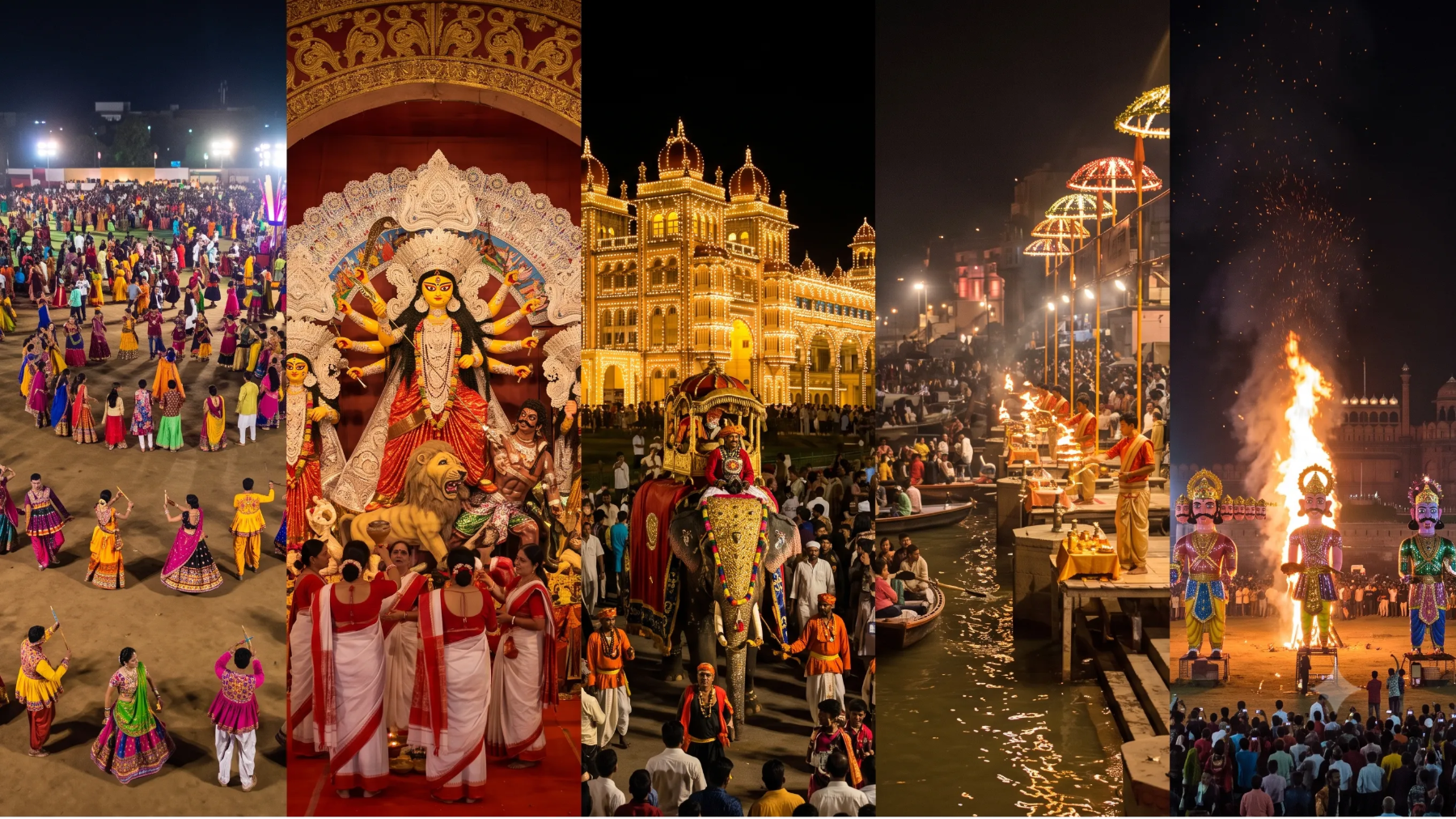
- Indian-American Associations: Various Indian-American community organizations play a crucial role in organizing large-scale public events. These often take the form of "Diwali Melas" or "Diwali Festivals" in major cities with significant Indian populations, such as Edison, New Jersey; Houston, Texas; and Fremont, California. These melas feature a kaleidoscope of activities:
- Food stalls offering diverse regional Indian cuisines.
- Bazaars selling traditional clothing, jewelry, handicrafts, and festive decor.
- Live performances of Bollywood dances, folk music, and theatrical skits.
- Children's activities, face painting, and storytelling sessions.
- Spectacular fireworks displays, where permitted, bringing the night sky alive with color and light.
- Blending with Local Culture: These community events increasingly welcome and educate non-Indian neighbors and friends, fostering cross-cultural understanding and appreciation. It's not uncommon to see a truly diverse crowd enjoying the festivities, learning about the significance of Diwali, and partaking in the joyous atmosphere.
Cultural Fusion: Diwali with an American Flair
One of the most fascinating aspects of Diwali in the USA is the seamless integration of traditional customs with American cultural elements, resulting in a unique cultural fusion Diwali. This blending is a testament to the adaptability and creativity of Indian-Americans in preserving their heritage while embracing their American identity.
- Decorations: While diyas remain central, many homes also incorporate elements of the American fall season, such as pumpkins painted with rangoli designs or wreaths adorned with Diwali motifs. LED lights, a staple of American holiday decorating, are widely used alongside traditional Indian lanterns.
- Food: Potlucks might feature traditional Indian dishes alongside American favorites or even fusion creations like "Diwali-spiced" desserts. Local bakeries and caterers are increasingly offering Diwali-themed treats, reflecting the growing demand.
- Entertainment: Community programs often feature a mix of classical Indian dance forms like Bharatanatyam or Kathak alongside energetic Bollywood dance routines and even American contemporary music performances.
- School Celebrations: American schools, particularly in diverse areas, now frequently acknowledge Diwali. Children come to school dressed in traditional Indian attire, share stories about the festival, and sometimes even lead craft activities like making paper diyas, educating their classmates about their heritage.
- Gift Giving: While traditional gifts are exchanged, gift cards to popular American stores or online retailers are also common, reflecting modern consumption patterns.
Passing the Torch: Cultural Preservation and Transmission
Celebrating Diwali away from India carries a profound significance: it becomes a conscious act of cultural preservation and transmission. For Indian-American parents, instilling the values and traditions of Diwali in their children is paramount.
- For Younger Generations: Diwali serves as a crucial bridge for children to connect with their roots. Parents involve them in every aspect – from making rangolis and lighting diyas to preparing sweets and participating in pujas. Storytelling about the mythological origins of Diwali helps them understand the deeper meaning. The shared joy and communal experience of the festival strengthen their cultural identity and pride, countering the potential for cultural disconnect in a predominantly Western environment.
- Challenges and Triumphs: The diaspora faces unique challenges. Access to specific ingredients, authentic decorations, or even finding a day off from school or work for major puja days can be difficult. However, these challenges often lead to innovative solutions, such as online ethnic stores, DIY decor projects, and community advocacy for school holidays. The triumph lies in the vibrant and sustained celebration, which often creates an even stronger sense of community and a more deliberate engagement with heritage.
The Growing Mainstream Recognition of Diwali in the USA
The increasing visibility and acknowledgment of Diwali beyond the Indian-American community is a clear indicator of its growing mainstream recognition. This signifies a broader understanding and appreciation of diverse cultures within the United States, truly lighting up USA Diwali for everyone.
- Political Recognition: For years, the White House has hosted Diwali celebrations, with presidents and vice presidents extending greetings to the Indian-American community. Congressional leaders also host annual events, underscoring the political and cultural significance of the festival.
- US Postal Service Stamp: A landmark moment was the issuance of a Diwali stamp by the U.S. Postal Service, a powerful symbol of its place in the American cultural landscape.
- Corporate Acknowledgment: Many large corporations with diverse workforces now acknowledge Diwali, sending out festive greetings, organizing internal celebrations, or offering flexible work arrangements for employees observing the festival. Retailers, too, have started stocking Diwali-related products, from decor to ingredients.
- Media Coverage: Major news outlets increasingly feature stories about Diwali, explaining its significance and showcasing local celebrations, thereby educating a wider American audience.
- New York City School Holiday: Perhaps one of the most significant developments is the declaration of Diwali as an official school holiday in New York City. This move recognizes the substantial Indian-American population and ensures that children can celebrate their cultural heritage without missing school, setting a precedent for other diverse cities.
Unique Celebrations and Innovations for Diwali 2026 USA
Looking ahead to Diwali 2026 USA, we can anticipate continued evolution and innovation in celebrations:
- Hybrid Events: Building on lessons from recent years, a blend of in-person gatherings and virtual components (live-streamed pujas, online cultural performances) will likely continue, allowing wider participation for those unable to attend physically.
- Eco-Friendly Diwali: There's a growing consciousness around sustainable celebrations. We may see an increased emphasis on eco-friendly fireworks, reusable decorations, and waste reduction efforts in community events.
- Cross-Cultural Collaborations: Expect more joint events with other cultural groups, fostering interfaith dialogue and shared festivities that celebrate diversity in all its forms.
- Public Art Installations: Cities might witness more Diwali-themed public art installations or light displays, transforming urban spaces into vibrant canvases of festive light.
The Spiritual Radiance of Diwali in America
Ultimately, the celebration of Diwali in America is a testament to the enduring power of faith and culture. Despite being thousands of miles from their homeland, Indian-Americans have not only preserved their traditions but have also enriched them, adapting them to a new cultural context. The act of lighting a diya in an American home, performing a puja in a temple built on American soil, or sharing mithai with American neighbors carries a profound spiritual resonance.
It's a declaration that आध्यात्मिकता knows no borders, that culture is a living, evolving entity, and that the light of hope, peace, and prosperity can indeed shine brightly, illuminating every corner of the world. For Indian-Americans Diwali is a deeply personal and collective spiritual journey, a beacon that guides them, connects them to their heritage, and reminds them of the universal truths of love, light, and goodness.
The Enduring Glow: Diwali 2026 and Beyond
As Diwali 2026 USA approaches, the excitement builds for a festival that epitomizes the strength and adaptability of the Indian-American community. It's a celebration where ancient rituals meet modern innovations, where the warmth of tradition intertwines with the vibrancy of American life. From intimate family gatherings to grand public spectacles, Diwali in the USA is a powerful affirmation of cultural identity, a joyful embrace of community, and a spiritual journey that continues to illuminate hearts and minds.
The Festival of Lights in America is not just a reflection of Indian heritage; it is a radiant contribution to the mosaic of American culture, a shining example of how diverse traditions can enrich and uplift an entire nation. The flickering diyas and brilliant fireworks of Diwali will continue to remind us that light, indeed, always triumphs, paving the way for a brighter, more connected future for all.
अक्सर पूछे जाने वाले प्रश्न (FAQ)
Q: When is Diwali 2026 expected to be celebrated in the USA?
Diwali 2026 is expected to be celebrated in late October or early November 2026 across the United States.
Q: What does Diwali symbolize at its core?
At its heart, Diwali symbolizes the triumph of light over darkness, good over evil, and knowledge over ignorance.
Q: How do various faiths interpret the significance of Diwali?
For many Hindus, it commemorates Lord Rama's return to Ayodhya or is dedicated to Lakshmi. Jains celebrate it as the day Lord Mahavira attained Nirvana, and Sikhs observe Bandi Chhor Divas, marking the release of Guru Hargobind from prison.
Q: What are some common traditions and activities observed during Diwali in the USA?
Homes are adorned with flickering diyas and intricate rangolis, temples echo with devotional hymns, and communities come alive with festive gatherings.
Q: How has Diwali's celebration evolved in the United States?
What began as small, intimate family gatherings has expanded into sprawling community events, public celebrations, and even mainstream recognition.
Q: What is the broader spiritual message of Diwali, irrespective of specific narratives?
Diwali beckons introspection, renewal, and hope. It’s a time to cleanse one's mind, forgive, and embrace compassion, encouraging individuals to cultivate inner light.
Q: Why is Diwali considered more than just a holiday for Indian-Americans?
For Indian-Americans, Diwali 2026 USA will be a profound act of remembrance, a joyous family reunion, and a powerful statement of cultural identity.
Q: What does the lighting of lamps (diyas) signify during Diwali?
The lighting of lamps is symbolic of dispelling spiritual darkness and encourages individuals to cultivate inner light and share it with the world.
Q: How does Diwali in the USA reflect cultural fusion and integration?
Diwali in the USA has blossomed into a vibrant tapestry of tradition, community, and cultural fusion, blending ancient customs with new traditions and sharing its profound spiritual message with a receptive mainstream audience.
Q: What does the transformation of Indian-American Diwali into a significant cultural event signify?
It reflects not just the growth of the community but also its successful integration and contribution to the diverse fabric of American society.

Author
Praarthana Editorial Team
The Praarthana Editorial Team shares daily spiritual guidance, authentic rituals, and deep insights from ancient Sanatan scriptures to support your spiritual journey.
ऐप डाउनलोड करें
पंचांग तिथि, त्यौहार, व्रत, उत्सव, एकादशी, आरती संग्रह, मंत्र, व्रत कथा


एक टिप्पणी छोड़ें