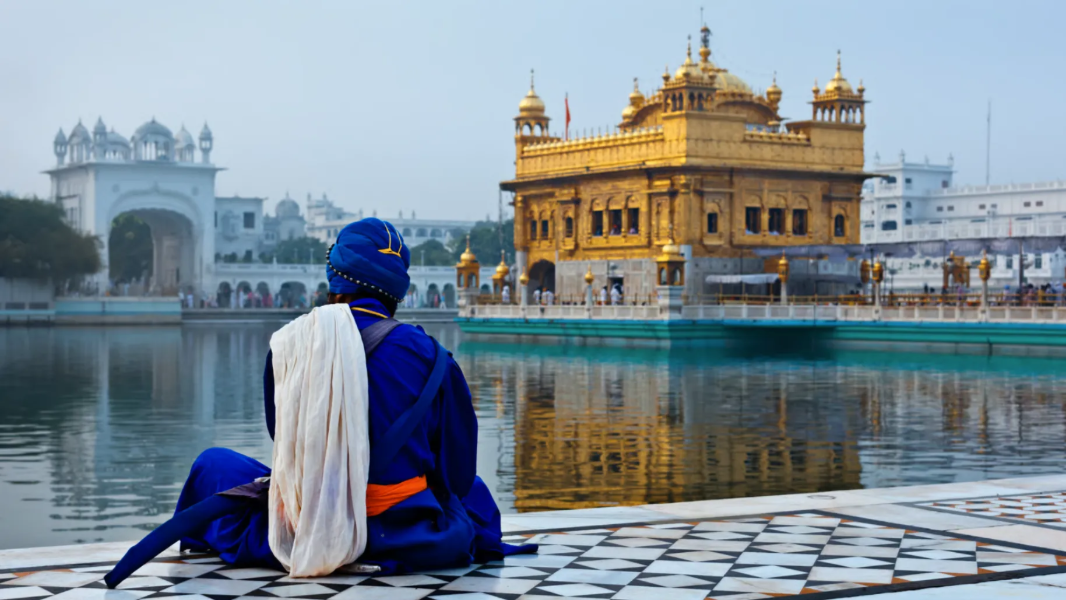
Guru Parv: A Global Celebration of Wisdom, Devotion, and Community
In a world often fragmented by differences, certain spiritual observances stand as powerful unifiers, reminding us of our shared humanity and our collective pursuit of higher wisdom. Guru Parv, also widely known as Gurpurab, is one such occasion – a sacred celebration that transcends geographical boundaries and cultural divides, resonating deeply with devotees in India, the USA, the UK, and across the globe. It is a day dedicated to honoring the luminous lives and profound teachings of the Sikh Gurus, whose messages of love, equality, selfless service, and spiritual enlightenment continue to inspire millions.
This comprehensive blog post aims to illuminate the spiritual and cultural significance of Guru Parv, making its essence accessible to a diverse international audience. We will delve into the concept and practice of guru worship, explore appropriate gifts that embody spiritual devotion, unveil relevant mantras for inner connection, and describe the traditional rituals that bring this auspicious day to life. Whether you are a devotee seeking deeper understanding, an inquirer interested in spiritual traditions, or simply someone looking to appreciate the rich tapestry of global festivals, join us on this journey to understand the enduring legacy of Guru Parv and its transformative power.
What is Guru Parv? A Spiritual Awakening
The term Guru Parv, or Gurpurab, literally translates to "Guru's Day" or "Festival of the Guru." These auspicious days mark the birth, martyrdom, or other significant events in the lives of the ten Sikh Gurus and the holy scripture, Guru Granth Sahib. While many different Gurpurabs are observed throughout the year, the most prominent and widely celebrated is the birth anniversary of Guru Nanak Dev Ji, the founder of Sikhism. Other significant Gurpurabs include the birth anniversaries of Guru Gobind Singh Ji (the tenth Guru) and the martyrdom of Guru Arjan Dev Ji and Guru Tegh Bahadur Ji.
At its heart, Guru Parv is far more than a historical commemoration; it is a profound spiritual awakening. It's a day for Sikhs and many others to reflect on the timeless wisdom imparted by the Gurus, to reaffirm their commitment to spiritual principles, and to immerse themselves in devotion. The Gurus, revered as divine teachers, illuminate the path from ignorance to enlightenment, from darkness to light. Their teachings emphasize:
- Ek Onkar: The oneness of God.
- Sarbat Da Bhala: Welfare of all.
- Vand Chhako: Sharing with others.
- Kirat Karo: Earning an honest living.
- Naam Japo: Remembering God through meditation.
Understanding Guru Parv significance involves grasping the role of the Guru as a divine conduit, a beacon guiding humanity towards truth and righteousness. It is a celebration not just of a person, but of the eternal wisdom that person embodied.
The Universal Significance of Guru Parv: Bridging Cultures and Continents
The observance of Guru Parv extends far beyond the geographical confines of Punjab, India, its birthplace. Thanks to the diaspora of Sikh communities, its spiritual resonance is felt globally, fostering community, preserving heritage, and promoting interfaith understanding in countries like the USA and the UK.
For India: Deep Cultural Roots and Public Observance
In India, particularly in Punjab, Guru Parv is a grand affair. It is often a public holiday, marked by vibrant processions, community gatherings, and profound devotion. Gurudwaras (Sikh temples) are elaborately decorated and thronged by devotees. The atmosphere is one of spiritual fervor, communal harmony, and joyous celebration. Historic Gurudwaras, especially those connected to the Gurus' lives, become focal points for pilgrimage and large-scale gatherings. The Langar, the community kitchen, serves millions, embodying the Sikh principle of equality and selfless service. For many Indians, regardless of their specific faith, the values espoused by the Sikh Gurus – such as honesty, compassion, and communal harmony – are deeply woven into the cultural fabric, making Guru Parv a universally respected and often participated-in festival.
For USA: Upholding Heritage and Fostering Identity
The Sikh community in the USA, though relatively smaller than in India, is vibrant and growing. For them, Guru Parv serves as a crucial anchor for preserving their religious and cultural identity in a new land. Gurudwaras across the USA become centers for cultural transmission, where younger generations learn about their heritage, language, and spiritual values. Large cities like New York, Los Angeles, and Chicago witness spirited Nagar Kirtans (street processions) and community gatherings, bringing together Sikhs and non-Sikhs alike. These celebrations are vital for maintaining connection to roots, educating the broader American society about Sikhism, and contributing to the rich multicultural mosaic of the nation. They highlight how spiritual traditions India USA UK share common ground in their practice and preservation.
For UK: Established Communities and Interfaith Dialogue
The United Kingdom hosts one of the largest and most established Sikh diasporas outside India. For generations, Sikhs in the UK have built strong communities, with Gurudwaras serving as vital social, cultural, and spiritual hubs. Guru Parv is celebrated with immense enthusiasm, often featuring large Nagar Kirtans that are recognized and sometimes even supported by local authorities. These events not only reinforce community bonds but also foster interfaith dialogue and understanding, as people from various backgrounds are invited to participate in Langar and witness the vibrant processions. The UK's multicultural society embraces Guru Parv as an important contribution to its diverse spiritual landscape, showcasing the strength and resilience of Sikh festivals and traditions.
The Profound Practice of Guru Worship: Honoring the Divine Guide
Guru worship in Sikhism is unique and profound. It is not about idolatry or blind adoration of a human figure. Instead, it is reverence for the divine wisdom (Gurbani) embodied by the Gurus and now enshrined in the living Guru, the Guru Granth Sahib. The Gurus themselves taught that the ultimate focus should be on God, and they were merely the humble servants and messengers of the divine truth.
The essence of guru worship lies in:
- Reverence for Gurbani: The Holy Scripture, Guru Granth Sahib, is treated as the living Guru. Devotees bow before it, listen to its hymns (Kirtan), and reflect on its messages. This is the primary form of worship.
- Following the Teachings: True worship means internalizing and living according to the Gurus' precepts of honest living, selfless service, equality, and devotion to God.
- Meditation (Naam Simran): Chanting and meditating on the divine name (Waheguru) and the Mool Mantar, as taught by the Gurus, to connect with the divine within.
- Seva (Selfless Service): Engaging in acts of selfless service to the community and humanity, without expectation of reward. This is considered a fundamental aspect of devotion.
- Sangat (Holy Congregation): Participating in community gatherings at the Gurudwara, where Gurbani is recited and discussed, and where collective spiritual energy is fostered.
On Guru Parv, this devotion intensifies. Devotees spend hours in Gurudwaras, listening to Kirtan and Katha (discourses), engaging in Seva, and collectively reinforcing their spiritual commitment. It is a day to renew one's faith in the Guru's path and to strive for personal and communal upliftment.
Spiritual Gifts: Expressions of Devotion and Gratitude
When it comes to spiritual gifts during Guru Parv, the emphasis is less on material possessions and more on acts of devotion, service, and symbolic offerings that reflect the Sikh principles of sharing and selflessness. The most cherished gifts are those that contribute to the welfare of the community and uphold the values taught by the Gurus.
Traditional Spiritual Gifts:
- Seva (Selfless Service): This is perhaps the most profound gift one can offer. Volunteering time and effort at the Gurudwara for tasks like cleaning, cooking, serving Langar, or maintaining the premises. Many spend hours preparing food for the community kitchen on Guru Parv.
- Dasvandh (Tithing): Sikhs are encouraged to donate a tenth of their earnings to charity or the Gurudwara. Financial contributions help maintain the Gurudwara, support community programs, and fund educational initiatives.
- Offerings at the Gurudwara: Devotees often bring Kara Prasad (a sweet semolina dish offered to all), fresh flowers, fruits, or ingredients for Langar. Symbolic monetary offerings are also made with reverence before the Guru Granth Sahib.
- Donations for Gurbani and Religious Literature: Contributing to the printing and distribution of the Guru Granth Sahib or other Sikh religious texts and literature allows the Guru's message to reach more people.
Modern and Symbolic Gifts (especially for diaspora communities):
- Sikh History Books and Educational Materials: For children and adults, books that teach about Sikh history, the Gurus' lives, and core tenets of Sikhism can be invaluable in preserving heritage.
- Handmade Art and Crafts: Items depicting Sikh symbols (Khanda), Gurudwaras, or calligraphy of Gurbani verses can be meaningful.
- Donations to Charitable Causes: Making a donation to a charity that aligns with Sikh values of service to humanity (e.g., humanitarian aid, interfaith initiatives, poverty alleviation) in honor of the Gurus.
- Musical Instruments for Kirtan: Contributing to the Gurudwara's musical instruments collection helps facilitate communal singing of hymns.
The true value of these spiritual gifts lies in the spirit of humility, generosity, and devotion with which they are given, embodying the Gurus' teachings of selfless giving.
Mantras and Sacred Chants: Echoes of Divine Wisdom
Mantras and sacred chants are the heart of Sikh devotional practice, serving as powerful tools for meditation, spiritual connection, and expressing devotion to the divine. On Guru Parv, the air in Gurudwaras and homes is filled with the rhythmic and melodious recitation of Gurbani (hymns from the Guru Granth Sahib).
Key Mantras and Chants in Sikhism:
- Mool Mantar: This is the foundational mantra of Sikhism, composed by Guru Nanak Dev Ji. It encapsulates the entire theology of Sikhism.
"Ik Onkar Satnam Karta Purakh Nirbhau Nirvair Akal Murat Ajuni Saibhang Gurprasad."
Meaning: "There is only one God. His name is Truth. He is the Creator. He is without fear. He is without enmity. He is the Immortal Being. He is unborn. He is self-existent. He is realized by the Guru's Grace." Reciting the Mool Mantar is a profound practice for connecting with the essence of God.
- Waheguru: This is the ultimate mantra of wonder and ecstasy, meaning "Wonderful Enlightener" or "Wonderful Lord." It is a fundamental chant used in meditation and to express gratitude and praise for God. Chanting "Waheguru" repeatedly is a common form of Naam Simran (remembering God's name).
- Japji Sahib: This is the first sacred composition found in the Guru Granth Sahib, a comprehensive philosophical treatise by Guru Nanak Dev Ji. Reciting Japji Sahib daily is a core spiritual practice for many Sikhs, and its recitation is central to Guru Parv observances.
- Sukhmani Sahib: Composed by Guru Arjan Dev Ji, this "Psalm of Peace" is a lengthy composition often recited for solace, peace of mind, and spiritual strength. Its communal recitation is a feature of many Sikh gatherings.
- Gurbani Kirtan: The singing of hymns from the Guru Granth Sahib set to classical ragas. Kirtan is a communal and deeply moving form of devotion. On Guru Parv, Gurudwaras host continuous Kirtan sessions, allowing devotees to immerse themselves in the divine word.
The power of these Guru Parv mantras and chants lies not just in their sounds but in their profound meanings, which guide the devotee towards understanding, peace, and union with the divine. They are a direct pathway to experience the spiritual wisdom imparted by the Gurus.
Traditional Rituals and Observances: A Tapestry of Devotion
The celebration of Guru Parv is characterized by a rich array of religious rituals and community observances that beautifully weave together devotion, service, and cultural expression. These rituals bring the spiritual message of the Gurus to life and foster a strong sense of community.
Key Rituals Observed During Guru Parv:
- Akhand Path: This is one of the most significant rituals. It involves a continuous, uninterrupted reading of the entire Guru Granth Sahib from beginning to end. An Akhand Path typically takes around 48 hours and is usually organized to conclude on the morning of Guru Parv. It is performed by a relay of readers (pathis) and is considered a highly meritorious act of devotion.
- Prabhat Pheris: In the days leading up to Guru Parv, early morning processions known as Prabhat Pheris are taken out. Devotees gather at Gurudwaras and walk through local neighborhoods, singing hymns (shabads) and awakening the community to the upcoming celebrations.
- Nagar Kirtan: On the day of Guru Parv itself, grand street processions called Nagar Kirtans are a highlight. Led by the Panj Pyare (the Five Beloved Ones, representing the first five initiated Sikhs), the Guru Granth Sahib is carried reverently on a float. The procession is accompanied by devotees singing Kirtan, performing martial arts (Gatka), distributing food, and showcasing the vibrancy of Sikh culture. In the USA and UK, these processions are often large, well-organized events, attracting significant public attention.
- Langar (Community Kitchen): The institution of Langar is central to Sikhism and plays a vital role on Guru Parv. Free vegetarian meals are served to all visitors at the Gurudwara, regardless of their caste, creed, religion, or social status. Everyone sits together on the floor to eat, symbolizing equality and humility. Preparing and serving Langar is a significant act of Seva.
- Kirtan and Katha: Throughout the day, Gurudwaras host continuous sessions of Kirtan (singing of Gurbani hymns) and Katha (discourses and explanations of Gurbani and Sikh history). Devotees immerse themselves in listening to these spiritual narratives and melodies.
- Illumination and Decorations: Gurudwaras and homes are beautifully decorated with lights, flowers, and banners, creating a festive and sacred atmosphere.
- Special Ardas: A special congregational prayer (Ardas) is offered, seeking blessings from the Gurus and expressing gratitude.
These religious rituals are not mere traditions; they are living practices that reinforce the core tenets of Sikhism and provide a powerful collective spiritual experience for devotees worldwide. From the solemnity of the Akhand Path to the joyous energy of the Nagar Kirtan, each ritual serves to connect the community with the eternal wisdom of the Gurus.
The Enduring Legacy of Guru Parv: A Call to Action
Guru Parv is more than just a festival; it is a timeless affirmation of universal values that resonate deeply with humanity. The Gurus preached a message of selfless love, unwavering equality, relentless pursuit of truth, and compassionate service to all. These principles are not confined to a single faith or community but offer a guiding light for anyone seeking a more meaningful and purposeful life.
The celebrations across India, the USA, and the UK demonstrate the enduring power of spiritual traditions India USA UK to bridge gaps, build communities, and inspire action. By observing Guru Parv, devotees worldwide are reminded to:
- Embrace Equality: See all humanity as one, transcending distinctions of race, religion, gender, or social status.
- Practice Seva: Engage in selfless service, contributing positively to their communities and the world.
- Live Honestly: Uphold integrity, hard work, and ethical conduct in all aspects of life.
- Cultivate Inner Peace: Seek spiritual wisdom and meditate on the divine name to find solace and strength.
- Share and Care: Live with generosity, sharing resources and compassion with those in need.
The legacy of Guru Parv significance lies in its ability to continually inspire individuals to embody these virtues, making the world a more just, harmonious, and spiritual place.
Conclusion
As we conclude our exploration of Guru Parv, it becomes evident that this sacred observance is a beacon of spiritual light for millions across the globe. From the bustling streets of Punjab to the diverse communities in the USA and the UK, Guru Parv unites hearts in devotion, service, and celebration. It is a powerful reminder of the profound impact of divine wisdom, the strength of communal bonds, and the timeless relevance of the Gurus' teachings.
May the spirit of Guru Parv inspire us all to reflect on the deeper meanings of life, to practice selfless service, to embrace equality, and to strive for spiritual enlightenment in our daily lives. As the chants of Gurbani fill the air and the communal kitchens serve countless souls, may we all carry forward the message of universal love and human welfare that lies at the very heart of this glorious festival. Happy Guru Parv to all!
अक्सर पूछे जाने वाले प्रश्न (FAQ)
Q: What is Guru Parv?
Guru Parv, also known as Gurpurab, is a sacred celebration that honors the luminous lives and profound teachings of the Sikh Gurus, observed across India, the USA, the UK, and globally.
Q: What does the term 'Guru Parv' literally mean?
The term Guru Parv, or Gurpurab, literally translates to 'Guru's Day' or 'Festival of the Guru'.
Q: What does Guru Parv commemorate?
Guru Parv commemorates significant events in the lives of the ten Sikh Gurus and the holy scripture, Guru Granth Sahib, such as their birth or martyrdom anniversaries.
Q: Which Guru Parv is the most widely celebrated?
The most prominent and widely celebrated Guru Parv is the birth anniversary of Guru Nanak Dev Ji, the founder of Sikhism.
Q: What is the spiritual significance of Guru Parv?
At its heart, Guru Parv is a profound spiritual awakening, a day for reflection on the timeless wisdom imparted by the Gurus, reaffirming spiritual principles, and immersing in devotion.
Q: Who are the Sikh Gurus revered as during Guru Parv?
The Sikh Gurus are revered as divine teachers who illuminate the path from ignorance to enlightenment, from darkness to light.
Q: What are some core teachings emphasized by the Sikh Gurus?
Key teachings include Ek Onkar (the oneness of God), Sarbat Da Bhala (welfare of all), Vand Chhako (sharing with others), Kirat Karo (earning an honest living), and Naam Japo (remembering God through meditation).
Q: How does Guru Parv transcend geographical and cultural boundaries?
Guru Parv stands as a powerful unifier, transcending geographical boundaries and cultural divides, reminding us of our shared humanity and collective pursuit of higher wisdom.
Q: What key messages do the Sikh Gurus convey?
The Sikh Gurus' messages emphasize love, equality, selfless service, and spiritual enlightenment.
Q: What role does the Guru play in the understanding of Guru Parv?
Understanding Guru Parv significance involves grasping the role of the Guru as a divine conduit, a beacon guiding humanity towards truth and righteousness, celebrating not just a person but the eternal wisdom embodied.
Q: Is Guru Parv solely a historical commemoration?
No, Guru Parv is far more than a historical commemoration; it is a profound spiritual awakening and a celebration of the eternal wisdom that the Gurus embodied.
Q: What types of observances are typically associated with Guru Parv?
Traditional observances include guru worship, giving gifts embodying spiritual devotion, reciting relevant mantras for inner connection, and participating in various rituals.
Q: Who are some other significant Gurpurabs mentioned besides Guru Nanak Dev Ji's birth anniversary?
Other significant Gurpurabs include the birth anniversaries of Guru Gobind Singh Ji and the martyrdom of Guru Arjan Dev Ji and Guru Tegh Bahadur Ji.
Q: What does the celebration of Guru Parv encourage individuals to do?
The celebration encourages individuals to reflect on timeless wisdom, reaffirm commitment to spiritual principles, and immerse themselves in devotion.
Q: For whom is this information about Guru Parv intended?
This information is intended for a diverse international audience, including devotees, inquirers interested in spiritual traditions, and anyone looking to appreciate global festivals, specifically targeting audiences in India, the USA, and the UK.

Author
Praarthana Editorial Team
The Praarthana Editorial Team shares daily spiritual guidance, authentic rituals, and deep insights from ancient Sanatan scriptures to support your spiritual journey.

ऐप डाउनलोड करें
पंचांग तिथि, त्यौहार, व्रत, उत्सव, एकादशी, आरती संग्रह, मंत्र, व्रत कथा



एक टिप्पणी छोड़ें