
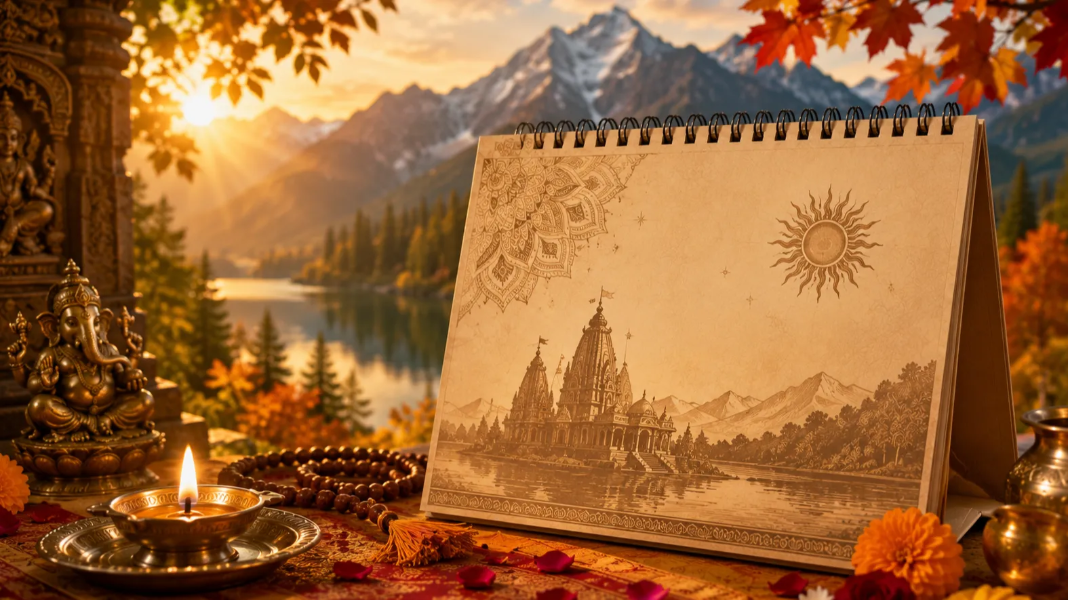
Navigating the Hindu Calendar in Canada: Accurate Dates & Times for Every Occasion
For millions of Hindus worldwide, the rhythm of life is deeply intertwined with the Hindu calendar, a sophisticated system that governs everything from daily prayers to grand festivals. When devotees relocate to a new land like Canada, they often encounter a unique set of challenges in accurately observing these sacred dates and times. The celestial dance that dictates tithis, nakshatras, and auspicious moments shifts with geography, making a direct translation from an Indian Panchang often inaccurate. This comprehensive guide aims to demystify the complexities of the Hindu Calendar Canada, helping you find reliable, local dates and times for all your spiritual needs.
Understanding the Hindu Calendar Basics: More Than Just Dates
Before diving into the specifics of Canada, it's crucial to grasp the fundamental elements of the Hindu calendar. Unlike the Gregorian calendar, which is purely solar, the Hindu calendar is primarily lunisolar, meaning it considers both the sun's and moon's movements.
Key Elements of a Panchang: The Five Limbs
A Panchang (literally "five limbs") is the traditional Hindu almanac that provides essential astrological information for any given day. These five limbs are:
- Tithi (Lunar Day): A lunar day, defined by the angular distance between the Sun and the Moon. There are 30 tithis in a lunar month, each varying in duration from approximately 19 to 26 hours. Festivals and vratas (fasts) are almost always tied to specific tithis.
- Nakshatra (Lunar Mansion/Constellation): One of the 27 divisions of the sky through which the Moon passes. Each nakshatra covers 13 degrees and 20 minutes of the zodiac. They are crucial for astrological calculations, muhurats (auspicious timings), and determining character traits.
- Yoga (Lunar Conjunction): Calculated from the sum of the longitudes of the Sun and the Moon. There are 27 yogas, each having unique characteristics and influences.
- Karana (Half Lunar Day): A tithi is divided into two Karanas. There are 11 Karanas in total, with some repeating. They are also considered for auspicious timings.
- Vaara (Day of the Week): The familiar seven days of the week (Sunday to Saturday), each associated with a planet.
Beyond these five, a Panchang also includes information about sunrise and sunset, Rahu Kalam, Yamaganda Kalam, festivals, and planetary positions. The challenge in Canada is ensuring all these elements are calculated for your specific local geography.
Lunar vs. Solar Calendar: The Two Main Systems
While the Hindu calendar is lunisolar, there are two primary regional variations in how a new year or month begins:
- Amanta (or Purnimanta) Calendar: Most prevalent in South India, this system considers a month to end on a New Moon (Amavasya). The month begins after Amavasya and ends on the next Amavasya. Some northern traditions use Purnimanta, where the month begins after the Full Moon (Purnima).
- Poornimanta Calendar: Primarily followed in North India, this system considers a month to end on a Full Moon (Purnima). The month begins after Purnima and ends on the next Purnima.
Both systems calculate tithis and nakshatras in the same way, but the names of the months and when they begin might differ. For Hindu festivals Canada, it's important to know which system your local temple or community traditionally follows.
Why Canada Makes it Different: The Geographical Challenge
Canada's vast geographical expanse and its position relative to the equator create significant differences in celestial observations compared to India. This isn't just a minor adjustment; it fundamentally alters the timing of sacred events.
Sunrise and Sunset: The Core Discrepancy
The most critical factor affecting Hindu calendar calculations is the timing of sunrise and sunset. Many tithis, nakshatras, and festival observances are directly tied to these local timings:
- Tithi Adherence: Many festivals are observed on a specific tithi if it prevails at sunrise (Udayatithi) or during a certain part of the day (e.g., madhyahna for Shivaratri, pradosh for Diwali). Since sunrise times vary significantly across Canada (e.g., earlier in St. John's, much later in Vancouver in winter), the exact day for a festival can shift by a day compared to calculations made for India.
- Durations of Day and Night: Canada experiences extreme variations in day and night lengths, especially in winter and summer. This affects the duration of certain Muhurats (auspicious periods), Rahu Kalam, and the timing of fasts (vratas). For example, a fast that breaks at sunset will be much longer in Canadian summer than in winter.
- Midnight Calculations: Some Vedic calculations depend on local midnight. With vast time zone differences and seasonal variations, local midnight in Canada will be vastly different from what is assumed in India.
Time Zones: Local vs. Indian Standard Time
Canada spans six primary time zones, from Newfoundland Standard Time (NST) in the east to Pacific Standard Time (PST) in the west. When you compare this to Indian Standard Time (IST), which is a single time zone for the entire country, the complexity becomes evident.
- No Direct Conversion: Simply adding or subtracting hours from an Indian Panchang will not give you accurate local Canadian timings. A tithi might begin at 10:00 PM IST on Day X, but due to its duration and the local sunrise in Toronto, it might be observed on Day Y.
- Seasonal Adjustments (Daylight Saving Time): Most parts of Canada observe Daylight Saving Time (DST), where clocks are moved forward by an hour in spring and back in fall. This seasonal shift further complicates calculations, as it directly impacts local sunrise/sunset times and thus the timing of tithis and festivals.
The Great Panchang Debate: Which System to Follow?
One of the most perplexing aspects for devotees in Canada is the existence of different Panchang calculation systems. While all systems agree on the fundamental principles, they use slightly different astronomical constants or ayanamshas (the difference between the tropical and sidereal zodiacs), leading to variations in tithi and nakshatra timings.
Primary Panchang Systems:
- Drik Panchang (True/Scientific/Modern): This system is based on modern astronomical calculations, where the positions of the Sun and Moon are precisely calculated using current ephemeris data. It is considered highly accurate for the physical positions of celestial bodies. Most online Panchang apps and websites use Drik calculations.
- Chandrapanchang (Traditional/Vedic/Lahiri): Often referred to as Lahiri Ayanamsha (or Chitra Paksha Ayanamsha), this system is widely used in traditional Hindu astrology and calendar-making. It follows the principles laid down by the late Indian astronomer N.C. Lahiri. It is based on a specific understanding of the sidereal zodiac.
- Other Systems (Raman, Krishnamurti, etc.): There are other ayanamshas like Raman, Krishnamurti, or Surya Siddhanta (an ancient text often used for traditional calculations). While less common for general calendar purposes, specific astrological schools might prefer them.
Why Do They Differ?
The core difference lies in the ayanamsha. The tropical zodiac (used in Western astrology) is fixed to the equinoxes, while the sidereal zodiac (used in Vedic astrology) is fixed to the constellations. Due to the precession of the equinoxes, these two zodiacs slowly drift apart. The ayanamsha is the correction factor for this drift. Different schools use slightly different values for this correction, leading to variations in the start/end times of nakshatras and, consequently, tithis.
These differences might seem minor (often a few minutes to an hour), but they can sometimes shift a tithi across a sunrise or sunset, thereby changing the festival day. For example, if a specific tithi ends just before sunrise according to Drik, but just after sunrise according to Lahiri, the festival could be observed on different days.
Making Your Choice: Consistency is Key
Given these variations, which system should you follow in Canada?
- Consult Your Local Temple: The most practical advice is to follow the system adopted by your local Hindu temple or spiritual community. They usually have a consensus or a designated purohit (priest) who makes these calculations. This ensures community-wide celebration and avoids confusion.
- Consistency is Paramount: Whatever system you choose (Drik, Lahiri, etc.), stick with it consistently. Do not switch between systems for different festivals, as this can lead to further inaccuracies and confusion.
- Personal Preference: Some individuals or families have a long-standing tradition of following a particular system from their ancestral region in India. If this is the case, ensure you are using a reliable Canadian-specific calculation based on that system.
The Importance of Accurate Timings for Hindu Rituals
Hindu rituals and festivals are deeply rooted in specific cosmic energies and planetary alignments. Observing them at their precise, intended moments is believed to maximize their spiritual benefits and ensure their efficacy. Miscalculating these timings can diminish the spiritual impact or even render a ritual incomplete.
Daily Pujas and Vrats (Fasts)
- Brahma Muhurta: The period about one and a half hours before sunrise is considered highly auspicious for meditation, prayers, and spiritual practices. Accurate sunrise calculation is vital for observing this.
- Sandhyavandanam: Daily rituals performed at sunrise, noon, and sunset. Precise local timings are essential for these.
- Vratas: Many fasts are observed from sunrise to sunset. In Canada, with its varying day lengths, understanding the exact local sunrise and sunset for your location is crucial to correctly observe the fast's duration.
Festival Celebrations (Hindu Festivals Canada)
Every major Hindu festival is linked to a specific tithi and often a nakshatra or planetary alignment. Here are a few examples:
- Diwali (Deepavali): Celebrated on Amavasya (New Moon) of Kartik month. The specific Muhurat for Lakshmi Puja often falls during Pradosh Kaal (dusk period) or Nishita Kaal (midnight period). Accurate local sunset and midnight timings are paramount.
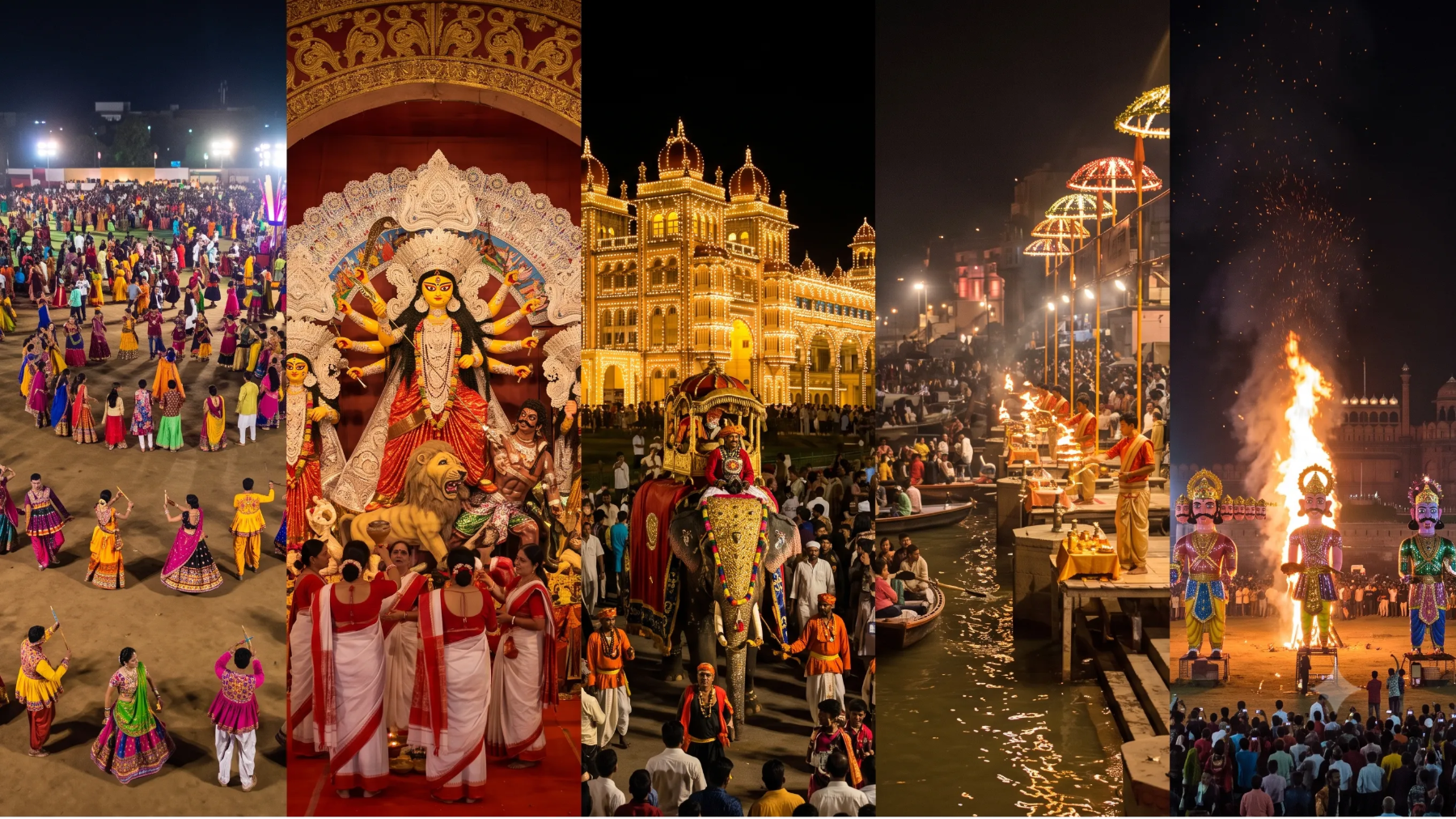
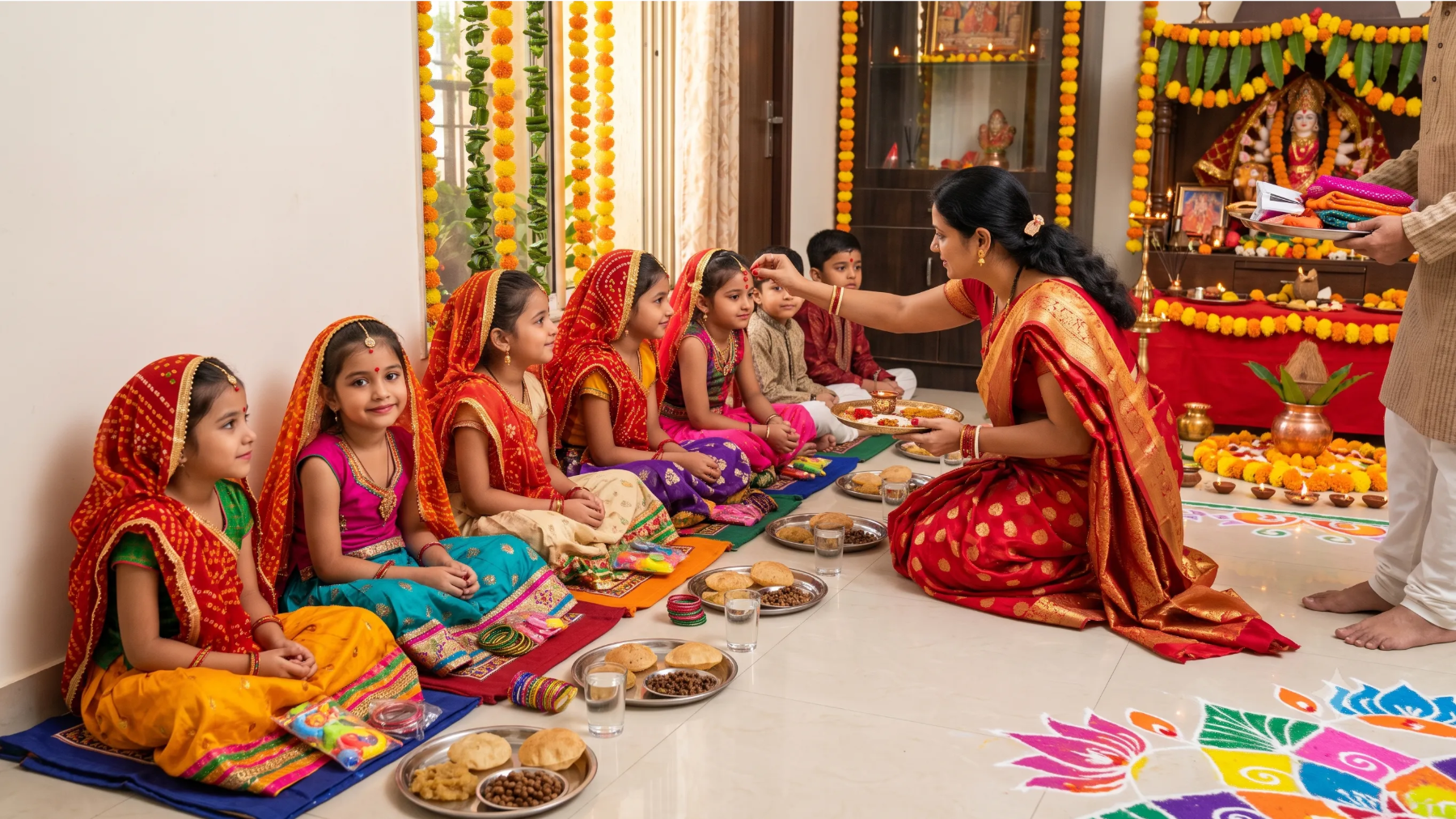
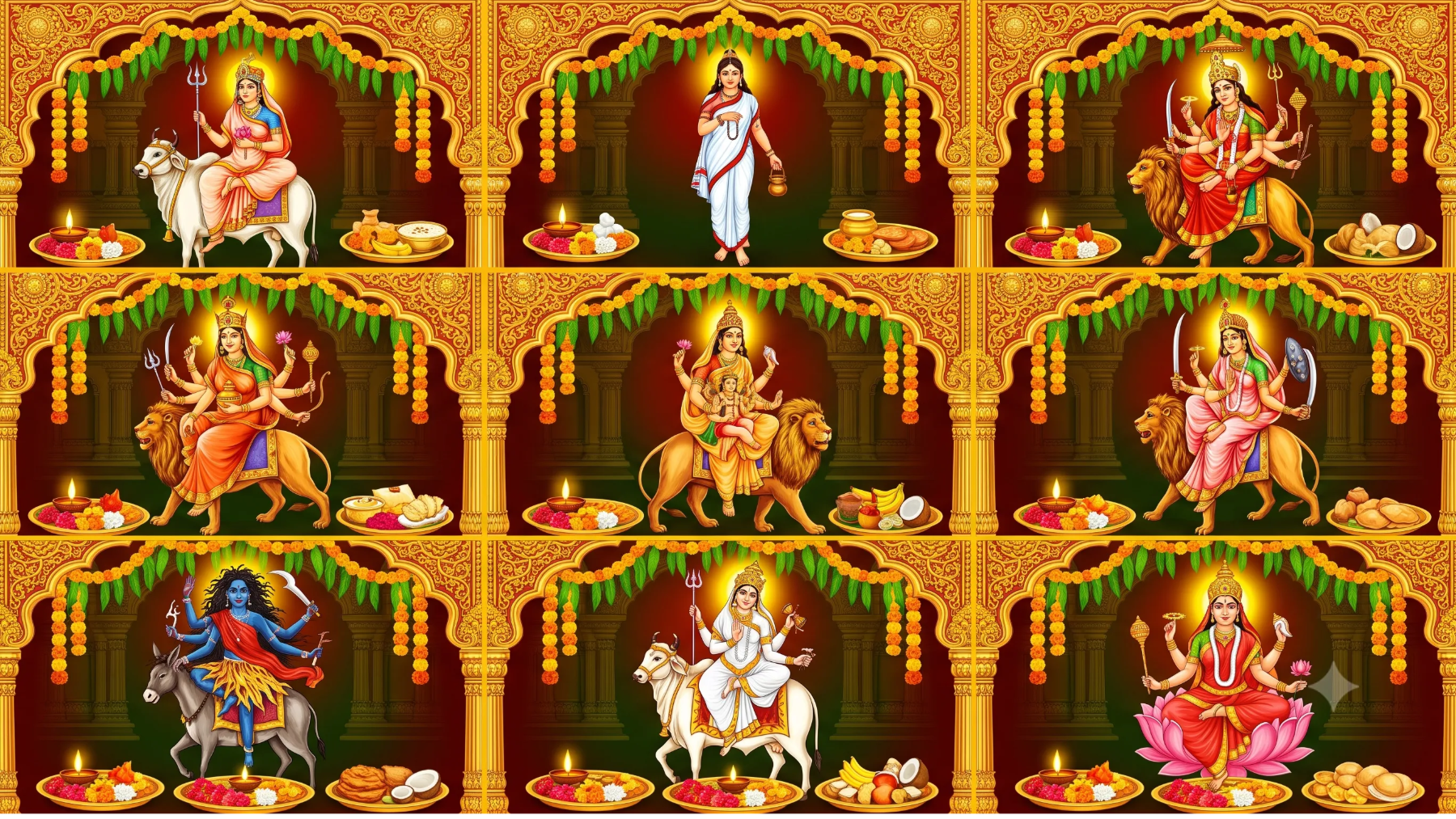
- Navratri: Celebrated over nine nights, starting on the first tithi (Pratipada) of Ashwin Shukla Paksha. The timing of this Pratipada relative to sunrise dictates the start of Navratri.
- Maha Shivaratri: Observed on the Chaturdashi tithi of Krishna Paksha in Phalguna month. The Puja is often performed during the Nishita Kaal (midnight).
- Holi: Celebrated on Purnima (Full Moon) of Phalguna month. Holika Dahan (bonfire) is performed at an auspicious time during Pradosh Kaal, avoiding Bhadra Karana.
Even small shifts in sunrise or sunset can determine if a festival is celebrated on Day 1 or Day 2 in Canada, especially for festivals that span multiple tithis or require a tithi to be present at a specific time of day.
Muhurats for Auspicious Beginnings
From weddings (Vivah Muhurat) to housewarmings (Griha Pravesh) and starting new ventures (Shubh Arambh), choosing an auspicious muhurat is central to Hindu tradition. These timings are meticulously calculated based on tithi, nakshatra, planetary positions, and the ascendant (Lagna) for the specific भौगोलिक स्थान and time.
A Muhurat calculated for Mumbai will be entirely incorrect for Toronto or Calgary, as the planetary positions relative to the horizon change dramatically with longitude and latitude. Accurate local birth charts and Panchangs are indispensable for these significant life events.
Understanding Rahu Kalam and Yamaganda Kalam
These are inauspicious periods each day that are generally avoided for starting new ventures or important activities. They are calculated based on the day of the week and the local sunrise and sunset timings. Since sunrise and sunset vary across Canada, so too will the start and end times of Rahu Kalam and Yamaganda Kalam.
Finding Reliable Resources for "Hindu Calendar Canada"
Given the complexities, how do devotees in Canada find accurate accurate Hindu dates Canada and times? Fortunately, several resources can help, but knowing what to look for is key.
Local Temples and Community Centers: Your Best Bet
This is arguably the most reliable and recommended resource for Hindu events Canada.
- Official Panchangs: Many established Hindu temples in major Canadian cities (Toronto, Vancouver, Montreal, Calgary, Edmonton, Ottawa, Mississauga, Brampton, etc.) publish their own annual calendars or Panchangs. These are specifically calculated for their local Canadian time zone and geography.
- Purohits (Priests): Temples have resident priests who are knowledgeable in Vedic astrology and calendar calculations. They can provide personalized guidance and confirm festival dates.
- Community Consensus: Following your local temple's calendar ensures you celebrate festivals in sync with your community, fostering a sense of togetherness and shared devotion.
Reputable Online Panchang Websites & Apps
The digital age offers convenience, but discernment is crucial.
- What to Look For:
- Location Specificity: The most important feature is the ability to select your exact city or at least your province in Canada. A generic "North America" setting is often insufficient.
- Ayanamsha Preference: Check if the platform allows you to choose your preferred Ayanamsha (e.g., Lahiri, Drik, Raman). If not, it should clearly state which system it uses.
- Sunrise/Sunset Data: Verify that the app or website uses local sunrise and sunset for its calculations, not a fixed time.
- Reputation: Stick to well-known and reputable sites/apps that specialize in Vedic astrology and Panchang calculations.
- Cautionary Notes:
- Generic Indian Panchangs: Never rely solely on Panchangs designed for India. They will lead to inaccuracies.
- Free, Unverified Apps: Be wary of free apps with vague sources or those that don't allow location customization. They may provide incorrect data.
- Conflicting Information: If you find conflicting dates between different online sources, always cross-reference with your local temple.
- Examples of Reputable Platforms (Always verify their customization for Canada):
- Drik Panchang (Ensure you set your specific Canadian city)
- MyPanchang (Offers location-based calculations)
- Certain astrology software packages (e.g., Jagannatha Hora, Kala) can generate highly accurate Panchangs for any location, but require some technical understanding.
Consulting Local Purohits or Vedic Astrologers
For highly specific rituals, muhurat selections, or personal astrological consultations, a qualified local purohit or Vedic astrologer is invaluable. They are trained to perform intricate calculations for your precise location and needs, ensuring adherence to tradition while accommodating Canadian geography.
Community Forums and Groups
Online forums and social media groups dedicated to Hindu communities in Canada can be great places to ask questions, share information, and learn about local observances. However, always verify information shared in these groups with more authoritative sources like temples or qualified priests.
Practical Tips for Navigating the "Hindu Calendar Canada"
Making the Hindu calendar work for you in Canada doesn't have to be daunting. Here are some practical steps:
- Plan Ahead: Get your annual Hindu calendar (ideally from a local temple or a reputable online source customized for your city) at the beginning of the year. Mark down all major festivals and important tithis.
- Verify Information: If in doubt, especially for critical rituals or major festivals, cross-reference dates and times with at least two reliable sources (e.g., your temple and a trusted online Panchang).
- Be Consistent with Your Chosen System: Once you decide which Ayanamsha (e.g., Drik, Lahiri) and calculation method to follow, stick to it. Inconsistency is the biggest source of confusion.
- Embrace the Local Community: Engage with your local Hindu community. Attending temple events and participating in community celebrations will help you stay informed and connected.
- Educate Yourself: A basic understanding of tithis, nakshatras, and the impact of local timings will empower you to make informed decisions.
- Use Daylight Saving Time (DST) Aware Resources: Ensure any digital tool you use correctly accounts for DST changes in your province/city.
Conclusion
Navigating the Hindu Calendar Canada requires a blend of traditional knowledge and modern astronomical precision. The unique geographical conditions of Canada necessitate a departure from simply using Indian-based calendars. By understanding the core principles of the Hindu calendar, recognizing the impact of local sunrise/sunset and time zones, and consistently using reliable, location-specific resources, devotees can continue to observe their sacred festivals and rituals with accuracy and devotion.
Embrace the challenge, connect with your local community, and let the spiritual rhythm of the Hindu calendar continue to enrich your life in Canada.


एक टिप्पणी छोड़ें