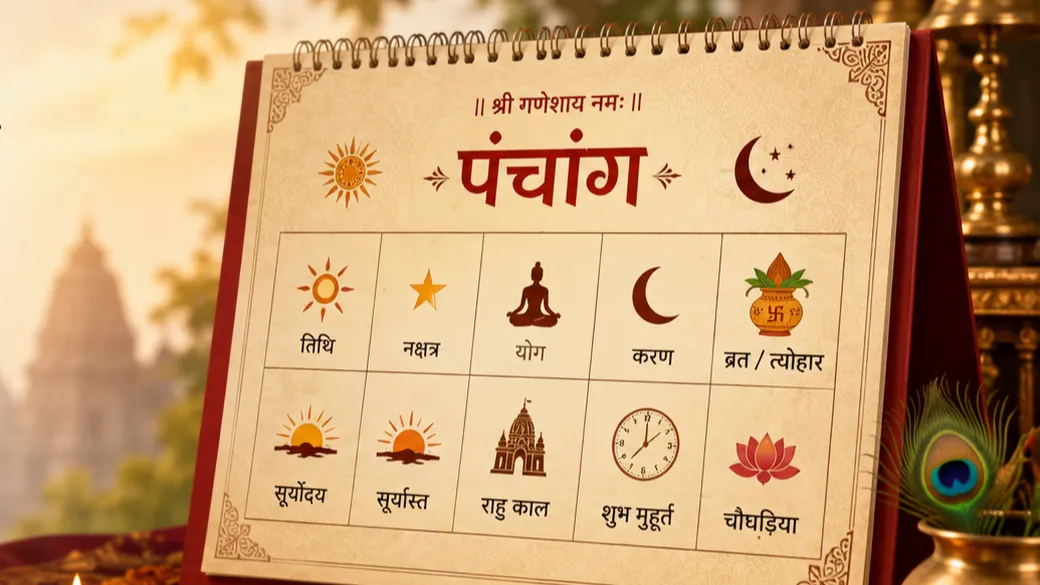
In the vast tapestry of spiritual life, time plays a profound role. For millions of devotees across the globe, the rhythm of existence is intertwined with the celestial dance of the Hindu calendar. Each day, each phase of the moon, each planetary alignment holds a unique significance, guiding us towards auspicious timings for prayers, fasting, and joyous celebrations.
However, in our bustling modern lives, keeping track of this intricate spiritual schedule can be a challenge. How often do we regret missing an important puja, a sacred fast, or a vibrant festival simply because the date slipped our mind? The desire to remain deeply connected to our roots, to participate fully in the rich heritage of Sanatana Dharma, often confronts the practicalities of a demanding daily routine.
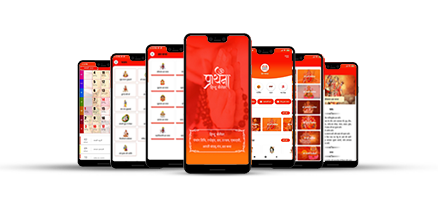
Imagine a world where you never have to miss a sacred moment again. A world where every significant tithi, every festival, and every auspicious timing is gently brought to your attention, allowing you to seamlessly integrate your spiritual practices into your life. This is precisely the vision behind the Praarthana App – your ultimate digital companion for the Hindu Calendar 2026 and beyond, designed to ensure you never miss a festival.
The Sacred Tapestry of Time: Understanding the Hindu Calendar
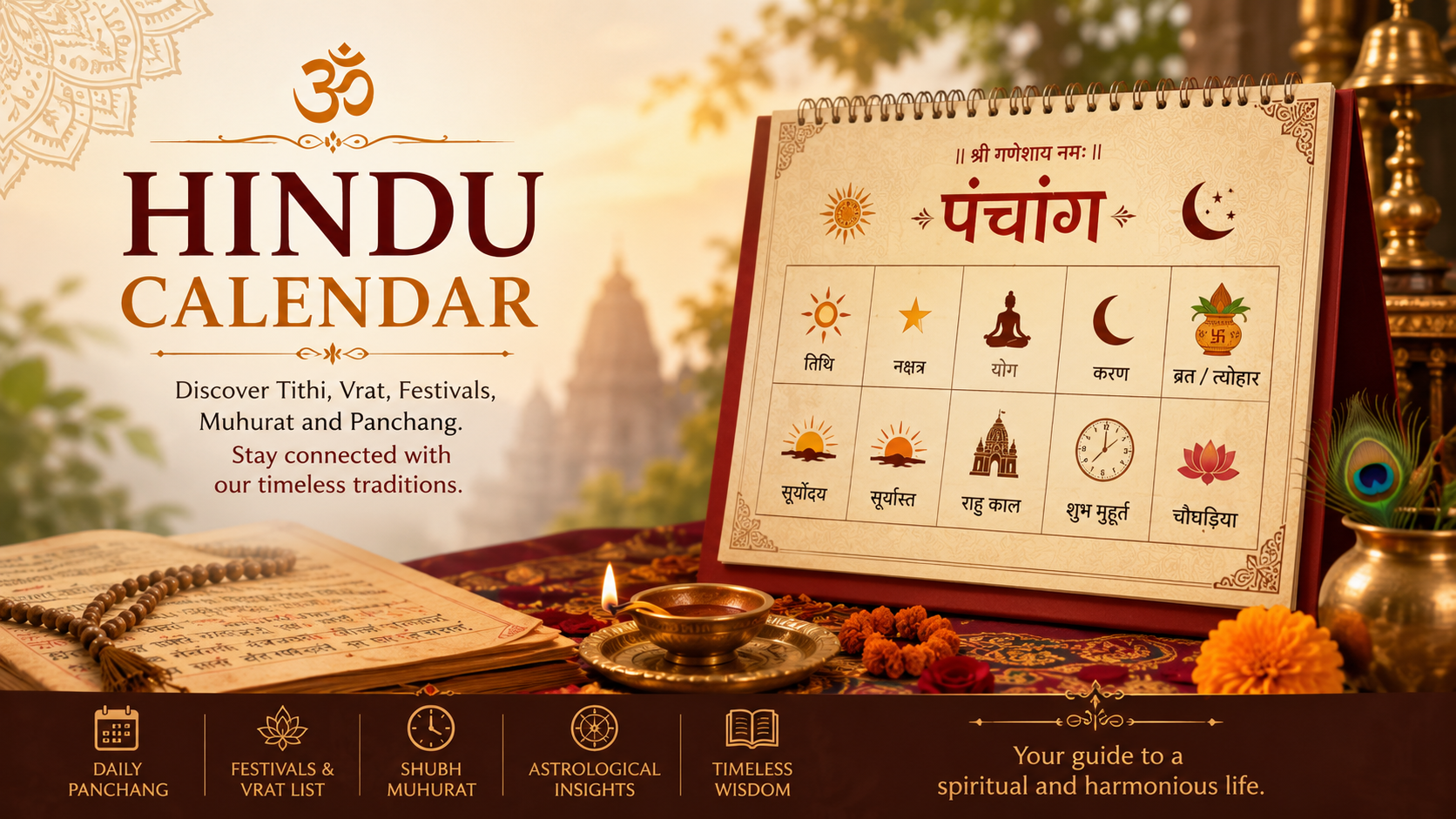
The Hindu calendar, known as the Panchang (literally "five limbs"), is far more than just a system for marking days. It is a profound astronomical and astrological treatise, a spiritual guide that has evolved over millennia. Rooted in ancient Vedic texts and sophisticated calculations, it reflects humanity's deep connection with the cosmos.
- Lunar-Solar System: Unlike purely lunar or solar calendars, the Hindu calendar is a lunisolar one. It follows the cycles of the moon for months (Amanta or Purnimanta systems) and adjusts periodically with intercalary months (Adhik Maas) to keep pace with the solar year, ensuring that festivals align with their traditional seasons. This intricate balance is why festival dates shift annually in Western calendars.
- Panchang's Five Limbs:
- Tithi (Lunar Day): The angular distance between the Sun and the Moon. There are 30 tithis in a lunar month, each with its unique energy and significance for performing certain actions or rituals.
- Nakshatra (Lunar Mansion): The position of the Moon against specific constellations. There are 27 Nakshatras, each influencing events and individual characteristics.
- Yoga (Union): Derived from the combined longitudes of the Sun and Moon, indicating planetary influences.
- Karana (Half Tithi): Half of a Tithi, used for more precise astrological calculations.
- Vaar (Week Day): The familiar days of the week, each associated with a planet and specific energies.
- Spiritual Significance: Each element of the Panchang informs auspicious timings (Muhurtas) for new ventures, ceremonies, and spiritual practices. Understanding the calendar allows devotees to align their actions with cosmic energies, enhancing the efficacy and spiritual merit of their endeavors. It's a living tradition, a testament to the timeless wisdom of our ancestors.
A Glimpse into Hindu Festivals 2026: Mark Your Spiritual Journey
The year 2026 promises a vibrant array of festivals, each brimming with devotion, cultural significance, and spiritual rejuvenation. While exact dates can vary slightly based on regional calendars (Purnimanta vs. Amanta) and भौगोलिक स्थान, here's an overview of some major festivals you can look forward to:
- Makar Sankranti / Pongal (January): Kicking off the year, this festival marks the Sun's transit into Capricorn, symbolizing the end of winter and the harvest season. Celebrated with immense joy, kite flying, and offerings of newly harvested grains.
- Maha Shivaratri (February/March): The "Great Night of Shiva" commemorates the convergence of Shiva and Shakti. Devotees observe fasts, chant mantras, and perform Abhishekams, seeking Lord Shiva's blessings for spiritual growth and liberation.
- Holi (March): The vibrant "Festival of Colors" celebrates the triumph of good over evil, the arrival of spring, and the joy of life. Bonfires on Holika Dahan precede a day of playful color throwing, music, and feasting.
- Rama Navami (March/April): The auspicious birthday of Lord Rama, the seventh incarnation of Vishnu. Devotees fast, recite the Ramayana, and offer prayers, celebrating righteousness and dharma.
- Hanuman Jayanti (April): Celebrating the birth of Lord Hanuman, the epitome of devotion, strength, and selfless service. Temples resound with chants and devotees offer prayers for courage and protection.
- Akshaya Tritiya (April/May): Considered one of the most auspicious days, signifying "never diminishing." New ventures, marriages, and investments made on this day are believed to bring eternal prosperity and success.
- Rath Yatra (July): The grand Chariot Festival of Lord Jagannath, along with his siblings Balabhadra and Subhadra, celebrated with immense fervor in Puri, Odisha, and elsewhere. Devotees pull the massive chariots, seeking blessings for liberation.
- Krishna Janmashtami (August): The joyous birthday of Lord Krishna, the eighth incarnation of Vishnu. Devotees fast until midnight, adorn idols of baby Krishna, sing bhajans, and break their fast with prasad.
- Ganesh Chaturthi (August/September): A magnificent 10-day festival celebrating the birth of Lord Ganesha, the remover of obstacles. Elaborate idols are installed in homes and public pandals, followed by immersion (Visarjan) symbolizing his return to Kailash.
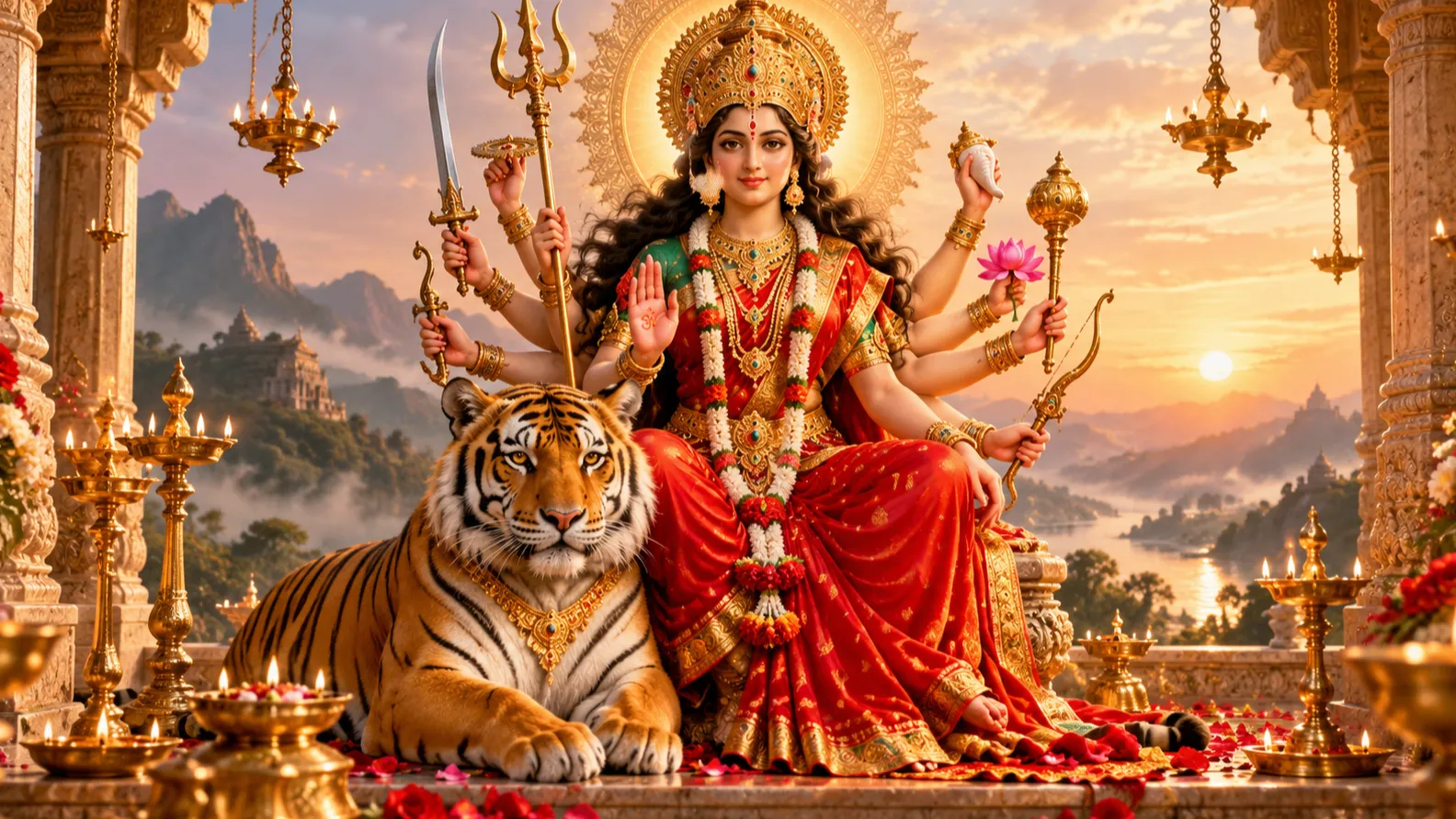
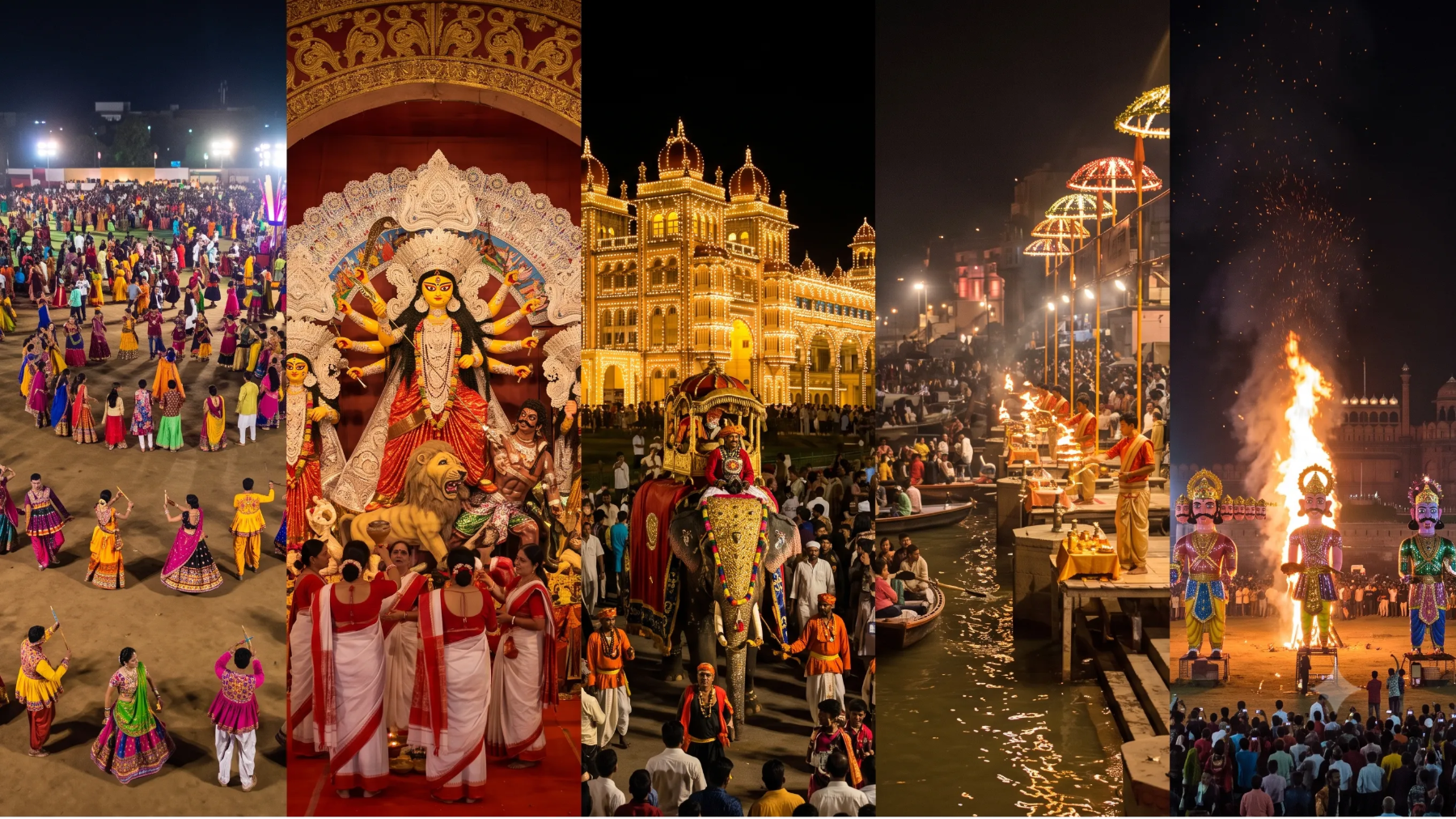
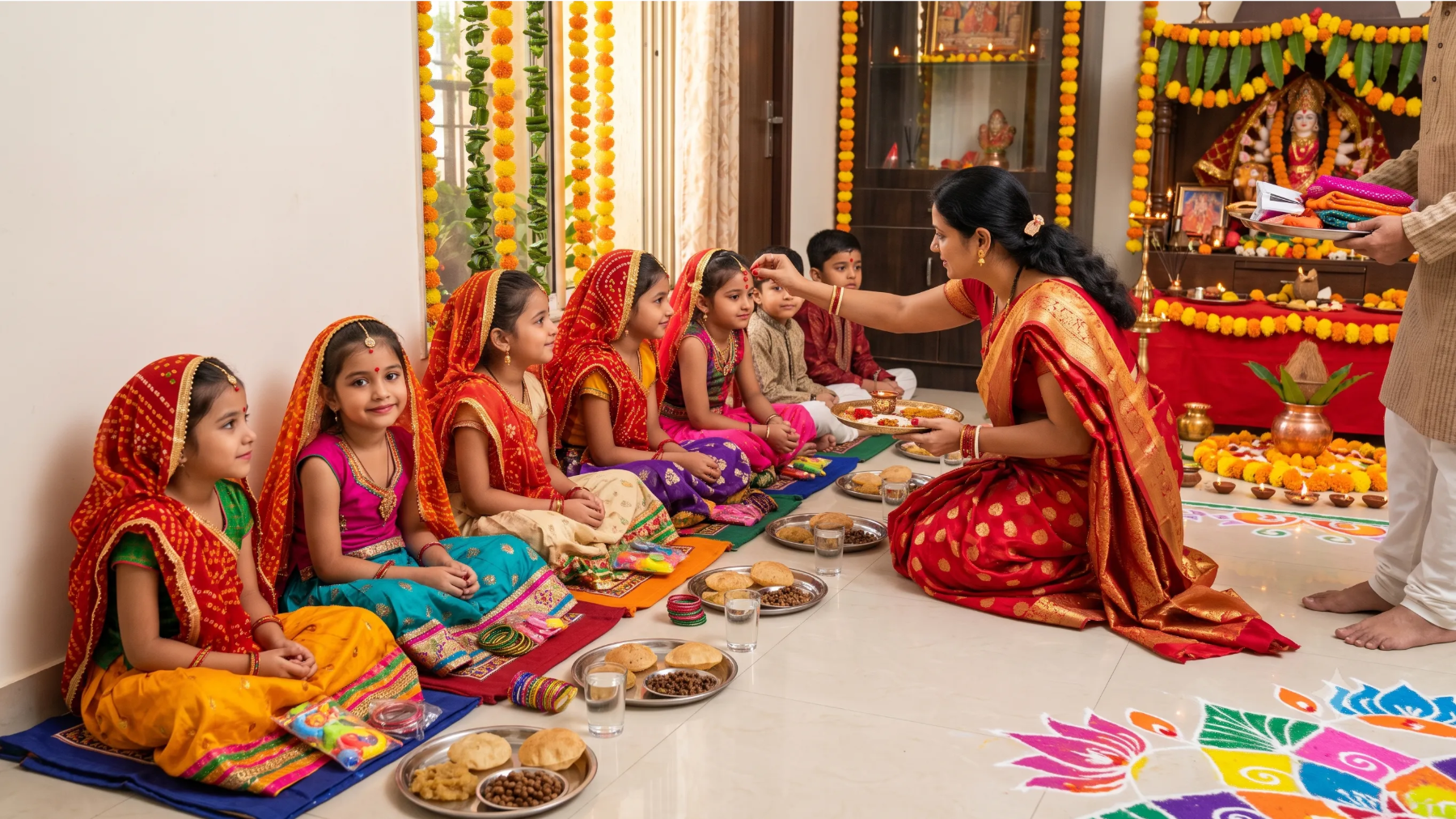
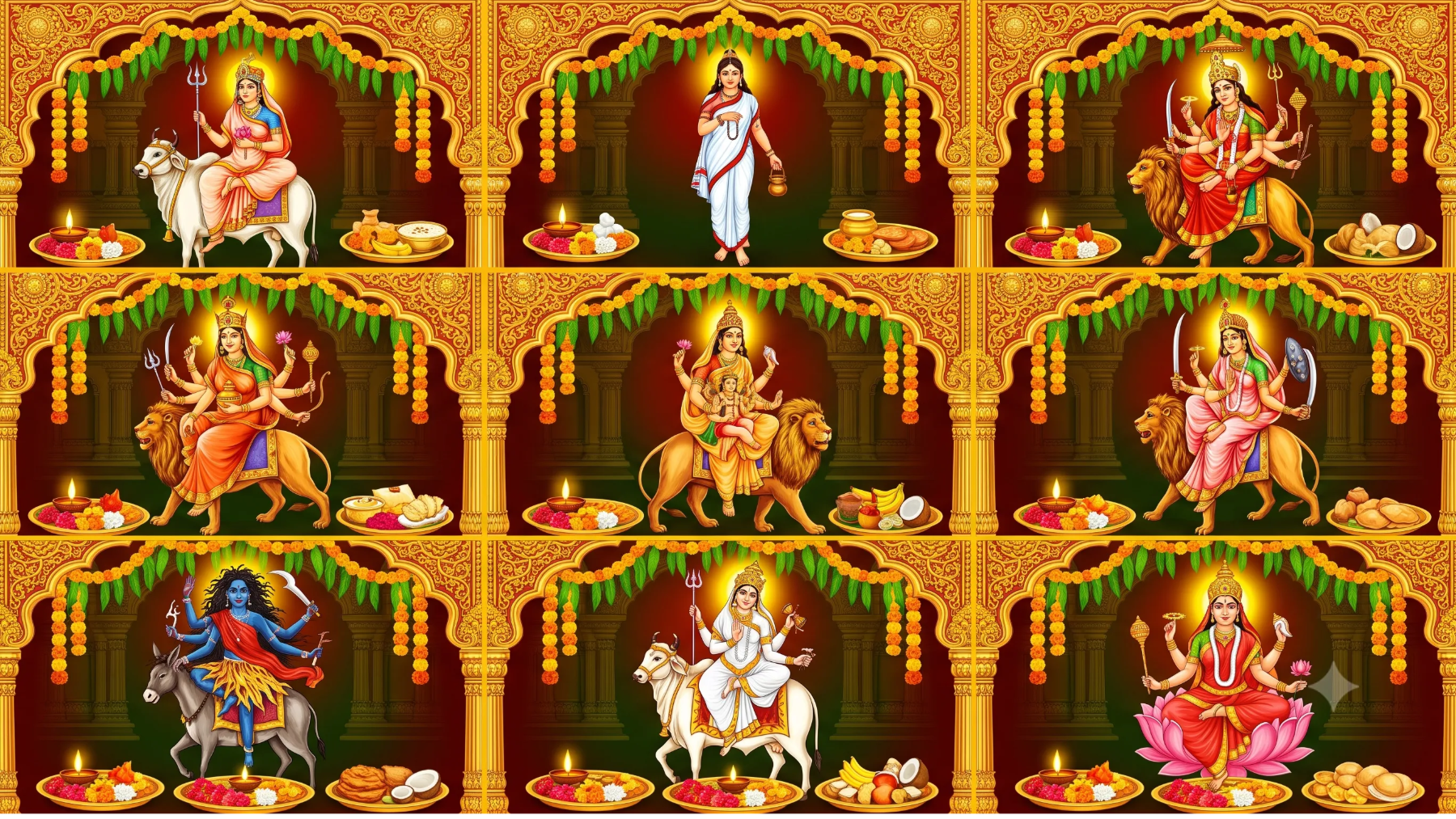
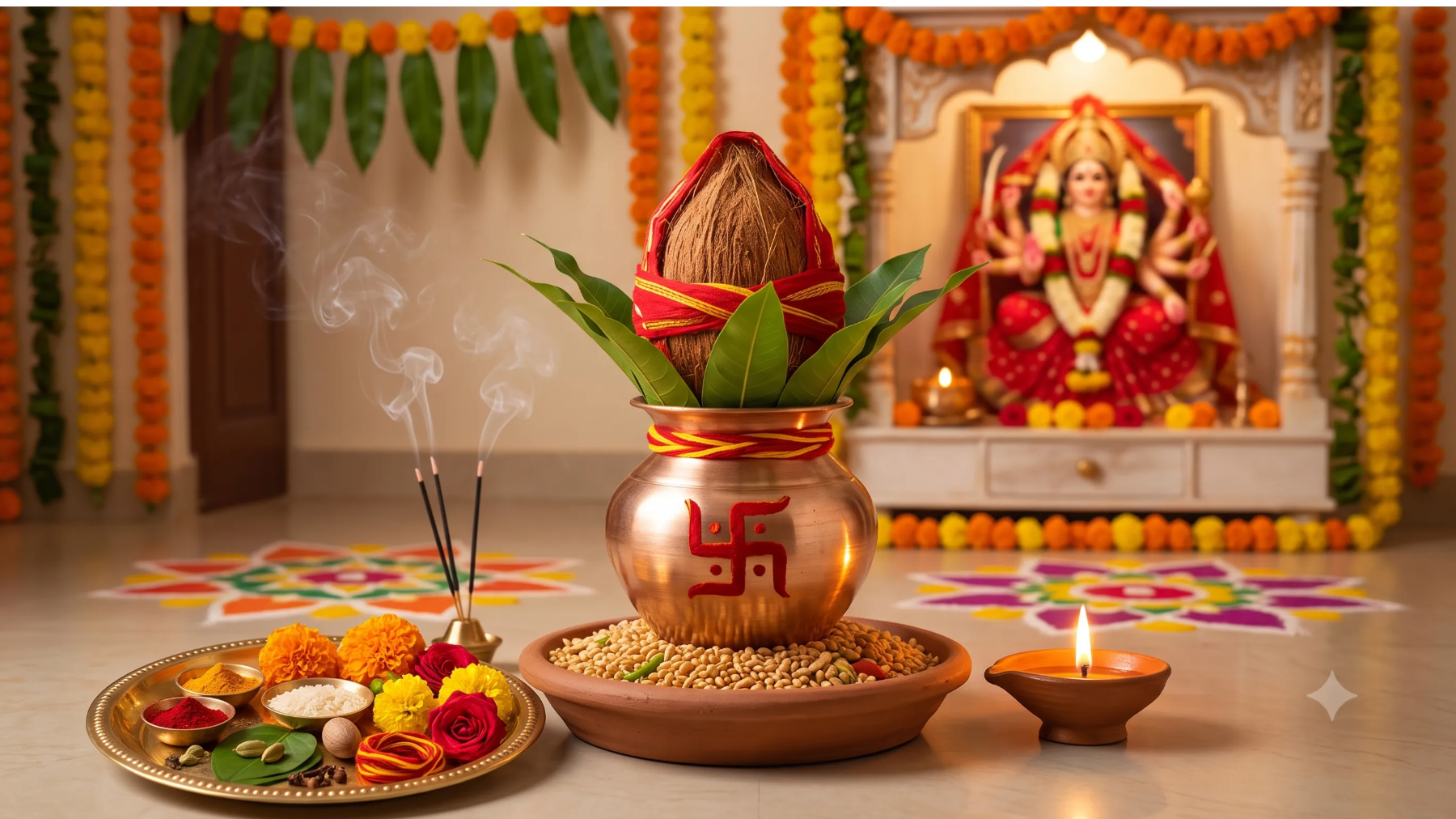
- Navaratri & Durga Puja (September/October): A nine-night festival dedicated to Goddess Durga and her nine forms, celebrating the victory of good over evil. It culminates in Durga Puja (especially in Eastern India) and Dussehra/Vijayadashami, marking Lord Rama's victory over Ravana.
- Diwali (October/November): The "Festival of Lights," one of the most significant Hindu festivals, symbolizing the triumph of light over darkness, good over evil, and knowledge over ignorance. Celebrated with lamps, fireworks, sweets, and family gatherings.
- Chhath Puja (November): A revered ancient Hindu festival dedicated to Surya Dev (the Sun God) and Chhathi Maiya (goddess Usha). Devotees offer prayers, fast, and perform elaborate rituals by riverbanks, seeking blessings for prosperity and well-being.
- Guru Nanak Jayanti (November): Celebrated by Sikhs worldwide, commemorating the birth of Guru Nanak Dev Ji, the founder of Sikhism. Gurudwaras are beautifully decorated, and processions (Nagar Kirtans) are held.
This is just a selection; the Hindu Calendar 2026 is rich with hundreds of regional, deity-specific, and community-based festivals, fasts, and auspicious days throughout the year.
The Modern Dilemma: Why We Miss Sacred Moments
Despite our deep devotion, the complexities of modern life often pull us away from our spiritual anchors. Here are common reasons why devotees unintentionally miss important festivals and observances:
- Busy Schedules: Work, family commitments, and social obligations leave little room for consulting traditional calendars or remembering complex tithi calculations.
- Complexity of the Hindu Calendar: The lunar-solar nature, regional variations, and the concept of tithi ending at different times of the day make it challenging for the average person to keep track without expert guidance.
- Information Overload: We are constantly bombarded with information, making it easy for important dates to get lost in the shuffle.
- Lack of Timely Reminders: Without proactive alerts, even the most dedicated devotees can simply forget amidst their daily routines.
- Accessibility Issues: Traditional printed calendars might not always be handy, and cross-referencing with other schedules can be cumbersome.
This gap between our spiritual intentions and our daily reality is where the Praarthana App steps in as a divine bridge.
Praarthana App: Your Digital Companion for a Connected Spiritual Life
The Praarthana App is more than just a calendar; it's a meticulously crafted spiritual companion designed to empower every devotee to remain deeply connected to their faith. It bridges the ancient wisdom of the Hindu calendar with the convenience of modern technology, ensuring that no sacred moment passes unobserved. Our mission is to simplify your spiritual journey, allowing you to focus on devotion rather than dreading missed dates.
By providing accurate, personalized, and timely information, Praarthana transforms the way you interact with your spiritual calendar. It's built on the understanding that devotion thrives when supported by accessibility and ease.
Key Features of the Praarthana App: Elevate Your Devotion
The Praarthana App is engineered with a comprehensive suite of features, all aimed at enriching your spiritual life. Here’s what makes it an indispensable tool for every devotee:
1. Personalized Festival Alerts & Daily Reminders
- Customizable Notifications: Set reminders for your preferred festivals, fasts, and pujas. Choose how far in advance you want to be alerted – a day before, a few hours before, or at the exact auspicious time.
- Never Miss a Festival: This core feature ensures that whether it's the start of Navaratri, the observance of an Ekadashi fast, or the precise timing for a particular puja, you receive a gentle, timely reminder.
- Pre-Festival Preparation Prompts: Get alerts that help you prepare in advance, such as reminders for cleaning, shopping for puja essentials, or arranging for specific offerings.
2. Comprehensive Hindu Calendar 2026 & Beyond
- Year-at-a-Glance: Easily view all major and minor festivals for the entire Hindu Calendar 2026 and subsequent years, categorized for easy navigation.
- Regional Customization: The app accounts for regional variations in calendar systems (e.g., Amanta, Purnimanta) and specific festival dates, offering an accurate calendar tailored to your location and tradition.
- Detailed Festival Information: Beyond just dates, access comprehensive details about each festival's significance, history, associated deities, and traditional methods of observance.
3. Daily Panchang with Auspicious Timings
- Real-Time Panchang: Get daily updates on the Tithi, Nakshatra, Yoga, Karana, and Vaar, updated for your specific location.
- Auspicious & Inauspicious Timings: Easily identify Muhurtas (auspicious times) for starting new ventures, marriages, Griha Pravesh, and other important life events. Also, be aware of Rahu Kalam, Yamaganda, and Gulika Kalam (inauspicious periods).
- Sunrise & Sunset Times: Accurate local sunrise and sunset timings, crucial for various rituals and fasting observances.
4. Rich Spiritual Content Library
- Festival-Specific Articles: Deepen your understanding with articles explaining the stories, symbolism, and spiritual lessons behind each festival.
- Mantras & Stotras: Access a curated collection of powerful mantras, stotras, and chalisa relevant to various deities and occasions.
- Bhajans & Aartis: Listen to devotional bhajans and aartis, creating a spiritual ambiance wherever you are. High-quality audio helps you connect effortlessly.
5. Personalized Spiritual Journey Tracker
- Fasting & Vrat Tracker: Keep a record of your fasts and vratas, aiding consistency in your spiritual discipline.
- Puja Log: Document the pujas you perform, fostering a sense of accomplishment and tracking your devotional journey.
Benefits of Embracing the Praarthana App: A Path to Deeper आध्यात्मिकता
Integrating the Praarthana App into your daily life offers a multitude of spiritual and practical benefits:
- Seamless Spiritual Connection: Effortlessly stay connected to your faith, traditions, and spiritual practices, even amidst a busy schedule. The app acts as a constant, gentle reminder of your spiritual commitments.
- Never Miss a Festival: This is the paramount benefit. No more last-minute scrambling or regret over forgotten sacred dates. You'll be prepared and ready to participate fully in every observance.
- Deepen Your Understanding: With detailed explanations of festivals, rituals, and the Panchang, you gain a richer, more profound appreciation for your heritage and practices.
- Empowerment Through Knowledge: Access to accurate auspicious timings empowers you to plan your important life events, ensuring they commence under the most favorable celestial influences.
- Reduce Stress and Anxiety: Eliminate the mental burden of remembering countless dates. Let the app handle the scheduling, freeing your mind to focus on devotion.
- Preserve Cultural Heritage: By actively participating in festivals and understanding their significance, you contribute to the vibrant continuity of Sanatana Dharma for future generations.
- Consistency in Sadhana: The regular prompts and detailed guidance help maintain consistency in your daily prayers, fasts, and spiritual routines.
How to Embark on Your Spiritual Journey with Praarthana App
Starting your journey with the Praarthana App is simple and intuitive:
- Download: Visit your device's app store (Google Play Store for Android or Apple App Store for iOS). Search for "Praarthana App" and download it for free.
- Install & Open: Once downloaded, install the app and open it.
- Personalize Your Experience: Set your भौगोलिक स्थान to ensure accurate timings. Choose your preferred calendar system (if applicable) and customize notification settings for the festivals and observances you wish to track.
- Explore & Connect: Dive into the Hindu Calendar 2026, explore festival details, listen to bhajans, and start receiving your daily Panchang updates.
Conclusion: Your Spiritual Companion for 2026 and Beyond
The year 2026, like every year, presents a sacred opportunity to deepen our faith, celebrate our traditions, and grow spiritually. With the Praarthana App, this journey becomes not only possible but also profoundly enriching and effortless. It's more than just an app; it's a bridge to your spiritual self, a guardian of tradition, and a beacon of convenience in a complex world.
Embrace the future of spiritual living. Let the Praarthana App be your trusted guide to the Hindu Calendar 2026, ensuring you never miss a festival, never miss an auspicious moment, and always remain connected to the divine rhythm of Sanatana Dharma. Download the Praarthana App today and transform your spiritual practice into a seamless, joyful, and deeply connected experience.
संबंधित तस्वीरें (Related Images)
अक्सर पूछे जाने वाले प्रश्न (FAQ)
Q: What common problem does the Praarthana App aim to solve?
The Praarthana App aims to solve the problem of missing important Hindu spiritual dates like pujas, sacred fasts, or vibrant festivals due to the challenges of keeping track of the intricate Hindu calendar in modern busy lives.
Q: What is the Praarthana App?
The Praarthana App is described as an ultimate digital companion for the Hindu Calendar 2026 and beyond, designed to provide daily alerts and ensure users never miss a festival, tithi, or auspicious timing.
Q: What is the 'Panchang' in the context of the Hindu calendar?
Panchang literally means 'five limbs' and refers to the Hindu calendar's profound astronomical and astrological treatise, encompassing five key elements: Tithi, Nakshatra, Yoga, Karana, and Vaar.
Q: How is the Hindu calendar classified in terms of its time-keeping system?
The Hindu calendar is a lunisolar system. It follows the cycles of the moon for months and periodically adjusts with intercalary months (Adhik Maas) to keep pace with the solar year.
Q: Why do Hindu festival dates seem to shift annually when viewed against Western calendars?
Hindu festival dates shift annually because the Hindu calendar is a lunisolar system. It uses intercalary months (Adhik Maas) to synchronize lunar months with the solar year, ensuring festivals align with traditional seasons, which causes their dates to vary relative to a purely solar Western calendar.
Q: What are the 'five limbs' that constitute the Panchang?
The five limbs of the Panchang are Tithi (Lunar Day), Nakshatra (Lunar Mansion), Yoga (Union), Karana (Half Tithi), and Vaar (Week Day).
Q: What is a 'Tithi' and its significance?
A Tithi is a lunar day, defined by the angular distance between the Sun and the Moon. There are 30 tithis in a lunar month, each possessing unique energy and significance for performing specific actions or rituals.
Q: What does 'Nakshatra' refer to in the Hindu calendar?
A Nakshatra, or Lunar Mansion, indicates the position of the Moon against specific constellations. There are 27 Nakshatras, each believed to influence events and individual characteristics.
Q: What is 'Yoga' in the context of the Panchang?
Yoga in the Panchang is derived from the combined longitudes of the Sun and Moon, indicating specific planetary influences.
Q: What is the overall spiritual significance of understanding the Hindu calendar?
Understanding the Hindu calendar and its elements helps inform auspicious timings (Muhurtas) for new ventures, ceremonies, and spiritual practices, allowing devotees to seamlessly integrate their spiritual life and connect deeply with their traditions.

Author
Praarthana Editorial Team
The Praarthana Editorial Team shares daily spiritual guidance, authentic rituals, and deep insights from ancient Sanatan scriptures to support your spiritual journey.
ऐप डाउनलोड करें
पंचांग तिथि, त्यौहार, व्रत, उत्सव, एकादशी, आरती संग्रह, मंत्र, व्रत कथा


एक टिप्पणी छोड़ें