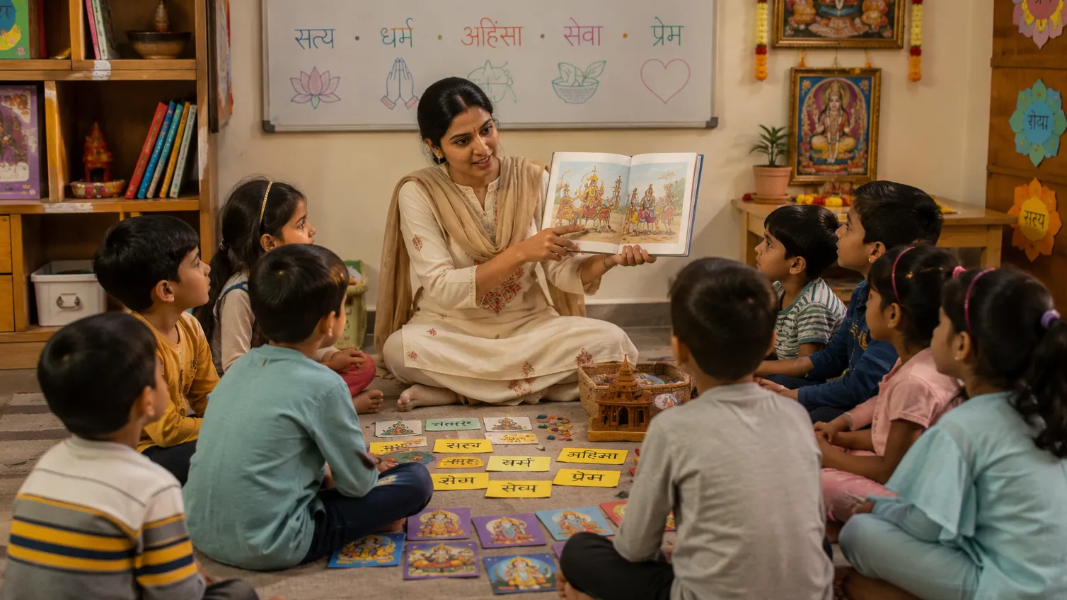
हमारे बच्चों का भविष्य हमारे हाथों में है, और इसमें सबसे महत्वपूर्ण पहलू है उन्हें सही संस्कार और ज्ञान देना। हिन्दू धर्म, अपने गहरे दर्शन, समृद्ध इतिहास और शाश्वत मूल्यों के साथ, जीवन जीने का एक सुंदर मार्ग प्रदान करता है। लेकिन आज की तेज़-तर्रार दुनिया में, बच्चों को धर्म की शिक्षा कैसे दी जाए, यह एक चुनौती हो सकती है। व्याख्यान और उपदेश अक्सर उनके युवा मन को आकर्षित नहीं कर पाते। यहीं पर कहानियों और खेलों से बच्चों को हिन्दू धर्म सिखाना का अद्भुत तरीका काम आता है। यह न केवल प्रभावी है, बल्कि बच्चों के लिए एक आनंदमय और यादगार अनुभव भी बनाता है।
सनातन धर्म केवल कर्मकांडों का समूह नहीं, बल्कि जीवन जीने की एक कला है, जिसमें प्रेम, करुणा, सत्य, धैर्य और न्याय जैसे मूल्य निहित हैं। इन अमूल्य शिक्षाओं को बच्चों तक पहुँचाने का सबसे स्वाभाविक और प्रभावशाली तरीका उन्हें कहानियों में पिरोना और खेलों के माध्यम से प्रस्तुत करना है। कल्पना कीजिए, बच्चे खेलते-खेलते धर्म के गूढ़ सिद्धांतों को सीख रहे हैं, और कहानियों के माध्यम से हमारे देवी-देवताओं और महापुरुषों के जीवन से प्रेरणा ले रहे हैं। यही है kahaniyon aur khelon se sikhayen bachchon ko hindu dharm ki baatein की शक्ति।
The Enduring Wisdom of Hindu Dharma: A Journey for Children
Hindu Dharma is a vast ocean of wisdom, offering profound insights into the nature of existence, the purpose of life, and the path to inner peace. For children, this journey begins with simple stories and engaging activities that make these complex concepts accessible and relatable. It's about planting the seeds of faith, values, and cultural pride in their tender hearts, allowing them to blossom into conscious and compassionate individuals.
Teaching Dharma is not just about memorizing scriptures or performing rituals; it's about fostering an understanding of universal principles that guide ethical living. It's about knowing who Lord Rama was, not just as a deity, but as an embodiment of righteousness. It's about understanding Krishna's mischievous yet profound leelas, which teach us about love, duty, and divine play. When these lessons are imparted through dynamic methods, children absorb them effortlessly, making their spiritual journey a joyful exploration rather than a rigid instruction.
The Magic of Storytelling: Weaving Values into Young Hearts
Stories have been the bedrock of human civilization, transmitting knowledge, culture, and values from one generation to the next. For children, stories are windows to new worlds, opportunities to dream, and lessons wrapped in engaging narratives. When it comes to teaching Hindu Dharma, storytelling is an unparalleled tool.
Why Stories Connect Deeply with Children
- Emotional Engagement: Stories evoke empathy and allow children to connect with characters and their struggles, making moral lessons more impactful. They can feel the devotion of Hanuman, the courage of Arjuna, or the innocence of Prahlada.
- Illustrating Abstract Concepts: Concepts like Dharma, Karma, selfless service, divinity, and reincarnation can be abstract. Stories make these ideas tangible and understandable through relatable scenarios and character actions.
- Cultural Connection: Narrating tales from the Ramayana, Mahabharata, Puranas, and various regional folklores links children to their rich cultural heritage and identity. They learn about festivals, traditions, and the significance behind them.
- Memory Retention: Narratives are far easier to remember than dry facts. A story about truthfulness (like Harishchandra) will stay with a child much longer than a simple instruction to "always speak the truth."
Learning Through Play: When Dharma Becomes Joy
Play is a child's natural language. It's how they explore, experiment, and learn about the world around them. Integrating play into Dharma education transforms learning into an exciting adventure. Games encourage active participation, foster creativity, and reinforce lessons in a fun, non-intimidating way. This approach truly brings the essence of कहानियों और खेलों से बच्चों को हिन्दू धर्म सिखाना to life.
Making Dharma Fun and Interactive with Games
- Active Participation: Games require children to be actively involved, making the learning process dynamic and engaging. They aren't just passive listeners but active participants in their spiritual growth.
- Skill Development: Many games inherently build critical thinking, problem-solving, teamwork, and communication skills, all while reinforcing spiritual themes.
- Reinforcement: Practical application through games helps children internalize values. For instance, a game about sharing can directly teach the value of generosity.
- Positive Associations: When learning is associated with joy and fun, children develop a positive attitude towards their religion, encouraging them to explore it further as they grow.
Practical Approaches: Bringing "कहानियों और खेलों से बच्चों को हिन्दू धर्म सिखाना" to Life
Combining the power of storytelling with the engagement of play creates a synergistic approach to Dharma education. Here are some practical ideas to implement kahaniyon aur khelon se sikhayen bachchon ko hindu dharm ki baatein in your home or classroom:
Engaging Story Ideas for Young Minds
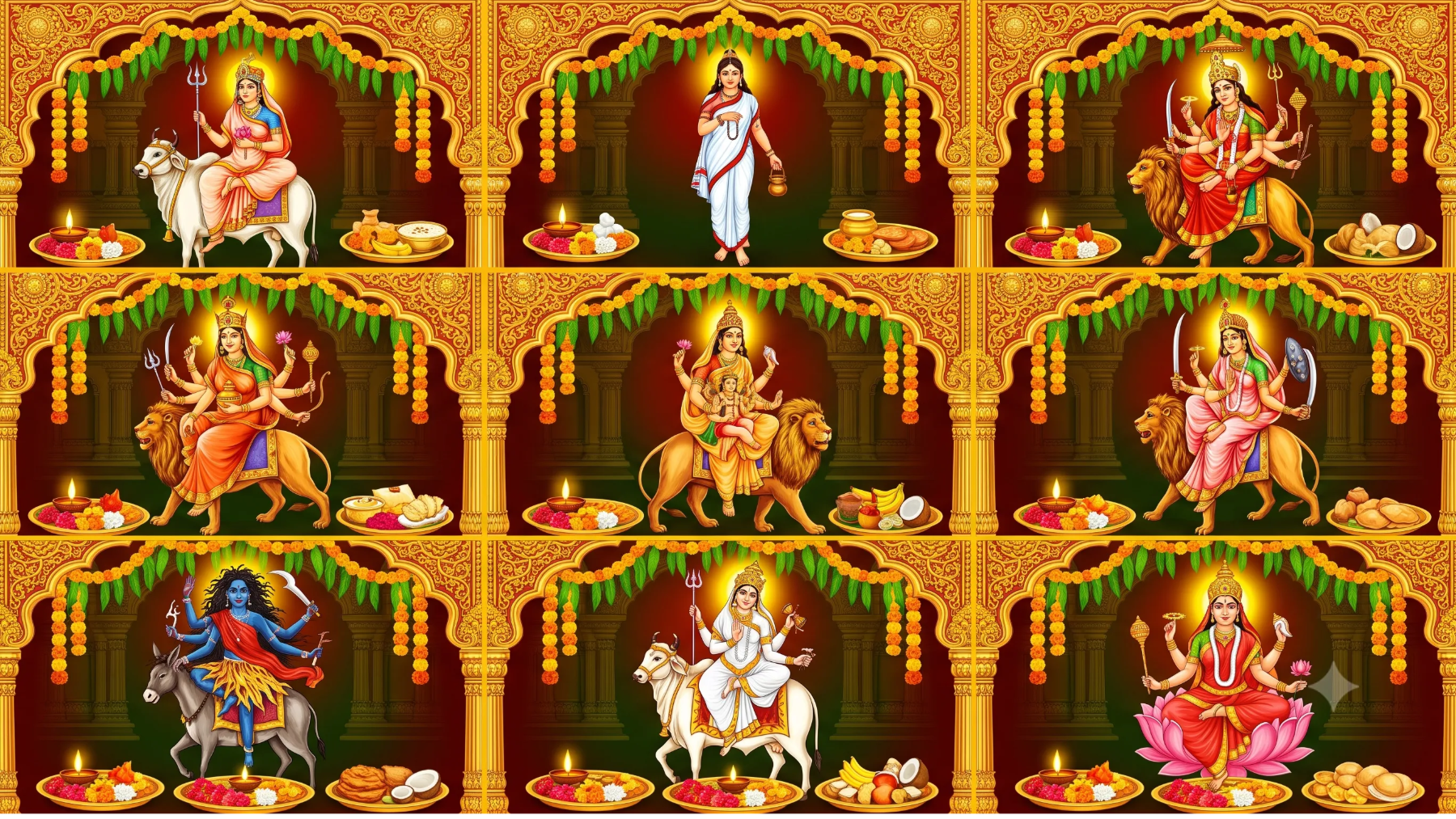
- Puranic Tales: Dive into the vast ocean of Hindu mythology. Narrate stories from the Ramayana (Rama's dharma, Sita's purity, Hanuman's devotion), the Mahabharata (the importance of justice, the Bhagavad Gita's wisdom in simple terms), Krishna Leela (Krishna's divine playfulness, his lessons on friendship and love), and stories of Ganesh (wisdom and devotion), Shiva (detachment and meditation), and Durga (strength and protection). Focus on the moral lessons embedded in each narrative.
- Moral Fables: Share stories from ancient texts like the Hitopadesha or Panchatantra, adapting them to highlight specific Hindu values like truthfulness (Satya), non-violence (Ahimsa), contentment (Santosha), self-control (Dama), and compassion (Karuna).
- Personal Anecdotes: Share how Dharma manifests in your daily life. Simple stories about how you practiced patience, honesty, or kindness can be incredibly powerful and relatable for children.
Interactive Game Ideas for Spiritual Growth
- Role-Playing: Encourage children to act out scenes from epics. They can dress up as Rama, Sita, Hanuman, Krishna, or Radha. This brings characters to life and helps them understand their roles and virtues.
- Dharma-Themed Board Games/Card Games: Create simple DIY board games where players move across a path, answering questions about Hindu deities, festivals, or values, or collecting virtue cards. A 'Karma Game' could teach cause and effect.
- Creative Arts: Encourage drawing and painting deities, illustrating scenes from stories, or creating collages based on Dharma themes. Singing bhajans, kirtans, or simple devotional songs together is also a wonderful way to connect spiritually.
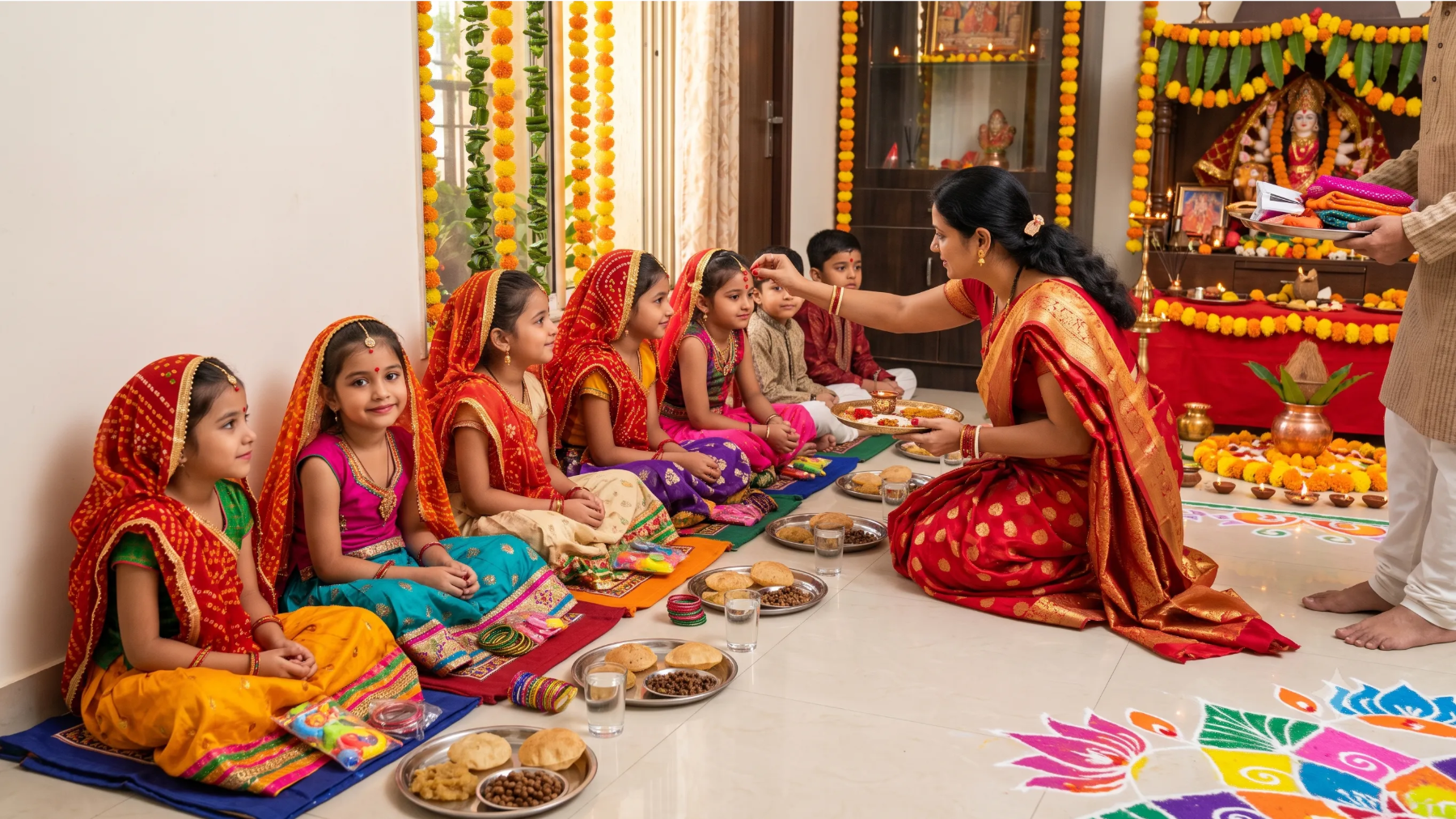
- Festival Celebrations as Learning: Involve children actively in preparing for festivals like Diwali, Holi, Navaratri, or Janmashtami. Explain the stories behind these celebrations, the significance of the rituals, and their spiritual meaning.
- "Dharma Quiz" or Puzzles: Organize fun quiz sessions about Hindu mythology, gods and goddesses, or the significance of various symbols. Simple crosswords or word searches related to Dharma terms can also be engaging.
Tips for Parents and Educators: Nurturing a Spiritual Foundation
Implementing कहानियों और खेलों से बच्चों को हिन्दू धर्म सिखाना requires thought, patience, and love. Here are some tips to help you on this beautiful journey:
- Keep it Simple and Age-Appropriate: Tailor the complexity of stories and games to the child's age and understanding. Start with simpler tales and concepts, gradually introducing more intricate ones.
- Patience and Consistency: Spiritual learning is a gradual process. Be patient, and make these sessions a regular, enjoyable part of your routine rather than an occasional chore.
- Lead by Example: Children learn most from observing adults. Embody the values you wish to teach them – honesty, compassion, respect, and devotion. Your actions speak louder than words.
- Create a Positive and Open Environment: Encourage questions, no matter how simple or complex. Foster an atmosphere where children feel safe to explore their आध्यात्मिकता without fear of judgment.
- Focus on Values, Not Just Rituals: While rituals are important, emphasize the underlying values and spiritual significance behind them. Help children understand the 'why' behind the 'what'.
A Journey of Discovery and Devotion: The Path Ahead
Teaching Hindu Dharma to children through stories and games is more than just education; it's an act of love, a gift of heritage, and an invitation to a lifelong spiritual journey. By making learning fun, engaging, and relatable, we equip our children with a strong moral compass and a deep appreciation for their spiritual roots. Let us embrace this beautiful approach, for truly, कहानियों और खेलों से बच्चों को हिन्दू धर्म सिखाना is the most profound way to illuminate their path and enrich their lives with the eternal wisdom of Sanatana Dharma. As they grow, these early seeds of knowledge and devotion will blossom into a profound understanding, guiding them with peace and purpose throughout their lives. This is the enduring legacy we can offer them, ensuring that the light of Dharma continues to shine brightly through generations.
संबंधित तस्वीरें (Related Images)

अक्सर पूछे जाने वाले प्रश्न (FAQ)
Q: Why is it important to teach Hindu Dharma to children?
It is crucial to impart correct values and knowledge to children, as Hindu Dharma offers a beautiful way of life with deep philosophy, rich history, and eternal values, guiding them to become conscious and compassionate individuals.
Q: What is the main challenge in teaching Hindu Dharma to children in today's fast-paced world?
The main challenge is that traditional methods like lectures and sermons often fail to attract and engage young minds, making it difficult to convey the profound principles of Hinduism effectively.
Q: What is the suggested effective method for teaching Hindu Dharma to children?
The article proposes using stories and games as an amazing and effective way to teach Hindu Dharma, making the learning process joyful, memorable, and highly engaging for children.
Q: Is Hindu Dharma solely about rituals and memorizing scriptures?
No, Hindu Dharma (Sanatan Dharma) is described as not merely a set of rituals or memorizing scriptures, but an art of living encompassing universal principles and values such as love, compassion, truth, patience, and justice.
Q: How do stories deeply connect with children for learning religious values?
Stories foster emotional engagement, allowing children to empathize with characters and their struggles. This makes moral lessons more impactful and helps illustrate abstract concepts like Dharma, Karma, and reincarnation in an accessible way.
Q: What kind of values and principles can children learn through this dynamic method?
Children can learn fundamental values like love, compassion, truth, patience, justice, righteousness, and duty. They also gain an understanding of concepts like selfless service, divinity, and reincarnation.
Q: Can you give examples of specific Hindu figures or concepts children can learn about?
Children can learn about Lord Rama as an embodiment of righteousness, understand Krishna's profound leelas which teach about love and duty, and feel the devotion of Hanuman or the courage of Arjuna through engaging narratives.
Q: What is the role of games in teaching Hindu Dharma to children?
Games provide a joyful and active learning environment where children can absorb profound religious principles effortlessly, making their spiritual journey an exploration rather than rigid instruction.
Q: What is the ultimate goal of imparting Hindu Dharma to children through stories and games?
The ultimate goal is to plant the seeds of faith, values, and cultural pride in their young hearts, allowing them to blossom into conscious and compassionate individuals who live ethically.
Q: Why is storytelling considered an 'unparalleled tool' for this purpose?
Stories are considered an unparalleled tool because they have historically transmitted knowledge and values across generations. For children, stories are windows to new worlds, offering opportunities to dream and making complex lessons engaging and memorable.

Author
Praarthana Editorial Team
The Praarthana Editorial Team shares daily spiritual guidance, authentic rituals, and deep insights from ancient Sanatan scriptures to support your spiritual journey.



ऐप डाउनलोड करें
पंचांग तिथि, त्यौहार, व्रत, उत्सव, एकादशी, आरती संग्रह, मंत्र, व्रत कथा



एक टिप्पणी छोड़ें