Navratri
Navratra 2026: Auspicious Muhurat for Kalash Stapana, Worship Method, and Complete Material List
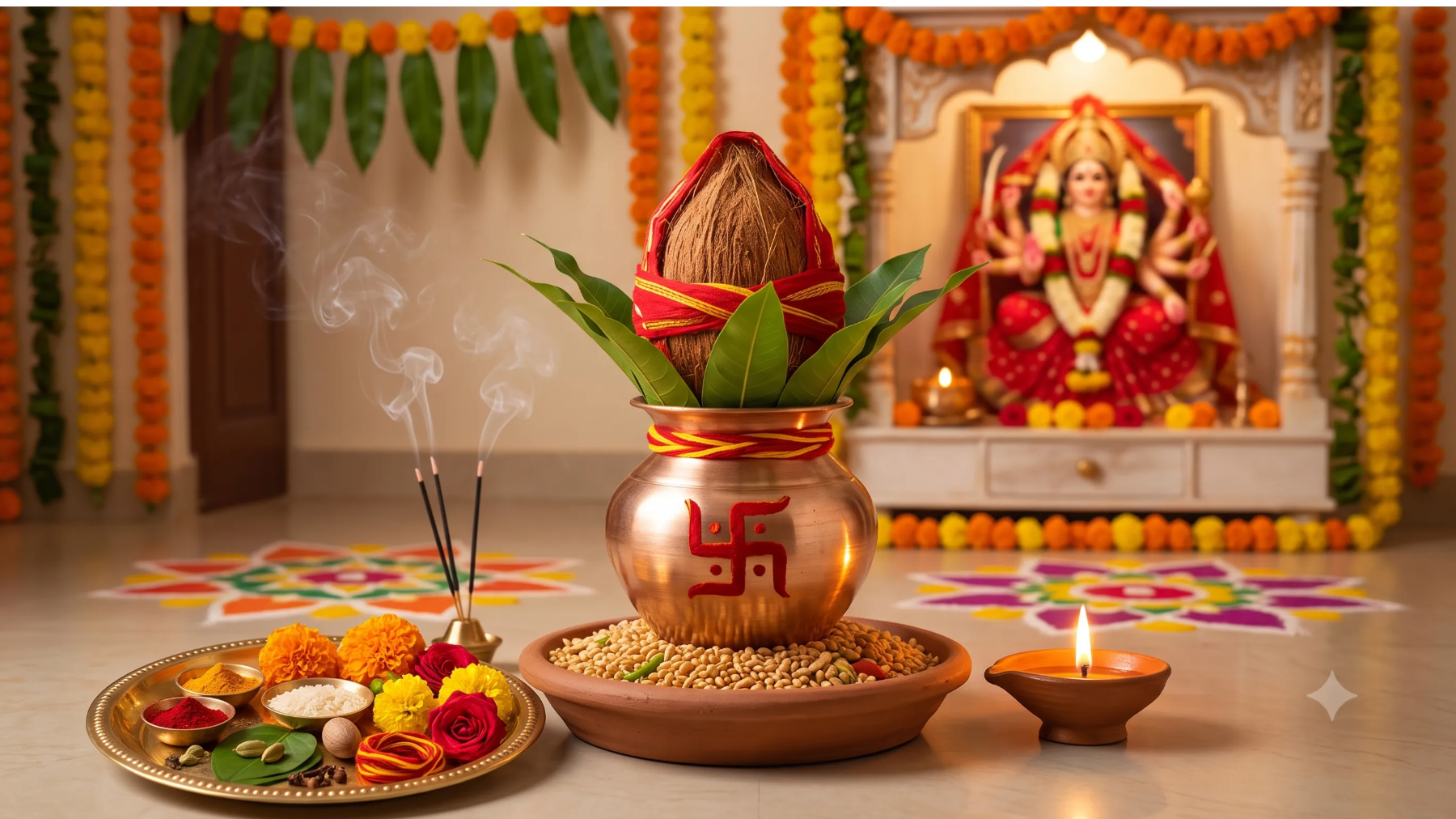
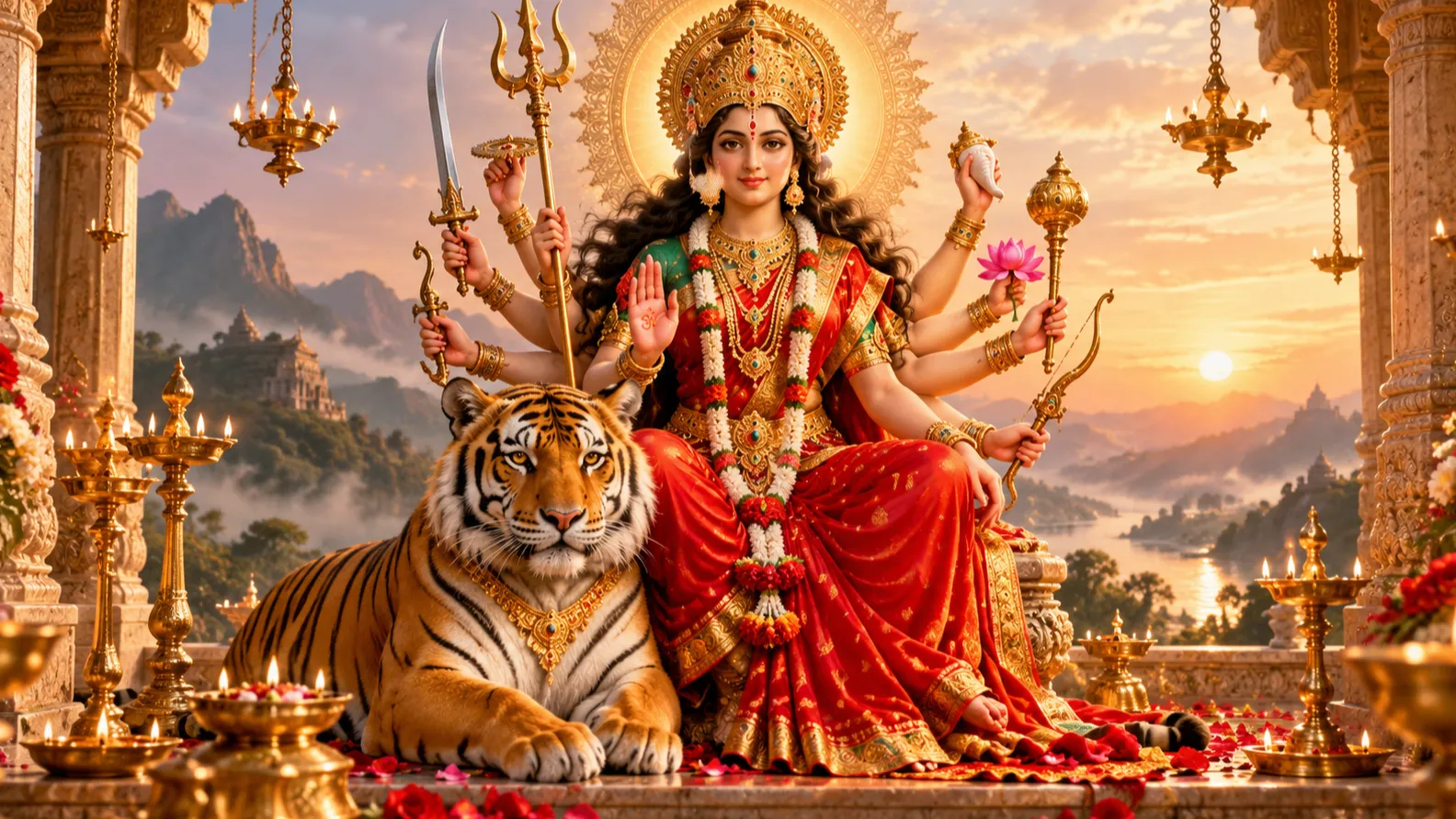
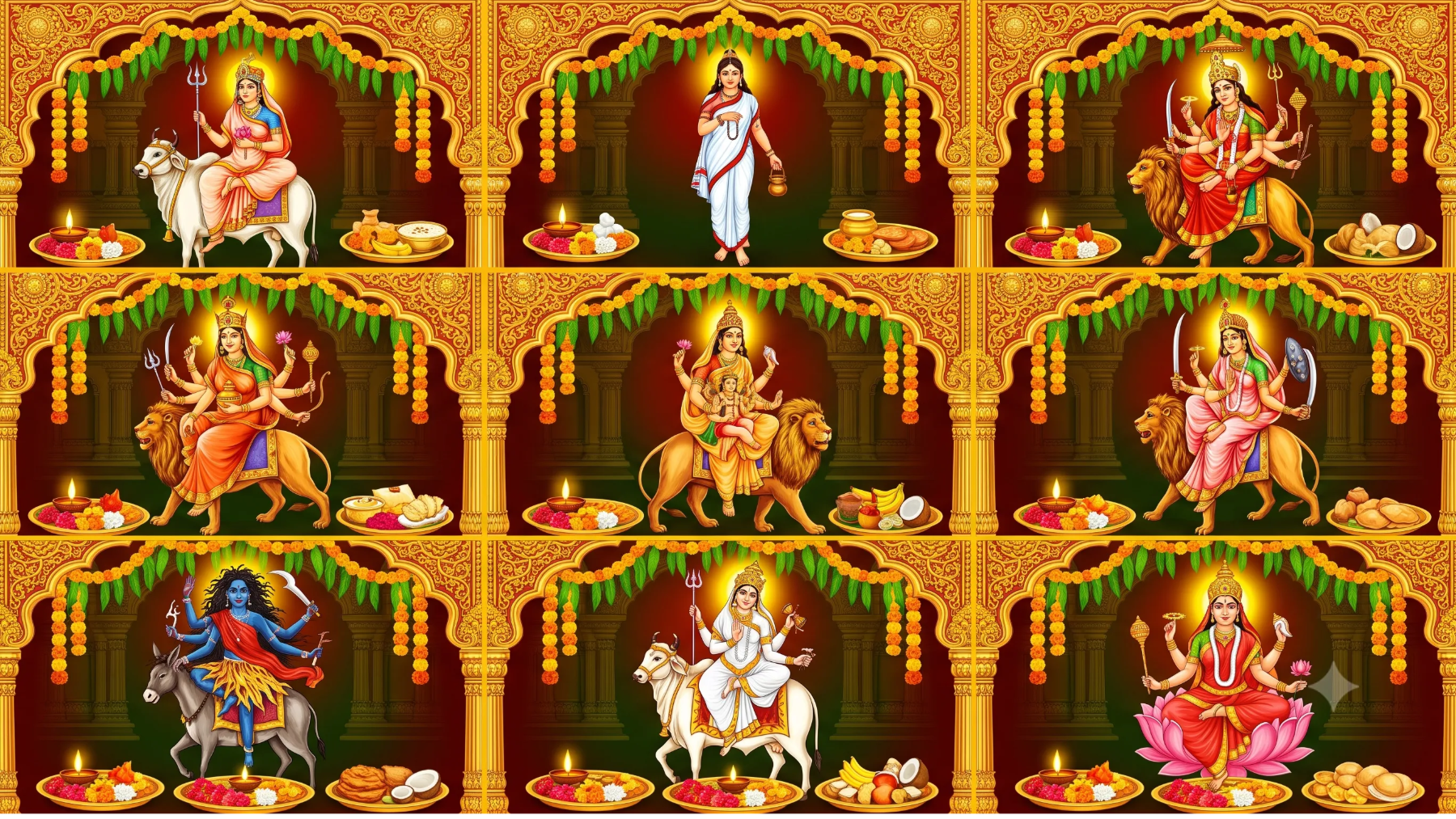
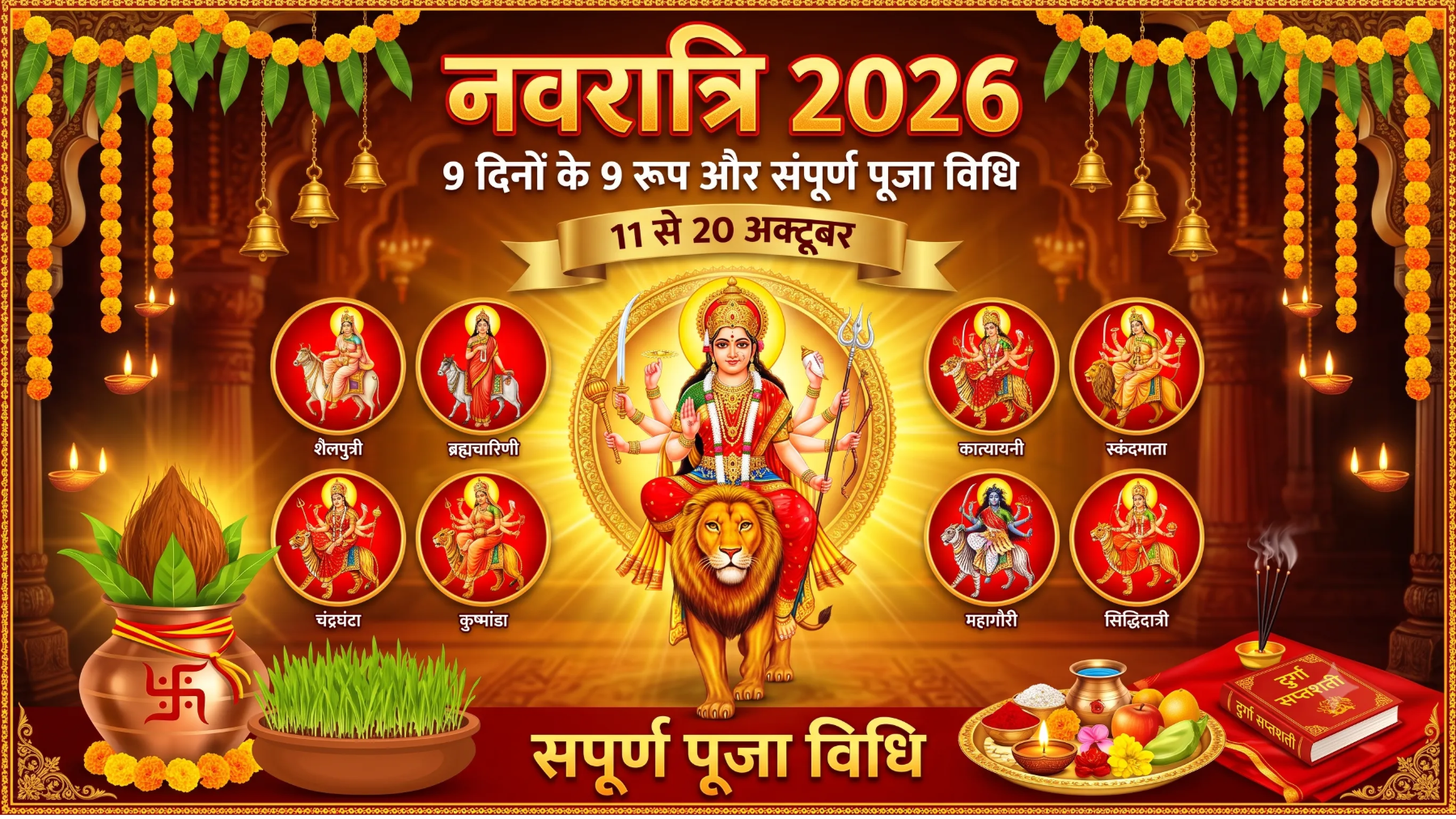
In Sanatan culture, the festival of Navratra is celebrated with immense enthusiasm, devotion, and joy. Navratra arrives a total of four times a year—two Gupt Navratras and two Prakat (Chaitra and Shardiya) Navratras. Among these, the Navratra arriving in the month of Chaitra holds special spiritual and astrological significance, as it is also considered the beginning of the Hindu New Year (Vikram Samvat). When we talk about Chaitra Navratra 2026, preparations among devotees for welcoming and worshipping Goddess Durga begin well in advance. During these nine days of Navratra, the nine different forms of the universal mother, Goddess Durga, are duly worshipped.
The most important step to attain the blessings of Goddess Durga and to begin this nine-day grand festival is - Navratra 2026 Kalash Stapana (Ghatsthapana). Establishing the Kalash at the correct auspicious time brings happiness, peace, prosperity, and positive energy into the home. In this detailed article, we are providing you with information in English regarding the Navratra 2026 auspicious muhurat, the simple and precise Kalash Stapana method, and a complete Navratra worship material list.
Date and Significance of Chaitra Navratra 2026
In the year 2026, the holy festival of Chaitra Navratra is beginning in the month of March. According to astrological calculations, the nine-day journey of Navratra begins from the Pratipada Tithi of Chaitra Shukla Paksha. During this time, devotees of the Mother Goddess keep fasts, recite Durga Saptashati, and light the Akhand Jyoti. This festival of Navratra is not only a religious ritual, but also a symbol of self-purification, restraint, and discipline.
Navratra 2026 Kalash Stapana: Exact Auspicious Muhurat
According to the scriptures, Kalash Stapana (Ghatsthapana) should always be done at the right time and auspicious muhurat. One should avoid establishing the Kalash during Rahukal or inauspicious yoga. Let us know about the Navratra 2026 auspicious muhurat:
- Chaitra Navratra Pratipada Tithi Begins: March 2026 (according to the astrological arrival of precise dates)
- Main Auspicious Muhurat for Kalash Stapana: The time after sunrise in the morning is considered the best. Ghatsthapana should be done in the first one-third part of the Pratipada Tithi.
- Abhijit Muhurat: If you are unable to establish the Kalash in the main morning muhurat, Kalash Stapana can also be done during the 'Abhijit Muhurat' arriving at midday, which is considered free from all kinds of flaws.
Note: Since astrological calculations may vary slightly according to sunrise and local time, please confirm the exact time from your nearest calendar (panchang) or priest before establishing the Kalash.
Navratra Worship Material List (Complete List)
To ensure that there are no obstacles during the worship and all materials are available on time, we have prepared a detailed Navratra worship material list here. You can collect all the materials in advance according to this list:
- For the establishment of the Mother Goddess: Red or yellow colored new cloth (to spread on the chowki), idol or picture of the Mother Goddess.
- Materials for Kalash Stapana:
- Clay or copper/brass Kalash
- Pure water (mixed with Gangajal)
- Coin (one rupee coin)
- Betel nut (supari)
- 5 or 7 fresh mango or ashoka leaves
- A coconut with tuft (jata)
- Kalava (sacred thread)
- A little Akshat (whole rice)
- For sowing Javara (barley sprouts): A clean clay vessel (small pot or container), pure clean soil, and barley seeds.
- Mother's adornment items (Solah Shringar): Chunri (red colored), Mahavar, vermilion (sindoor), bindi, bangles, alta, perfume, comb, mirror, and other items of marital bliss.
- Worship and Havan Materials:
- Roli, sandalwood, kumkum
- Camphor, desi ghee, lamp, wicks (cotton)
- Incense sticks or dhoopbatti
- Flowers and flower garlands (especially marigold or rose)
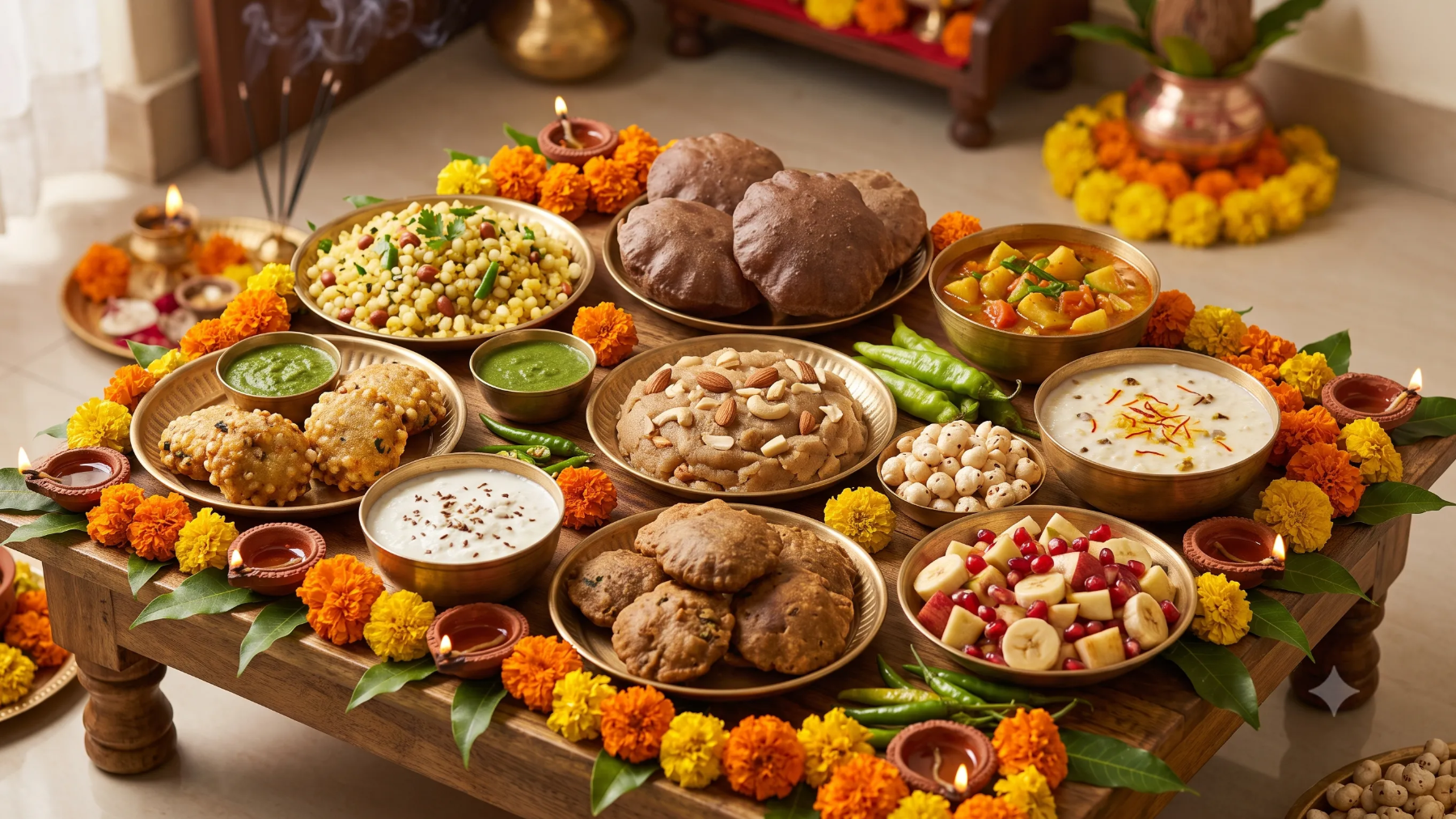
- Fresh fruits (banana, apple, pomegranate, etc.)
- Sweets or kheer (for naivedya)
- Cloves, cardamom, and betel leaf
- Mango wood for havan, havan kund, black sesame seeds, barley, havan materials, and turtle stamp or camphor.
Kalash Stapana Method: Step-by-Step Guide
Ghatsthapana or Kalash Stapana is an extremely sacred ritual in Hinduism. It should be performed strictly according to the rules described in the Vedas and Puranas. Here we are explaining the detailed Kalash Stapana method in simple language:
- Purification of the Place: Wake up early in the morning on the first day of Navratra, take a bath, and wear clean clothes. After this, clean your worship room (temple) thoroughly and purify it by sprinkling Gangajal.
- Decorate the Chowki: Keep a clean chowki at the worship site and spread a red or yellow cloth on it. Enthrone the idol or picture of Goddess Durga on this chowki.
- Sowing Javara: Put pure soil in a clay vessel near the chowki and sow barley seeds in it. Sprinkle a little water on it. It is believed that the better the barley sprouts grow, the more happiness and prosperity comes into the house.
- Preparing the Kalash: Now make a Swastika symbol with roli on the clay or copper Kalash. Tie Kalava (sacred thread) around the neck of the Kalash.
- Putting Materials in the Kalash: Fill pure water inside the Kalash. Put a little Gangajal, a coin, betel nut, akshat, and a little dub grass into that water.
- Placing Leaves: Arrange fresh mango or ashoka leaves at the mouth of the Kalash. Place a lid or bowl filled with a little rice on top of it.
- Placing the Coconut: Wrap a red chunri around the coconut with a tuft and tie it with Kalava. Now install this coconut on the lid placed over the Kalash. (Note that the face of the coconut should be towards you or upwards).
- Resolution and Invocation: After Kalash Stapana, take water, rice, and flowers in your hand and take a vow for the fast and worship. After this, worship the Kalash invoking Lord Varuna and all the deities.
- Lighting the Akhand Jyoti: If you want to light the nine-day Akhand Jyoti, light a large ghee or oil lamp on the right side of the Mother Goddess.
- First Day Aarti: After Kalash Stapana, meditate on Goddess Shailputri (the goddess of the first day of Navratra), offer her bhog, and finally perform the aarti with devotion.
Important Points to Remember During Navratra Worship
It is considered very important to follow certain rules during these nine holy days of Navratra:
- Maintain a sattvic environment at home. Give up garlic, onion, and tamasic food.
- If you have established the Kalash and lit the Akhand Jyoti, never leave the house empty. Some member of the family must stay at home.
- Perform the aarti of the Mother Goddess regularly in the morning and evening and recite Durga Saptashati.
- Wake up during the Brahma Muhurta, respect the elders, and do not let any kind of negative thoughts enter your mind.
Conclusion
This holy festival of Navratra infuses new energy, positivity, and enthusiasm into our lives along with the worship of Goddess Shakti. By performing Navratra 2026 Kalash Stapana at the right time, following the Kalash Stapana method as per rituals, and worshipping Goddess Durga with the complete Navratra worship material list, the infinite grace of the Mother Goddess will surely shower upon you and your family. We sincerely hope that this detailed guide will make your Navratra celebration even more auspicious and fruitful. May Mata Rani fulfill all your wishes!
अक्सर पूछे जाने वाले प्रश्न (FAQ)
Q: In which month is the festival of Navratra starting in the year 2026?
In the year 2026, the holy festival of Chaitra Navratra is starting in the month of March.
Q: How many times a year does Navratra arrive in Sanatan culture?
Navratra arrives a total of four times a year in Sanatan culture - two Gupt Navratras and two Prakat (Chaitra and Shardiya) Navratras.
Q: Why is Chaitra Navratra considered of special significance?
The Navratra arriving in the month of Chaitra holds special spiritual and astrological significance because it is also considered the beginning of the Hindu New Year (Vikram Samvat).
Q: Who is worshipped during the nine days of Navratra?
During these nine days of Navratra, the nine different forms of the universal mother, Goddess Durga, are duly worshipped.
Q: Which is considered the best time for Kalash Stapana (Ghatsthapana)?
The time after sunrise in the morning is considered the best. Ghatsthapana should be done in the first one-third part of the Pratipada Tithi.
Q: If the Kalash cannot be established in the morning, in which muhurat can it be established?
If you are unable to establish the Kalash in the main morning muhurat, Kalash Stapana can be done during the 'Abhijit Muhurat' arriving at midday.
Q: What should be confirmed before Kalash Stapana?
Before Kalash Stapana, one must confirm the exact time from a nearby panchang or priest.
Q: What color should the cloth be to spread on the Mother's chowki?
A red or yellow colored new cloth is used to spread on the chowki for the establishment of the Mother Goddess.
Q: Which vessels can be used for Kalash Stapana?
Clay or copper/brass Kalash can be used for Kalash Stapana.
Q: How many mango or ashoka leaves should be there to keep in the Kalash?
There should be 5 or 7 fresh mango or ashoka leaves to keep in the Kalash.

Author
Praarthana Editorial Team
The Praarthana Editorial Team shares daily spiritual guidance, authentic rituals, and deep insights from ancient Sanatan scriptures to support your spiritual journey.
ऐप डाउनलोड करें
पंचांग तिथि, त्यौहार, व्रत, उत्सव, एकादशी, आरती संग्रह, मंत्र, व्रत कथा



एक टिप्पणी छोड़ें