
The auspicious festival of Navratri brings enthusiasm, devotion, and positive energy into our lives. During these nine days, along with worshipping Goddess Durga, many people also observe fasts (upvas). Fasting holds great significance from a religious perspective, but it is also considered very beneficial from a scientific viewpoint. Fasting aids in the internal cleansing (detoxification) of our body and gives the digestive system a much-needed rest. However, people often unknowingly consume foods during fasts that can harm their health or cause weakness.
If you also remain confused about what to eat and what not to eat during Navratri fasting, this article is just for you. In this complete health guide, we will tell you which items should be consumed and which should be avoided during the fast, so that both your faith and health remain intact.
Significance of Navratri Fasting and Our Health
Navratri, arriving at the time of seasonal transition, is a great opportunity to strengthen our body's immune system. The Navratri fasting diet is not just about starving; rather, it is a way to provide proper and sattvic nourishment to the body. If you plan your fruit-based diet (phalahar) correctly, you will feel energetic throughout the nine days. Let us know about its essential rules and dietary guidelines.
What to Eat During Navratri Fasting: Energy and Nutrient-Rich Foods
To protect the body from weakness during the fast, you should choose foods that are light to digest yet packed with energy. Here is a detailed list of what to eat during Navratri:
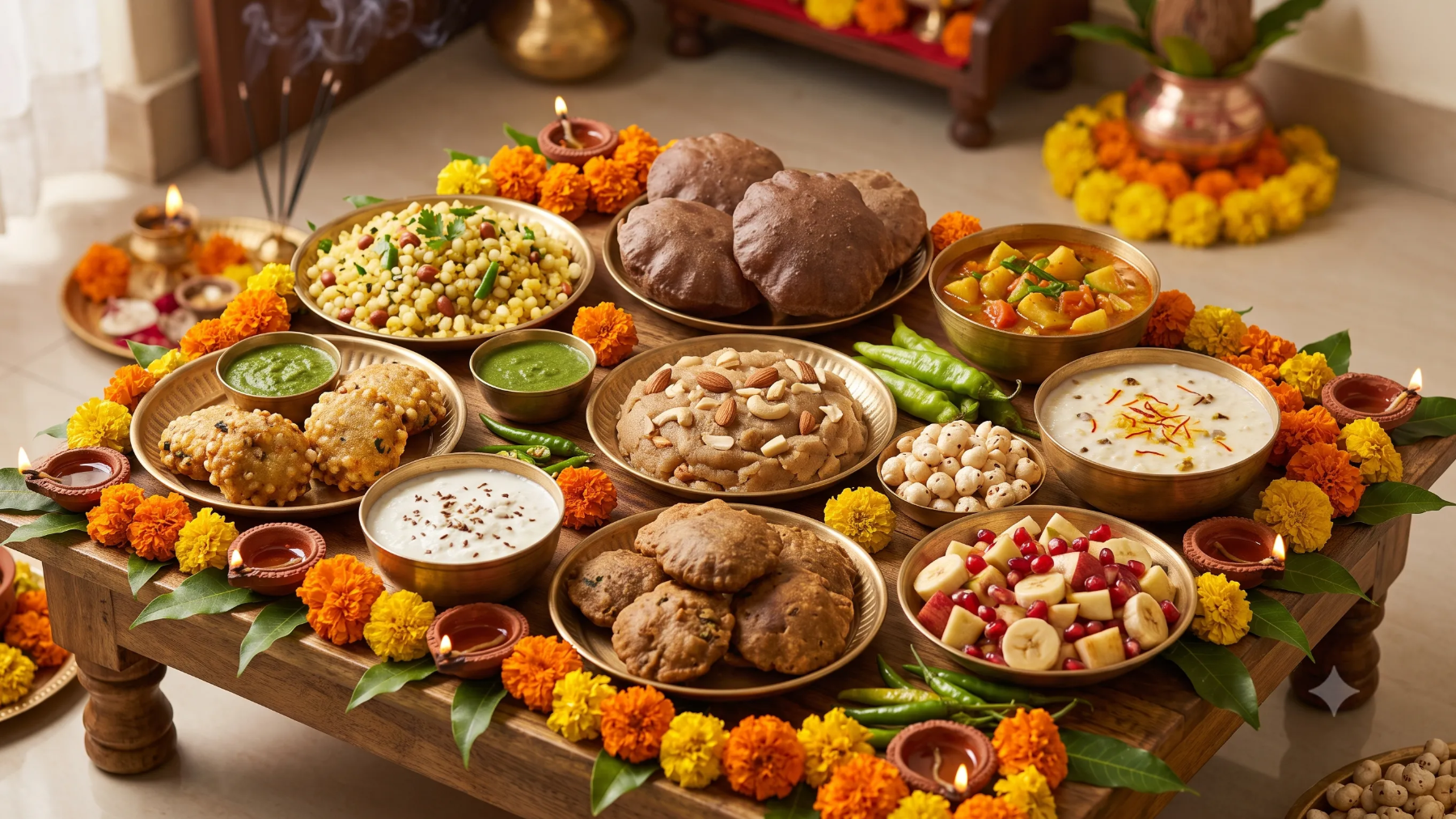
- Buckwheat Flour (Kuttu ka Atta): Buckwheat flour is gluten-free and rich in protein and fiber. It can be consumed by making pooris, rotis, or cheela, which keep the stomach full for a long time.
- Water Chestnut Flour (Singhare ka Atta): This provides a cooling effect to the body and contains nutrients like potassium, vitamin B, and zinc. Rotis or halwa made from this are a great source of energy during the fast.
- Sago (Sabudana): Rich in carbohydrates, sago provides instant energy. Its khichdi or kheer is very popular during fasts. Just make sure to use less oil or ghee while preparing it.
- Fox Nuts (Makhana): Makhana is a treasure trove of calcium, iron, and anti-oxidants. Lightly roasting them in ghee and adding rock salt makes them a very beneficial snack.
- Rock Salt (Sendha Namak): Normal salt should always be replaced with rock salt during fasts. It helps in keeping blood pressure under control and is also light on the stomach.
- Fresh Fruits and Juices: Fruits like apples, bananas, papayas, pomegranates, and oranges keep the body hydrated and provide vitamins. You can also have coconut water or fresh fruit juice.
- Milk and Dairy Products: Paneer, curd, buttermilk, and skimmed milk fulfill the deficiency of protein and calcium. Drinking buttermilk keeps the stomach cool.
- Dry Fruits: Eating almonds, cashews, raisins, and walnuts provides strength to the body and prevents weakness.
Popular and Healthy Phalahar Recipes
To avoid boring food during the fast, you can try some delicious phalahar recipes:
- Makhana Kheer: A delicious and nutritious kheer can be made by boiling makhanas in milk and adding cardamom and dry fruits to it.
- Potato Raita (Aloo ka Raita): Make curd raita by adding boiled potato pieces and roasted cumin seeds. This is very good for digestion.
- Sabudana Khichdi: Sabudana khichdi made with peanuts, green chillies, curry leaves, and rock salt makes for a great meal.
What Not to Eat During Navratri Fasting: Forbidden Foods
There are certain items during a fast that are considered strictly prohibited because they affect both your health and the purity of the fast:
- Table Salt: Do not use normal iodized salt in fasting food at all. Use only rock salt instead.
- Grains and Pulses: Wheat, rice, semolina (suji), refined flour (maida), gram flour (besan), and any kind of lentils (like moong, chana, urad) are not consumed during the fast.
- Onion and Garlic: These are considered tamasic foods, so their consumption is strictly forbidden during these holy days of Navratri.
- Non-Veg and Eggs: Non-vegetarian food and eggs should be completely avoided.
- Spices: Spices like turmeric, asafoetida (hing), garam masala, mustard seeds (rai), and coriander powder are generally prohibited in fasting food.
- Packaged and Junk Food: Avoid store-bought chips, namkeen, or canned foods as they may contain ingredients that go against the rules of fasting.
Tips to Maintain Health and Energy During Fasting
Often people follow the rules of fasting but forget small health-related things. By adopting these suggestions given in this Navratri health guide, you can stay healthy:
- Stay Hydrated: Drink at least 8-10 glasses of water throughout the day. Apart from this, consume lemonade, coconut water, buttermilk, and green tea to prevent dehydration in the body.
- Do Not Overeat at Once: Instead of eating a heavy meal all at once in the morning or evening, take light phalahar 4-5 times at short intervals throughout the day. This will prevent acidity and heaviness.
- Avoid Fried Foods: Deep frying buckwheat pooris or potato chips can cause complaints of gas and constipation. Try to consume boiled foods or items cooked in minimal oil/ghee.
- Get Adequate Sleep: Physical weakness can occur during fasting days, so make sure to get 7-8 hours of good sleep to keep the body refreshed.
- Exercise: Heavy workouts may not be suitable, but continue light yoga, pranayama, or walking to maintain better blood circulation in the body.
Essential Rules of Navratri Fasting
Apart from diet, there are some other Navratri fasting rules that, when followed, yield the full benefits of the fast and keep the mind peaceful:
- Adopt sattvic thoughts during the fast and stay away from anger or negativity.
- Focus your mind on the worship and meditation of the Goddess.
- If you have any serious illness (such as diabetes or blood pressure), definitely consult your doctor before keeping the fast.
Conclusion
Navratri fasting is a great medium for our physical purification and mental peace. If you observe this fast with the right diet and restraint, it is nothing less than a boon for your health. Hopefully, this Navratri fasting diet guide will prove useful to you. This Navratri, immerse yourself in the devotion of the Goddess while taking complete care of your health. Wishing you all a very happy Navratri!
अक्सर पूछे जाने वाले प्रश्न (FAQ)
Q: What is the religious and scientific significance of observing Navratri fasts?
From a religious perspective, fasting is highly significant, and scientifically, fasting helps in internal cleansing or detoxification of our body while giving the digestive system a rest.
Q: Does keeping Navratri fasts strengthen the body's immune system?
Yes, Navratri, which arrives during the seasonal change, provides a great opportunity to strengthen our body's immune system.
Q: Which flour is considered beneficial for health during Navratri fasts?
Buckwheat flour (kuttu ka atta) and water chestnut flour (singhare ka atta) are considered very beneficial to eat during fasts as they are rich in energy and nutrients.
Q: What are the health benefits of buckwheat flour?
Buckwheat flour is gluten-free and contains abundant amounts of protein and fiber, which keeps the stomach full for a long time.
Q: What benefits does the body get from consuming water chestnut flour?
Water chestnut flour provides a cooling effect to the body and contains nutrients like potassium, vitamin B, and zinc.
Q: Does sago (sabudana) work to provide energy during fasts?
Yes, sago is rich in carbohydrates and provides instant energy to the body; its khichdi or kheer is very popular during fasts.
Q: How can makhana be eaten during fasts and what are its benefits?
Makhana is a treasure trove of calcium, iron, and anti-oxidants. It can be eaten as a snack by lightly roasting it in ghee and adding rock salt.
Q: Which salt should be eaten instead of normal salt during fasts?
Rock salt (sendha namak) should always be used instead of normal salt during fasts because it helps control blood pressure and is light on the stomach.
Q: Which fruits and drinks should be consumed to keep yourself hydrated during Navratri fasts?
Fresh fruits like apples, bananas, papayas, pomegranates, and oranges should be eaten. Additionally, coconut water and fresh fruit juice can also be taken.
Q: Can milk and dairy products be consumed during the fast?
Yes, paneer, curd, buttermilk, and skimmed milk fulfill the deficiency of protein and calcium, and drinking buttermilk also keeps the stomach cool.
Q: Which dry fruits should be eaten during fasts to avoid weakness?
Eating almonds, cashews, raisins, and walnuts gives strength to the body and prevents weakness during the fast.
Q: Is the Navratri diet just about starving?
No, the Navratri fasting diet is not just about staying hungry, but rather a way to provide proper and sattvic nourishment to the body.
Q: What is the impact on health of unknowingly eating the wrong things during a fast?
Eating the wrong things during a fast can harm health and can also cause weakness.
Q: What should be done to remain energetic throughout the nine days of the fast?
If you plan your fruit diet correctly and choose foods that are easy to digest and energizing, you will feel energetic all nine days.
Q: What special care should be taken while preparing sago (sabudana)?
While preparing sago, special care should be taken to use as little oil or ghee as possible.

Author
Praarthana Editorial Team
The Praarthana Editorial Team shares daily spiritual guidance, authentic rituals, and deep insights from ancient Sanatan scriptures to support your spiritual journey.


ऐप डाउनलोड करें
पंचांग तिथि, त्यौहार, व्रत, उत्सव, एकादशी, आरती संग्रह, मंत्र, व्रत कथा



एक टिप्पणी छोड़ें