Temples
Goddess Mansa Devi Enthroned on the Mountain: The Miraculous Temple of Haridwar and Its Significance
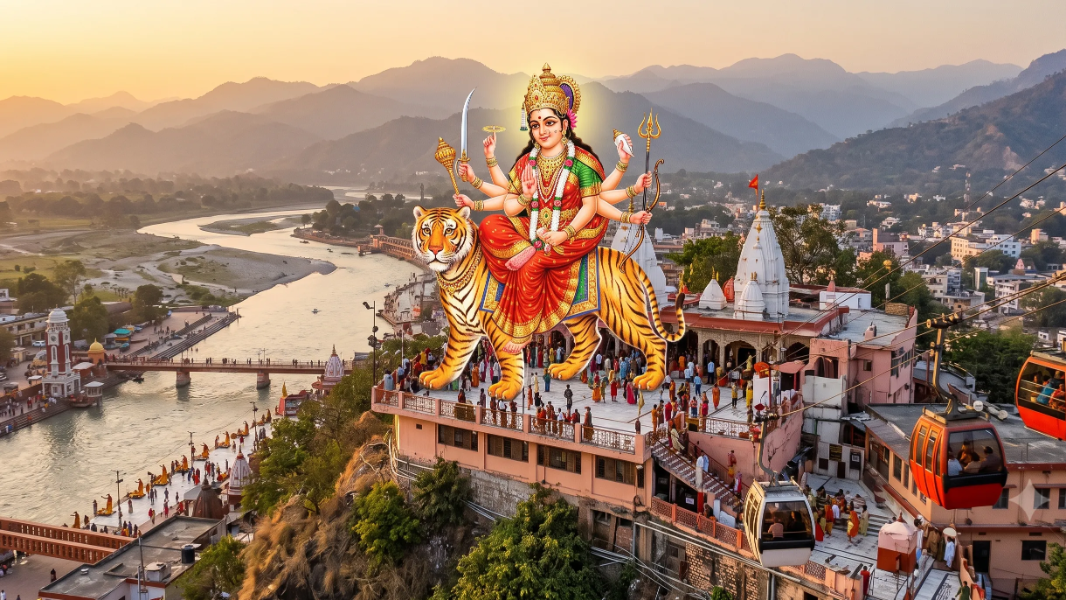
Goddess Mansa Devi Enthroned on the Mountain: The Miraculous Temple of Haridwar and Its Significance
India's sacred land of Uttarakhand, known as Devbhumi (the Land of the Gods), is home to countless temples and holy sites. Haridwar, nestled on the banks of the River Ganges, is one of these sacred places where millions of devotees arrive every year in search of wish fulfillment and spiritual peace. Several ancient and miraculous temples are situated on the hallowed soil of Haridwar, one of which is the Mansa Devi Temple Haridwar. This temple is located on the peak of the Bilwa Parvat and is considered a Siddhapeeth, where every desire of the devotees is fulfilled.
Perched high in the mountains amidst the lap of nature, this divine abode of Goddess Mansa is famous not only for its breathtaking beauty but also for its profound spiritual significance and miraculous powers. In this blog post, we will elaborate on the mythological history of the Mansa Devi Temple Haridwar, its significance, ways to reach the temple, and the stories associated with the unwavering faith of the devotees.
Mythological Origin and History of Goddess Mansa
The name of Maa Mansa Devi originates from the word "Mansa," which means 'desire' or 'wish'. It is believed that Maa Mansa was born from the mind of Sage Kashyapa, hence she is called 'Mansa'. She is considered the mind-born daughter of Lord Shiva and the sister of the Serpent King Vasuki. According to some mythological legends, Goddess Mansa is also worshipped as a form of Lord Krishna's power and is known as 'Vishahara' or 'Vishahari' because she possesses the power to neutralize poison.
Goddess Mansa is primarily the goddess of snakes, and her association is connected with Nag Lok (the realm of serpents). Her worship is specially performed for protection against venomous snakes and for the blessing of progeny. She is also referred to as the mother of the eight great serpents (Ashtanagas). It is described in the Puranas that Goddess Mansa pleased Lord Shiva through rigorous asceticism and received a boon from him. As a result of this boon, she attained the immense power to eradicate all the poisons of the world and fulfill all the wishes of her devotees.
The history of the Mansa Devi Temple Haridwar is also linked to these mythological tales. This temple is not one of the 52 Shakti Peethas, but it is regarded as an important Siddhapeeth where Goddess Mansa resides in her manifest form and listens to the prayers of her devotees.
Location of Siddhapeeth Mansa Devi Temple in Haridwar
The Mansa Devi Temple Haridwar is situated on the highest peak of the Bilwa Parvat. There are three prominent Siddhapeeths in Haridwar - Mansa Devi Temple, Chandi Devi Temple (on Neel Parvat), and Maya Devi Temple (in the center of Haridwar city). A pilgrimage to Haridwar is considered complete only after having the darshan of these three Siddhapeeths. Being situated at the height of Bilwa Parvat, the temple offers a mesmerizing view of the entire Haridwar city and the Ganges River, providing visitors with a unique experience.
This mountain temple is not only significant from a religious perspective, but the natural scenic beauty here also fills the mind with peace and joy. In the morning hours, when the sun rays fall on the temple, the scenery appears wonderful and ethereal.
Easy Routes to Reach the Temple
There are two main routes to reach the Mansa Devi Temple Haridwar, which are convenient for all types of devotees:
1. Walking Route (via Stairs)
- Devotees who are physically capable and wish to experience the complete pilgrimage journey can reach the temple on foot.
- One has to climb approximately 700 to 800 stairs to reach the temple.
- Along the way, one experiences lush green trees and a tranquil atmosphere, making the journey even more pleasant. This route is meant for those who wish to express their devotion and penance towards the Goddess.
2. Ropeway (Udankhatola)
- Most devotees, especially children, the elderly, or those who are physically challenged, use the ropeway to reach the temple. It is known as the "Mansa Devi Udankhatola".
- The ropeway journey is an exciting experience in itself. As the trolley moves upwards, the panoramic view of Haridwar city and the Ganges River below captivates the mind.
- The lower station of the ropeway is situated right in Haridwar city, from where tickets can be purchased to easily reach the temple. This journey takes about 5-10 minutes, offering devotees convenience along with a magnificent view.
- The ropeway route is the most popular medium to take devotees to the temple in a short time and without any hassle.
Architecture and Form of Mansa Devi Temple
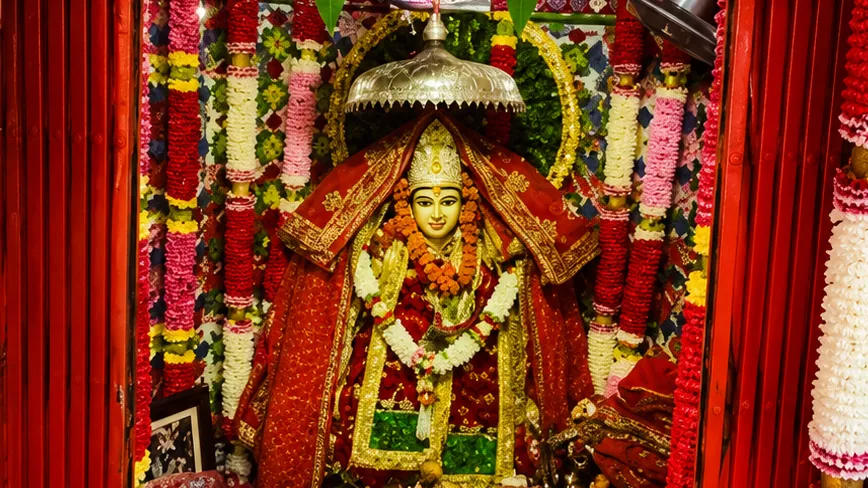
The architecture of the Mansa Devi Temple Haridwar follows the standard North Indian style. The main sanctum sanctorum of the temple is quite small, where two idols of Maa Mansa Devi are installed. In one idol, the Goddess has five faces and three arms, while the other idol has eight arms. These idols depict various forms of the Goddess along with different mudras and weapons. Inside the temple complex, there are smaller shrines dedicated to other deities, such as Lord Hanuman and Bhairav Baba. The atmosphere of the temple is extremely sacred and serene, filling devotees with spiritual energy.
Significance of Darshan and Tales of Wish Fulfillment
The significance of Mansa Devi is immense in the lives of devotees. It is believed that any devotee who visits Maa Mansa Devi with a pure heart and expresses their wish will certainly have it fulfilled by the Mother. A special tradition is very popular among the devotees visiting here – tying a sacred thread.
Devotees tie a sacred thread or chunari on a tree located within the temple complex and make their wish to the Goddess. When their wish is fulfilled, they return to the temple and untie that thread. This tradition is a symbol of the unwavering faith and trust of the devotees towards the Mother. Countless devotees share stories of how they tied a thread at this sacred place and their prayers were answered. Stories of getting blessed with children, healing from illnesses, success in jobs, and the removal of obstacles in marriage are frequently heard here, making this temple a miraculous temple.
For example, a devotee shared how their daughter's marriage could not happen for many years. They came here to pray, and within a few months, a good match was found for their daughter, and the marriage was solemnized. Another family shared that their child had a severe illness, and even doctors had given up hope. They came here to pray to the Mother, and miraculously, their child recovered. Such stories make this true abode of the Goddess "Mansa", the one who fulfills desires.
Major Rituals and Methods of Worship
Regular worship and rituals are performed at the Mansa Devi Temple Haridwar. Grand aartis are organized in the morning and evening, attended by hundreds of devotees. This aarti is so energetic and emotional that it fills the minds of devotees with peace and enthusiasm.
Devotees primarily offer coconuts, flowers, incense sticks, sweets, and chunari to the Goddess. On special occasions, such as Navratri, special worship and yajnas are organized. Many devotees also perform mundan (head-shaving) ceremonies for children and other auspicious rites here, as this place is considered highly sacred and auspicious.
Additionally, the practice of tying a 'Raksha Sutra' (protective thread) in front of the Goddess is prevalent. It is believed that this thread protects devotees from evil forces and negative energies. The temple priests facilitate the worship on behalf of the devotees and grant them blessings.
Major Festivals and Celebrations Associated with the Temple
Religious activities continue throughout the year at the Mansa Devi Temple Haridwar, but during certain festivals, special enthusiasm and crowds are witnessed here:
- Navratri: During Chaitra Navratri (March-April) and Sharad Navratri (September-October), a massive rush of devotees pours into the temple. Special worship, bhajan-kirtan, and religious programs are organized during these nine days. Various forms of the Goddess are worshipped during Navratri, and the atmosphere becomes filled with devotion.
- Mansa Puja: Especially in the month of Sawan and according to certain regional traditions, Mansa Puja is organized, during which special rituals are performed to appease Goddess Mansa.
- Kumbh Mela / Ardh Kumbh Mela: Whenever the Kumbh or Ardh Kumbh Mela takes place in Haridwar, the Mansa Devi Temple Haridwar becomes a prime attraction for incoming pilgrims. Millions of pilgrims come to have the darshan of the Goddess after taking a holy dip in the Ganges.
- Other Hindu Festivals: On Diwali, Shivratri, and other major Hindu festivals, the footfall of devotees increases at the temple, and special prayers are offered.
Other Major Temples of Haridwar
Apart from the Mansa Devi Temple Haridwar, there are several other important temples in Haridwar that a pilgrim must visit. All these temples of Haridwar are spiritually extremely significant:
- Chandi Devi Temple: Situated on the Neel Parvat, this temple is also a Siddhapeeth and visiting it along with Mansa Devi is considered auspicious. Ropeway facility is available here as well.
- Maya Devi Temple: This temple is located in the heart of Haridwar city and is one of the 52 Shakti Peethas. It is believed that the navel of Goddess Sati fell here.
- Har Ki Pauri: This is the most sacred ghat for bathing in the Ganges, where witnessing the Ganga Aarti and taking a holy bath holds unique importance.
- Daksha Mahadev Temple: Situated in Kankhal, this temple is associated with Lord Shiva and Goddess Sati.
- Bharat Mata Temple: This is a multi-story temple dedicated to Mother India and various deities.
Journey to Mansa Devi Temple: A Spiritual Experience
The journey to the Mansa Devi Temple Haridwar is not just a religious pilgrimage, but a profound spiritual experience. Perched on the peak of the Bilwa Parvat, this temple provides transcendental peace to devotees through its serene and sacred environment. Having darshan of Maa Mansa Devi amidst the purity of the Ganges and the grandeur of the mountains fills devotees with a new energy and positivity. Coming here, devotees not only wish for the fulfillment of their worldly desires but also experience inner peace and connection with the Divine.
Catching panoramic views of Haridwar city from the temple, listening to the resonance of mantras and bells in the air, and offering one's devotion before the Goddess together create an unforgettable experience.
Conclusion
The Mansa Devi Temple Haridwar, with its mythological tales, spiritual significance, and miraculous powers, is one of the most revered pilgrimage sites in India. It is not merely a mountain temple, but a place where every devotee receives the blessings of the Mother and has their wishes fulfilled. While visiting Haridwar, understanding the significance of Mansa Devi and having her darshan is an experience that every pilgrim must undertake at least once in their lifetime. May Maa Mansa Devi bestow her grace upon all devotees and fulfill all their desires.
Jai Maa Mansa Devi!
अक्सर पूछे जाने वाले प्रश्न (FAQ)
Q: Where is Mansa Devi Temple located?
Mansa Devi Temple is located on the peak of Bilwa Parvat in Haridwar.
Q: What kind of site is considered the Mansa Devi Temple?
Mansa Devi Temple is considered a miraculous Siddhapeeth where every desire of the devotees is fulfilled.
Q: What is the meaning of the name Goddess 'Mansa' and how did she originate?
The name of Maa Mansa Devi comes from the word "Mansa", which means 'desire' or 'wish'. It is believed that Maa Mansa was born from the mind of Sage Kashyapa, hence she is called 'Mansa'.
Q: According to mythological tales, with which deities is Goddess Mansa associated?
She is considered the mind-born daughter of Lord Shiva and the sister of the Serpent King Vasuki. According to some mythological stories, Goddess Mansa is also worshipped as a form of Lord Krishna's power.
Q: Why is Goddess Mansa called 'Vishahara' or 'Vishahari'?
Goddess Mansa is also known as 'Vishahara' or 'Vishahari' because she possesses the power to neutralize poison.
Q: For what purpose is Goddess Mansa primarily worshipped?
Goddess Mansa is worshipped specially for protection against venomous snakes and for obtaining progeny. She is also called the mother of the eight great serpents (Ashtanagas).
Q: Is Mansa Devi Temple one of the 52 Shakti Peethas?
No, Mansa Devi Temple is not one of the 52 Shakti Peethas, but it is considered an important Siddhapeeth.
Q: What are the other two major Siddhapeeths in Haridwar?
Apart from Mansa Devi Temple, the other two major Siddhapeeths in Haridwar are Chandi Devi Temple (on Neel Parvat) and Maya Devi Temple (in the center of Haridwar city).
Q: As a result of which boon did Goddess Mansa attain her power?
It is described in the Puranas that Goddess Mansa pleased Lord Shiva through rigorous asceticism and received a boon, as a result of which she attained the power to neutralize all poisons of the world and fulfill all wishes of her devotees.
Q: How does the view of Haridwar city look from the temple?
Being situated at the height of Bilwa Parvat, the temple offers a mesmerizing view of the entire Haridwar city and the Ganges River, providing pilgrims with a unique experience.

Author
Praarthana Editorial Team
The Praarthana Editorial Team shares daily spiritual guidance, authentic rituals, and deep insights from ancient Sanatan scriptures to support your spiritual journey.
ऐप डाउनलोड करें
पंचांग तिथि, त्यौहार, व्रत, उत्सव, एकादशी, आरती संग्रह, मंत्र, व्रत कथा



एक टिप्पणी छोड़ें