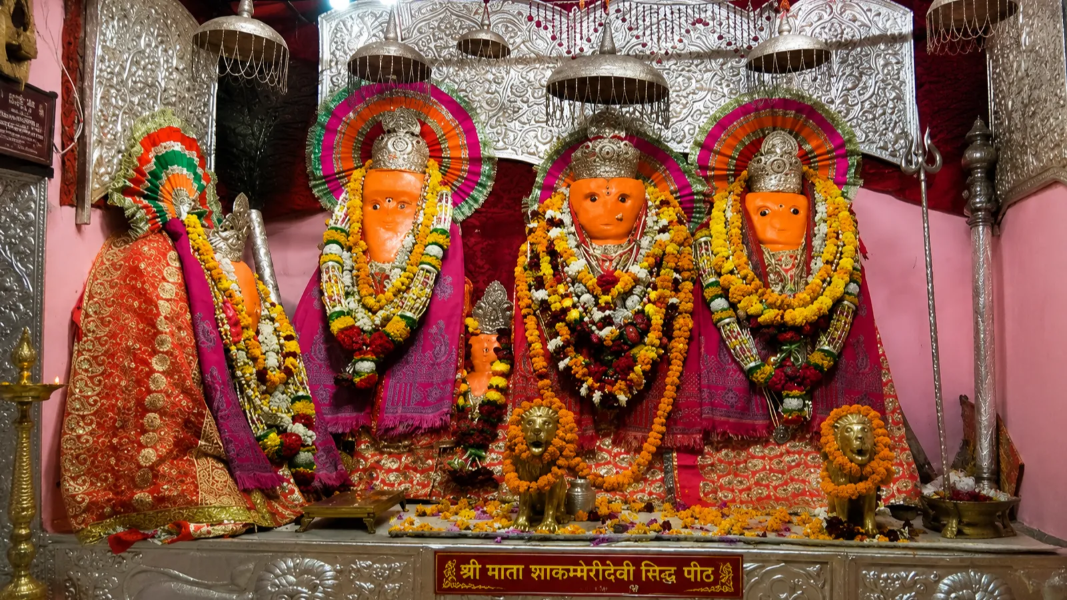
In the heart of the sacred Shivalik hills, nestled amidst lush greenery and serene landscapes, lies a divine sanctuary that has for centuries drawn countless devotees seeking solace, blessings, and the profound gift of sustenance: the Shri Mata Shakambhari Devi Temple. This isn't just a temple; it is a powerful Shakambhari Devi Siddha Peeth, a place where the divine energy of Goddess Shakambhari manifests strongly, promising a unique Divine Abundance journey to all who embark upon it. Here, devotees find not only spiritual fulfillment but also a deep connection to the source of all prosperity, both material and spiritual.
This blog post invites you on an immersive exploration of this revered pilgrimage site. We will delve into the rich Goddess Shakambhari history, uncover the profound Temple significance, marvel at its architectural nuances, understand its vibrant rituals and festivals, and ultimately, experience the transformative power of this Sacred pilgrimage – a journey promising an abundance that nourishes body, mind, and soul.
Understanding Goddess Shakambhari: The Embodiment of Sustenance
To truly appreciate the Shri Mata Shakambhari Devi Temple, one must first understand the benevolent deity it houses. Goddess Shakambhari is a significant manifestation of Adi Shakti, the primordial divine feminine energy. Her name itself, "Shakambhari," is profoundly meaningful: "Shaka" refers to vegetables, greens, or food, and "Bhari" means one who bears or nourishes. Thus, she is the "Bearer of Vegetables," the Goddess who sustains all life on Earth through her bounteous vegetation.
The Legend of Shakambhari: A Tale of Compassion and Sustenance
The origins of Goddess Shakambhari are beautifully chronicled in various ancient Hindu scriptures, most notably the Devi Mahatmyam (part of the Markandeya Purana) and the Bhagavad Purana. The most prominent legend recounts a time of severe drought and famine that plagued the Earth for a hundred years. The absence of rain led to widespread crop failure, starvation, and immense suffering among all beings, including humans, animals, and even deities.
Distraught by the plight of creation, the Rishis and sages performed rigorous penance, praying fervently to the Supreme Goddess. Moved by their devotion and the suffering of her children, Adi Shakti appeared in her glorious form as Shakambhari. She manifested with thousands of eyes, from which tears continuously flowed, creating rivers and bringing life back to the parched land. More remarkably, her body was adorned with fresh fruits, vegetables, grains, and herbs, which she offered to nourish the starving beings.
This act of immense compassion and sustenance earned her the epithet "Shakambhari." She not only provided food but also revived the earth, bringing back its fertility and abundance. Her appearance marked the end of the famine and ushered in an era of prosperity, thus solidifying her role as the Goddess of vegetation, food, and life-giving abundance. It is this profound Goddess Shakambhari history that forms the spiritual bedrock of the Shri Mata Shakambhari Devi Temple.
The Holy Abode: Shri Mata Shakambhari Devi Siddha Peeth
The Shakambhari Devi Siddha Peeth is located near Saharanpur, in the Uttar Pradesh state of India, nestled in a valley of the Shivalik mountain range. The serene and picturesque surroundings themselves contribute to the spiritual ambiance, preparing the pilgrim for the divine encounter within.
Historical Origins and Significance as a Siddha Peeth
The exact historical origins of the Shri Mata Shakambhari Devi Temple are shrouded in antiquity, with local legends tracing its roots back to the Dwapara Yuga, suggesting a connection to the Pandavas during their exile. It is believed that the Pandavas may have visited and worshipped here. While definitive archaeological evidence for such ancient origins might be sparse, the continuous tradition of worship speaks volumes about its enduring sanctity. The temple has undoubtedly undergone various renovations and expansions over centuries, maintaining its sanctity and architectural integrity.
What makes this site exceptionally powerful is its designation as a "Siddha Peeth." A Siddha Peeth is a revered spot where the presence of the deity is believed to be exceptionally strong, and prayers offered here are said to be quickly fulfilled. It is a place where spiritual seekers attain "siddhi" or spiritual realization, and devotees find their deepest desires manifested. The inherent spiritual energy of the Shakambhari Devi Siddha Peeth is palpable, drawing seekers of all faiths and backgrounds who yearn for divine intervention and blessings.
The Temple significance extends beyond its age; it lies in the unbroken chain of devotion and the countless lives it has touched, transforming despair into hope and scarcity into abundance. It's a testament to the enduring power of faith and the boundless compassion of the Mother Goddess.
Architectural Marvels and Sacred Spaces
The Shri Mata Shakambhari Devi Temple complex, though not characterized by extravagant ornamentation, embodies a profound simplicity and traditional Hindu temple architecture that speaks volumes of its spiritual depth. The journey to the main shrine itself is an experience, often involving a walk through a vibrant market leading up to the temple gates.
Layout and Deities
The primary deity, Maa Shakambhari, resides in the main sanctum. The idol is a beautiful representation of the Goddess, often adorned with traditional garments and jewelry, exuding a sense of peace and benevolence. What is particularly unique about this Shakambhari Devi Siddha Peeth is the presence of other deities, particularly two Bhairava temples situated in close proximity.
- Main Temple: Dedicated to Goddess Shakambhari, the sanctum radiates a powerful spiritual aura. Devotees often queue for hours to catch a glimpse and offer their prayers.
- Bhuradeva Temple: A short walk from the main temple is the shrine of Bhuradeva, considered the Kshetrapal (guardian deity) of the region. It is customary for pilgrims to first offer prayers to Bhuradeva before proceeding to Maa Shakambhari's temple, signifying respect for the guardian of the sacred land.
- Other Minor Shrines: The complex also houses smaller shrines dedicated to other deities, reflecting the inclusive nature of Hindu worship.
The architecture primarily reflects traditional North Indian temple styles, with a focus on functional design to accommodate large congregations, especially during festivals. The use of locally sourced stone and materials gives the temple a natural, earthy feel, blending seamlessly with its mountainous surroundings. The simplicity of the structure allows the focus to remain squarely on the divine presence within, fostering a deeper spiritual connection rather than external distractions.
Surrounding the temple, one often finds sacred ponds and ancient trees, believed to be blessed by the Goddess, adding to the mystical atmosphere of this Sacred pilgrimage site.
A Calendar of Devotion: Rituals and Festivals
The Shri Mata Shakambhari Devi Temple pulsates with spiritual energy throughout the year, but particularly during its vibrant festivals and daily rituals. These practices are not mere traditions; they are avenues for devotees to connect with the Goddess and invoke her blessings for Divine Abundance.
Daily Rituals
The day at the Shakambhari Devi Siddha Peeth begins with the Mangala Aarti (morning prayer), followed by various pujas (worship ceremonies) and bhog (food offerings) throughout the day. Priests meticulously perform these rituals, chanting ancient mantras and invoking the Goddess's presence. Devotees offer flowers, coconuts, sweets, and other traditional items, each offering a symbol of their devotion and surrender.
Major Festivals
While daily worship is constant, certain festivals draw massive crowds, transforming the temple town into a vibrant hub of devotion and celebration:
- Sharad Navratri and Chaitra Navratri: These nine-day festivals, celebrated twice a year (in autumn and spring), are the most significant periods of worship for Maa Shakambhari. Lakhs of devotees undertake the Sacred pilgrimage during these times, walking for miles, often barefoot, to offer their prayers. Special pujas, havans (fire rituals), and cultural programs are organized, creating an electrifying atmosphere of devotion. The energy during Navratri is unparalleled, deeply connecting devotees to the powerful feminine energy of the Goddess.
- Shakambhari Utsav (Pausha Purnima): This festival, specifically dedicated to Goddess Shakambhari, is celebrated on the full moon day of the Hindu month of Pausha (usually December-January). It commemorates the day the Goddess manifested to end the famine. This is a special time for devotees to seek blessings for food security, agricultural prosperity, and general well-being.
- Other Auspicious Days: Purnimas (full moon days), Amavasyas (new moon days), and Sankranti (solar transitions) are also considered auspicious for visiting the Shri Mata Shakambhari Devi Temple and offering prayers.
These festivals are not just celebrations; they are deeply spiritual experiences that reinforce the Temple significance as a source of ultimate sustenance and Divine Abundance. The collective prayers and devotion create a powerful spiritual vortex, making the connection with the divine even more profound.
The Spiritual Experience: Seeking and Receiving Abundance
A visit to the Shri Mata Shakambhari Devi Temple is more than just a religious excursion; it is a profound spiritual journey that has the power to transform lives. Many devotees describe feeling an immediate sense of peace and calm upon entering the temple premises, a clear sign of the sacred energy permeating the Shakambhari Devi Siddha Peeth.
Connecting with the Divine Mother
The atmosphere at the temple is one of immense devotion. The chanting of mantras, the fragrance of incense, the ringing of bells, and the sight of hundreds of devotees lost in prayer create an immersive spiritual environment. For many, simply standing before the idol of Maa Shakambhari is enough to feel her benevolent presence. Prayers offered from the heart, whether for material needs or spiritual growth, are believed to be heard and answered by the compassionate Mother.
Devotees undertake this Divine Abundance journey for a myriad of reasons: some seek relief from illness, others pray for prosperity in business, some wish for progeny, while many simply come to express gratitude and seek spiritual solace. Regardless of the individual desire, the underlying quest is for abundance – not just in wealth, but in health, happiness, peace, and wisdom.
Numerous stories abound of devotees whose prayers have been answered, whose lives have been miraculously transformed after their pilgrimage to the Shri Mata Shakambhari Devi Temple. These personal testimonials reinforce the belief in the Goddess's power to bestow both material and spiritual abundance, bringing hope and fulfillment to countless individuals.
The Abundance of the Goddess
Goddess Shakambhari embodies the very essence of abundance. Her blessings manifest in various forms:
- Material Abundance: She ensures plentiful food, good harvests, financial stability, and general prosperity, especially for those involved in agriculture and sustenance.
- Health and Well-being: As the giver of nourishment, she is believed to bless devotees with good health and vitality.
- Spiritual Abundance: Beyond physical needs, she bestows inner peace, contentment, spiritual growth, and the wisdom to appreciate the true richness of life.
- Abundance of Joy and Family: Many pray for happy family life, successful progeny, and harmonious relationships, believing the Mother Goddess blesses these aspects too.
The Temple significance, therefore, is not limited to mere religious dogma but extends to a practical manifestation of divine grace in everyday life, guiding devotees towards a holistic and abundant existence.
Pilgrim's Guide: Journeying to the Sacred Heart
Undertaking a Sacred pilgrimage to the Shri Mata Shakambhari Devi Temple requires some practical planning. Here’s a guide to assist you on your Divine Abundance journey.
Best Time to Visit
The temple is open year-round, but the best time to visit depends on your preference for crowds and weather:
- Navratris (Chaitra and Sharad): These are the most auspicious times, offering an unparalleled spiritual experience due to the massive congregation and vibrant festivities. However, be prepared for extremely large crowds and long waiting lines.
- Shakambhari Utsav (Pausha Purnima): Another significant period for specific blessings related to sustenance, also drawing considerable crowds.
- Winter Months (October to March): For a more peaceful visit with pleasant weather, the non-festival winter months are ideal. The climate is cool and comfortable for travel and darshan.
- Monsoon (July-September): The surrounding hills are lush and beautiful, but rain can sometimes make travel a bit challenging.
How to Reach
The Shakambhari Devi Siddha Peeth is well-connected by various modes of transport:
- By Air: The nearest major airports are Dehradun's Jolly Grant Airport (DED) and Delhi's Indira Gandhi International Airport (DEL). From there, you can hire a taxi or take a bus.
- By Rail: Saharanpur Junction (SRE) is the nearest major railway station, well-connected to most parts of India. From Saharanpur, the temple is approximately 40-45 km away, easily accessible by local buses or hired taxis.
- By Road: Saharanpur is well-connected by road to major cities in Uttar Pradesh and neighboring states. Buses ply regularly from Saharanpur to the temple site. Private taxis and shared jeeps are also readily available. The drive from Saharanpur to the temple is scenic, traversing through rural landscapes and finally ascending into the Shivalik foothills.
Accommodation
While there are limited basic accommodations (dharamshalas) near the temple, most pilgrims prefer to stay in Saharanpur, which offers a range of hotels, from budget to mid-range. It's advisable to book accommodation in advance, especially during festival seasons.
Local Customs and Etiquette
- Dress Modestly: As it is a sacred site, modest attire is recommended.
- Respect Traditions: Observe and respect local customs and temple traditions. Follow the instructions of temple authorities.
- Offerings: Flowers, coconuts, sweets, and chunri (sacred cloth) are common offerings. These can be purchased from shops near the temple entrance.
- Footwear: Footwear must be removed before entering the temple premises.
- Photography: Be mindful of photography restrictions within the inner sanctum.
Things to Remember
- Carry sufficient drinking water, especially if you plan to walk extensively.
- Wear comfortable shoes, as there might be a fair amount of walking involved.
- Be prepared for crowds and queues, particularly during peak seasons.
- Keep an eye on your belongings.
Beyond the Physical: The Abundance Within
The Divine Abundance journey to the Shri Mata Shakambhari Devi Temple is not just about physical travel; it is an internal odyssey. While the Goddess blesses devotees with material prosperity, her ultimate gift is the abundance of the spirit. It is the abundance of gratitude, of compassion, of inner peace, and of the unwavering faith that sustains us through life's challenges.
The Temple significance lies in its ability to awaken this inner abundance, reminding us that true wealth is not merely external possessions but the richness of our character and the depth of our connection to the divine. This Sacred pilgrimage encourages us to cultivate qualities like generosity, kindness, and devotion, knowing that these are the true seeds of lasting prosperity.
Conclusion: Embrace the Divine Abundance
The Shri Mata Shakambhari Devi Temple stands as a timeless beacon of hope, sustenance, and divine compassion. It is a powerful Shakambhari Devi Siddha Peeth where the benevolent Goddess Shakambhari tirelessly bestows her blessings upon all her children, ensuring a constant flow of Divine Abundance.
From its ancient Goddess Shakambhari history and unique architectural elements to its vibrant festivals and profound spiritual experiences, every aspect of this sacred site resonates with the promise of fulfillment. Whether you seek material prosperity, good health, peace of mind, or spiritual enlightenment, a Sacred pilgrimage to this divine abode offers a transformative experience.
Embark on this sacred journey, open your heart to the Mother's boundless grace, and witness how Maa Shakambhari fills your life with an abundance that nurtures every aspect of your being. May your journey to the Shri Mata Shakambhari Devi Temple be blessed with profound peace, unwavering faith, and ultimate abundance.
अक्सर पूछे जाने वाले प्रश्न (FAQ)
Q: What is the title of the blog article provided?
The blog article is titled 'Shri Mata Shakambhari Devi Siddha Peeth: A Sacred Journey to Divine Abundance'.
Q: Where is the Shri Mata Shakambhari Devi Temple located?
The temple is nestled in the heart of the sacred Shivalik hills, amidst lush greenery and serene landscapes.
Q: What kind of spiritual site is the Shri Mata Shakambhari Devi Temple described as?
It is described as a powerful Shakambhari Devi Siddha Peeth, a place where the divine energy of Goddess Shakambhari manifests strongly.
Q: What do devotees seek at the Shri Mata Shakambhari Devi Temple?
Devotees seek solace, blessings, the profound gift of sustenance, spiritual fulfillment, and a deep connection to the source of all prosperity.
Q: Who is Goddess Shakambhari?
Goddess Shakambhari is a significant manifestation of Adi Shakti, the primordial divine feminine energy, and is considered the embodiment of sustenance.
Q: What is the etymological meaning of the name 'Shakambhari'?
Her name 'Shakambhari' is derived from 'Shaka' (referring to vegetables, greens, or food) and 'Bhari' (meaning one who bears or nourishes), thus she is the 'Bearer of Vegetables'.
Q: What is the primary role of Goddess Shakambhari?
She is the Goddess who sustains all life on Earth through her bounteous vegetation.
Q: In which ancient Hindu scriptures is the legend of Goddess Shakambhari primarily chronicled?
The origins of Goddess Shakambhari are chronicled in the Devi Mahatmyam (part of the Markandeya Purana) and the Bhagavad Purana.
Q: What dire situation prompted Goddess Shakambhari's appearance according to legend?
A severe drought and famine that plagued the Earth for a hundred years, leading to widespread crop failure, starvation, and immense suffering.
Q: How did Adi Shakti appear to alleviate the famine?
Adi Shakti appeared in her glorious form as Shakambhari, manifesting with thousands of eyes from which tears continuously flowed, creating rivers and bringing life back to the parched land.
Q: What unique feature of Goddess Shakambhari's form provided sustenance during the famine?
Her body was adorned with fresh fruits, vegetables, grains, and herbs, which she offered to nourish the starving beings.
Q: What did Goddess Shakambhari's act of compassion lead to beyond providing food?
She not only provided food but also revived the earth, bringing back its fertility and abundance.
Q: What did her appearance mark the end of and usher in?
Her appearance marked the end of the famine and ushered in an era of prosperity.
Q: What aspects of the pilgrimage site does the blog post invite readers to explore?
The blog post invites an exploration of the rich Goddess Shakambhari history, the Temple's significance, its architectural nuances, and its vibrant rituals and festivals.
Q: What transformative power does the sacred pilgrimage to Shri Mata Shakambhari Devi promise?
The sacred pilgrimage promises an abundance that nourishes body, mind, and soul.

Author
Praarthana Editorial Team
The Praarthana Editorial Team shares daily spiritual guidance, authentic rituals, and deep insights from ancient Sanatan scriptures to support your spiritual journey.
ऐप डाउनलोड करें
पंचांग तिथि, त्यौहार, व्रत, उत्सव, एकादशी, आरती संग्रह, मंत्र, व्रत कथा



एक टिप्पणी छोड़ें