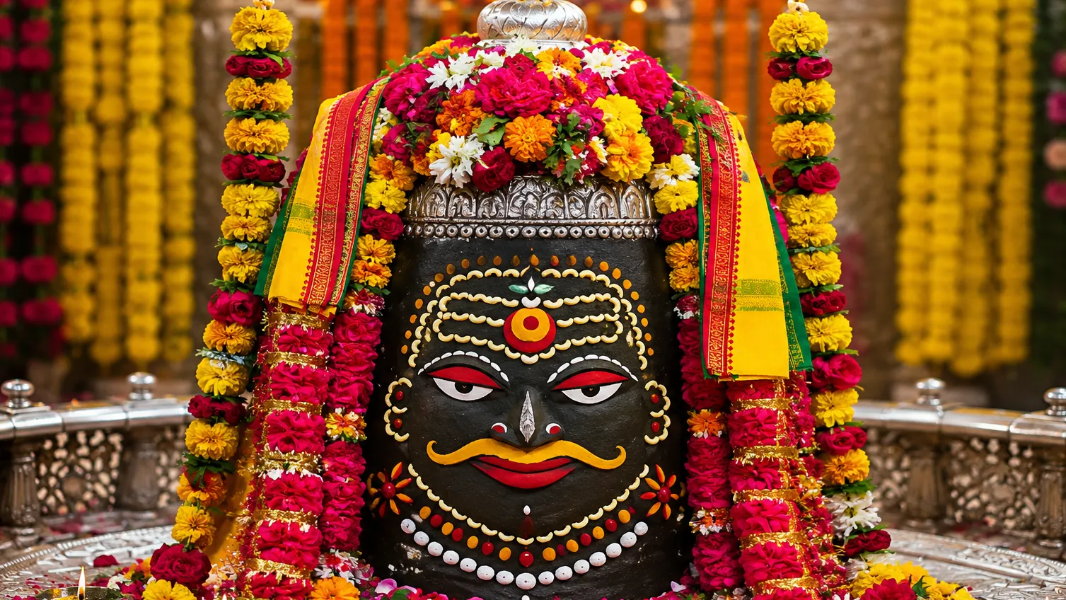
Ujjain, located on the sacred land of India, is a city where Shiva resides in every particle. This ancient city is situated on the banks of the sacred Shipra River and is also known as the 'City of Temples' and the 'City of Time'. The most prestigious and revered site in this holy land is the Shri Mahakaleshwar Jyotirlinga Temple, one of the twelve Jyotirlingas of Lord Shiva. This is not just a temple, but a living symbol of faith, history, and आध्यात्मिकता. Here, Lord Shiva is enshrined as 'Mahakal', the master of the three worlds and the lord of time.
If you are planning a Mahakal Darshan, this detailed guide will help make your Ujjain trip unforgettable. We will provide you with detailed information on every aspect, from mythological tales to the temple's architecture, rules for darshan, the glory of Bhasm Aarti, accommodation arrangements, and other places to visit in Ujjain. Get ready for your spiritual journey!
Mythological Significance of Mahakal Jyotirlinga: The Saga of the Lord of Time
The significance of the Ujjain Mahakal Temple lies not just in its grandeur, but in the deep mythological tales and beliefs that make it so unique. It is the only Jyotirlinga that is South-facing (Dakshinmukhi), which makes it even more special.
The Origin Story of Mahakal
According to mythological stories, there lived a cruel demon named Dooshan in Ujjain. He had become very powerful after receiving a boon from Lord Brahma and terrorized the residents of Avanti Nagari (present-day Ujjain). Dooshan stopped the Vedas, religious rituals, and penance. Brahmins and sages prayed to Shiva. Lord Shiva, pleased by their prayers, emerged from a huge pit. He annihilated Dooshan and his army, thereby freeing Avanti Nagari from his atrocities.
Upon the insistence of his devotees, Lord Shiva decided to reside in the same place in the form of a Jyotirlinga and became known as Mahakal, meaning 'The Great Lord of Time' or 'Conqueror of Death'. It is believed that merely by having a darshan of Mahakal, all the devotees' troubles are removed, and they attain salvation.
The Place of Mahakal among Jyotirlingas
Among the Dwadash (twelve) Jyotirlingas, Shri Mahakaleshwar ranks third. Here, Lord Shiva is enshrined as a 'Bhu-linga' (earth-linga), which is self-manifested (Swayambhu). It is believed that at this place, 'Kaal' (time) is also subservient to Lord Mahakal, so by visiting here, a person is freed from the fear of time. This place is supremely sacred for devotees seeking victory over death and salvation.
Temple Architecture: A Symbol of Spiritual Grandeur
The architecture of the Ujjain Mahakal Temple is a blend of centuries of history, various rulers, and artistic styles. Its current structure dates back to the Maratha period, built by Ranoji Scindia in the 18th century.
- Three-Tiered Structure: The temple is divided into three sections. The lowest part houses the Mahakaleshwar Jyotirlinga. Above it is Omkareshwar Mahadev, and at the very top is the Nagchandreshwar Temple, which opens for darshan only on Nagpanchami day.
- Garbhagriha (Sanctum Sanctorum): The main Jyotirlinga is installed in the Garbhagriha. It is adorned with silver casing and carvings. Upon entering the Garbhagriha, one experiences a divine peace.
- Shikhar (Spire) and Kalash (Finial): The temple's spire is grand and attractive, topped with a golden Kalash. The flag fluttering on the spire attracts devotees from afar.
- Other Temples in the Complex: The Mahakal temple complex also houses several other small and large temples, with idols of Goddess Parvati, Lord Ganesha, Kartikeya, and other deities. There is also a large Nandi Hall where devotees can sit and meditate.
- Ancient Wells: The complex also has an ancient water reservoir 'Kotitirtha', whose water is considered extremely sacred.
The carvings and sculptures on the temple walls clearly reflect Indian art and culture, mesmerizing every devotee.
The Mahakal Darshan Experience: An Unforgettable Journey
The experience of Mahakal Darshan is difficult to express in words. Upon reaching here, one experiences a unique energy and peace.
- General Darshan: Long queues form for general darshan, especially on festivals and holidays. The temple management has now introduced online booking for easy darshan, which helps in crowd control.
- VIP Darshan: If you wish to have a quicker darshan, you can avail of the paid VIP darshan facility.
- Special Occasions: On Mahashivratri, Shravan Maas (Sawan), Nagpanchami, and other major Hindu festivals, the temple is crowded with devotees. On these days, the temple is specially decorated, and various rituals are performed.
During darshan, devotees move forward chanting 'Jai Mahakal', which fills the entire atmosphere with devotion and energy.
Bhasm Aarti: The Unique Tradition of Mahakal
Bhasm Aarti is the most unique and revered tradition of the Ujjain Mahakal Temple, which attracts devotees from India and abroad. This is the only place in the world where Lord Shiva is adorned daily in the morning with fresh ashes from the cremation ground.
Significance of Bhasm Aarti
- Symbol of Victory over Death: Bhasm (ashes) symbolize death and renunciation. It reminds us that life is transient, and ultimately, everyone will turn to ashes. By offering Bhasm to Mahakal, devotees wish to attain victory over time and death.
- Divinity and Energy: During the Aarti, an extraordinary divinity and energy are experienced in the atmosphere. The chanting of mantras and the sound of damrus (hand drums) resonate throughout the entire temple complex.
Bhasm Aarti Process and Rules
- Time: Bhasm Aarti takes place daily from 4 AM to 6 AM.
- Registration: Advance online registration is mandatory to participate in Bhasm Aarti. You can book your seat by visiting the official temple website. It is extremely difficult to get entry without registration.
- Identity Proof: You must have a valid ID proof during registration, which will also need to be shown at the time of Aarti.
- Dress Code: For men attending the Aarti, wearing a dhoti is mandatory, and for women, wearing a saree is mandatory. This rule is strictly enforced. During the Aarti, women also keep a veil (ghoonghat).
- Darshan Experience: The Aarti lasts for about 2 hours. During this time, devotees remain engrossed in chanting mantras and bhajans. The sight of Lord Mahakal being adorned with ashes, worship, and then the grand Aarti is extremely enchanting and spiritual.
The Bhasm Aarti experience is an unforgettable and life-changing one, taking you to the depths of आध्यात्मिकता.
Darshan Rules and Precautions
Adhering to certain rules and precautions while visiting the temple is extremely important to ensure a peaceful and safe experience for all devotees.
- Dress Code: It is appropriate to wear traditional and modest clothes for entry into the temple premises. Follow the special dress code for Bhasm Aarti (dhoti for men, saree for women).
- Mobile Phones and Electronics: Carrying mobile phones, cameras, and other electronic devices into the Garbhagriha is prohibited. Avoid taking pictures even within the temple complex, especially inside. You can use the locker facility outside the temple.
- Flowers and Prasad: You can carry flowers, belpatra, and prasad to offer to the deity. Many shops outside the temple offer these items.
- Cleanliness: Maintain cleanliness within and around the temple premises. Do not litter.
- Patience and Discipline: Be patient when crowded and maintain discipline in queues. Follow the instructions of temple staff and volunteers.
- Offering Water: On special festivals and crowded days, offering water in the Garbhagriha might be restricted. In such cases, darshan must be done from outside.
Complete Ujjain Travel Plan: How to Reach and Where to Stay
Planning a trip to Ujjain is very simple, as the city is well-connected to major cities in India.
How to Reach Ujjain?
- By Air: The nearest airport to Ujjain is Devi Ahilyabai Holkar International Airport, Indore, which is approximately 55 kilometers away. From Indore, you can reach Ujjain by taxi, bus, or train.
- By Rail: Ujjain Junction (UJN) is a major railway station well-connected to almost all major cities in India. Direct trains are available from cities like Delhi, Mumbai, Kolkata, Chennai, Bengaluru, Hyderabad, and Ahmedabad.
- By Road: Ujjain is well-connected by national highways. You can easily reach by bus or your own vehicle from neighboring cities like Indore (55 km), Bhopal (190 km), Dewas (40 km), and Ratlam (90 km). Madhya Pradesh Road Transport Corporation (MPRTC) buses run regularly.
Accommodation
Ujjain offers several accommodation options to suit all budgets:
- Luxury and Mid-Range Hotels: Ujjain has many good hotels that provide comfortable stays. You can choose according to your preference and budget. It is advisable to book in advance on online booking portals, especially during peak season.
- Dharmshalas: Many trusts and religious organizations operate affordable dharmshalas for devotees. These are located close to the temple and offer clean rooms and basic facilities. For example, Shri Shri 1008 Mahamandaleshwar Swami Avdheshanand Giri Maharaj Ashram and others.
- Guest Houses: Various guest houses are also available, offering comfortable and budget-friendly options.
It is always better to book in advance based on your travel dates, especially if you are traveling during festivals or weekends.
Local Transportation
There are several options for getting around Ujjain and reaching tourist attractions:
- Auto-rickshaws: This is the most common and convenient option for traveling within the city. You can negotiate the fare.
- E-rickshaws: An eco-friendly and good option for short distances.
- Taxi/Cab: If you prefer a more comfortable and private journey, you can hire a taxi.
- City Buses: Buses connecting major parts of the city also operate, which are the most economical option.
Other Places to Visit in Ujjain: Earn Punya (Merit) with Mahakal
A trip to Ujjain is not limited to the Mahakal Temple alone. This holy city has many other important sites that you should include in your itinerary:
- Shri Harsiddhi Mata Temple: This is one of the 51 Shaktipeeths, where the elbow of Goddess Sati fell. There are two giant lamp pillars here, and the sight of them being lit is magnificent.
- Kal Bhairav Temple: Lord Kal Bhairav is considered the guardian deity of Ujjain. Offering alcohol to Lord Bhairav here is a unique tradition.
- Mangalnath Temple: This temple is dedicated to planet Mars and is considered very important for alleviating Mars dosha. Ujjain is also called the birthplace of Mars.
- Ram Ghat: Situated on the banks of the Shipra River, this is one of the most sacred ghats. The Kumbh Mela is held here, and the evening Aarti scene is mesmerizing.
- Gopal Temple: This magnificent Krishna temple is an excellent example of Maratha-style architecture. A beautiful idol of Lord Krishna is installed here.
- Shani Temple (Triveni): This is an important temple of Shani Dev, where devotees visit to seek relief from the ill effects of Shani.
- Sandipani Ashram: This is the place where Lord Krishna, Balarama, and Sudama received education from Guru Sandipani. There is also an ancient Gomati Kund here.
- Ved Shala (Jantar Mantar): This is an astronomical observatory built in the 18th century by Maharaja Sawai Jai Singh II, used for calculating time, planets, and constellations.
- Bhartrihari Caves: These ancient caves are associated with the great saint Bhartrihari, who performed penance here.
Special Stories and Traditions Associated with Mahakal Temple
Many special stories and traditions associated with Ujjain and the Mahakal Temple further enhance its divinity.
- Center of the Kalachakra (Wheel of Time): Ujjain is believed to be located at the center of the Earth, and ancient Indian astronomers calculated time from here. The Tropic of Cancer passes through Ujjain, making it astrologically significant.
- Kumbh Mela: The Simhastha Kumbh Mela, held every 12 years on the banks of the Shipra River, is Ujjain's largest religious event. It attracts millions of devotees who take a holy dip to seek salvation.
- Significance of Shipra: The Shipra River is considered sacred and purificatory. It is believed that bathing on its banks washes away sins.
- Shravan Maas Ki Sawari (Procession): During Shravan (Sawan) Maas, a grand procession of Lord Mahakal is taken out, in which Lord Mahakal goes on a tour of the city. During this time, millions of devotees gather for darshan.
Some Useful Tips for Travel
Here are some additional tips to make your Ujjain trip even more pleasant and comfortable:
- Best Time to Visit: The best time to visit Ujjain is from October to March, as the weather is pleasant during this period. Summers (April to June) are extremely hot, while monsoon (July to September) may bring rain, although despite the rain, there is a rush of devotees during Sawan.
- Local Cuisine: Don't forget to savor the local delicacies in Ujjain. The kachori, samosas, dal-bafla, and local sweets here are very famous.
- Safety: Take care of your luggage and valuables. Exercise caution in crowded places.
- Respect Local Culture: Ujjain is a religious city, so respect local customs and traditions.
Conclusion: A Divine Experience in the Refuge of Mahakal
A trip to the Ujjain Mahakal Temple is not just a visit to a tourist spot; it is a spiritual journey that purifies the soul and brings peace to the mind. The darshan of Lord Mahakal, the experience of Bhasm Aarti, and the visit to other holy sites in Ujjain will leave an indelible mark on your life.
May the blessings of Lord Mahakal be upon you, and may your Mahakal Darshan journey be successful and pleasant. It is hoped that this detailed guide will assist you in planning your Ujjain trip and allow you to fully experience the divinity of this sacred city.
Jai Mahakal!
अक्सर पूछे जाने वाले प्रश्न (FAQ)
Q: What are the main characteristics of Ujjain city?
Ujjain is known as the 'City of Temples' and the 'City of Time'. It is situated on the banks of the sacred Shipra River, and Lord Shiva is believed to reside here.
Q: What is Shri Mahakaleshwar Jyotirlinga and what is its significance?
Shri Mahakaleshwar Jyotirlinga is one of the twelve Jyotirlingas of Lord Shiva. It is a living symbol of faith, history, and spirituality, where Lord Shiva resides as 'Mahakal', the lord of time.
Q: What makes Mahakaleshwar Jyotirlinga unique?
It is the only Jyotirlinga that is South-facing (Dakshinmukhi), and it is enshrined as a self-manifested (Swayambhu) Bhu-linga. It ranks third among the Dwadash (twelve) Jyotirlingas.
Q: What is the mythological origin story of Mahakal Jyotirlinga?
According to mythology, a demon named Dooshan terrorized Avanti Nagari. Upon the prayers of Brahmins, Lord Shiva emerged from a huge pit, annihilated Dooshan, and at the devotees' insistence, decided to reside there as a Jyotirlinga, known as 'Mahakal'.
Q: What benefits do devotees receive from visiting Mahakal?
It is believed that merely by having a darshan of Mahakal, all the devotees' troubles are removed, they attain salvation, and they are freed from the fear of 'Kaal' (time).
Q: To which period does the architecture of Ujjain Mahakal Temple belong?
The current structure of the temple dates back to the Maratha period, built by Ranoji Scindia in the 18th century. It is a blend of centuries of history and various artistic styles.
Q: What is the internal structure of the Mahakal Temple like?
The temple is divided into three sections. The lowest part houses the Mahakaleshwar Jyotirlinga, above it is Omkareshwar Mahadev, and at the very top is the Nagchandreshwar Temple, which opens for darshan only on Nagpanchami day. The main Jyotirlinga in the sanctum sanctorum is adorned with silver casing.
Q: What is the rank of Mahakaleshwar Jyotirlinga among the Dwadash Jyotirlingas?
Shri Mahakaleshwar Jyotirlinga holds the third place among the Dwadash (twelve) Jyotirlingas.
Q: By what name is Lord Shiva known in Ujjain?
In Ujjain, Lord Shiva is known as 'Mahakal', which means 'The Great Lord of Time' or 'Conqueror of Death'.
Q: How is this detailed guide helpful in planning a trip to Ujjain?
This guide provides detailed information on every aspect, from mythological tales to the temple's architecture, rules for darshan, the glory of Bhasm Aarti, accommodation arrangements, and other places to visit in Ujjain.

Author
Praarthana Editorial Team
The Praarthana Editorial Team shares daily spiritual guidance, authentic rituals, and deep insights from ancient Sanatan scriptures to support your spiritual journey.
ऐप डाउनलोड करें
पंचांग तिथि, त्यौहार, व्रत, उत्सव, एकादशी, आरती संग्रह, मंत्र, व्रत कथा



एक टिप्पणी छोड़ें