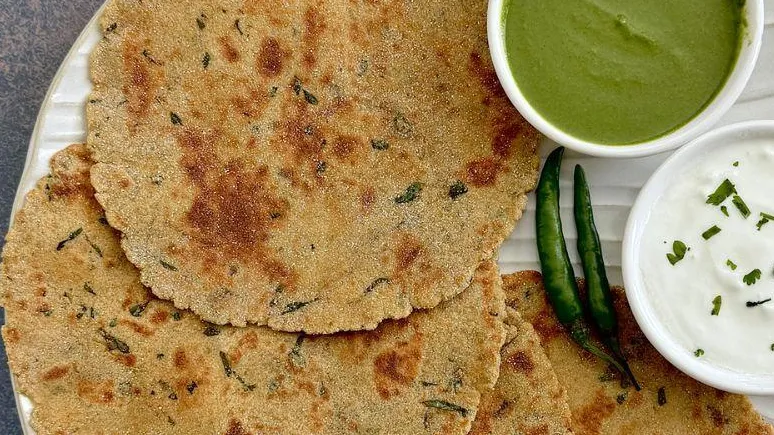
Jai Bholenath! The auspicious month of Sawan has arrived, and with it, a special time of worship for devotees of Lord Shiva has begun. This holy month dedicated to Lord Shiva is filled with spiritual energy and boundless grace. Every Monday of Sawan holds unique significance, when devotees observe fasts with complete faith and devotion, striving to please Bholenath. During this time, Shiva temples are bustling with devotees, and chants of 'Bam Bam Bhole' resonate.
The Sawan Somwar fast is not merely physical restraint but a symbol of spiritual purity and profound love for the Lord. This fast brings peace and positivity to the mind on one hand, and health benefits on the other. And when it comes to fasting, it feels incomplete without a delicious and nutritious 'falahari' offering. Today, we bring you a special offering that you can not only present to Bholenath during your Sawan Somwar fast but also consume as 'prasad' yourself, doubling the enjoyment of your fast. This offering will not only be delicious but also healthy, keeping you energetic throughout your fast. So, let's learn the method of making this 'Sawan Somwar Bhog' and its spiritual significance.
The Holy Significance of Sawan Somwar
Sawan, also known as Shravan Maas, is one of the holiest months dedicated to Lord Shiva in Hinduism. It is believed that during the month of Sawan, Lord Shiva resides on Earth with his consort Goddess Parvati and readily listens to the prayers of his devotees. The fruits of Shiva worship and fasting performed in this month are manifold. The significance of Sawan Somwar, in particular, increases even further.
According to mythological tales, Goddess Parvati observed severe penance during Sawan Maas and fasted every Monday to attain Lord Shiva as her husband. For this reason, the Sawan Somwar fast is considered very auspicious for unmarried girls to get a desired groom and for married women to attain eternal marital bliss (Akhand Saubhagya). Additionally, devotees who fast for the fulfillment of their wishes, freedom from diseases, increase in wealth and prosperity, and a peaceful life, have all their desires fulfilled by the grace of Bholenath. Observing the Sawan Somwar fast helps in overcoming Chandra Dosha (lunar affliction) and keeps the mind peaceful, as Monday is also considered the day of the Moon, and Lord Shiva adorns the Moon on his head. Offering water, milk, Bilva leaves, Dhatura, Bhang, etc., on the Shivalinga during this holy month also holds special significance, as all these things are extremely dear to Lord Shiva.
Basic Rules for Sawan Somwar Fast
The Sawan Somwar fast should be observed with complete faith and adherence to rules to gain its full benefits. This fast begins at sunrise and continues until sunset, after which the fast is broken following worship. Here are some basic rules that are important to follow:
- Purity and Sanctity: On the day of the fast, wake up early in the morning, bathe, and wear clean clothes. Keep the home and puja area sacred as well.
- Sankalp (Vow): Before starting the fast, meditate on Lord Shiva in your mind and take a vow to observe the fast.
- Puja Method: Perform proper worship of Lord Shiva and Goddess Parvati at home or in a temple. Offer water, milk, curd, ghee, honey, Gangajal, sandalwood, unbroken rice (akshat), Bilva leaves, Dhatura, Bhang, flowers, and fruits on the Shivalinga. Recite the Shiva Chalisa and perform Aarti.
- Falahar (Fruitarian Diet): The Sawan Somwar fast is primarily falahari (based on fruits and permissible foods). In this, you can consume fruits, milk, curd, makhana (fox nuts), water chestnut flour, buckwheat flour, sago, rock salt, etc.
- What Not to Eat: During the fast, consumption of grains, pulses, common salt, onion, garlic, non-vegetarian food, and alcohol is strictly prohibited.
- Water Intake: If health permits, a Nirjala Vrat (fast without water) can be observed. Otherwise, water, lemon water, juice, milk, etc., can be consumed.
- Peace of Mind: Keep your mind peaceful during the fast. Do not criticize anyone and avoid lying. Chant the mantras of Lord Shiva.
- Breaking the Fast: After the evening puja and Aarti, offer 'bhog' to the Lord and then partake of the 'prasad'. Only after this should you break your fast.
Remember, the main purpose of fasting is a pure heart and true devotion. Lord Shiva is hungry for sentiment, not for pomp.
Bholenath's Favorite Offerings: What to Offer?
Lord Bholenath is a deity of extremely simple and gentle nature. He prefers the devotee's faith and love more than the grandeur of offerings. Typically, in Shiva Puja, things like Bilva leaves, Dhatura, Bhang, water, milk, Madar flowers, Shami leaves are offered. But when it comes to food offerings, there are many sattvic dishes that can be dedicated to Lord Shiva and then consumed as 'prasad'.
The offering dedicated to Bholenath should always be pure, fresh, and sattvic. It does not use onion, garlic, or common salt. During the Sawan Somwar fast, since devotees themselves observe a 'falahari' diet, dishes are prepared that are suitable for fasting rules. These include Sago Kheer, Water Chestnut Flour Halwa, Kuttu Pakoras, fruits, and milk, etc.
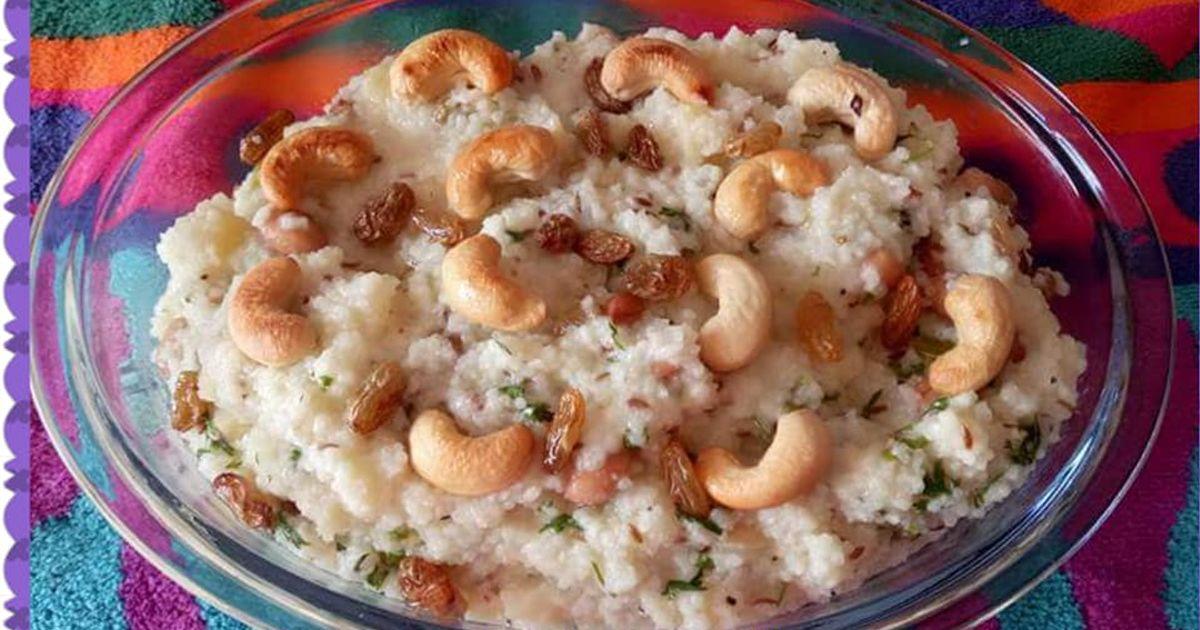
Today, we bring you a special offering that will not only adhere to the fasting rules but also be a wonderful blend of taste and health. We will make "Nutritious Water Chestnut and Coconut Halwa". This halwa, being falahari, is extremely delicious and full of energy, which will make you feel refreshed during the fast. Both water chestnut flour and coconut are used in fasting and have their own nutritional benefits. So, let's learn the detailed method of this special offering.
Method for Special Offering: Nutritious Water Chestnut and Coconut Halwa
This halwa will not only please Lord Shiva but also provide you with energy during your fast. It is very easy to make.
Ingredients:
- Water Chestnut Flour – 1 cup
- Fresh Grated Coconut – ½ cup
- Desi Ghee – 4-5 tablespoons
- Jaggery (sugar alternative) – ½ cup (or to taste)
- Milk – 2 cups (full cream or your preference)
- Cardamom Powder – ½ teaspoon
- Cashews and Almonds – 10-12 (finely chopped)
- Raisins – 10-12
- Saffron Strands – a pinch (soaked in warm milk, optional)
- Rock Salt – a pinch (optional, to enhance flavor)
Method:
- Heat the Kadai: Heat a heavy-bottomed kadai or non-stick pan over medium heat. Add 3 tablespoons of Desi Ghee to it.
- Roast the Flour: Once the ghee is hot, add the water chestnut flour and roast it on low heat, stirring continuously. Roast until a subtle aroma starts to emanate from the flour and its color turns light golden. This may take about 8-10 minutes. Ensure to keep the flame low so that the flour does not burn.
- Add Coconut and Nuts: Once the flour is well roasted, add the grated coconut, chopped cashews and almonds (save some for garnish), and raisins, and roast for another minute.
- Mix Milk and Jaggery: Now, gradually add milk while stirring continuously to prevent lumps. At this point, also add melted jaggery (or sugar) and a pinch of rock salt (if using).
- Cook the Halwa: Cook the mixture on medium heat, stirring continuously. Continue cooking until the halwa thickens and starts leaving the sides of the kadai. This will take approximately 5-7 more minutes.
- Cardamom and Saffron: Before turning off the gas, add cardamom powder and soaked saffron strands (if using), and mix well.
- Final Touch: Now add the remaining 1-2 teaspoons of Desi Ghee from the top and mix once again. This will give the halwa a good shine and flavor.
- Offer Bhog: Transfer the hot Water Chestnut and Coconut Halwa to a clean plate. Garnish with the remaining chopped nuts. Offer it devoutly to Lord Shiva. After offering 'bhog', partake it as 'prasad'.
This delicious and nutritious halwa will make your Sawan Somwar fast even more special.
Special Tips to Make the Offering Healthy and Delicious
It is equally important to make fasting food not only delicious but also healthy, so that you feel energetic. Here are some special tips:
To Make it Healthy:
- Use Jaggery: Use jaggery or rock sugar (धागे वाली मिश्री) instead of white sugar. Jaggery contains iron and other minerals, making it much more nutritious than white sugar. It will also give the halwa a beautiful brown color and natural sweetness.
- Control Ghee Quantity: Desi Ghee is good for health, but control its quantity. Use enough ghee to prevent the halwa from sticking, but avoid adding excessive ghee. You can also use a little less ghee if you prefer.
- Nuts and Seeds: Add a generous amount of nuts and seeds like cashews, almonds, walnuts, pistachios, and sunflower seeds to the halwa. These are excellent sources of healthy fats, protein, and fiber, which will keep you satiated for longer.
- Milk Alternative: If you want to avoid dairy products or are lactose intolerant, you can also use almond milk or coconut milk instead of cow's milk.
- Include Fruits: Serve the halwa with or topped with chopped fresh fruits like banana, apple, or pomegranate seeds. This will enhance its nutritional value.
To Make it Delicious:
- Roast the Flour Well: Roast the water chestnut flour on low heat until it turns nicely golden and fragrant. Undercooked flour can spoil the taste of the halwa.
- Fresh Coconut: Use fresh grated coconut instead of dry coconut powder. This adds a wonderful flavor and moisture to the halwa.
- Saffron and Cardamom: Use saffron and cardamom powder. These not only impart wonderful aroma and flavor but also give the halwa a royal touch.
- Balance the Taste: Adjust the sweetness according to your preference. Too sweet or too little sweet halwa doesn't taste good.
- Correct Texture: Cook the halwa until it thickens and starts leaving the sides of the kadai. A smooth and granular texture is ideal.
By following these tips, you can create an offering that will not only be dear to Lord Shiva but also provide nourishment and satisfaction to your family.
Importance of Bhog (Offerings) in Religious Scriptures
In Hinduism, offering food to deities, known as 'Bhog' or 'Naivedya', is an extremely important and sacred ritual. This practice is extensively mentioned in religious scriptures and Puranas and is considered an integral part of devotion.
Shiva Purana including various Puranas describe many types of offerings to please Lord Shiva. It is believed that any food item offered to the Lord with a pure mind and devotion, no matter how simple, pleases Him. The Shiva Purana states that offering fruits, sweets, and other sattvic items to Lord Shiva after performing Abhishek with milk, curd, ghee, honey, and Gangajal, pleases Him and fulfills the wishes of devotees.
Concept of Naivedya: Naivedya is not just food, but a symbol of gratitude and love towards the Lord. When we offer 'bhog' to God, we offer Him the first portion of the things we have made, believing that everything comes from Him. This develops a sense of sacrifice and surrender within us.
Significance of Prasad: After an offering is made to God, it becomes 'Prasad'. Prasad is considered extremely sacred and endowed with medicinal properties. Consuming it leads to physical and mental purification, wards off diseases, and bestows divine blessings. It is not just an edible item, but a fragment of God's divine love and power. Partaking of Prasad infuses positive energy within a person and generates a feeling of peace and contentment in the mind. It reminds us that God is with us and takes care of all our needs.
This tradition teaches us that we should thank God for everything we have received in our lives and offer Him the best. Offering 'bhog' is not just a ritual, but a deep spiritual act that connects us with the divine.
Other Falahari Offering Options
Besides water chestnut and coconut halwa, there are many other delicious and nutritious dishes that you can offer to Bholenath during the Sawan Somwar fast and also consume as prasad yourself:
- Sago Kheer: This is one of the most popular dishes for fasting. Made with milk, sago, sugar (or jaggery), cardamom, and nuts, this kheer is delicious and full of energy.
- Barnyard Millet Kheer: Barnyard millet (Samak rice/Mour Dhan) is a type of grain eaten during fasts. Its kheer is also made similar to Sago Kheer and tastes very delicious.
- Sweet Potato Halwa: Boiled sweet potatoes mashed, roasted in ghee, and cooked with milk and sugar/jaggery, this halwa is an excellent falahari option.
- Coconut Barfi: Made from coconut flakes, milk, sugar/jaggery, and ghee, this barfi is also an excellent offering for fasting. It is quite simple to make.
- Fruit Chaat: A light and healthy chaat can be made by mixing chopped fresh fruits like apple, banana, pomegranate, papaya, etc., with rock salt and black pepper.
- Makhana Kheer: Roasting makhana (fox nuts) in ghee and cooking it with milk and sugar/jaggery makes a light and nutritious kheer.
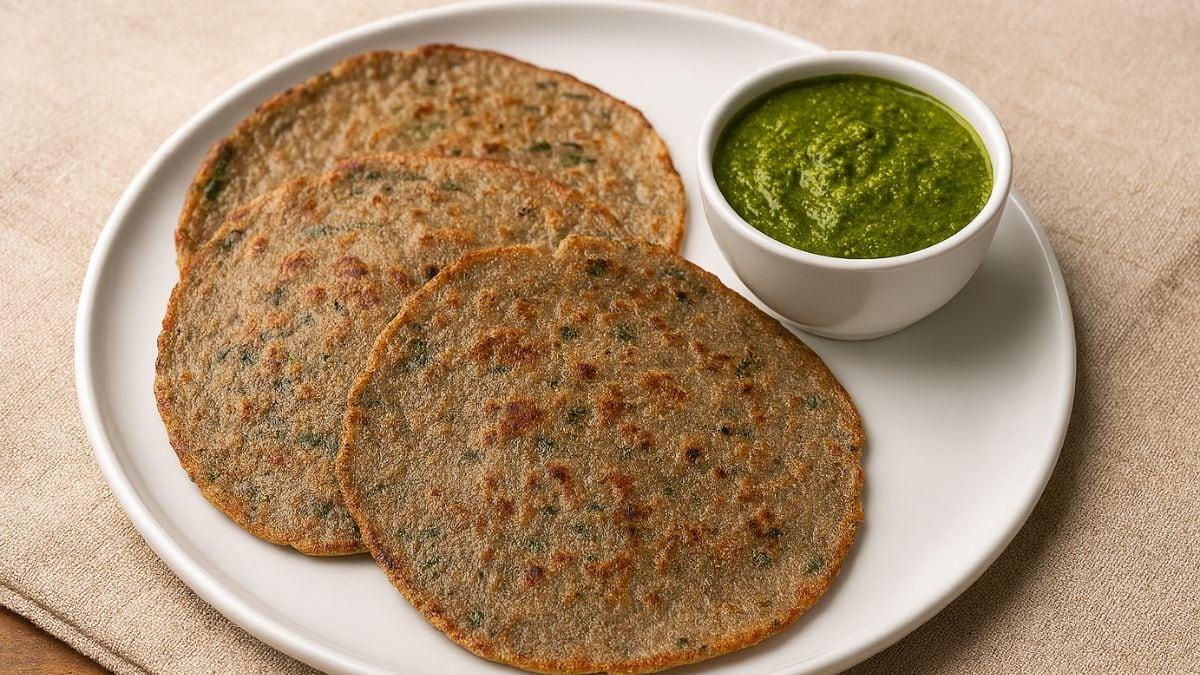
- Kuttu Flour Cheela or Pakoras: Cheela or pakoras can be made by mixing Kuttu (buckwheat) flour with potatoes, green chilies, coriander, and rock salt, which can be eaten with curd.
You can choose from these options according to your preference and available ingredients. The important thing is that whatever offering you prepare should be made with purity and devotion.
Conclusion
The holy month of Sawan and the Sawan Somwar fast are a golden opportunity to express our faith and devotion towards Lord Shiva. All religious rituals, prayers, and fasts performed during this time fill us with spiritual peace and positive energy. When we prepare a pure and sattvic offering for God with our own hands, it is imbued with our devotion and love, which makes that offering even more special.
The method for the nutritious water chestnut and coconut halwa that we have shared today will not only be dear to Lord Bholenath but also provide nourishment and energy to your body during the fast. Remember, your true sincerity and love are more important to God than the grandeur of the offering. Whatever you offer, offer it from the heart.
So this Sawan Somwar, perform puja with full rituals, follow the rules of fasting, and offer this delicious and nutritious prasad to Bholenath with your own hands. You will certainly receive the blessings of Lord Shiva, and happiness and prosperity will reside in your life.
Har Har Mahadev!
Related Images

Frequently Asked Questions
Q: Why is Sawan Maas considered important?
Sawan Maas is one of the holiest months dedicated to Lord Shiva. It is believed that during this period, Lord Shiva resides on Earth with his consort Goddess Parvati and readily listens to the prayers of devotees.
Q: What are the benefits of observing Sawan Somwar fast?
The Sawan Somwar fast provides spiritual purification, peace of mind, positivity, and health benefits. It is also considered auspicious for the fulfillment of wishes, freedom from diseases, increase in wealth and prosperity, and eternal marital bliss.
Q: Who specifically should observe the Sawan Somwar fast?
According to mythological tales, unmarried girls observe this fast to find a desired groom, and married women observe it to attain eternal marital bliss. Other devotees also observe this fast for the fulfillment of their wishes.
Q: Which planetary defect (graha dosha) is removed by observing Sawan Somwar fast?
Observing the Sawan Somwar fast helps in getting rid of Chandra Dosha (lunar affliction), as Monday is considered the day of the Moon, and Lord Shiva adorns the Moon on his head.
Q: Which items are extremely dear to Lord Shiva and should be offered in Sawan?
Water, milk, Bilva leaves, Dhatura, and Bhang are extremely dear to Lord Shiva, and offering them on the Shivalinga during Sawan Maas holds special significance.
Q: From when to when is the Sawan Somwar fast observed?
The Sawan Somwar fast begins at sunrise and continues until sunset, after which the fast is broken following worship.
Q: When and how is the fast broken (paran)?
The fast is broken after performing proper worship of Lord Shiva and Goddess Parvati after sunset.
Q: What is mandatory before starting the Sawan Somwar fast?
Before starting the fast, it is mandatory to meditate on Lord Shiva in your mind and take a vow to observe the fast.
Q: What are the rules for maintaining purity on Sawan Somwar?
On the day of the fast, wake up early in the morning, bathe, and wear clean clothes. The home and puja area should also be kept sacred.
Q: What specific topic is covered in this article?
This article focuses on the method of making a delicious and nutritious falahari offering to be presented to Bholenath during the Sawan Somwar fast, and its underlying spiritual significance.

Author
Praarthana Editorial Team
The Praarthana Editorial Team shares daily spiritual guidance, authentic rituals, and deep insights from ancient Sanatan scriptures to support your spiritual journey.

Download App
पंचांग तिथि, त्यौहार, व्रत, उत्सव, एकादशी, आरती संग्रह, मंत्र, व्रत कथा



एक टिप्पणी छोड़ें