
Hūṃ Bīja Mantra
Unlock the power of Hūṃ, a potent Bīja mantra for protection, courage, and spiritual transformation. Explore its deep Vedic and Tantric significance, benefits, and chanting guide.
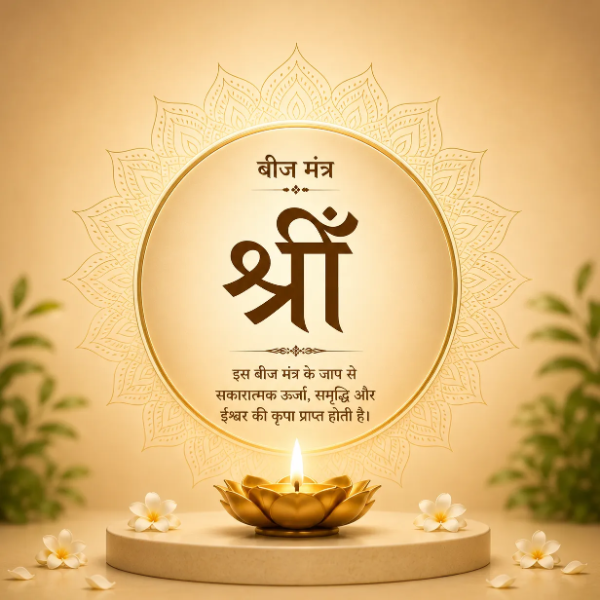
Meaning of Mantra
The Hūṃ Bīja mantra is a highly potent, one-syllable sound fundamental to various Hindu and Buddhist Tantric traditions. It embodies fierce divine energy, acting as a spiritual shield and a catalyst for profound inner transformation. While simple in form, its vibrational resonance is complex, invoking the aspects of cosmic fire, the power to overcome obstacles, and the essence of protective deities like Shiva (especially Bhairava forms), Durga, and Kālī. Chanting Hūṃ is believed to purify the practitioner, incinerate negative karma, dissolve fear, and awaken inner strength, courage, and discernment. It is a powerful call to the divine energy that protects, transforms, and ultimately liberates.
Benefits & Science
Benefits of Chanting:
Consistent and devoted chanting of the Hūṃ Bīja mantra is associated with cultivating a formidable internal spiritual shield, offering a sense of protection from various forms of negative energies, both internal (like doubt, fear, anger) and external (like adverse influences). It is believed to significantly enhance one's courage, determination, and willpower, empowering individuals to face challenges with resilience. The mantra’s vibrational energy can help in the removal of obstacles, clearing pathways for personal and spiritual progress. Through its purifying resonance, Hūṃ facilitates an inner cleansing, releasing stored emotional blockages and contributing to a deeper sense of peace and clarity. This can lead to profound spiritual awakening, fostering a stronger connection to one's true self and higher consciousness. The meditative nature of chanting also improves focus and concentration, while the dissipation of fear and anxiety promotes emotional stability and a calmer mind.
Scientific Perspective:
From a scientific perspective, the chanting of Hūṃ, like other Bīja mantras, involves specific vocalizations that create distinct vibratory patterns. The deep, guttural 'H' sound engages the chest and throat, potentially stimulating the vagus nerve, which plays a crucial role in regulating heart rate, digestion, and mood. This stimulation can promote a 'rest and digest' response (parasympathetic nervous system activation), reducing stress and anxiety. The extended 'Ū' vowel sound, sustained and resonant, can lead to brainwave entrainment, shifting brain activity from beta (alert, active) to alpha (relaxed, aware) and even theta (deep relaxation, meditation) states, fostering mental clarity and calmness. The final nasal 'M' (Bindu) creates a subtle cranial vibration, which some studies suggest may stimulate the pineal gland and resonate within the cranial sinuses, potentially influencing neurotransmitter release and enhancing focus and introspection. The rhythmic repetition can also reduce cortisol levels (stress hormone) and increase nitric oxide production, beneficial for cardiovascular health and immune function.
Mythology & Origin
Mantra Origin Saga:
The Hūṃ Bīja mantra does not have a single linear origin story but emerges from the ancient wellspring of Vedic and Tantric traditions. It is considered a primordial sound (Pranava) and a direct manifestation of divine energy, rather than an invention. Its profound resonance is believed to have been 'heard' by ancient Rishis in deep meditative states, recognizing it as the quintessential sound of powerful, transformative, and protective deities. It is inherently linked to the cosmic sound that underpins creation, preservation, and dissolution, making it a foundational element in many spiritual practices.
Scriptures Mentions:
The Hūṃ Bīja mantra is extensively mentioned in various Tantric Āgamas, Purāṇas, and Upaniṣads, particularly those associated with the worship of Shiva, Durgā, Kālī, and other fierce deities. It is a key component in the mantra vidyās (sciences) described in texts like the Rudrayamala Tantra, Kālikā Purana, and the various Devi Mahatmyas. Its inclusion in these scriptures underscores its significance as a powerful tool for invoking divine protection, strength, and spiritual realization. It's often found embedded within longer, more complex mantras, signifying its role as the 'seed' of that mantra's core energy.
Associated Rishi & Deity:
The Hūṃ Bīja is primarily associated with fierce manifestations of the Divine. Its foremost associations are with Lord Shiva, particularly in his potent forms like Bhairava, Rudra, and Virabhadra, representing his destructive and transformative aspects. It is also deeply connected to Goddess Durgā, Kālī, Chandi, and other Mahāvidyās, embodying their protective and destructive powers against evil and ignorance. Various Tantric Siddhas and Yogis throughout history have utilized this mantra for attaining Siddhis (spiritual powers), protection, and profound spiritual experiences.
Historical Significance:
Historically, Hūṃ has played a pivotal role in the development and practice of Tantric yoga and various branches of Hinduism and Buddhism. It was a foundational Bīja mantra employed by ancient yogis, ascetics, and spiritual practitioners for protection during intense meditations, for conquering internal and external adversaries, and for accelerating spiritual evolution. Its use extended beyond individual practice, often being incorporated into elaborate rituals (yajñas, homas) to invoke powerful deities and purify environments. The enduring presence of Hūṃ in diverse spiritual lineages testifies to its perceived efficacy and profound transformative power over millennia.
Frequently Asked Questions (FAQs)
What is the primary significance of the Hūṃ Bīja mantra?
Which deities are specifically associated with the Hūṃ mantra?
Can beginners chant the Hūṃ mantra, or is it only for advanced practitioners?
How does Hūṃ provide protection?
What is the best way to integrate Hūṃ into daily spiritual practice?
Can Hūṃ be combined with other mantras?
Does chanting Hūṃ have any physical health benefits?
Is there a specific visualization recommended while chanting Hūṃ?
Mantra Sadhana Guidelines
Best Time to Chant
- Mondays are especially auspicious and beneficial.
- Early morning Brahma Muhurta (4:00 - 6:00 AM) is best.
- Highly fruitful during Pradosh Kaal and Mahashivratri.
- Chant before commencing any auspicious task or ritual.
Other Popular Beej Mantra Mantras
Other Devotional Categories

Download App
पंचांग तिथि, त्यौहार, व्रत, उत्सव, एकादशी, आरती संग्रह, मंत्र, व्रत कथा