
Om Dum Durgayai Namah
Explore Om Dum Durgayai Namah mantra's deep meaning, benefits, pronunciation, and spiritual significance. Invoke Goddess Durga for protection, strength, and obstacle removal.
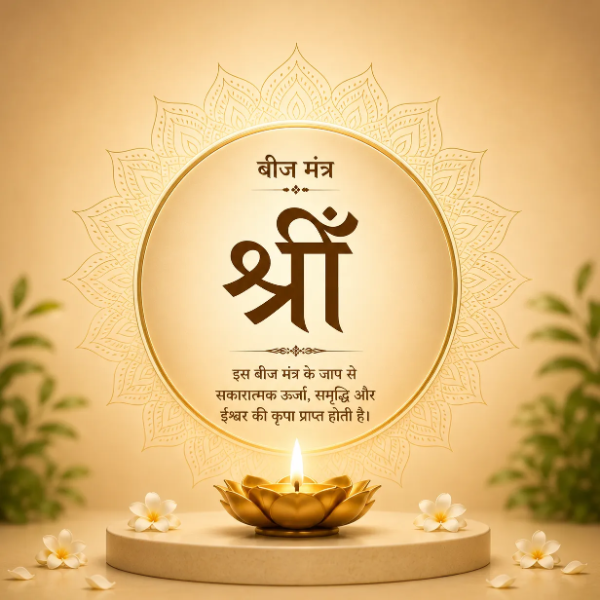
Meaning of Mantra
This mantra translates to: "Om, Salutations to Goddess Durga, represented by the seed sound 'Dum'." It is a powerful invocation of the fierce yet compassionate energy of Goddess Durga, seeking her divine blessings for inner strength, protection from adversities, and the removal of all obstacles on the spiritual and material path.
Benefits & Science
Benefits of Chanting:
Chanting "Om Dum Durgayai Namah" cultivates profound inner strength and resilience, enabling individuals to face life's challenges with unwavering courage. The vibrational energy of the mantra is believed to create a protective shield, warding off negative influences and fostering a sense of security. Regular practice helps in overcoming fears, anxieties, and self-doubt, thereby enhancing confidence and self-esteem. It can aid in the removal of obstacles that hinder personal and spiritual progress, paving the way for success and prosperity. Furthermore, by connecting with Goddess Durga's fierce yet compassionate energy, devotees may experience a heightened sense of spiritual awareness, emotional balance, and clarity of thought, leading to overall well-being and a deeper connection to the divine. This mantra is also associated with invoking leadership qualities and the ability to make decisive choices in complex situations.
Scientific Perspective:
From a scientific perspective, the rhythmic chanting of "Om Dum Durgayai Namah" generates specific sound vibrations that can positively influence the brain and nervous system. The "Om" sound is known for its calming effect, harmonizing brainwave activity, and potentially inducing alpha and theta states, conducive to deep relaxation and focused meditation. The 'Dum' Bija mantra, with its specific resonance, is thought to activate certain energy centers (chakras) and stimulate the vagus nerve, which plays a crucial role in regulating stress responses, heart rate variability, and overall parasympathetic nervous system activity. This activation can lead to reduced stress, improved emotional regulation, and enhanced cognitive function. The focused repetition improves concentration, auditory processing, and can foster neuroplasticity, strengthening neural pathways associated with resilience and positive emotional states. The deep exhalations during chanting also increase oxygen flow, promoting relaxation and mental clarity.
Mythology & Origin
Mantra Origin Saga:
Goddess Durga was created by the collective energies of the Hindu Trinity (Brahma, Vishnu, Shiva) and other gods to defeat the formidable buffalo demon Mahishasura, who had become invincible to all male deities. Each deity contributed their divine weapons and powers to form Durga, making her the ultimate embodiment of Shakti (divine feminine power).
Scriptures Mentions:
The primary source detailing Durga's glories and various forms is the "Devi Mahatmyam" (also known as "Durga Saptashati" or "Chandi Patha"), a part of the Markandeya Purana. She is also revered in the Skanda Purana, Devi Bhagavat Purana, and numerous other Tantric texts and Puranas, establishing her central role in the Shaktism tradition.
Associated Rishi & Deity:
While not directly attributed to a single Rishi as its composer, the narrative of Devi Mahatmyam is presented by Rishi Markandeya. The creation of Durga involved the combined divine energies of Brahma, Vishnu, Shiva, and other Devas who, in their hour of need, sought the manifestation of supreme Shakti to vanquish evil.
Historical Significance:
Durga worship dates back to ancient times, with archaeological evidence suggesting her reverence in the Indus Valley Civilization. She became central to the Shaktism tradition, one of the major branches of Hinduism, emphasizing the divine feminine as the supreme power. Her festivals, particularly Navaratri, have been celebrated for millennia, symbolizing the victory of good over evil and the renewal of cosmic energy, reinforcing cultural and spiritual unity.
Frequently Asked Questions (FAQs)
Who is Goddess Durga?
What is the significance of "Dum" in the mantra?
Can anyone chant this mantra?
How does this mantra help in overcoming obstacles?
Is there any specific posture or mudra for chanting?
What are the long-term benefits of regular chanting?
Does this mantra have any specific health benefits?
Can children chant this mantra?
Mantra Sadhana Guidelines
Best Time to Chant
- Mondays are especially auspicious and beneficial.
- Early morning Brahma Muhurta (4:00 - 6:00 AM) is best.
- Highly fruitful during Pradosh Kaal and Mahashivratri.
- Chant before commencing any auspicious task or ritual.
Other Popular Beej Mantra Mantras
Other Devotional Categories

Download App
पंचांग तिथि, त्यौहार, व्रत, उत्सव, एकादशी, आरती संग्रह, मंत्र, व्रत कथा