
Yam Bija Mantra
यं बीज मंत्र की शक्ति खोजें। हृदय चक्र संतुलन, भावनात्मक उपचार और आध्यात्मिक विकास के लिए यह पवित्र ध्वनि। गहन अर्थ और जाप विधि जानें।
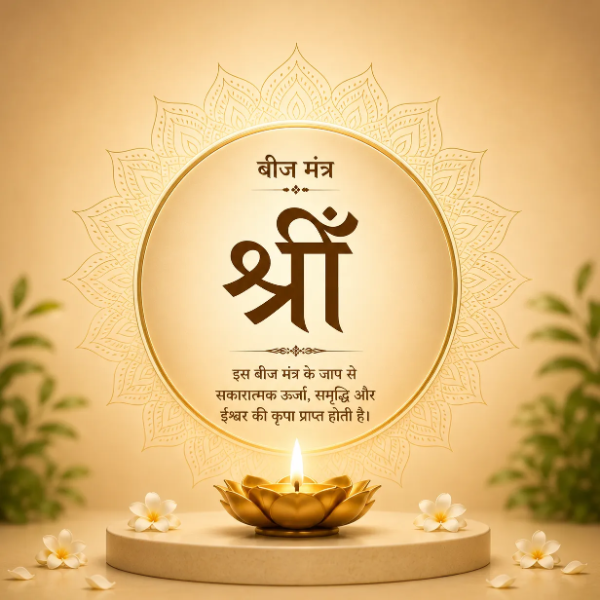
Meaning of Mantra
The 'Yam' Bija mantra is a potent seed sound primarily linked to the Anahata (Heart) Chakra and the element of Air (Vayu). Chanting it helps activate and balance the heart center, fostering qualities of love, compassion, emotional balance, and inner peace.
Benefits & Science
Benefits of Chanting:
Chanting 'Yam' primarily focuses on the Anahata Chakra, situated at the heart center. Regular practice can open the heart to universal love, dissolve feelings of resentment and sadness, and replace them with joy and compassion. It also has a profound effect on the respiratory system, improving breath control and lung function, which in turn calms the nervous system and fosters mental clarity. Emotionally, it helps in releasing past hurts and fostering a sense of interconnectedness with all life.
Scientific Perspective:
From a scientific standpoint, the resonant vibration of 'Yam' can stimulate the vagus nerve, which plays a crucial role in regulating heart rate, digestion, and mood. The focused chanting and deep breathing associated with mantra practice can lead to a parasympathetic nervous system response, inducing relaxation and reducing stress hormones. This vocalization and breath control can improve lung capacity and oxygen uptake, enhancing overall physiological and psychological well-being. The sound 'm' at the end creates a humming vibration that is known to calm the mind.
Mythology & Origin
Mantra Origin Saga:
The concept of Bija mantras like 'Yam' originates from ancient Vedic and Tantric traditions of India, where specific sounds were identified as cosmic vibrations capable of connecting with elemental forces and chakras.
Scriptures Mentions:
Mentioned in various Tantra Shastras, Upanishads (e.g., Yoga Upanishads), and texts on Kundalini Yoga, which detail the significance of Bija mantras for chakra activation and spiritual awakening.
Associated Rishi & Deity:
Primarily associated with Vayu Deva (the deity of wind) and the Anahata Chakra. Its practice is rooted in the teachings of ancient Yogis and Rishis who explored the science of sound and energy.
Historical Significance:
Historically, 'Yam' has been a fundamental component of yogic and meditative practices aimed at cultivating inner balance, emotional well-being, and spiritual growth, especially through the activation of the heart chakra.
Frequently Asked Questions (FAQs)
What is the main purpose of chanting the Yam Bija Mantra?
Is 'Yam' only associated with the Heart Chakra?
Can beginners chant this mantra?
How often should one chant 'Yam'?
Does chanting 'Yam' help with physical ailments?
What is the significance of the nasal sound 'm' in 'Yam'?
Can I combine 'Yam' with other mantras?
What emotional benefits can I expect from chanting 'Yam'?
Mantra Sadhana Guidelines
Best Time to Chant
- Mondays are especially auspicious and beneficial.
- Early morning Brahma Muhurta (4:00 - 6:00 AM) is best.
- Highly fruitful during Pradosh Kaal and Mahashivratri.
- Chant before commencing any auspicious task or ritual.
Other Popular Beej Mantra Mantras
Other Devotional Categories


Download App
पंचांग तिथि, त्यौहार, व्रत, उत्सव, एकादशी, आरती संग्रह, मंत्र, व्रत कथा