
Om Hram Hreem Hroum Sah Suryaya Namah
Explore the profound Surya Beej Mantra, 'Om Hram Hreem Hroum Sah Suryaya Namah'. Uncover its deep meaning, spiritual significance, scientific benefits, and how to chant for vitality, health, and enlightenment.
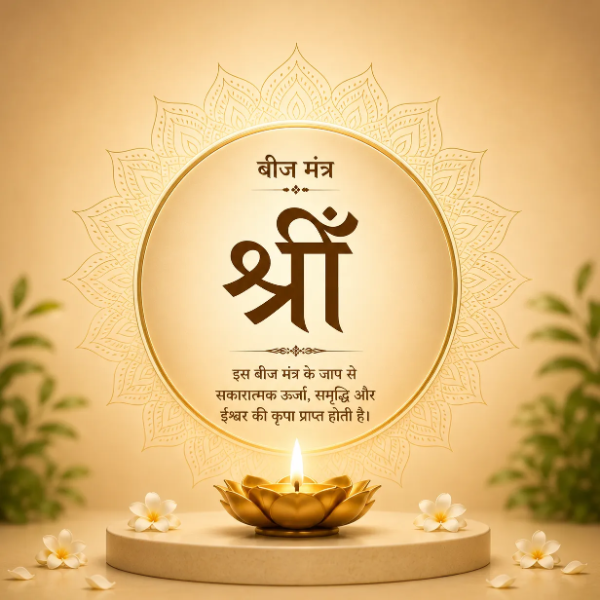
Meaning of Mantra
This powerful Surya Beej Mantra, 'Om Hram Hreem Hroum Sah Suryaya Namah,' is a profound invocation to Lord Surya, the celestial Sun God. It begins with 'Om,' the universal primal sound that resonates with cosmic creation. Following this are the potent 'Beej' (seed) mantras – Hram, Hreem, Hroum – which are specific sonic vibrations meticulously crafted to encapsulate the essence and energy of Surya. These beej sounds collectively represent the Sun's multifaceted cosmic functions: creation, preservation, and transformation, along with its illuminating and healing powers. 'Sah' acts as a sacred link, guiding the energies of the beej mantras towards the deity. 'Suryaya' directly addresses Lord Surya in reverence, and 'Namah' signifies deep adoration and humble salutations. Thus, the mantra comprehensively means: 'I bow to Lord Surya, the Sun God, who embodies the cosmic energy of creation, preservation, and transformation, invoked through these powerful seed sounds.' It's a complete surrender and appeal for divine solar energy, vitality, and enlightenment.
Benefits & Science
Benefits of Chanting:
The regular and devout chanting of the Surya Beej Mantra, 'Om Hram Hreem Hroum Sah Suryaya Namah,' can potentially usher in a multitude of spiritual and material advantages. It is believed to invigorate the body with vital energy, promoting overall physical health and well-being by stimulating the body's natural healing mechanisms. Mentally, the mantra can cultivate enhanced mental clarity, focus, and a brighter outlook, aiding in decision-making and problem-solving. Spiritually, it acts as a catalyst for inner illumination, helping to dispel spiritual darkness and ignorance, and fostering a deeper connection to one's higher self. The mantra is also associated with boosting self-confidence, leadership qualities, and willpower, which can contribute to professional and personal success. Furthermore, it is said to attract positive energy, remove obstacles, and offer a protective shield against negativity, thereby paving the way for prosperity and a harmonious life. While specific results are influenced by individual devotion and consistency, the practice aims to align the chanter with beneficial cosmic energies.
Scientific Perspective:
From a scientific perspective, mantra chanting operates on the principle of sound vibration and its impact on the human physiology and psyche. The specific sonic patterns and frequencies of 'Om Hram Hreem Hroum Sah Suryaya Namah' can induce a meditative state, characterized by a shift in brainwave patterns from beta to alpha and theta states. These states are associated with deep relaxation, increased creativity, and enhanced receptivity. The repetitive chanting stimulates the vagus nerve, which plays a crucial role in regulating heart rate variability, digestion, and mood. This activation can lead to a reduction in stress hormones (like cortisol) and an increase in feel-good neurotransmitters (like serotonin). The precise articulation of Sanskrit phonetics creates subtle vibrations in the mouth, tongue, and palate, which are believed to resonate with specific energy centers (chakras) and glands, potentially influencing the endocrine system and overall energetic balance. The rhythmic breathing patterns associated with chanting also improve oxygen intake and promote a sense of calm and well-being.
Mythology & Origin
Mantra Origin Saga:
The veneration of Surya, the Sun God, is deeply rooted in the ancient Vedic traditions of India. Surya is one of the most prominent deities mentioned in the Rig Veda, where he is lauded as the source of light, life, and warmth, dispeller of darkness, and the witness of all actions. The Beej Mantras associated with Surya have been revealed through ancient sages (rishis) during deep meditative states, recognizing the profound energetic frequencies of the Sun. This specific mantra is a powerful combination, believed to have been passed down through esoteric lineages for invoking the direct solar energy.
Scriptures Mentions:
Surya is extensively mentioned in the Vedas, particularly the Rig Veda, where hymns like the 'Surya Suktam' glorify him. He is also a central figure in the Puranas, such as the 'Bhavishya Purana' and 'Markandeya Purana,' which detail his cosmic significance, lineage, and various manifestations. The 'Yajur Veda' and 'Atharva Veda' also contain numerous mantras and prayers dedicated to Surya, highlighting his role in health, prosperity, and spiritual enlightenment. The 'Navagraha Stotram' places him at the head of the nine planetary deities, underscoring his paramount importance in Vedic astrology.
Associated Rishi & Deity:
The primary deity associated with this mantra is Surya Dev, the Sun God. He is often depicted riding a chariot drawn by seven horses, symbolizing the seven chakras or the seven colors of the rainbow. Mythologically, he is the son of Kashyapa and Aditi. The sage Agastya is famously associated with the 'Aditya Hrudayam' stotram, dedicated to Surya. Various Vedic Rishis like Vishwamitra and Bharadvaja have also composed hymns in praise of Surya, recognizing him as the supreme life force.
Historical Significance:
Historically, Surya worship has been prevalent across ancient civilizations, with significant architectural marvels like the Konark Sun Temple in Odisha, India, testifying to his importance. Surya festivals like Makar Sankranti and Ratha Saptami are celebrated with great fervor, reflecting the cultural and spiritual significance of the Sun as a bringer of harvests, health, and prosperity. The practice of Surya Namaskar (Sun Salutations) in Yoga also demonstrates the enduring reverence for Surya's life-giving energy. This mantra represents a continuous spiritual lineage of invoking and aligning with the cosmic power of the Sun, transcending millennia.
Frequently Asked Questions (FAQs)
What is the primary significance of the 'Beej' sounds (Hram, Hreem, Hroum) in this mantra?
Can women chant the Surya Beej Mantra?
Is there a specific mudra or hand gesture recommended during chanting?
What dietary recommendations are there for practitioners of this mantra?
How often should one chant this mantra for effective results?
Can this mantra help with astrological remedies for a weak Sun in one's birth chart?
What is the role of 'Sah' in the mantra?
Is there any specific visualization recommended while chanting?
Mantra Sadhana Guidelines
Best Time to Chant
- Mondays are especially auspicious and beneficial.
- Early morning Brahma Muhurta (4:00 - 6:00 AM) is best.
- Highly fruitful during Pradosh Kaal and Mahashivratri.
- Chant before commencing any auspicious task or ritual.
Other Popular Beej Mantra Mantras
Other Devotional Categories


Download App
पंचांग तिथि, त्यौहार, व्रत, उत्सव, एकादशी, आरती संग्रह, मंत्र, व्रत कथा