
Akala Mrityu Haranam Sarva Vyadhi Vinashanam
Explore 'Akala Mrityu Haranam Sarva Vyadhi Vinashanam', a powerful Shiva Mantra for protection from untimely death & disease. Deep meaning, benefits & chanting guide.
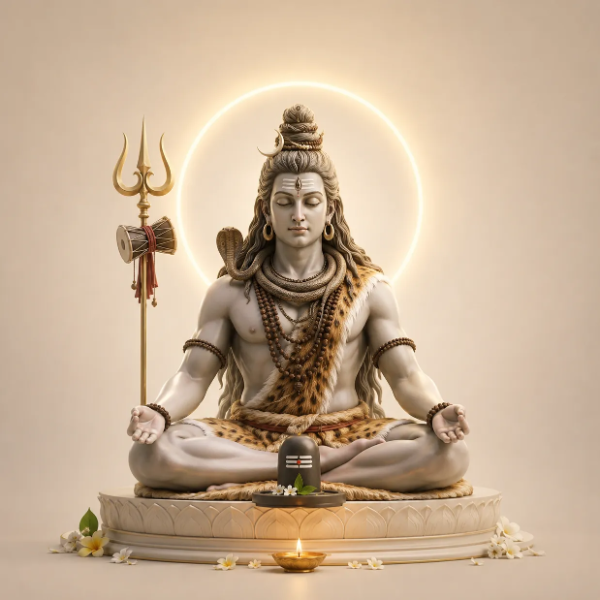
Meaning of Mantra
This powerful mantra verse translates to: 'The remover of untimely death, the annihilator of all diseases.' It is a profound declaration seeking divine intervention against premature demise and the eradication of all forms of physical and mental ailments. It invokes a higher power (traditionally Lord Shiva, particularly in the context of the Mahamrityunjaya Mantra) to protect life, grant longevity, and bestow robust health by dispelling all forms of suffering and illness.
Benefits & Science
Benefits of Chanting:
Chanting this mantra is believed to cultivate a powerful energetic shield, providing protection against life-threatening situations and promoting a holistic state of well-being. Regular practice can help in alleviating the impact of chronic diseases by fostering a positive mindset and strengthening the body's natural healing mechanisms. It nurtures a sense of calm, reducing anxieties related to mortality and illness, thereby contributing to enhanced mental clarity and emotional stability. The vibrational resonance of the mantra is thought to re-energize cells, improve vital organ function, and support the body's innate ability to recover and thrive. Spiritually, it acts as a purifier, clearing negative energies and karmic blockages, fostering a path towards inner peace and a more fulfilling, vital existence.
Scientific Perspective:
From a scientific viewpoint, mantra chanting involves rhythmic vocalization that can induce a meditative state. The repetitive utterance of 'Akala Mrityu Haranam Sarva Vyadhi Vinashanam' produces specific sound vibrations that stimulate the vagus nerve, which plays a crucial role in regulating heart rate, digestion, and mood. This stimulation can activate the parasympathetic nervous system, leading to a 'rest and digest' response that reduces stress, lowers blood pressure, and promotes relaxation. The focused attention required during chanting can synchronize brainwave patterns, moving from a stressed beta state to calmer alpha and theta states, enhancing mental clarity and emotional regulation. The consistent vibrational input may also positively influence cellular functions and improve overall physiological resilience, contributing to perceived health benefits and a stronger immune response.
Mythology & Origin
Mantra Origin Saga:
This specific verse is a powerful declaration found within or closely associated with the Mahamrityunjaya Mantra, one of the most revered and potent mantras in Hinduism. While not a standalone mantra, its essence is often invoked independently for its profound protective and healing qualities. The Mahamrityunjaya Mantra itself is believed to have been revealed to Sage Markandeya by Lord Shiva to overcome an untimely death predestined for him.
Scriptures Mentions:
This phrase is a significant part of the Mahamrityunjaya Mantra, which is prominently mentioned in the Rigveda (RV 7.59.12), Yajurveda (TS 3.5.8.3), and Atharvaveda. Its profound wisdom and efficacy are also elaborated in various Puranas, such as the Shiva Purana and Markandeya Purana, where its protective powers are often highlighted in stories of devotees overcoming death and disease.
Associated Rishi & Deity:
The primary deity associated is Lord Shiva, particularly in his manifestation as Tryambaka, the three-eyed one, the conqueror of death (Mrityunjaya). Sage Markandeya is traditionally credited with receiving and popularizing the Mahamrityunjaya Mantra, of which this verse is a key component.
Historical Significance:
Historically, mantras of protection and healing have been central to Vedic and Puranic traditions, providing solace and strength in times of adversity. The inclusion of such powerful declarations within revered texts underscores their enduring significance in Hindu spiritual practice. This mantra, as part of the Mahamrityunjaya, has been chanted for millennia by individuals, ascetics, and householders seeking divine intervention for health, longevity, and spiritual liberation, becoming a timeless symbol of hope and resilience against the dualities of life and death.
Frequently Asked Questions (FAQs)
Who is the primary deity associated with this mantra?
Is this mantra suitable for daily chanting?
Can children chant this mantra?
Does chanting this mantra guarantee immortality?
What is the best way to start chanting this mantra?
Can this mantra help with mental health issues?
Is there a specific time of day or direction best for chanting?
What is the significance of 'Sarva Vyadhi Vinashanam'?
Mantra Sadhana Guidelines
Best Time to Chant
- Mondays are especially auspicious and beneficial.
- Early morning Brahma Muhurta (4:00 - 6:00 AM) is best.
- Highly fruitful during Pradosh Kaal and Mahashivratri.
- Chant before commencing any auspicious task or ritual.
Other Popular Lord Shiva Mantras
Other Devotional Categories


Download App
पंचांग तिथि, त्यौहार, व्रत, उत्सव, एकादशी, आरती संग्रह, मंत्र, व्रत कथा