
Om Sham Shankaraya Namaha
ॐ शं शंकराय नमः मंत्र का गहरा अर्थ, वैज्ञानिक लाभ और सही जाप विधि जानें। आंतरिक शांति व शुभता के लिए प्रभावी शिव मंत्र।
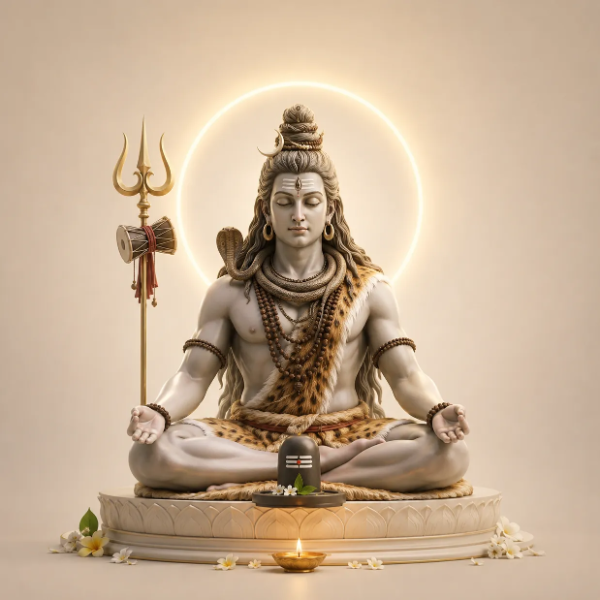
Meaning of Mantra
Om, I bow to Lord Shankara, the benevolent one who bestows peace and auspiciousness upon all beings.
Benefits & Science
Benefits of Chanting:
Chanting 'Om Sham Shankaraya Namaha' creates powerful vibrations that resonate with the benevolent energy of Lord Shiva. This regular practice helps in clearing blockages in the energy channels (nadis) within the body, leading to improved health and vitality. Mentally, it calms the mind, reduces stress, and fosters a sense of inner peace. Spiritually, it opens the practitioner to higher consciousness, deepens their devotion, and invites Shiva's blessings for protection, prosperity, and spiritual enlightenment. The 'Sham' (शं) bija mantra specifically enhances auspiciousness and tranquility.
Scientific Perspective:
From a scientific perspective, the chanting of 'Om Sham Shankaraya Namaha' involves rhythmic vocalization, which can induce a meditative state. The repetitive sounds and vibrations stimulate the vagus nerve, which plays a role in regulating stress responses and promoting relaxation. This can lead to a reduction in cortisol levels (stress hormone), lower heart rate, and improved brainwave coherence, shifting the brain into alpha or theta states associated with calmness and creativity. The focus required for chanting also enhances concentration and mindfulness.
Mythology & Origin
Mantra Origin Saga:
This mantra originates from the ancient Vedic traditions of Hinduism, deeply rooted in the worship of Lord Shiva. It is a fundamental salutation and a bija (seed) mantra for Shiva, invoking His most benevolent form as Shankara, the giver of peace and auspiciousness. Its simplicity and profound effect have made it a staple in daily puja and meditation practices.
Scriptures Mentions:
References to Lord Shiva's names and attributes, including Shankara, are found extensively in the Vedas (Rigveda, Yajurveda), Upanishads (e.g., Shvetashvatara Upanishad), Puranas (especially Shiva Purana and Linga Purana), and various Agama texts. The concept of 'Om' and Bija mantras are also detailed in these ancient scriptures.
Associated Rishi & Deity:
The mantra is primarily dedicated to Lord Shiva, who is revered as the Destroyer of ignorance and bestower of blessings. Many ancient sages and rishis, through their meditative practices and divine revelations, are believed to have understood and propagated the power of such sacred sounds. Shiva himself is often depicted in deep meditation, embodying the very peace this mantra seeks to invoke.
Historical Significance:
The chanting of 'Om Sham Shankaraya Namaha' has been a continuous spiritual practice for millennia, signifying devotion to Lord Shiva. It represents a living tradition passed down through generations, embodying the timeless wisdom of seeking inner peace and divine grace. Its widespread use in temples, ashrams, and homes across India and beyond highlights its enduring significance in Hindu devotional practices.
Frequently Asked Questions (FAQs)
What is the primary significance of 'Om Sham Shankaraya Namaha'?
Can anyone chant this mantra, or are there restrictions?
What does 'Sham' (शं) signify in the mantra?
Is it necessary to use a mala for chanting?
What is the best time to chant this mantra?
How does this mantra help with stress and anxiety?
What is the meaning of 'Shankara'?
Can this mantra be used for healing purposes?
Mantra Sadhana Guidelines
Best Time to Chant
- Mondays are especially auspicious and beneficial.
- Early morning Brahma Muhurta (4:00 - 6:00 AM) is best.
- Highly fruitful during Pradosh Kaal and Mahashivratri.
- Chant before commencing any auspicious task or ritual.
Other Popular Lord Shiva Mantras
Other Devotional Categories


Download App
पंचांग तिथि, त्यौहार, व्रत, उत्सव, एकादशी, आरती संग्रह, मंत्र, व्रत कथा