
Saurashtra Somnatham Cha Shrishayle Mallikarjunam
Explore the deep spiritual meaning and benefits of 'Saurashtra Somnatham Cha Shrishayle Mallikarjunam', the first verse of the Dvadasha Jyotirlinga Stotram. Connect with Lord Shiva and gain divine grace.
Meaning of Mantra
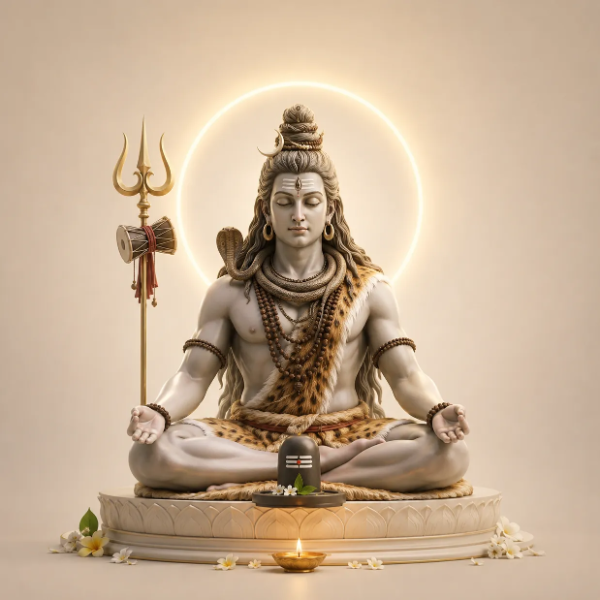
This sacred verse translates to: "In Saurashtra, (I remember) Somnath, and in Srisailam, (I remember) Mallikarjuna." It is the opening line of the revered Dvadasha Jyotirlinga Stotram, a hymn that invokes and glorifies the twelve supreme abodes of Lord Shiva known as Jyotirlingas. Chanting this verse is an act of remembering and connecting with the divine energy embodied in these two ancient and powerful pilgrimage sites.
Benefits & Science
Benefits of Chanting:
Chanting "Saurashtra Somnatham Cha Shrishayle Mallikarjunam" is believed to establish a profound spiritual connection with Lord Shiva's divine energy. Regularly reciting this mantra can contribute to a sense of inner peace and mental clarity, helping to alleviate stress and anxiety. It is thought to purify the mind, body, and spirit, fostering emotional stability and resilience. Devotees often experience a heightened sense of devotion and faith, which can attract divine grace and protection from negative influences. While not promising instant material gains, consistent practice of this mantra is often associated with significant spiritual growth, the removal of subtle obstacles on one's path, and an experience of the auspicious energy of these sacred Jyotirlinga sites, even without physical presence.
Scientific Perspective:
From a scientific perspective, the rhythmic chanting of Sanskrit mantras, including this verse, generates specific sound vibrations. These vibrations are known to affect brainwave patterns, potentially shifting them from beta to alpha or theta states, which are associated with relaxation, meditation, and heightened awareness. The precise articulation of sounds, as in Sanskrit, is believed to stimulate the vagus nerve, influencing the parasympathetic nervous system and promoting a 'rest and digest' response, thereby reducing stress and improving overall well-being. The repetition and focus required for chanting can enhance concentration, cultivate mindfulness, and promote neural coherence, creating a tranquil yet alert mental state.
Mythology & Origin
Mantra Origin Saga:
This verse is the beginning of the revered Dvadasha Jyotirlinga Stotram, a hymn composed to glorify the twelve sacred Jyotirlinga shrines of Lord Shiva. The origin of Jyotirlingas is deeply rooted in the Shiva Purana, which recounts the story of Shiva manifesting as an infinite pillar of light (Jyotirlinga) to settle a dispute between Brahma and Vishnu over supremacy. The places where Shiva's divine light pierced the earth are believed to be the Jyotirlingas. Somnath is often considered the first among these, with a rich history of destruction and reconstruction, symbolizing enduring faith. Mallikarjuna is associated with the legend of Shiva and Parvati residing on the Srisailam mountain, and Kartikeya's reconciliation with his parents.
Scriptures Mentions:
Shiva Purana, Linga Purana, Skanda Purana, Dvadasha Jyotirlinga Stotram, various regional Mahatmyams (glorifications).
Associated Rishi & Deity:
Lord Shiva (the primary deity), Goddess Parvati (associated with Mallikarjuna), Chandra Dev (Moon God, associated with Somnath), Brahma, Vishnu, Kartikeya, various sages and devotees who have worshipped at these sites over millennia.
Historical Significance:
The Jyotirlinga sites, including Somnath and Mallikarjuna, are among the most ancient and historically significant pilgrimage centers in India. Somnath, repeatedly plundered and rebuilt, stands as a testament to the resilience of Hindu faith and culture, dating back to antiquity with mentions in Rig Veda. Mallikarjuna in Srisailam is revered as one of the 18 Shakti Peethas and one of the 12 Jyotirlingas, symbolizing a unique confluence of Shaiva and Shakta traditions, with its architectural grandeur reflecting various dynasties that contributed to its development.
Frequently Asked Questions (FAQs)
What is a Jyotirlinga?
Why are Somnath and Mallikarjuna mentioned first in the Dvadasha Jyotirlinga Stotram?
Can anyone chant this mantra, or are there restrictions?
Do I need to visit the temples to get benefits from this mantra?
What is the significance of Saurashtra and Srisailam as locations?
How does chanting this specific verse connect me to Lord Shiva?
Is there a specific deity or form of Shiva associated with these Jyotirlingas?
What is the larger hymn this verse belongs to?
Mantra Sadhana Guidelines
Best Time to Chant
- Mondays are especially auspicious and beneficial.
- Early morning Brahma Muhurta (4:00 - 6:00 AM) is best.
- Highly fruitful during Pradosh Kaal and Mahashivratri.
- Chant before commencing any auspicious task or ritual.
Other Popular Lord Shiva Mantras
Other Devotional Categories


Download App
पंचांग तिथि, त्यौहार, व्रत, उत्सव, एकादशी, आरती संग्रह, मंत्र, व्रत कथा