
Varanasi and Trimbakeshwar Stuti (Vishvesham Tryambakam Gautamitate)
Explore the profound meaning of 'Varanasyam Tu Vishvesham Tryambakam Gautamitate,' a sacred verse connecting Kashi Vishwanath & Trimbakeshwar Jyotirlingas. Deep spiritual insights, benefits, and mythological context for devotees.
Meaning of Mantra
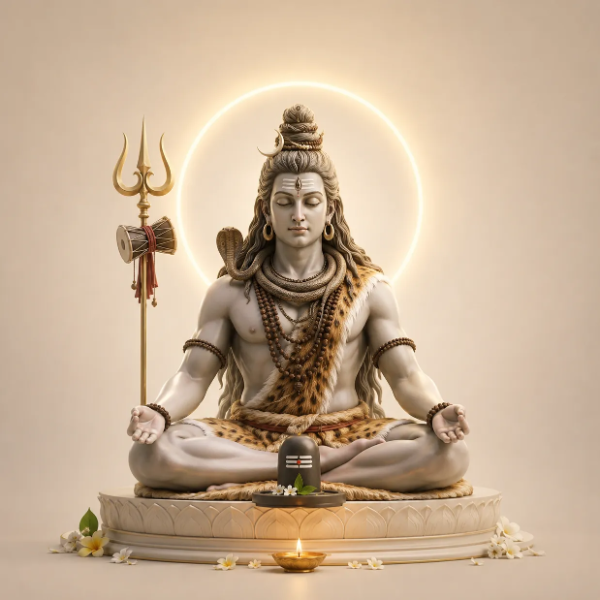
This sacred verse beautifully encapsulates the omnipresence and dual manifestation of Lord Shiva across two paramount pilgrimage sites in India. It states, "Indeed, in Varanasi is Vishveshvara (the Lord of the Universe), and Tryambaka (the Three-eyed Lord) is on the bank of the Gautami river." This verse serves as a profound affirmation, linking the revered Kashi Vishwanath Jyotirlinga in Varanasi with the equally significant Trimbakeshwar Jyotirlinga located on the banks of the Godavari (anciently known as Gautami) river. It highlights the divine unity and distinct geographical sanctity of these two powerful forms of Lord Shiva, inviting devotees to contemplate their combined spiritual energy.
Benefits & Science
Benefits of Chanting:
Contemplating this verse can significantly deepen a devotee's connection to Lord Shiva and two of His most revered Jyotirlinga forms. Regular remembrance and meditation upon this *śloka* can cultivate profound devotion (bhakti), leading to a serene and peaceful mind. By mentally traversing to Varanasi and the banks of the Gautami, practitioners can experience a sense of spiritual presence, even if they are physically distant from these sacred locations. This practice reinforces the understanding of divine unity, fostering a holistic worldview. It can act as a catalyst for individuals planning a pilgrimage or recalling a past one, enhancing the spiritual fruits of such journeys. Furthermore, by reflecting on Shiva's dual manifestations, one develops a deeper sense of wisdom (Gyan) regarding the nature of the universe and an enhanced capacity for inner peace and liberation (Moksha consciousness). The resonance of these divine names and locations can subtly influence the mind towards higher states of consciousness and spiritual alignment, promoting overall well-being and spiritual evolution.
Scientific Perspective:
While this verse is primarily spiritual, its contemplative recitation can induce physiological and psychological benefits akin to meditation. The focused attention on specific sacred syllables and their meanings can activate neural pathways associated with introspection and relaxation. The rhythmic vocalization (if chanted) or silent mental recitation can help synchronize brainwave patterns, potentially increasing alpha and theta waves, which are linked to states of calm, creativity, and deep meditation. This can contribute to stress reduction, improved emotional regulation, and enhanced cognitive function. Furthermore, the act of connecting with profound spiritual concepts and revered divine forms can stimulate the vagus nerve, which plays a crucial role in regulating the body's 'rest and digest' response, fostering a sense of well-being and reducing the physiological symptoms of anxiety. The spiritual significance attached to the verse can also create a positive placebo effect, further enhancing mental and emotional health, by promoting a sense of coherence and meaning.
Mythology & Origin
Mantra Origin Saga:
This particular verse is likely a popular descriptive *śloka* or part of a larger *stotra* (hymn) glorifying Shiva and His Jyotirlingas, rather than a standalone mantra with a singular origin story. It encapsulates the essence of the Jyotirlinga concept – that Shiva manifests as a fiery column of light. The specific mention of Varanasi (Kashi) and Gautami (Godavari) connects it to the established mythology of Kashi Vishwanath and Trimbakeshwar Jyotirlingas. Kashi is considered the place where Shiva grants liberation (moksha) to all, and Trimbakeshwar is associated with the origin of the Godavari river due to Sage Gautama's penance, making both sites profoundly sacred in Shiva worship.
Scriptures Mentions:
References to Kashi Vishwanath and Trimbakeshwar Jyotirlinga can be found in various Puranas, particularly the Shiva Purana (Koti Rudra Samhita), Skanda Purana, and Brahmanda Purana. These scriptures elaborate on the glories, legends, and spiritual significance of these sacred sites and the manifestations of Shiva therein. While this specific verse might not be found verbatim as a standalone mantra in major Upanishads, the underlying concepts and deities are deeply rooted in Vedic and Puranic traditions, highlighting the continuous reverence for these Shiva forms through millennia.
Associated Rishi & Deity:
Lord Shiva (as Vishveshvara and Tryambaka) is the central deity. Sage Gautama is directly associated with the origin of the Godavari river at Trimbakeshwar due to his devout penance. Varanasi itself has been a revered abode for countless sages, saints, and devotees throughout history, including Adi Shankaracharya and Sant Tulsidas, who contributed significantly to its spiritual heritage.
Historical Significance:
Varanasi, or Kashi, is one of the oldest continuously inhabited cities in the world, a spiritual hub for millennia, revered as a place of liberation. Kashi Vishwanath Temple has been destroyed and rebuilt multiple times throughout history, signifying its enduring spiritual importance and the unwavering faith of devotees. Trimbakeshwar, near Nashik, is another ancient and highly revered pilgrimage site, famous for its unique Jyotirlinga which has three faces embodying Brahma, Vishnu, and Shiva, and being the source of the sacred Godavari River. This verse bridges the spiritual geography of ancient India, connecting two vital centers of Shiva worship and highlighting their timeless significance in Hindu dharma.
Frequently Asked Questions (FAQs)
Is "Varanasyam Tu Vishvesham Tryambakam Gautamitate" a mantra for daily chanting?
What is the significance of "Gautami" mentioned in the verse?
How does this verse connect two Shiva Jyotirlingas?
Can I contemplate or chant this verse if I haven't visited Varanasi or Trimbakeshwar?
What are the deeper spiritual benefits of contemplating this verse?
Is there a specific time or day best suited for this contemplation?
Is this verse found verbatim in major Hindu scriptures?
What is the symbolic meaning of Vishveshvara and Tryambaka in this context?
Mantra Sadhana Guidelines
Best Time to Chant
- Mondays are especially auspicious and beneficial.
- Early morning Brahma Muhurta (4:00 - 6:00 AM) is best.
- Highly fruitful during Pradosh Kaal and Mahashivratri.
- Chant before commencing any auspicious task or ritual.
Other Popular Lord Shiva Mantras
Other Devotional Categories



Download App
पंचांग तिथि, त्यौहार, व्रत, उत्सव, एकादशी, आरती संग्रह, मंत्र, व्रत कथा