Bhagavad Gita Charama Shloka / Surrender Mantra
Explore the profound meaning of 'Sarva Dharman Parityajya' (Bhagavad Gita 18.66), the ultimate surrender mantra. Discover its spiritual, philosophical, and scientific benefits for liberation and peace.
Meaning of Mantra
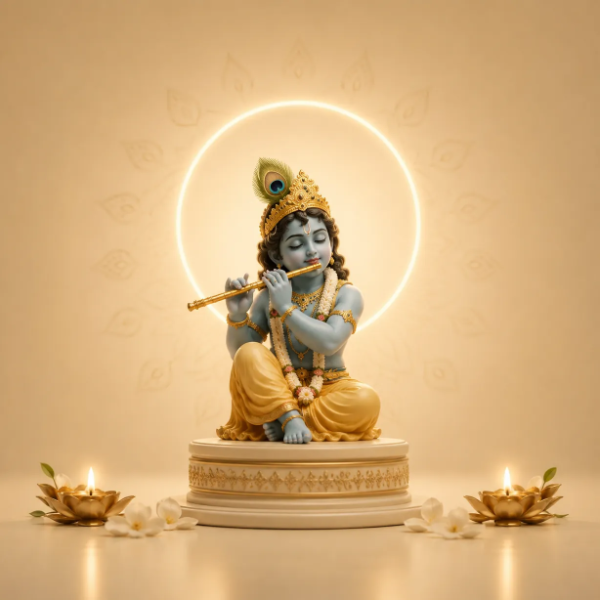
Abandon all varieties of duties and simply surrender unto Me. I shall deliver you from all sinful reactions. Do not fear, do not grieve. This verse, the Charama Shloka from the Bhagavad Gita (Chapter 18, Verse 66), encapsulates the essence of divine surrender (Prapatti). Lord Krishna, through this ultimate instruction to Arjuna, reveals the most confidential knowledge: that beyond all ritualistic observances, philosophical ponderings, or even personal righteousness, the highest path is complete and unwavering surrender to the Supreme Being. It promises liberation from the karmic cycle and assurance of divine protection for those who sincerely take refuge in Him, removing all anxieties and fears related to past actions and future consequences.
Benefits & Science
Benefits of Chanting:
Chanting this profound shloka with sincere devotion and understanding can facilitate a deep transformation. Regular recitation helps in shifting one's focus from anxieties about personal actions and their outcomes to a trust in divine providence. This can lead to a significant reduction in mental stress, anxiety, and feelings of guilt, fostering a sense of inner peace and serenity. It cultivates unwavering faith (Shraddha) and devotion (Bhakti), paving the way for spiritual liberation (Moksha) by gradually disentangling the individual from the cycle of karma. Devotees often report a palpable sense of divine protection and guidance, leading to greater clarity in life's purpose and the courage to face challenges without undue fear, promoting an evolution towards self-realization.
Scientific Perspective:
From a scientific viewpoint, the rhythmic chanting of Sanskrit mantras, including this Charama Shloka, creates specific sound vibrations that can positively impact brainwave patterns. The repetition can induce a meditative state, characterized by an increase in alpha and theta brainwaves, associated with deep relaxation, reduced stress, and enhanced creativity. The precise phonetics and resonance of Sanskrit stimulate various points in the mouth and throat, potentially activating the vagus nerve. Vagal nerve stimulation is linked to the parasympathetic nervous system, promoting a 'rest and digest' response, reducing cortisol levels, improving heart rate variability, and fostering emotional regulation. This physiological shift contributes to a calmer mind, improved cognitive function, and an overall sense of well-being, aligning with the spiritual promise of peace and freedom from worry.
Mythology & Origin
Mantra Origin Saga:
This sacred verse originates from the Bhagavad Gita, a pivotal scripture within the epic Mahabharata. It is spoken by Lord Krishna to His devoted disciple and warrior, Arjuna, on the battlefield of Kurukshetra. This particular shloka, known as the 'Charama Shloka' (the ultimate verse), represents Krishna's concluding and most confidential instruction to Arjuna, urging him to transcend all other duties and simply surrender to Him for ultimate liberation and peace.
Scriptures Mentions:
The Bhagavad Gita (Chapter 18, Verse 66) within the Mahabharata.
Associated Rishi & Deity:
Lord Krishna (the Supreme Personality of Godhead) and Arjuna (His devotee and friend); revealed through Sage Vyasa to Sanjaya.
Historical Significance:
This shloka holds immense historical and theological significance, especially in Vaishnavism, where it is considered the essence of the Bhagavad Gita and the ultimate path to salvation (moksha) through Prapatti (absolute surrender). It solidified the doctrine of Bhakti (devotion) as the most accessible and supreme means to attain the Divine, influencing countless saints, philosophers, and spiritual traditions throughout Indian history. It marks a shift from rigid adherence to ritualistic dharma to a more personal and heartfelt relationship with God.
Frequently Asked Questions (FAQs)
What does 'abandoning all dharmas' truly mean in this context?
Can anyone chant this mantra, or is it only for followers of a specific path?
How does surrendering to Krishna liberate one from all sinful reactions?
Is chanting this mantra an alternative to performing good deeds (karma)?
What kind of 'sins' does this mantra address?
How can one cultivate true surrender as described in this mantra?
What is the significance of Krishna saying 'Ma Shuchah' (Do not grieve)?
Is this mantra only for Vaishnavites or followers of Krishna?
Mantra Sadhana Guidelines
Best Time to Chant
- Mondays are especially auspicious and beneficial.
- Early morning Brahma Muhurta (4:00 - 6:00 AM) is best.
- Highly fruitful during Pradosh Kaal and Mahashivratri.
- Chant before commencing any auspicious task or ritual.
Other Popular Lord Sri Krishna Mantras
Other Devotional Categories


Download App
पंचांग तिथि, त्यौहार, व्रत, उत्सव, एकादशी, आरती संग्रह, मंत्र, व्रत कथा