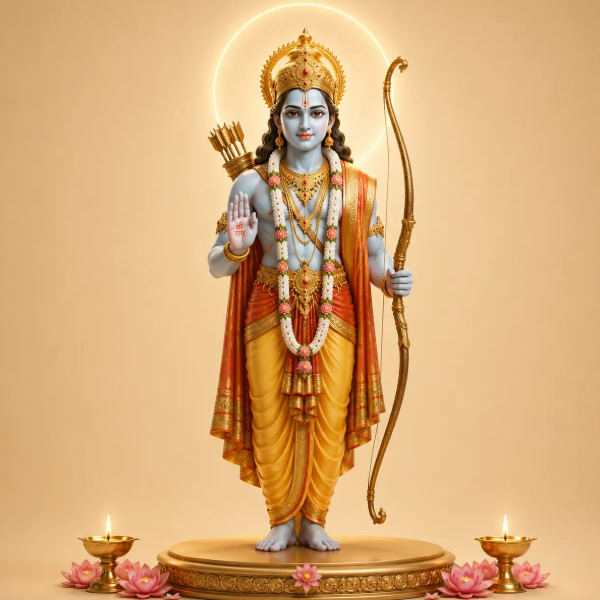
Vasudeva Sutam Devam Krishna Vandana Sloka
Explore the profound meaning and benefits of Vasudeva Sutam Devam, a powerful devotional mantra for Lord Krishna, the Jagadguru. Learn its spiritual significance, pronunciation, and how to chant for inner peace, wisdom, and divine protection.
Meaning of Mantra
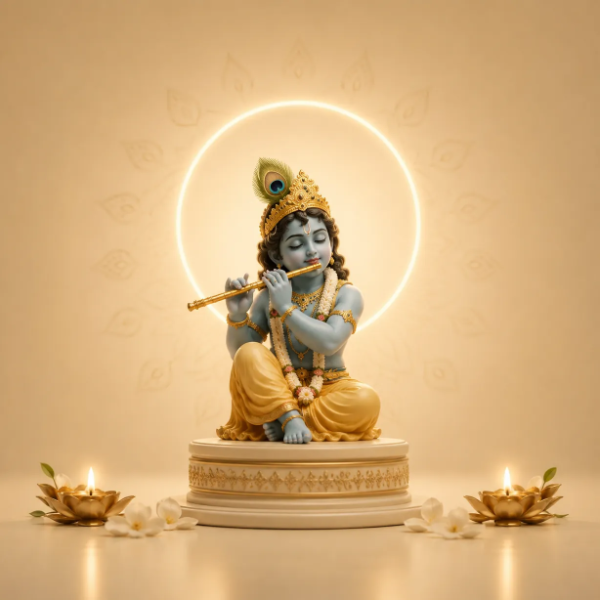
I bow down to Lord Krishna, the son of Vasudeva, the divine one, the slayer of Kamsa and Chanura, the supreme joy of Devaki, the spiritual teacher of the universe.
Benefits & Science
Benefits of Chanting:
Chanting this mantra regularly can cultivate a profound sense of spiritual connection and inner peace. By invoking Lord Krishna as the Jagadguru, practitioners may experience enhanced clarity of thought and receive intuitive guidance in life's challenges. The energy associated with Krishna, the remover of evils, is believed to offer protection from negative influences, both internal (like ego and anger) and external. It aids in purifying karmic imprints, fostering emotional stability, and opening pathways to genuine joy and spiritual bliss, leading towards a more balanced and purposeful existence. Regular practice can deepen one's devotion and surrender to the divine will.
Scientific Perspective:
The rhythmic chanting of "Vasudeva Sutam Devam..." generates specific sound vibrations that can positively influence brainwave patterns, potentially shifting them towards alpha or theta states, associated with deep relaxation, heightened awareness, and creativity. This resonance can stimulate the vagus nerve, which plays a crucial role in regulating heart rate, digestion, and mood, leading to a reduction in stress and anxiety. The focused repetition enhances neural coherence, improves concentration, and may activate regions of the brain associated with compassion and well-being, fostering a calmer, more focused, and emotionally balanced mind state.
Mythology & Origin
Mantra Origin Saga:
This sloka is a popular Dhyana Sloka often recited before commencing Krishna worship or any Vaishnava puja. Its origin is deeply rooted in the Puranic narratives, especially the Bhagavata Purana (Srimad Bhagavatam), which details Lord Krishna's life, from his birth to his divine lilas (pastimes) and his role as the protector of Dharma. It encapsulates his essential divine attributes and is a concise devotional homage.
Scriptures Mentions:
Primarily found in Vaishnava prayer books and Puranic literature, particularly the Bhagavata Purana (Srimad Bhagavatam) and other devotional texts dedicated to Lord Krishna. It is a widely known and cherished verse used in daily devotion across various Hindu traditions.
Associated Rishi & Deity:
Lord Krishna is the central deity of this sloka. The sloka itself is a devotional offering, often attributed to Vaishnava devotees and acharyas who composed such Dhyana Slokas to aid in meditation and worship, helping practitioners focus on Krishna's divine qualities.
Historical Significance:
This sloka highlights Krishna's historical role as a divine incarnation (Avatar) who descended to Earth to restore Dharma, annihilate evil (Kamsa, Chanura), and guide humanity. It underscores his significance as a complete manifestation of the Supreme Being and the ultimate spiritual teacher, whose teachings, especially those in the Bhagavad Gita, continue to guide millions across millennia in their pursuit of righteous living and spiritual liberation.
Frequently Asked Questions (FAQs)
Who is Lord Krishna referred to as in this mantra?
What is the primary spiritual purpose of chanting this mantra?
Can anyone chant this mantra, regardless of their background?
What does 'Jagadgurum' signify in the mantra?
How does chanting this mantra benefit one's mental and emotional state?
Is there a specific time or occasion considered best for chanting this mantra?
What is the metaphorical significance of Krishna slaying Kamsa and Chanura?
Does chanting this mantra offer protection from negative influences?
Mantra Sadhana Guidelines
Best Time to Chant
- Mondays are especially auspicious and beneficial.
- Early morning Brahma Muhurta (4:00 - 6:00 AM) is best.
- Highly fruitful during Pradosh Kaal and Mahashivratri.
- Chant before commencing any auspicious task or ritual.
Other Popular Lord Sri Krishna Mantras
Other Devotional Categories


Download App
पंचांग तिथि, त्यौहार, व्रत, उत्सव, एकादशी, आरती संग्रह, मंत्र, व्रत कथा