
Achyutam Keshavam Mantra
Explore the profound Achyutam Keshavam Mantra dedicated to Lord Vishnu, Krishna & Rama. Discover its spiritual meaning, benefits, pronunciation, and how to chant for inner peace & devotion.
Meaning of Mantra
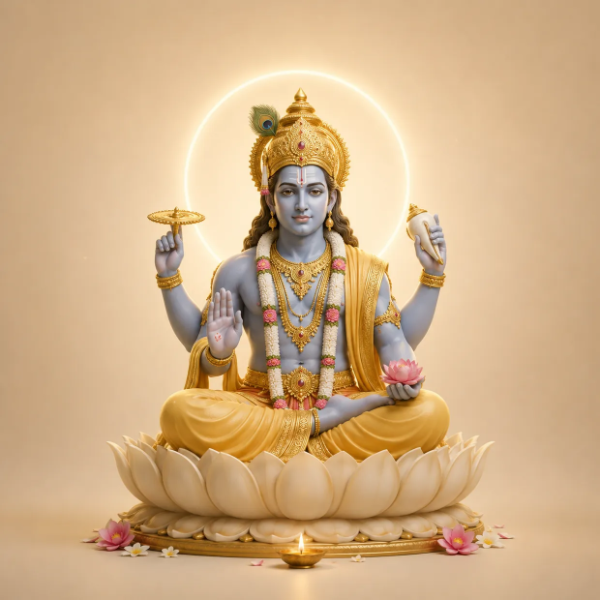
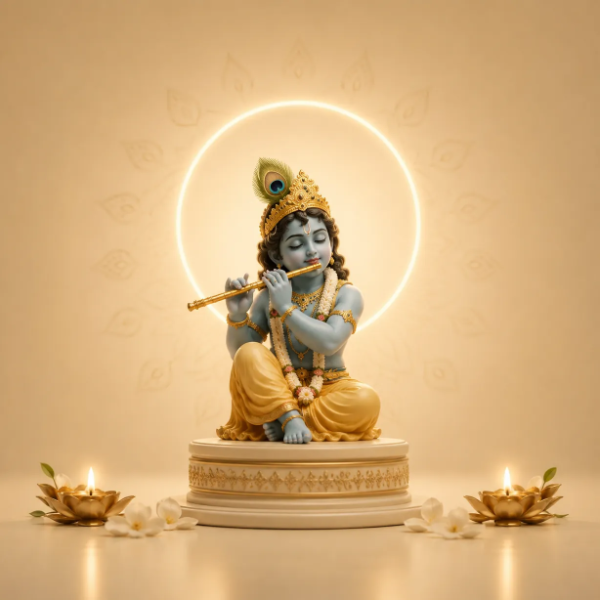
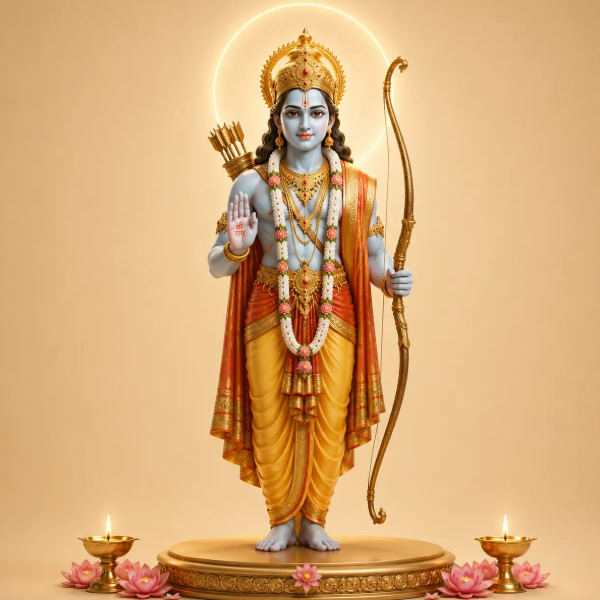
This revered mantra is a profound invocation and heartfelt obeisance to Lord Vishnu, particularly glorifying His most beloved incarnations, Krishna and Rama. It lists various epithets that describe His divine attributes and Leelas (divine pastimes). The devotee expresses a deep sense of surrender and devotion, proclaiming, "I worship Achyuta (the infallible), Keshava (the one with beautiful hair/slayer of Keshi), Rama-Narayana (Lord Rama, who is Narayana), Krishna (the all-attractive), Damodara (whose waist was bound by Mother Yashoda), Vasudeva (son of Vasudeva), Hari (the remover of sorrows), Shridhara (the bearer of prosperity/Lakshmi), Madhava (the husband of Lakshmi), Gopika-vallabha (the beloved of the Gopis), and Janaki-nayaka (the lord of Janaki/Sita), Ramachandra (the moon-like Rama)." It's a beautiful expression of Bhakti, remembering the diverse forms and glories of the Supreme Lord.
Benefits & Science
Benefits of Chanting:
Chanting the Achyutam Keshavam mantra regularly can foster a profound spiritual connection, leading to an enhanced sense of inner peace and tranquility. The invocation of divine names is believed to dissolve negative karma and remove spiritual and material obstacles, paving the way for progress. It cultivates an aura of positivity, attracting benevolent energies and fostering harmonious relationships. Emotionally, it helps in achieving balance and stability, reducing stress and anxiety by redirecting focus towards the divine. Spiritually, it acts as a shield, offering protection from negative influences and fostering mental purification. Consistent practice aids in deepening one's devotion, leading to a richer and more fulfilling spiritual life by constantly reminding the mind of the infallible and all-pervading divine presence.
Scientific Perspective:
From a scientific standpoint, repetitive chanting, like that of the Achyutam Keshavam mantra, functions as a form of meditative practice. The rhythmic vocalization and focused attention can induce a state of relaxation, activating the parasympathetic nervous system. This activation, often linked to the vagus nerve, helps to lower heart rate, reduce blood pressure, and alleviate stress hormones. The specific sound vibrations (phonemes) of Sanskrit mantras are thought to resonate within the body, potentially stimulating various energy centers and promoting neural coherence. The concentrated mental effort involved in chanting can enhance focus and cognitive function, leading to improved mood and a sense of well-being, similar to benefits observed in mindfulness practices.
Mythology & Origin
Mantra Origin Saga:
This mantra, a string of divine names, is essentially an extract from the vast devotional literature dedicated to Lord Vishnu. While not a single, ancient 'origin story' for this specific arrangement, the names themselves derive from Puranas, Itihasas (like Ramayana, Mahabharata), and Bhagavad Gita. It reflects the tradition of *Nama-smarana*, the remembrance of God's names, which is a core devotional practice, particularly prominent in the Bhakti movement. It's a spontaneous outpouring of devotion, compiling the most cherished names of Vishnu-Krishna-Rama into a concise prayer.
Scriptures Mentions:
The names 'Achyuta', 'Keshava', 'Narayana', 'Krishna', 'Damodara', 'Vasudeva', 'Hari', 'Shridhara', 'Madhava', 'Rama', 'Janaki-nayaka' are extensively mentioned throughout Vedic literature, especially in the Puranas (like Vishnu Purana, Bhagavata Purana), Mahabharata (including Bhagavad Gita), Ramayana, and various Vishnu Sahasranamas and Stotras. The combination forms a popular devotional hymn, often found in modern devotional compilations and chanted widely by devotees.
Associated Rishi & Deity:
While no specific Rishi is traditionally associated with *composing* this exact mantra, it is a compilation of names glorified by many great sages, devotees, and deities throughout the ages. Lord Vishnu himself, in his forms of Krishna and Rama, is the presiding deity. Devotees like Meerabai, Chaitanya Mahaprabhu, and many Alvars have implicitly or explicitly praised these very names in their devotional works, reflecting the deep tradition.
Historical Significance:
This mantra holds significant historical importance as a reflection of the pan-Indian devotional (Bhakti) movement, which emphasized accessible forms of worship through chanting divine names. It bridges the worship of Vishnu, Krishna, and Rama, symbolizing the unified nature of the supreme deity despite diverse manifestations. Its widespread popularity signifies the enduring appeal of *Nama-sankirtana* as a simple yet profound spiritual practice, transcending caste, creed, and geographical boundaries throughout centuries of Hindu devotional tradition.
Frequently Asked Questions (FAQs)
What is the primary purpose of chanting the Achyutam Keshavam mantra?
Are there specific days or times best suited for chanting this mantra?
Do I need any initiation or guru to chant this mantra?
What are the spiritual benefits of consistently chanting these names?
Can children chant the Achyutam Keshavam mantra?
Is there any specific posture required for chanting?
How does this mantra relate to the concept of Avataras?
What is the significance of the names 'Achyutam' and 'Keshavam'?
Mantra Sadhana Guidelines
Best Time to Chant
- Mondays are especially auspicious and beneficial.
- Early morning Brahma Muhurta (4:00 - 6:00 AM) is best.
- Highly fruitful during Pradosh Kaal and Mahashivratri.
- Chant before commencing any auspicious task or ritual.
Other Popular Lord Vishnu Mantras
Other Devotional Categories


Download App
पंचांग तिथि, त्यौहार, व्रत, उत्सव, एकादशी, आरती संग्रह, मंत्र, व्रत कथा