
Om Damodaraya Namah
Explore the profound spiritual meaning, benefits, and complete chanting guide for the Om Damodaraya Namah mantra. Connect with Lord Krishna's divine love.
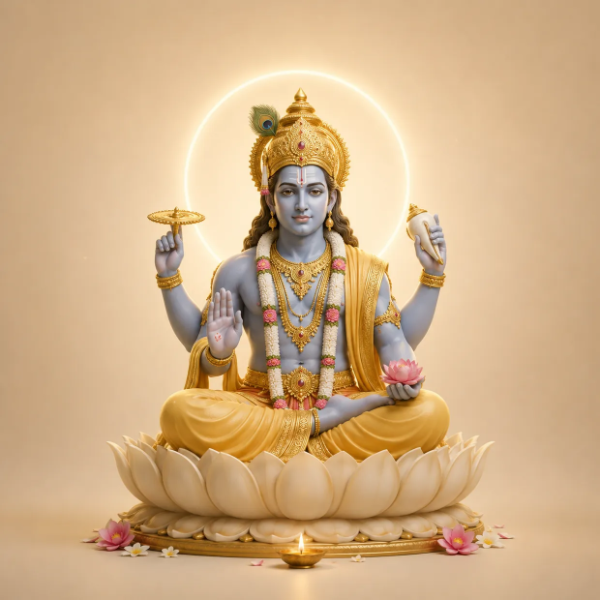
Meaning of Mantra
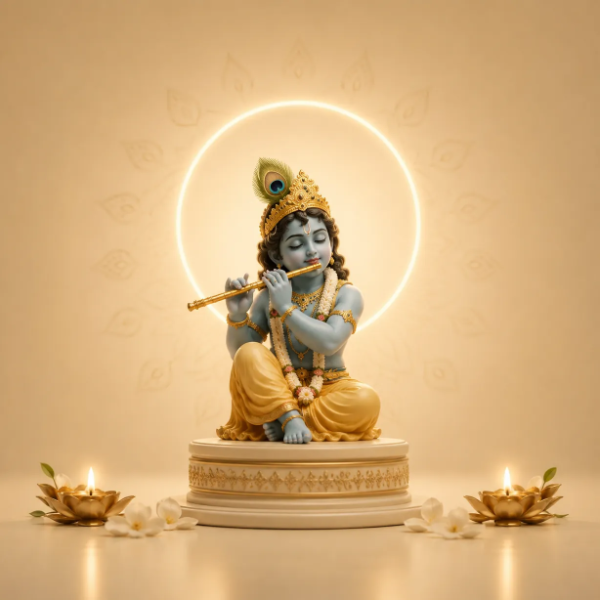
This sacred mantra, 'Om Damodaraya Namah,' offers humble salutations to Lord Damodara, the endearing childhood form of Lord Krishna. It invokes the divine aspect where the Supreme Lord, despite His infinite power, allowed Himself to be playfully bound by His mother Yashoda with a rope around His waist. This mantra is a powerful expression of devotion, acknowledging the Lord's accessibility, His unconditional love, and the profound depth of a devotee's surrender.
Benefits & Science
Benefits of Chanting:
Chanting 'Om Damodaraya Namah' fosters deep devotion and connects the chanter with the playful, loving, and protective energies of Lord Krishna. It is believed to help in cultivating child-like innocence and purity, which can contribute to profound inner peace and emotional healing. Regular chanting may aid in dissolving internal and external obstacles by invoking divine grace and strength. It purifies the mind, enhances spiritual clarity, and deepens one's connection to the divine, often leading to a sense of protection and well-being. This practice is also known to calm the nervous system, reducing stress and anxiety, and promoting overall mental and emotional equilibrium.
Scientific Perspective:
The rhythmic chanting of 'Om Damodaraya Namah' generates specific sound vibrations that can positively influence brainwave patterns, potentially shifting them towards alpha or theta states, associated with deep relaxation and meditative absorption. The repetitive vocalization and focused intention activate the vagus nerve, which plays a crucial role in regulating the parasympathetic nervous system. This activation leads to reduced physiological stress, improved heart rate variability, and enhanced emotional regulation. The 'Om' sound, in particular, is a fundamental resonance studied for its deep calming effects and ability to harmonize bodily rhythms. This acoustic stimulation, combined with sustained mental focus, can lead to a coherent state of mind and body, fostering overall well-being and cognitive clarity.
Mythology & Origin
Mantra Origin Saga:
The name Damodara originates from a celebrated incident in the Srimad Bhagavatam (Bhagavata Purana), specifically the 10th Canto. As a mischievous infant, Lord Krishna was once tied to a large wooden mortar (ukhal) by His foster mother Yashoda with a rope (dama) around His belly (udara) as a punishment for stealing butter and breaking a pot. Despite being the Supreme Lord of the universe, He lovingly allowed Himself to be bound by the pure maternal affection of Yashoda, revealing His sweet humility and accessibility.
Scriptures Mentions:
This Damodara Lila is extensively described in the Srimad Bhagavatam (Bhagavata Purana), particularly in the 10th Canto, Chapters 9 and 10. This sacred text provides the detailed narrative of Lord Krishna's childhood pastimes, including the iconic Damodara incident. The name Damodara is also revered in various other Puranas and Vaishnava scriptures.
Associated Rishi & Deity:
The primary deity associated with this mantra is Lord Krishna, specifically in His form as Damodara, the beloved child. Mother Yashoda, who bound Him with love, is also central to this narrative. The mantra is revered by sages and devotees within the Vaishnava tradition, who seek to cultivate similar pure devotional love (prema bhakti) for the Supreme Lord.
Historical Significance:
The Damodara Lila holds immense historical and spiritual significance within Vaishnavism, especially for the Gaudiya Vaishnava tradition. It fundamentally illustrates the principle that the Supreme Lord, though all-powerful, can be bound by the pure, unadulterated love of His devotees. This narrative has inspired countless devotional songs (bhajans), poetry, and philosophical treatises throughout history, particularly during the holy month of Kartika (Damodara Masa), where devotees worldwide observe special prayers and offerings to Lord Damodara to deepen their spiritual bond.
Frequently Asked Questions (FAQs)
What is the primary significance of the name Damodara?
Can anyone chant 'Om Damodaraya Namah'?
Is there a specific best time to chant this mantra?
What are the primary benefits of regularly chanting 'Om Damodaraya Namah'?
How does Damodara relate to Lord Krishna?
Do I need a guru or initiation to chant this mantra?
Can chanting this mantra help with emotional difficulties or stress?
What is the significance of the 'Om' prefix in the mantra?
Mantra Sadhana Guidelines
Best Time to Chant
- Mondays are especially auspicious and beneficial.
- Early morning Brahma Muhurta (4:00 - 6:00 AM) is best.
- Highly fruitful during Pradosh Kaal and Mahashivratri.
- Chant before commencing any auspicious task or ritual.
Other Popular Lord Vishnu Mantras
Other Devotional Categories


Download App
पंचांग तिथि, त्यौहार, व्रत, उत्सव, एकादशी, आरती संग्रह, मंत्र, व्रत कथा