Neelaanjana Samaabhaasam Raviputram Yamaagrajam | Chaayaamaartanda Sambhootam Tam Namaami Shanaishcharam ||
Explore the powerful Neelaanjana Samaabhaasam Shani Mantra for spiritual growth, discipline, and karmic rectification. Deep dive into its meaning, benefits, and chanting guide.
Meaning of Mantra
I bow down to Lord Shanaishchara, who has a dark complexion like black collyrium, who is the son of the Sun God, and the elder brother of Yama. He is born of Chhaya and Martanda (Sun God).
Benefits & Science
Benefits of Chanting:
Chanting this mantra regularly is believed to align the devotee with the constructive energies of Lord Shani. It doesn't promise instant magical solutions but rather cultivates an internal environment conducive to facing challenges with resilience and wisdom. Through consistent recitation, individuals may experience enhanced self-discipline, improved focus, and a greater sense of responsibility. This can lead to a more methodical approach to life, reducing impulsive actions and fostering prudence. Spiritually, it aids in understanding and rectifying karmic patterns, leading to a sense of inner peace and equilibrium even amidst perceived difficulties. The vibrations are thought to create a protective aura, mitigating the adverse effects of planetary transits, particularly those related to Shani, by fostering a receptive and strong mental state.
Scientific Perspective:
The repeated chanting of mantras generates specific vibrational frequencies. These vibrations, when sustained, can influence brainwave patterns, often leading to alpha and theta states associated with deep relaxation, meditation, and heightened intuition. The rhythmic pronunciation stimulates the vagus nerve, which plays a crucial role in regulating heart rate variability, reducing stress, and promoting the parasympathetic nervous system (rest and digest response). This physiological shift can enhance cognitive functions, improve emotional regulation, and foster a sense of calm and well-being. The sustained focus required for chanting also strengthens neural pathways related to concentration and mindfulness, essentially 'exercising' the brain for better mental resilience.
Mythology & Origin
Mantra Origin Saga:
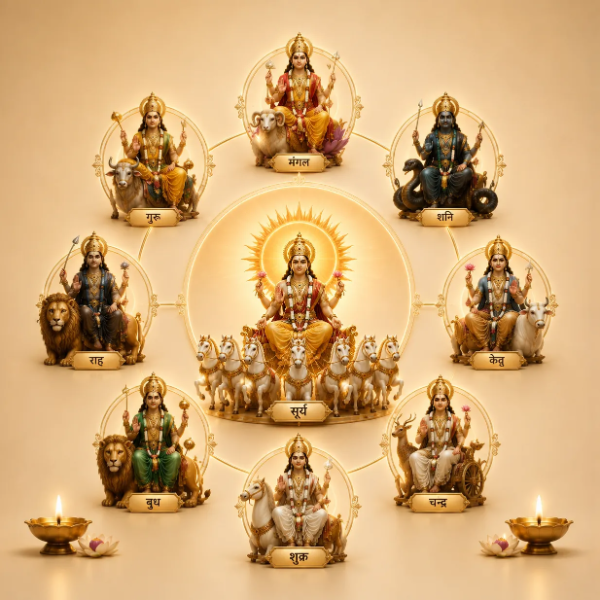
Lord Shani is one of the Navagrahas (nine planetary deities) in Hindu astrology. He is the son of Surya Dev (Sun God) and his wife Chhaya (shadow). Due to a misunderstanding, Surya initially distanced himself from Shani, but Shani eventually became revered as the dispenser of justice based on one's karma. His influence is often seen as challenging, but ultimately purifying and transformative.
Scriptures Mentions:
This mantra, also known as the Shani Stuti, finds its mention and reference in various Puranas and astrological texts, particularly in the Brahmavaivarta Purana and the Skanda Purana, where the glory and characteristics of Shani Dev are described. It is a fundamental part of Shani Puja and remedies.
Associated Rishi & Deity:
Lord Shani (deity), Surya Dev (father), Chhaya Devi (mother), Yama Dev (elder brother).
Historical Significance:
Historically, Shani worship has been prevalent in India for centuries, especially in regions affected by his astrological periods (e.g., Sade Sati, Dhaiya). Temples dedicated to Shani Dev, such as Shani Shingnapur, are ancient and revered. The mantra has been passed down through generations as a means to seek balance and strength during challenging times and to cultivate righteous living. Its widespread use signifies its deep cultural and spiritual embedding in Hindu society.
Frequently Asked Questions (FAQs)
Who is Lord Shani?
What is the significance of Shani in astrology?
What is Shani Dosha and how does this mantra help?
Can anyone chant this mantra?
What is the best way to chant this mantra for maximum benefit?
Does chanting this mantra guarantee immediate results?
Is there any specific offering to make while chanting?
Can children chant this mantra?
Mantra Sadhana Guidelines
Best Time to Chant
- Mondays are especially auspicious and beneficial.
- Early morning Brahma Muhurta (4:00 - 6:00 AM) is best.
- Highly fruitful during Pradosh Kaal and Mahashivratri.
- Chant before commencing any auspicious task or ritual.
Other Popular Navgrah Mantras
Other Devotional Categories

Download App
पंचांग तिथि, त्यौहार, व्रत, उत्सव, एकादशी, आरती संग्रह, मंत्र, व्रत कथा