
Book Authentic Vedic Pooja
Perform sacred rituals and havans with experienced Vedic Pandits at your Home, Mandir, or Online
Pooja Categories
All Pooja Rituals
Showing 58 Poojas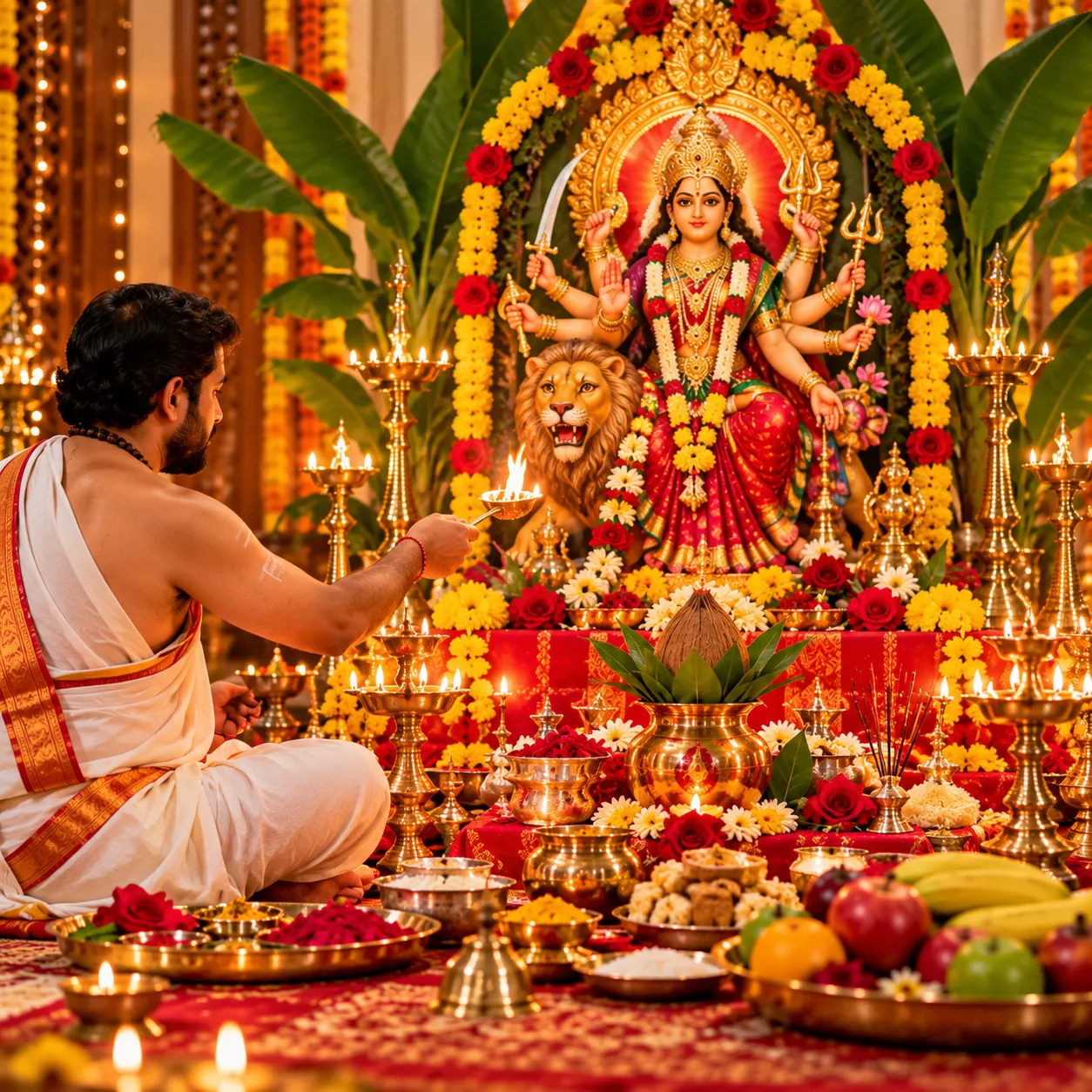
Navratri Puja Single Day
Navratri Puja is a sacred Hindu ritual dedicated to the nine divine forms of Maa Durga. This puja is performed to seek the blessings of the Divine Mother and pray for happiness, prosperity, peace, courage, and positive energy in life. The single-day Navratri Puja includes the worship of Maa Bhagwati, Durga Mantra Jaap, and special devotional rituals. The ceremony includes Sankalp, Ganesh Puja, Kalash Sthapana, Maa Durga Puja, Durga Saptashati Path or Durga Mantra Jaap, flower offerings, Durga Aarti, Havan, Purnahuti, and Prasad distribution. The Pandit Ji performs the complete puja according to traditional rituals and Vedic practices. Samagri: Maa Durga image or idol, Kalash, coconut, mango leaves, red chunari, roli, kumkum, akshat (rice), flowers, garland, red flowers, betel leaves, supari, cloves, cardamom, fruits, sweets, incense, camphor, diya, ghee, havan samagri, and other essential puja items. Note: The exact puja vidhi, mantra jaap count, samagri, and duration may vary according to family traditions, the purpose of the puja, and the Pandit Ji's guidance.
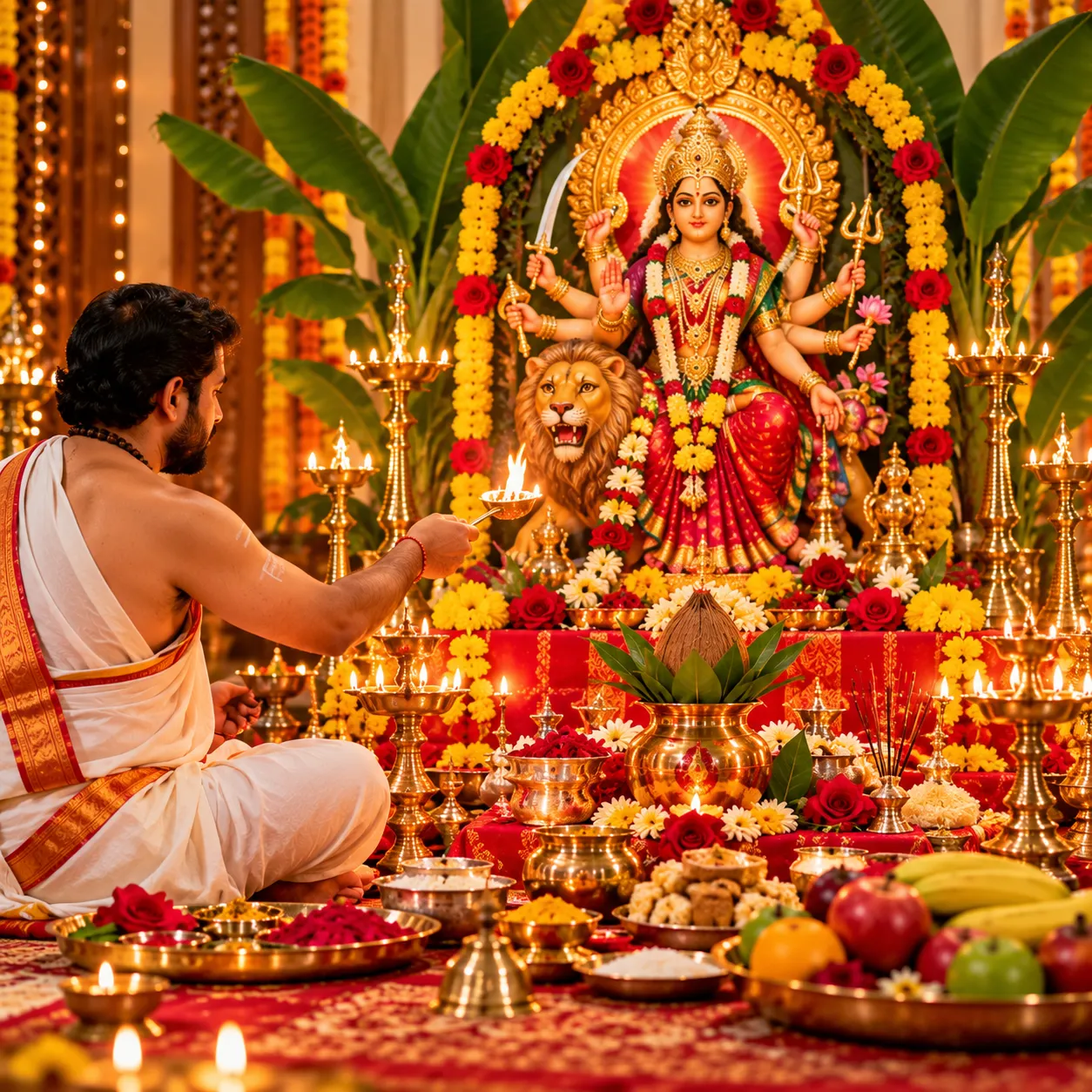
Navratri Puja 9 Days
Navratri Puja is a sacred Hindu ritual dedicated to the nine divine forms of Maa Durga. This puja is performed with devotion over nine days, with each day dedicated to a different manifestation of the Divine Mother. The ceremony is conducted to seek the blessings of Maa Bhagwati and pray for happiness, prosperity, peace, courage, and spiritual growth. The ceremony includes Sankalp, Ganesh Puja, Kalash Sthapana, daily worship of the nine forms of Maa Durga, Durga Saptashati Path, Durga Mantra Jaap, flower offerings, Durga Aarti, Havan, Kanya Pujan, Purnahuti, and Prasad distribution. The Pandit Ji guides the family through the complete nine-day puja according to traditional rituals and Vedic practices. Samagri: Maa Durga image or idol, Kalash, coconut, mango leaves, red chunari, roli, kumkum, akshat (rice), flowers, garland, red flowers, betel leaves, supari, cloves, cardamom, fruits, sweets, barley seeds (jau), earthen pot, incense, camphor, diya, ghee, havan samagri, Kanya Pujan items, and other essential puja items. Note: The exact puja vidhi, mantra jaap count, samagri, and duration may vary according to family traditions, the purpose of the puja, and the Pandit Ji's guidance.
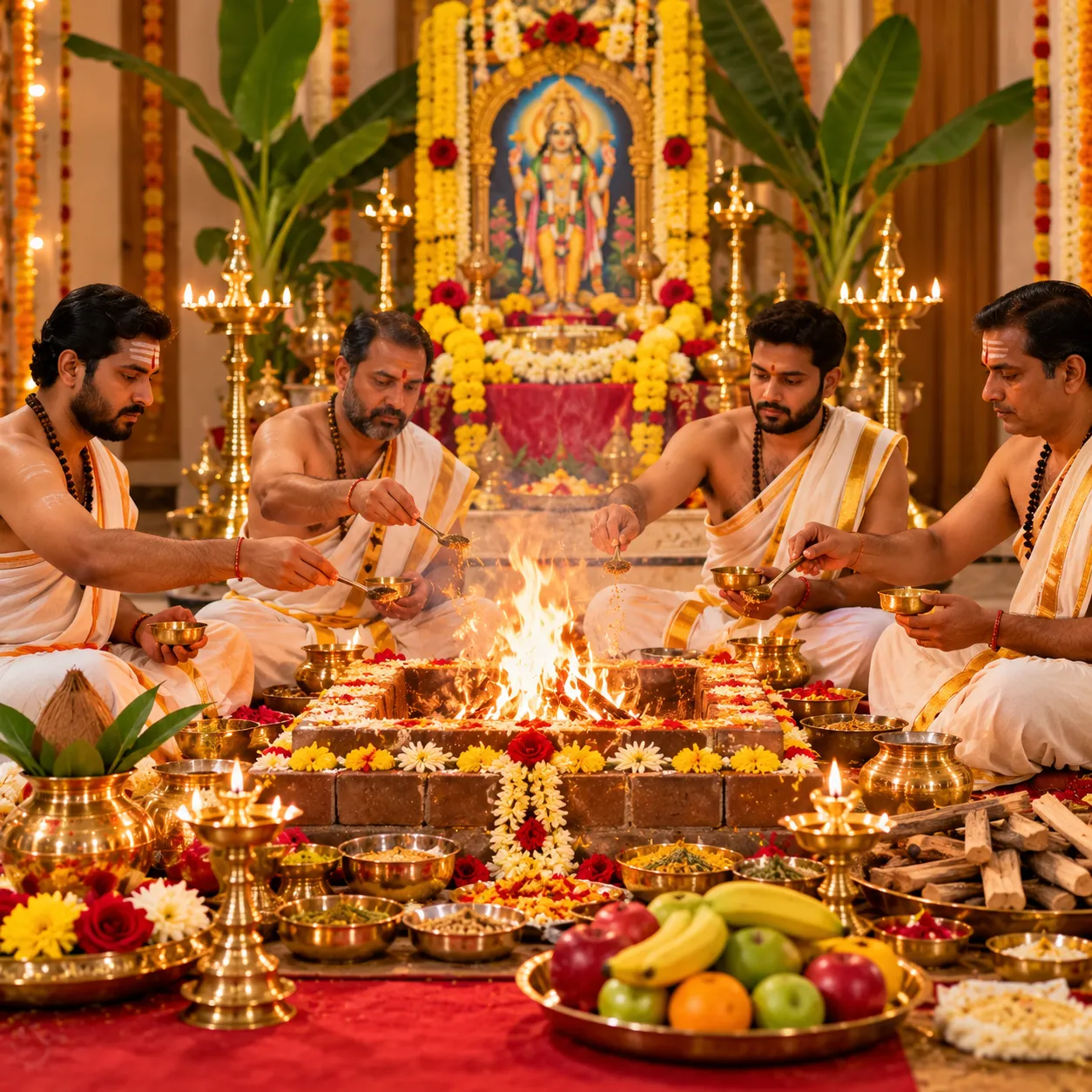
Yagya / Shanti Havan
Yagya / Shanti Havan is a sacred Vedic ritual in which offerings are made into the holy fire while chanting traditional Vedic mantras. This ceremony is performed to seek divine blessings for peace, positivity, prosperity, and spiritual well-being in the home and family. Shanti Havan is traditionally conducted to pray for mental peace, family harmony, and divine grace. The ceremony includes Sankalp, Ganesh Puja, Kalash Sthapana, Navgraha Puja, Agni Sthapana, Vedic Mantra Jaap, Havan Ahuti, Purnahuti, Shanti Path, and Aarti. The Pandit Ji performs the complete Yagya and Havan according to traditional Vedic rituals. Samagri: Havan Kund, mango wood, samidha, havan samagri, ghee, barley, sesame seeds, akshat (rice), Navgraha samagri, camphor, sandalwood, roli, kumkum, flowers, garland, coconut, betel leaves, supari, fruits, sweets, Kalash, mango leaves, incense, diya, and other essential puja items. Note: The exact puja vidhi, mantra jaap count, samagri, and duration may vary according to family traditions, the purpose of the Yagya, and the Pandit Ji's guidance.
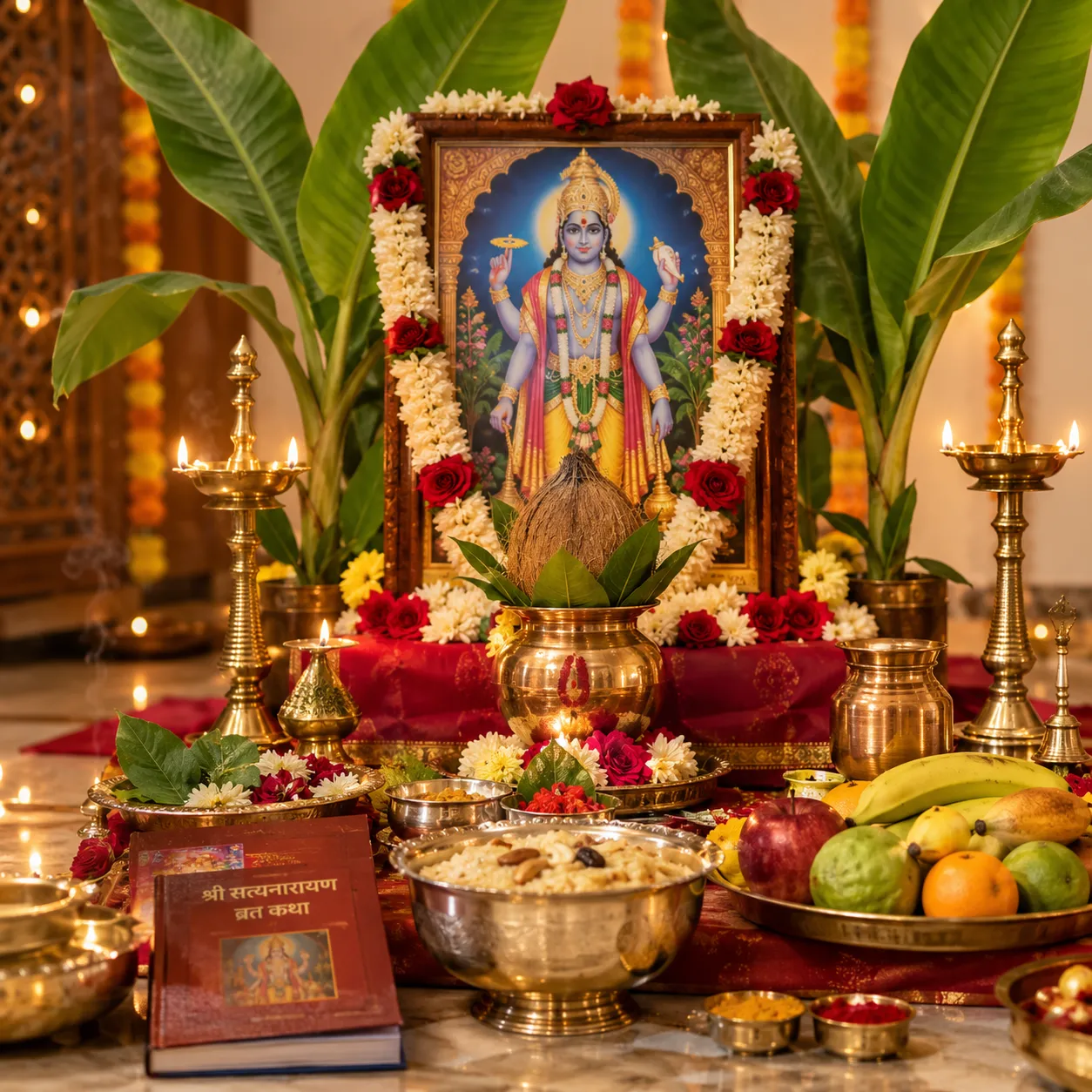
Satyanarayan Puja
Satyanarayan Katha is a traditional Hindu puja dedicated to Lord Vishnu in the form of Lord Satyanarayan. It is commonly performed to express gratitude, seek divine blessings, and pray for peace, prosperity, happiness, and the well-being of the family. The ceremony includes Sankalp, Ganesh Puja, Kalash Sthapana, Lord Satyanarayan Puja, Panchamrit Abhishek, offerings, recitation of the Satyanarayan Vrat Katha, Havan, Purnahuti, and Aarti. The Pandit Ji guides the family through the complete puja and Katha vidhi. Samagri: Lord Satyanarayan and Lord Ganesha idols or images, Kalash, coconut, mango leaves, Panchamrit ingredients, roli, kumkum, akshat (rice), flowers, Tulsi leaves, fruits, bananas, sweets, betel leaves, supari, incense, camphor, diya, ghee, havan samagri, and other essential puja items. Note: The exact puja vidhi and samagri may vary according to family tradition, occasion, and local customs. Prasad is generally prepared and distributed after completion of the Katha.
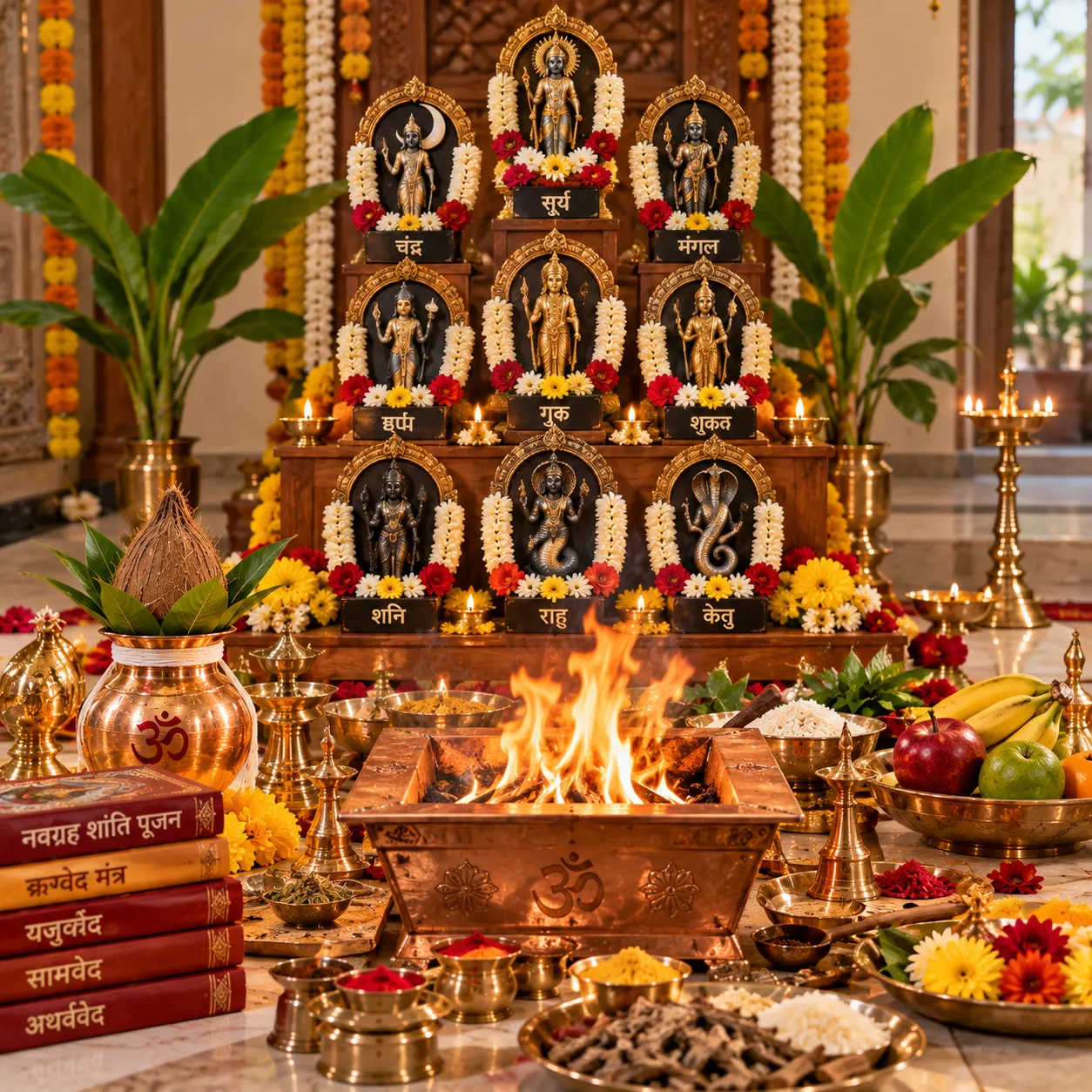
Nav Grah Puja (Navgraha Puja)
Navagraha Shanti Puja and Havan is performed to worship and seek blessings of the nine planetary deities—Surya, Chandra, Mangal, Budh, Guru, Shukra, Shani, Rahu, and Ketu. The puja is traditionally performed for peace, spiritual well-being, and to seek relief from difficulties associated with unfavorable planetary influences. The ceremony includes Sankalp, Ganesh Puja, Kalash Sthapana, Navagraha Puja, Navagraha Mantra Jaap, Graha Shanti rituals, Havan, Purnahuti, and Aarti. The Pandit Ji performs the rituals according to the prescribed puja vidhi and guides the family throughout the ceremony. Samagri: Navagraha-related puja items, Kalash, coconut, mango leaves, roli, kumkum, akshat (rice), flowers, fruits, betel leaves, supari, different grains, sesame seeds, ghee, havan samagri, incense, camphor, diya, and other essential puja items. Note: The exact vidhi, mantra count, and samagri may vary according to the purpose of the puja, individual requirements, family tradition, and guidance of the Pandit Ji.
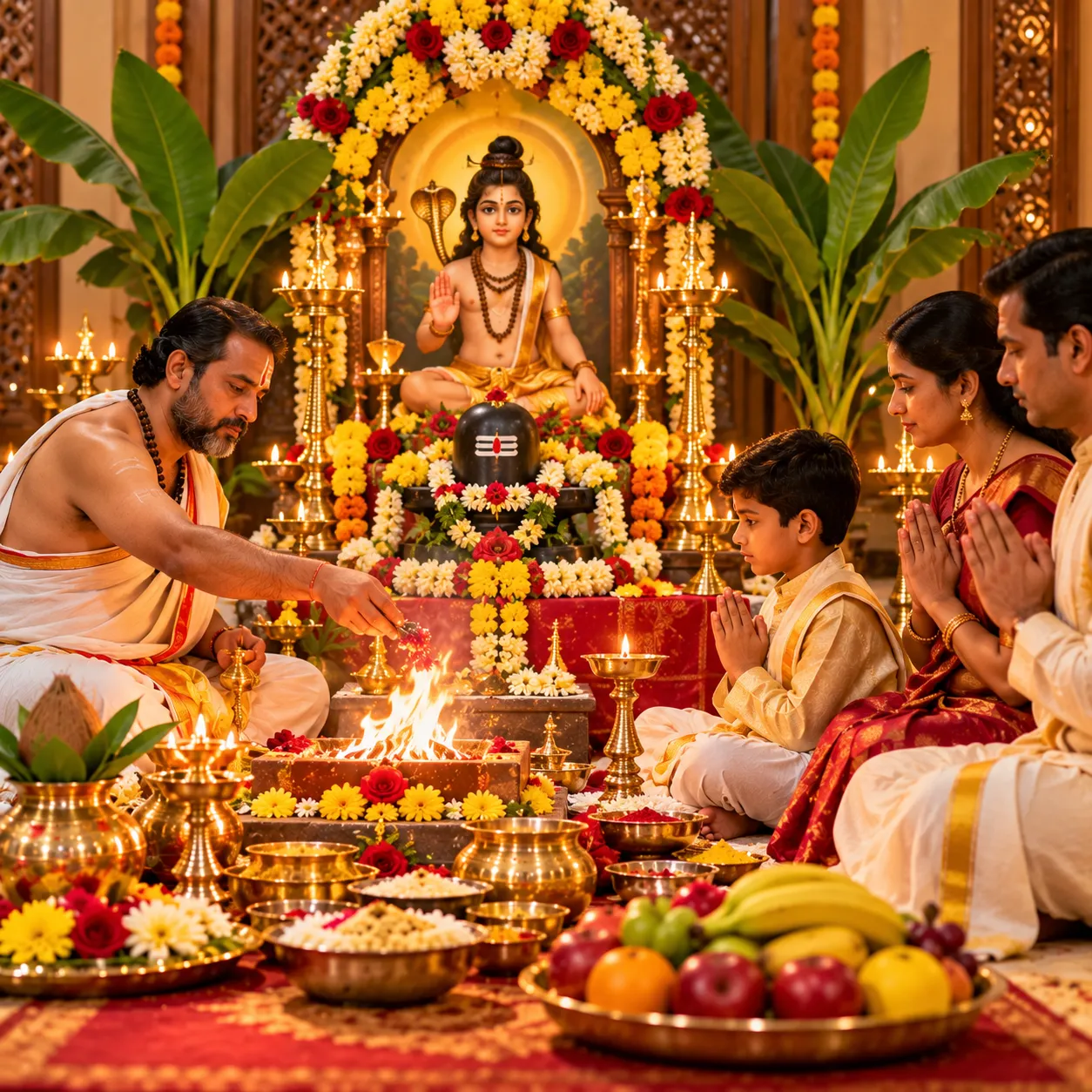
Birthday Pujan / Markandeya Pujan
Birthday Pujan / Markandeya Pujan is a sacred Vedic ritual performed on a birthday to seek blessings for longevity, good health, happiness, prosperity, and a blessed life. The puja is dedicated to Lord Ganesha, Lord Shiva, and Sage Markandeya, seeking divine grace for a long and healthy life. The ceremony is performed with devotion to pray for positivity, spiritual well-being, and family welfare. The ceremony includes Sankalp, Ganesh Puja, Kalash Sthapana, Navgraha Puja, Ayush Mantra Jaap, Mahamrityunjaya Mantra Jaap, Sage Markandeya Puja, Janma Nakshatra Puja, Havan, Purnahuti, and Aarti. The Pandit Ji performs the complete puja according to traditional Vedic rituals. Samagri: Lord Shiva and Ganesha images or idols, Kalash, coconut, mango leaves, roli, kumkum, akshat (rice), sandalwood, flowers, garland, Bel Patra, Durva grass, betel leaves, supari, fruits, sweets, Panchamrit, ghee, havan samagri, barley, sesame seeds, incense, camphor, diya, and other essential puja items. Note: The exact puja vidhi, mantra jaap count, samagri, and duration may vary according to family traditions, birth nakshatra, and the Pandit Ji's guidance.
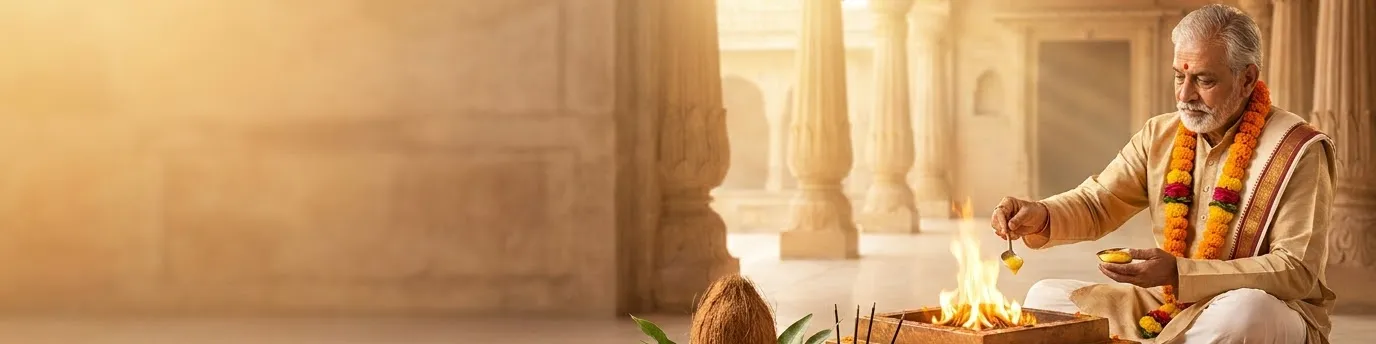
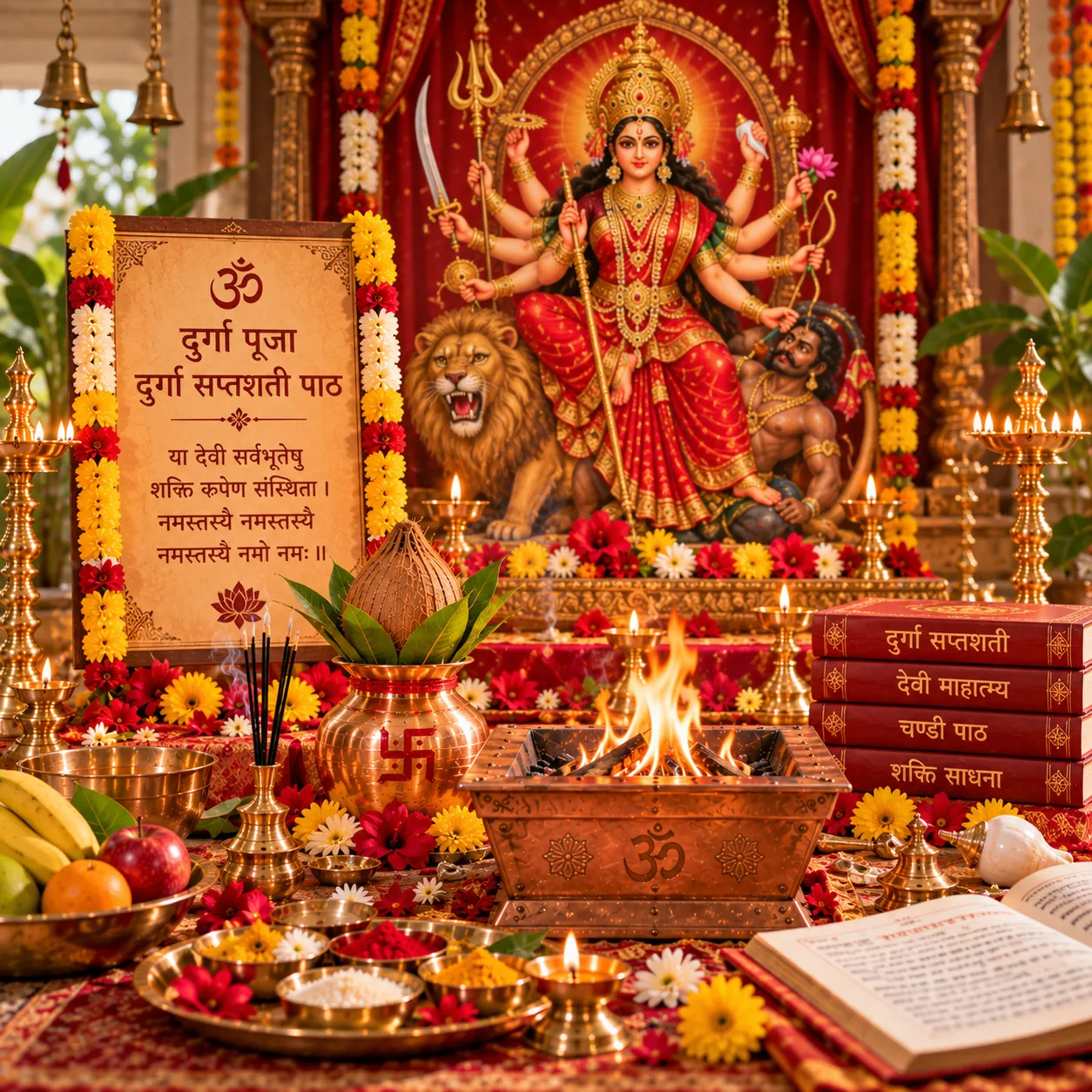
Durga Pujan / Havan
Durga Puja and Durga Saptashati Path are sacred rituals dedicated to Maa Durga and her divine forms. The ceremony is traditionally performed to seek the blessings of Maa Durga for strength, protection, peace, prosperity, and the well-being of the family. The ceremony includes Sankalp, Ganesh Puja, Kalash Sthapana, Maa Durga Puja, Durga Saptashati Path, Mantra Jaap, Navarna Mantra Jaap, Havan, Purnahuti, and Maa Durga Aarti. The Pandit Ji performs the rituals according to the prescribed Vedic and traditional vidhi. Samagri: Maa Durga idol or image, Kalash, coconut, mango leaves, red cloth, roli, kumkum, akshat (rice), red flowers, fruits, sweets, betel leaves, supari, sandalwood, incense, camphor, diya, ghee, havan samagri, Durga Saptashati book, and other essential puja items. Note: The exact duration, mantra count, path, havan procedure, and samagri may vary depending on whether the service includes complete Durga Saptashati Path, specific chapters, Navratri rituals, family tradition, and the guidance of the Pandit Ji.
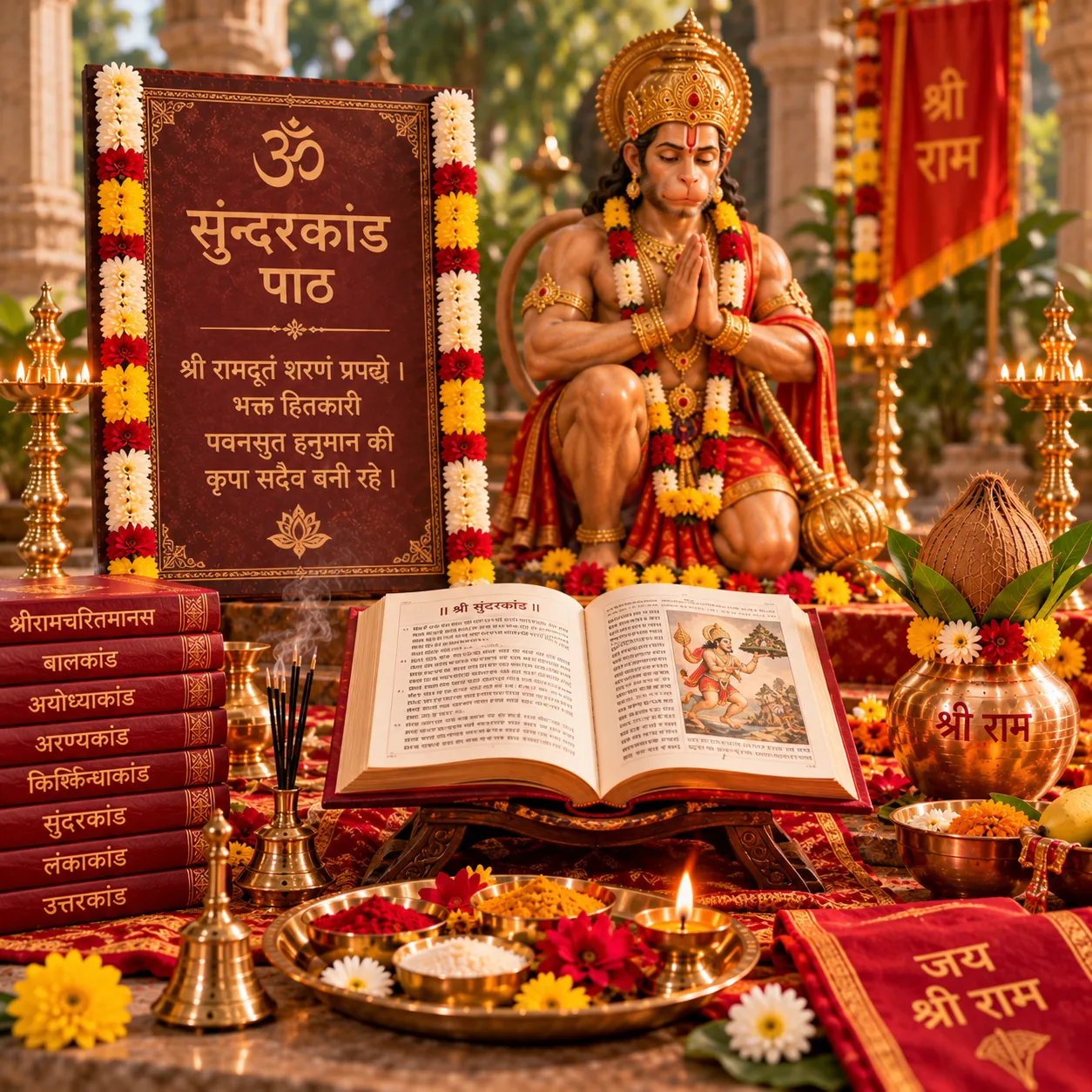
Sunder Kand Path
Sundarkand Path is a sacred recitation from the Ramcharitmanas, describing the devotion, courage, wisdom, and extraordinary journey of Lord Hanuman in his search for Maa Sita. It is traditionally performed to seek the blessings of Lord Hanuman and Shri Ram and to cultivate courage, devotion, peace, and spiritual strength. The ceremony includes Sankalp, Ganesh Puja, Kalash Sthapana, Sundarkand Path, Hanuman Mantra Jaap, Hanuman Aarti, Shri Ram Aarti, and Prasad. The Pandit Ji guides the family through the complete Path according to traditional practices. Samagri: Ramcharitmanas / Sundarkand book, Lord Hanuman and Shri Ram images or idols, flowers, Sindoor, jasmine oil, roli, kumkum, akshat (rice), betel leaves, supari, coconut, fruits, sweets, jaggery, incense, camphor, diya, ghee, and other essential puja items. Note: The duration may vary depending on the number of participants and the pace of recitation. The exact puja vidhi and samagri may vary according to family tradition and local customs.
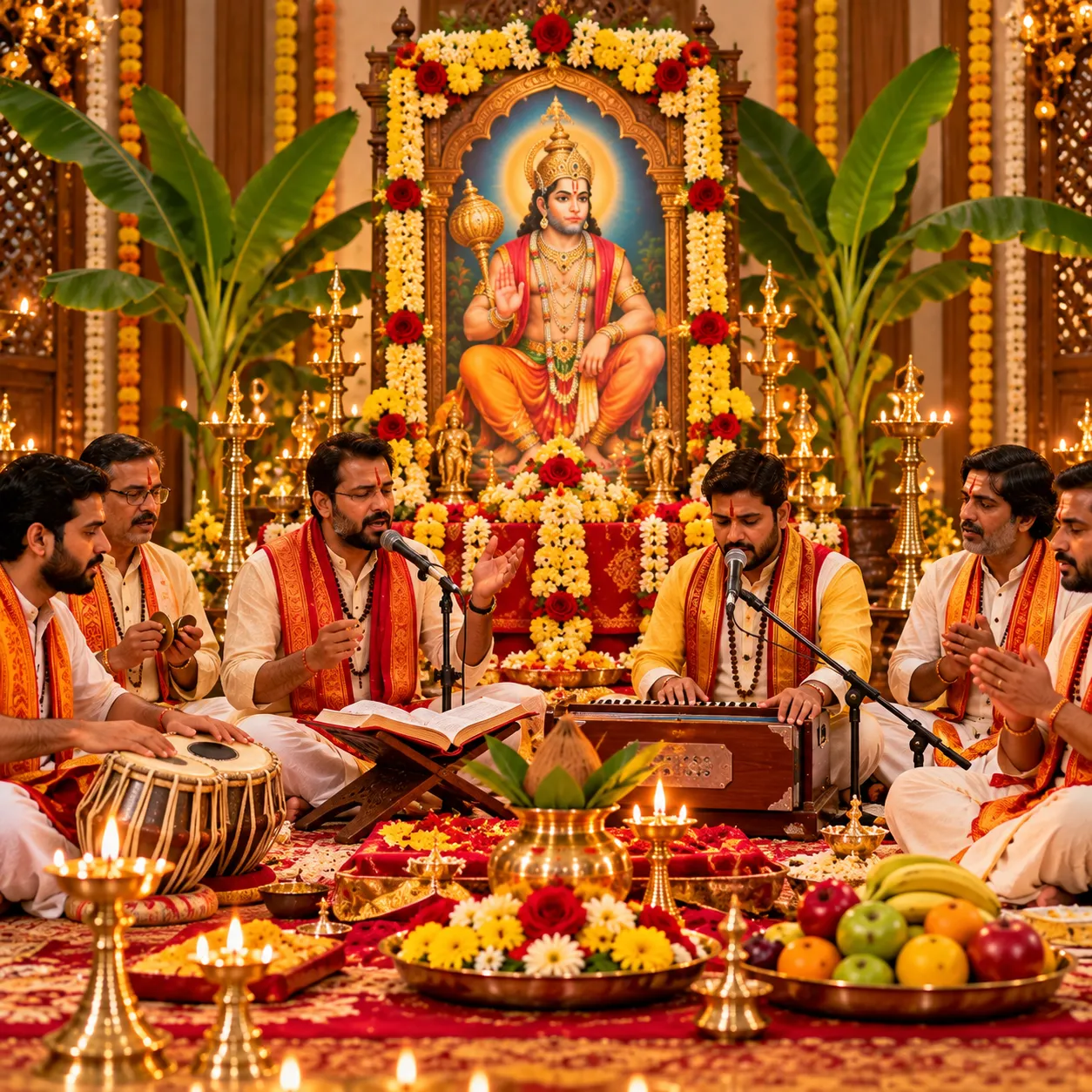
Sunder Kand Path With Sangeet
Sunder Kand Path With Sangeet is a sacred and devotional recitation from the Ramcharitmanas, performed with melodious verses, devotional songs, and bhajans. It describes the devotion, courage, wisdom, and extraordinary journey of Lord Hanuman in his search for Maa Sita. This ceremony is performed to seek the blessings of Lord Hanuman and Shri Ram and to pray for peace, courage, positivity, and spiritual strength. The ceremony includes Sankalp, Ganesh Puja, Kalash Sthapana, Musical Sunder Kand Path, Hanuman Mantra Jaap, Bhajan-Kirtan, Hanuman Aarti, Shri Ram Aarti, and Prasad distribution. The Pandit Ji and devotional music group conduct the complete recitation and musical devotional program according to traditional practices. Samagri: Ramcharitmanas / Sunder Kand book, Lord Hanuman and Shri Ram images or idols, flowers, garland, sindoor, jasmine oil, roli, kumkum, akshat (rice), betel leaves, supari, coconut, fruits, sweets, jaggery, incense, camphor, diya, ghee, sound system for bhajans and music, and other essential puja items. Note: The exact puja vidhi, mantra jaap count, samagri, and duration may vary depending on the number of participants, musical arrangements, family traditions, and the Pandit Ji's guidance.
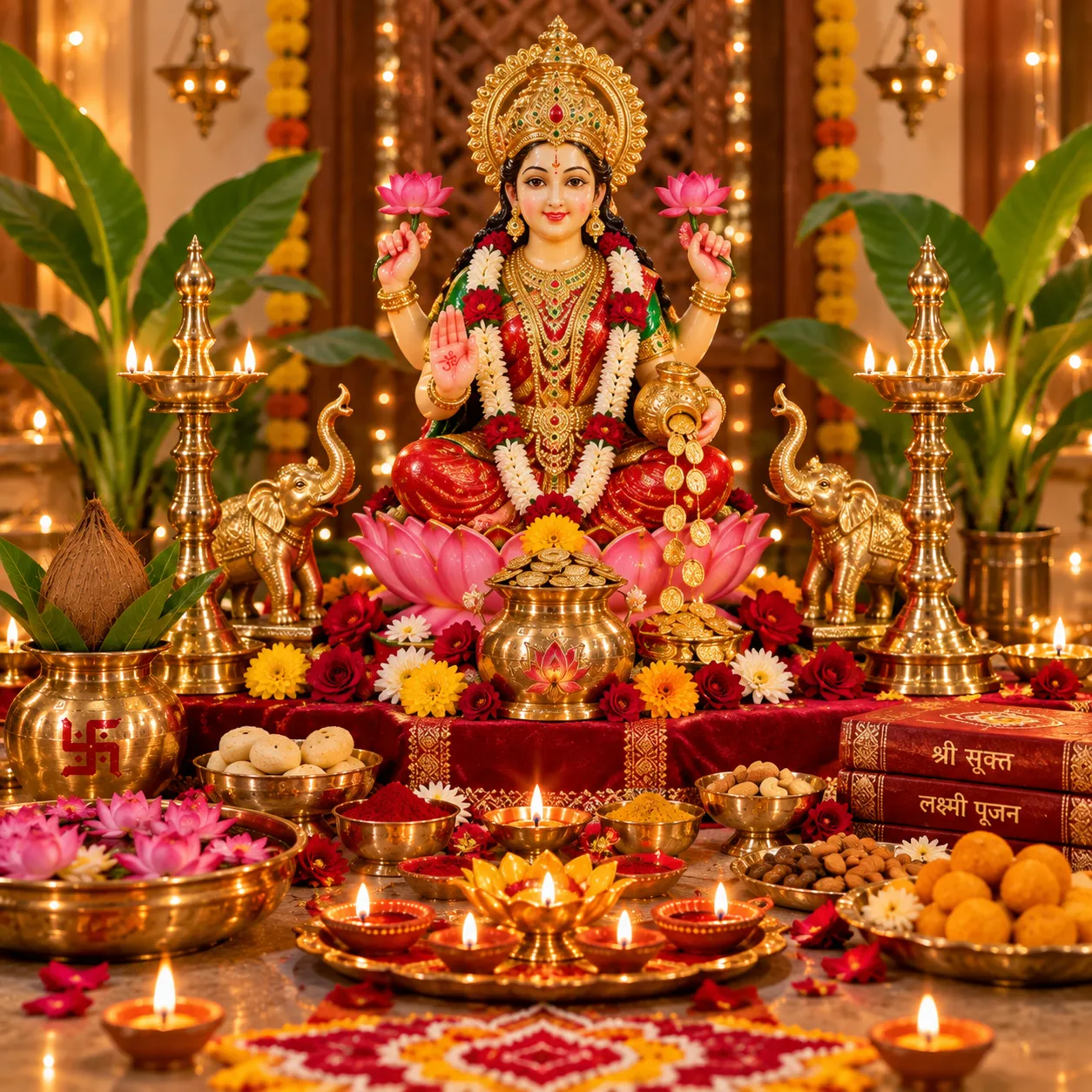
Deepawali Pujan
Lakshmi Puja is traditionally performed on Diwali to worship Goddess Lakshmi, the goddess of wealth, prosperity, abundance, and good fortune. The puja is performed to seek divine blessings for financial well-being, happiness, peace, and prosperity in the home or business. The puja includes Ganesh Puja, Lakshmi Avahan, Kalash Sthapana, Shodashopachara Puja, Lakshmi Mantra Jaap, offerings, Deep Puja, Aarti, and Prasad. For businesses, the ceremony may also include worship of account books, cash counter, and business-related items. Samagri: Goddess Lakshmi and Lord Ganesha idols, Kalash, coconut, mango leaves, roli, kumkum, akshat (rice), flowers, lotus flowers, fruits, sweets, betel leaves, supari, coins, diya, ghee, incense, camphor, Lakshmi Puja items, and other essential puja samagri. Note: The exact puja vidhi and samagri may vary according to family tradition, business requirements, and local customs.
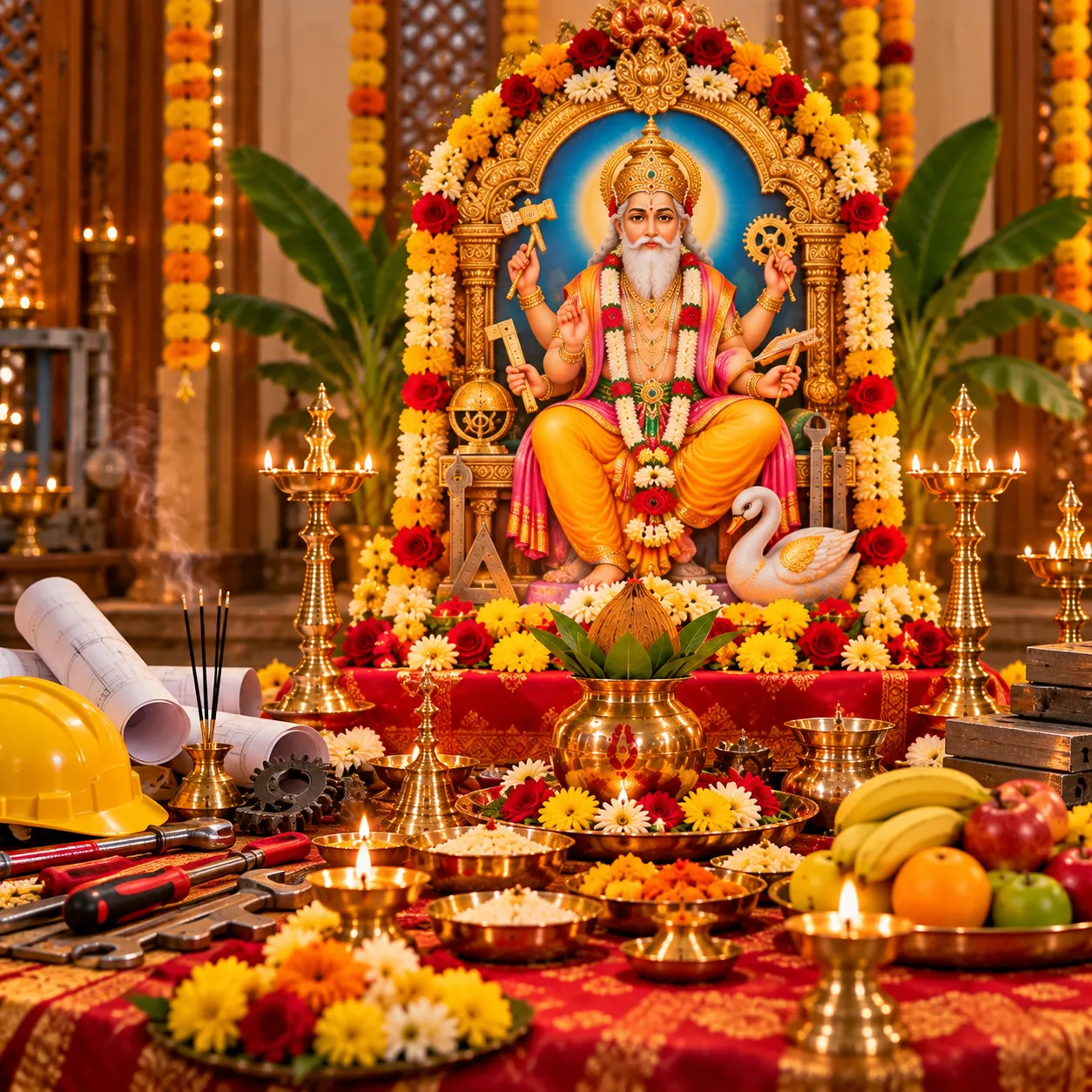
Vishwakarma Puja
Vishwakarma Puja is a sacred Hindu ritual dedicated to Lord Vishwakarma, who is regarded as the divine architect and craftsman of the gods. This puja is traditionally performed in factories, workshops, shops, offices, construction sites, and business establishments. It is conducted to seek blessings for success in work, business growth, the safety of machinery and tools, and overall prosperity. The ceremony includes Sankalp, Ganesh Puja, Kalash Sthapana, Lord Vishwakarma Puja, worship of tools and machinery, Vishwakarma Mantra Jaap, flower offerings, Aarti, Havan, Purnahuti, and Prasad distribution. The Pandit Ji performs the complete puja according to traditional Vedic rituals. Samagri: Lord Vishwakarma image or idol, Kalash, coconut, mango leaves, roli, kumkum, akshat (rice), sandalwood, flowers, garland, betel leaves, supari, fruits, sweets, red or yellow cloth, incense, camphor, diya, ghee, havan samagri, items required for worshipping tools and machinery, and other essential puja items. Note: The exact puja vidhi, mantra jaap count, samagri, and duration may vary according to the establishment's traditions, the purpose of the puja, and the Pandit Ji's guidance.
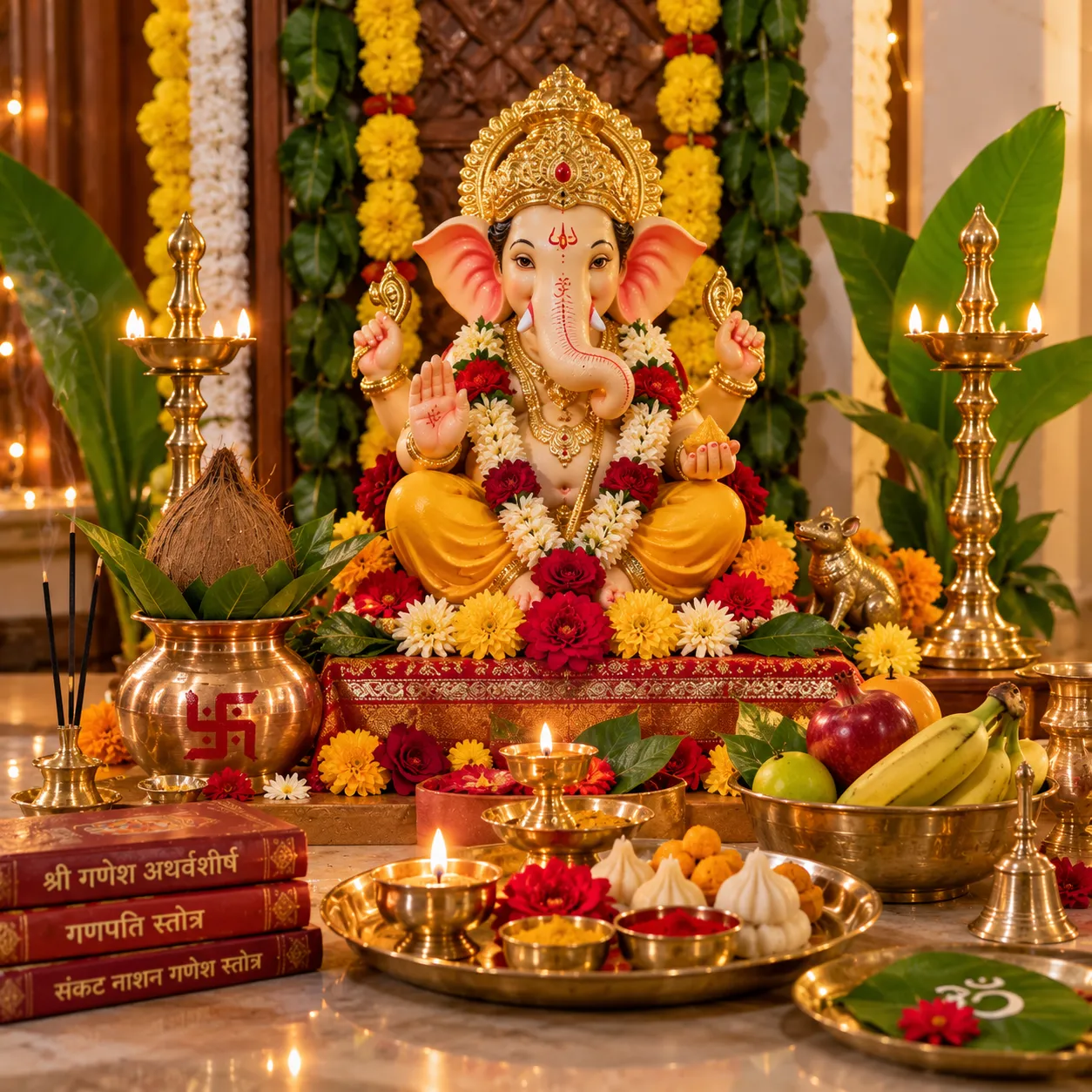
Ganesh Utsav / Pujan
Ganesh Chaturthi / Ganesha Puja is performed to worship Lord Ganesha, the remover of obstacles and the deity of wisdom, prosperity, and auspicious beginnings. The puja is especially performed during Ganesh Chaturthi and before starting important work, a new venture, or a significant ceremony. The puja includes Ganesh Avahan, Sankalp, Kalash Sthapana, Shodashopachara Puja, Ganesh Mantra Jaap, offerings of Durva and Modak, Aarti, and Prasad. The Pandit Ji performs the complete puja vidhi and guides the family through the rituals. Samagri: Lord Ganesha idol, Kalash, coconut, mango leaves, Durva grass, flowers, roli, kumkum, akshat (rice), sandalwood, betel leaves, supari, fruits, Modak or sweets, incense, diya, ghee, and other essential puja items. Note: The exact puja vidhi and samagri may vary according to the occasion, family tradition, and local customs.
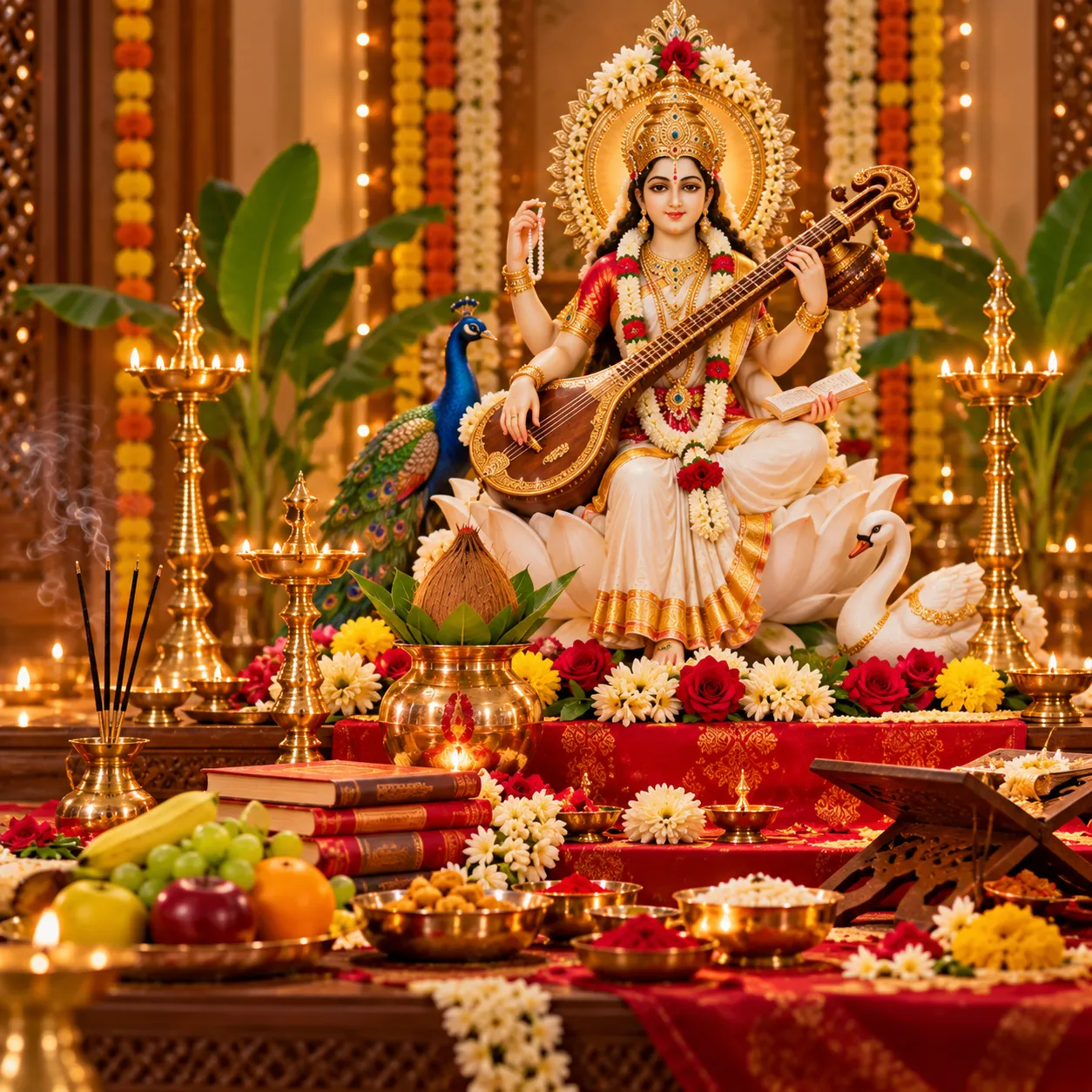
Saraswati Puja
Saraswati Puja is a sacred Hindu ritual dedicated to Maa Saraswati, the Goddess of knowledge, learning, wisdom, music, arts, and speech. This puja is performed by students, teachers, artists, and seekers of knowledge to seek divine blessings for education, concentration, creativity, and intellectual growth. The ceremony includes Sankalp, Ganesh Puja, Kalash Sthapana, Maa Saraswati Puja, Saraswati Mantra Jaap, Book and Pen Puja, flower offerings, Saraswati Vandana, Aarti, and Prasad distribution. The Pandit Ji performs the complete puja according to traditional Vedic rituals. Samagri: Maa Saraswati image or idol, Kalash, coconut, mango leaves, yellow or white flowers, garland, roli, kumkum, akshat (rice), sandalwood, turmeric, betel leaves, supari, fruits, sweets, yellow clothes, books, notebooks, pens, incense, camphor, diya, ghee, and other essential puja items. Note: The exact puja vidhi, mantra jaap count, samagri, and duration may vary according to family traditions, the purpose of the puja, and the Pandit Ji's guidance.
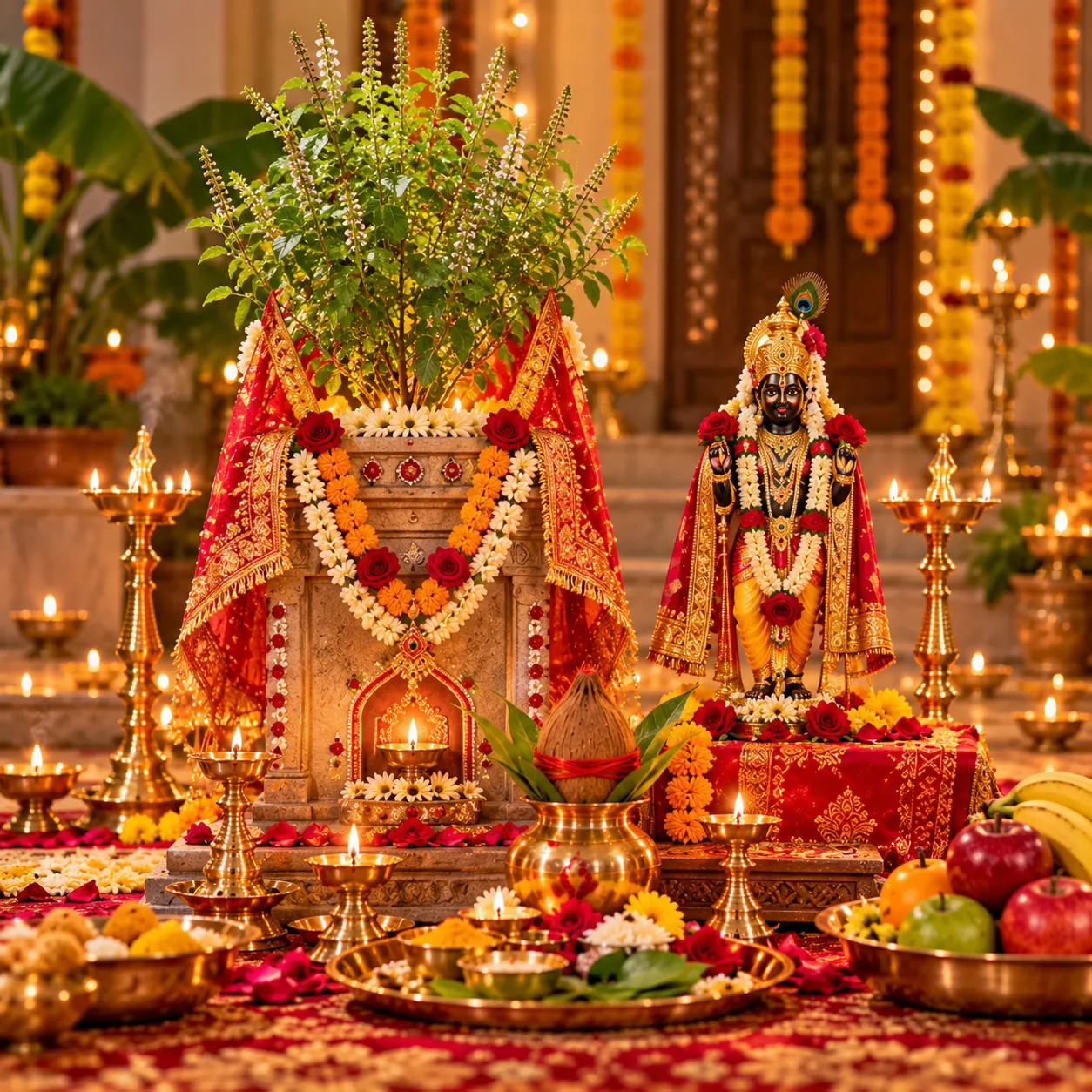
Tulsi Vivah
Tulsi Vivah is a sacred Hindu ceremony dedicated to Maa Tulsi and Lord Vishnu in his Shaligram form. It is traditionally performed on Dev Uthani Ekadashi or during the holy month of Kartik. The ceremony celebrates the symbolic marriage of Maa Tulsi and Lord Shaligram according to traditional Hindu wedding rituals. This auspicious occasion is observed to seek blessings for family harmony, marital well-being, prosperity, and divine grace. The ceremony includes Sankalp, Ganesh Puja, Kalash Sthapana, Maa Tulsi Puja, Lord Shaligram Puja, wedding mandap decoration, Varmala, Kanyadaan, Mangalashtak, Vivah Mantras, Aarti, and Prasad distribution. The Pandit Ji conducts the complete Tulsi Vivah according to traditional wedding rituals and Vedic practices. Samagri: Tulsi plant, Lord Shaligram or Vishnu idol, Kalash, coconut, mango leaves, red chunari, yellow clothes, roli, kumkum, akshat (rice), sandalwood, flowers, garland, sugarcane, amla, betel leaves, supari, turmeric, mehendi, fruits, sweets, makhana, incense, camphor, diya, ghee, and other essential wedding and puja items. Note: The exact puja vidhi, wedding rituals, samagri, and duration may vary according to family traditions, local customs, and the Pandit Ji's guidance.
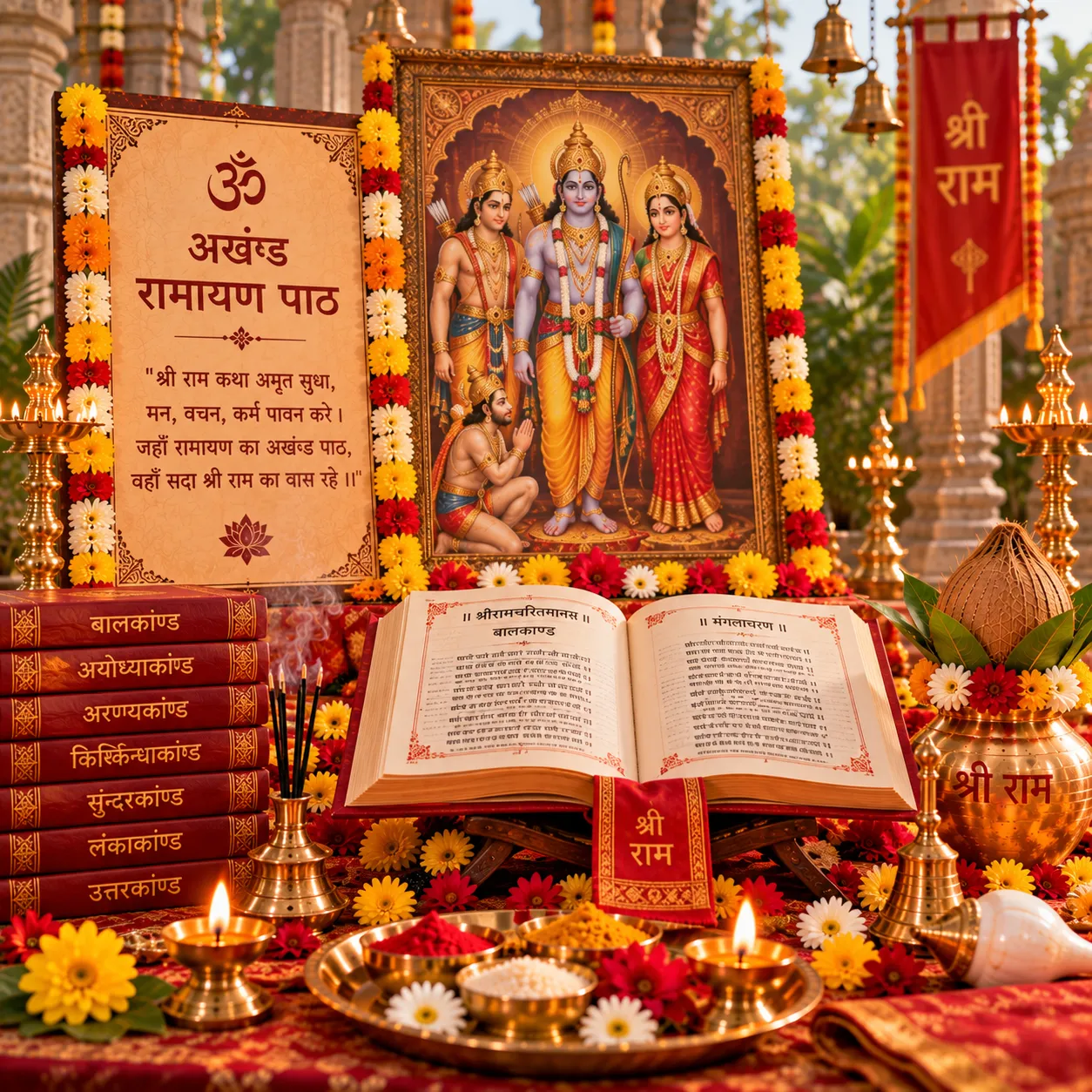
Akhand Ramayan Path
Akhand Ramayan Path is a continuous recitation of the Ramcharitmanas, traditionally performed without interruption over an extended period. Devotees undertake the Path to express devotion to Lord Shri Ram and seek blessings for peace, harmony, prosperity, and the well-being of the family. The ceremony begins with Sankalp, Ganesh Puja, Kalash Sthapana, and invocation of Lord Shri Ram and Maa Sita. The complete Ramcharitmanas is then recited continuously by the participating devotees or designated pathi, followed by Havan, Purnahuti, Shri Ram Aarti, and Prasad distribution upon completion. Samagri: Ramcharitmanas, Lord Shri Ram and Maa Sita idols or images, Kalash, coconut, mango leaves, flowers, roli, kumkum, akshat (rice), Tulsi leaves, fruits, sweets, betel leaves, supari, incense, camphor, diya, ghee, havan samagri, and other essential puja items. Note: Akhand Ramayan Path generally requires continuous participation and proper arrangements for the entire duration. The exact duration may vary depending on the recitation speed and number of participants. The puja vidhi and samagri may vary according to family tradition and local customs.
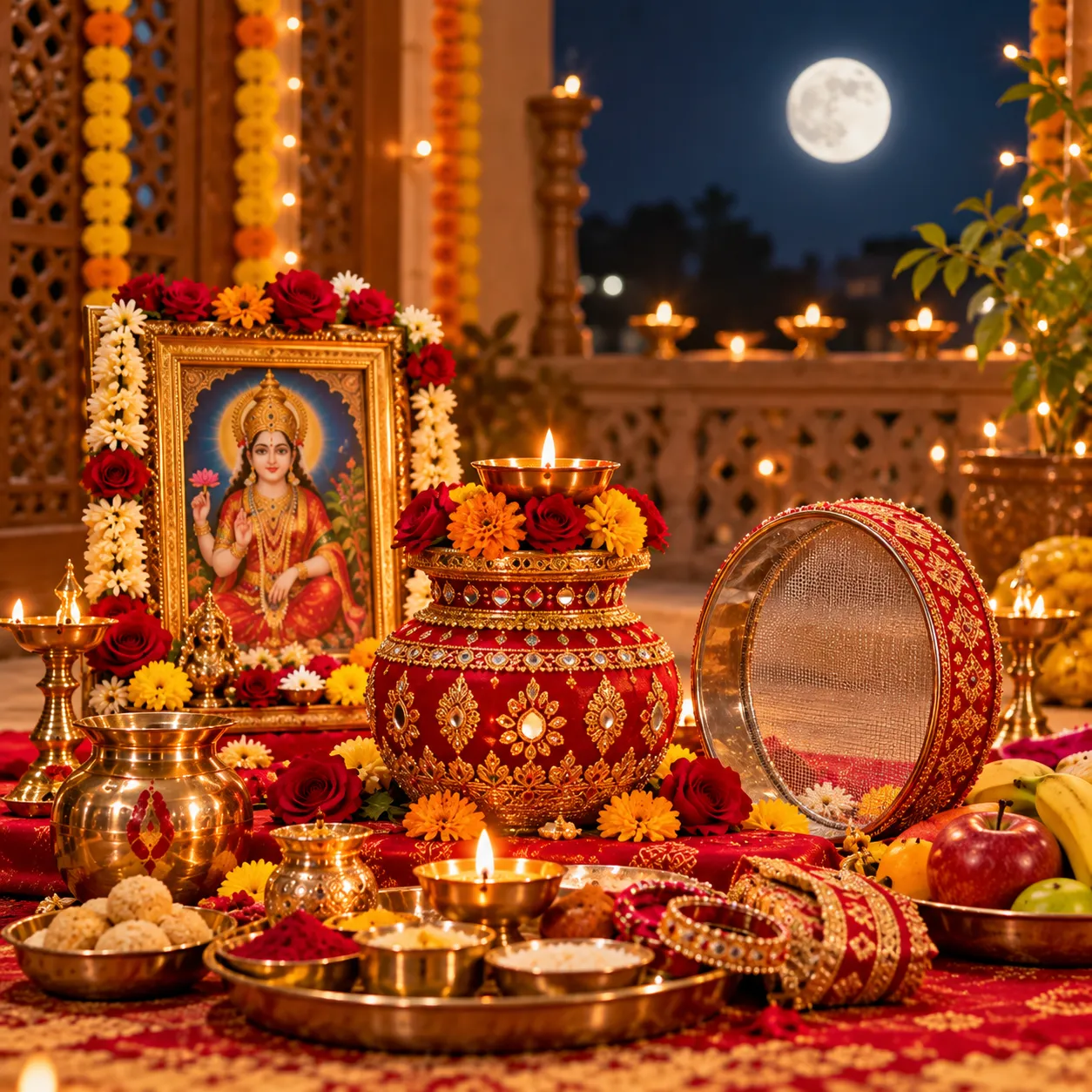
Karwa Chauth Puja
Traditional Karwa Chauth Vrat Katha and Pujan for the longevity and health of the husband.
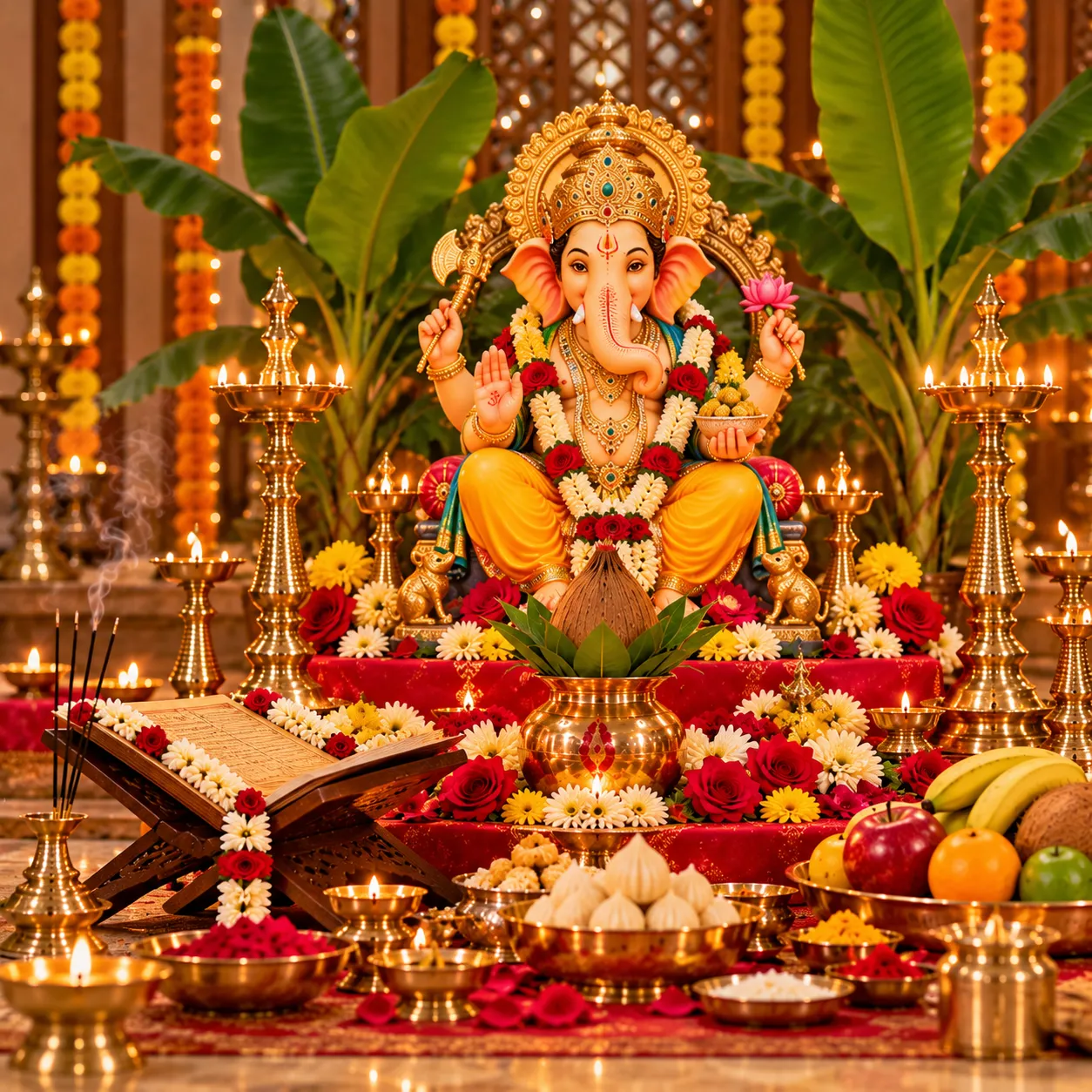
Ganpati Atharvashirsha Path
Powerful Ganpati Atharvashirsha Avartan Path and Havan performed by 3 Vedic priests.
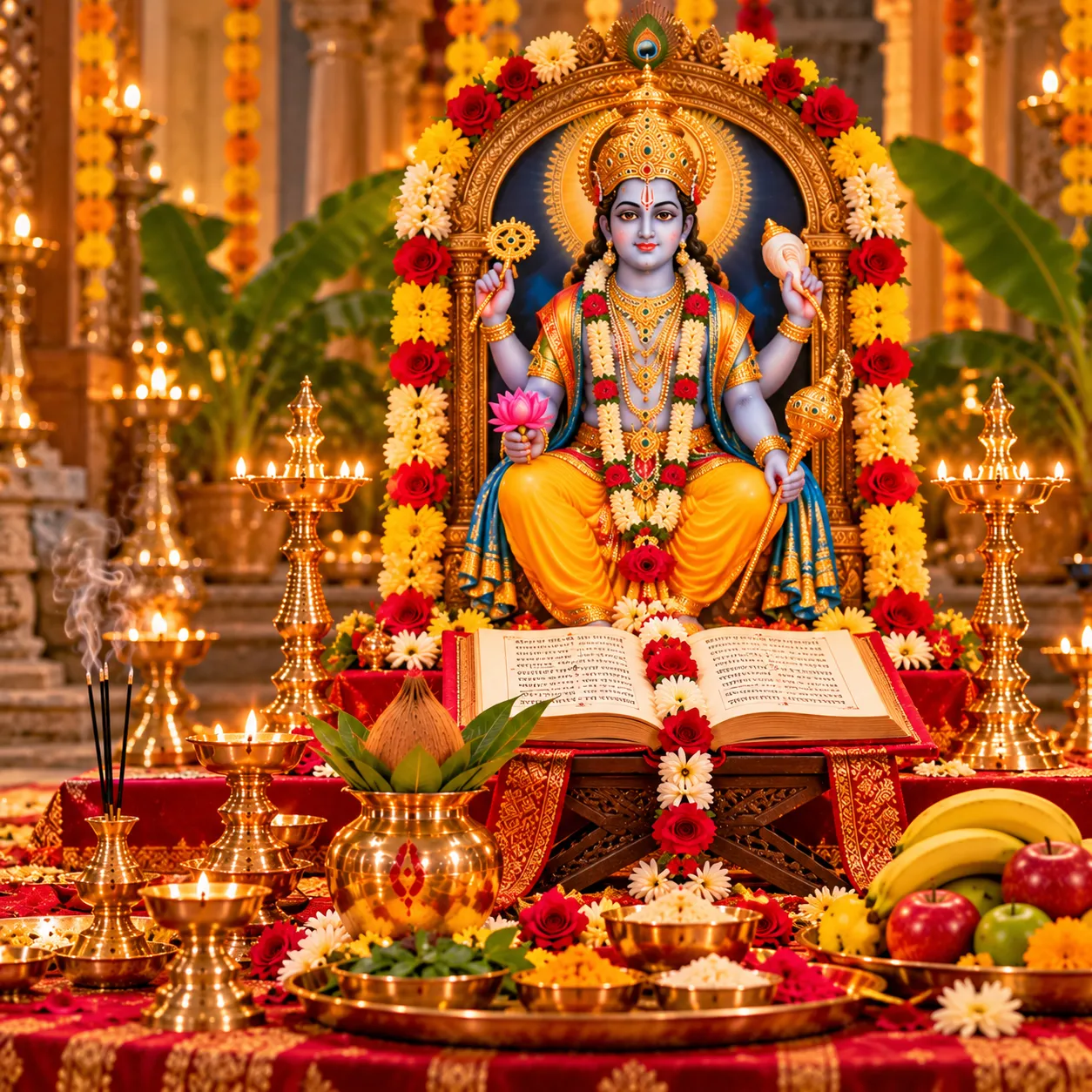
Vishnu Sahasranama Path
Sacred chanting of the 1,000 names of Lord Vishnu for spiritual peace, protection, and liberation.
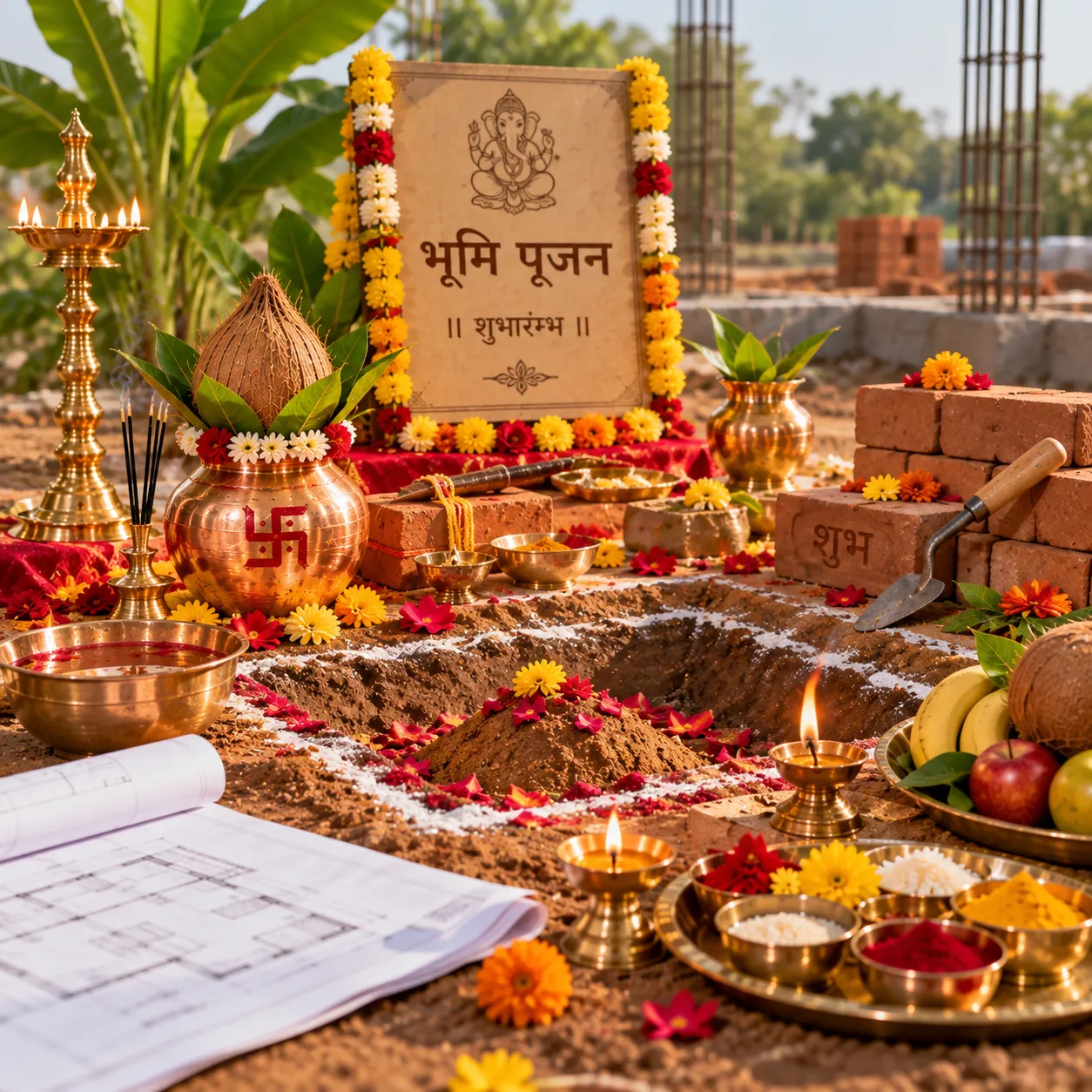
Bhoomi Pujan
Bhumi Pujan is performed before starting construction of a new house, office, shop, temple, or other property. The puja seeks blessings of Lord Ganesha, Maa Bhumi Devi, Vastu Purush and other deities for a peaceful and auspicious beginning. The puja generally includes Ganesh Puja, Sankalp, Bhumi Devi Puja, Vastu Puja, Kalash Sthapana, Navagraha Puja and Havan. The Pandit Ji performs the rituals according to the appropriate Vedic विधि and guides the family throughout the ceremony. Required Samagri: Coconut, Kalash, mango leaves, roli, moli, kumkum, rice (akshat), flowers, fruits, sweets, betel leaves and nuts, ghee, havan samagri, incense, दीपक and other puja items. Note: The exact samagri and vidhi may vary depending on the location, family tradition and type of construction.
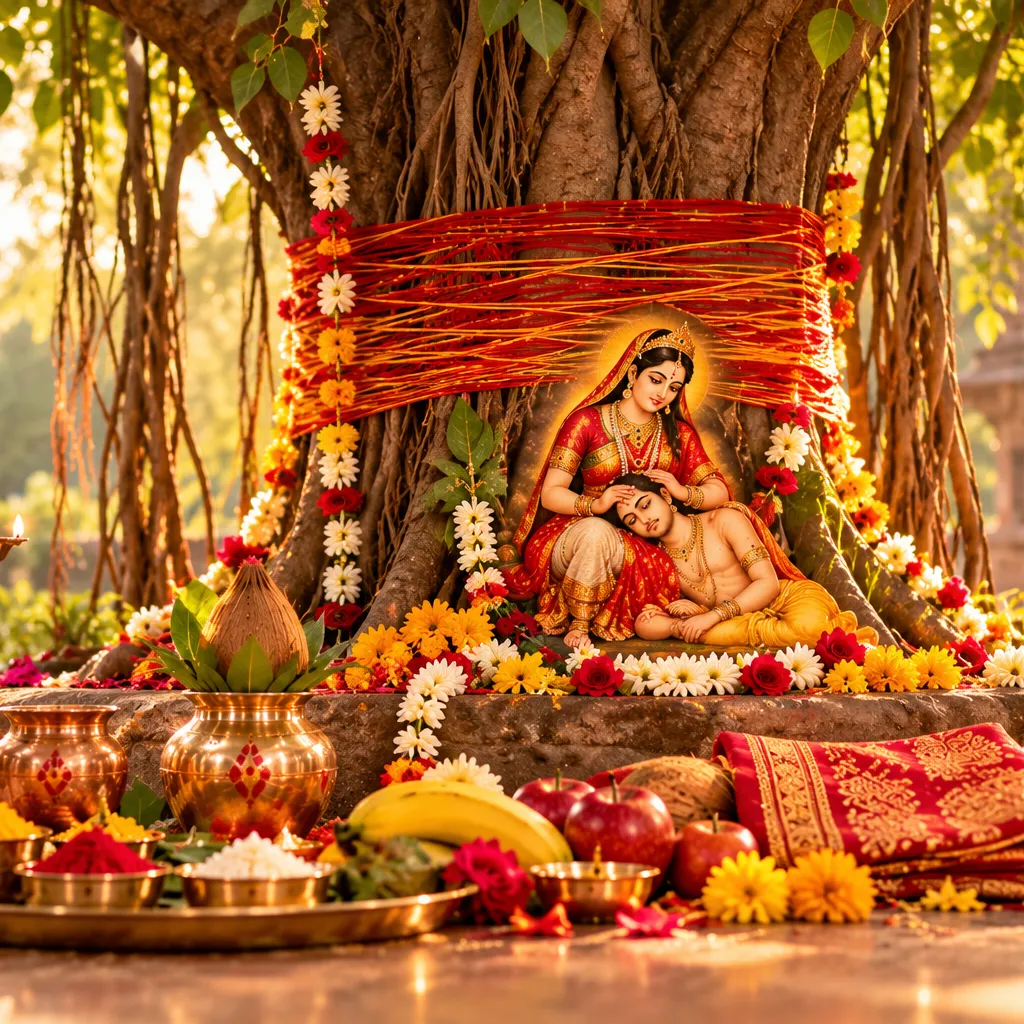
Vat Savitri Puja
Vat Savitri Vrat Puja performed under the Banyan tree for marital longevity and happy married life.
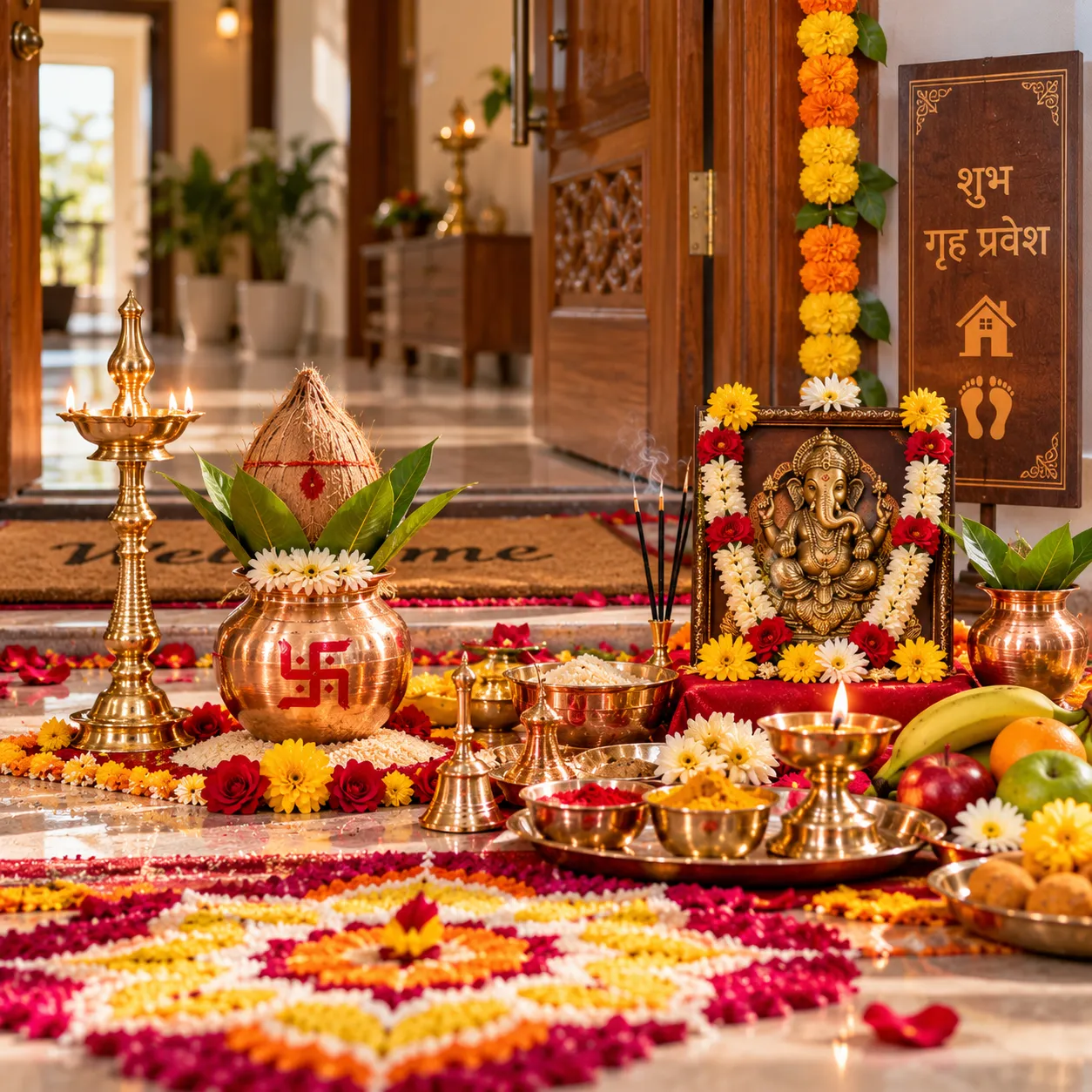
Griha Pravesh Puja
Grah Pravesh Puja is performed before entering a newly constructed or purchased home to seek divine blessings for peace, prosperity, happiness, and positive energy. The ceremony includes Ganesh Puja, Kalash Sthapana, Vastu Puja, Navagraha Puja, Havan, and traditional rituals for auspicious entry into the home. The Pandit Ji guides the family through the complete puja vidhi according to the appropriate Hindu traditions. Samagri: Kalash, coconut, mango leaves, roli, kumkum, akshat (rice), flowers, fruits, sweets, betel leaves, supari, ghee, havan samagri, incense, diya, and other essential puja items. Note: The exact puja vidhi and samagri may vary according to the house, family tradition, and local customs.
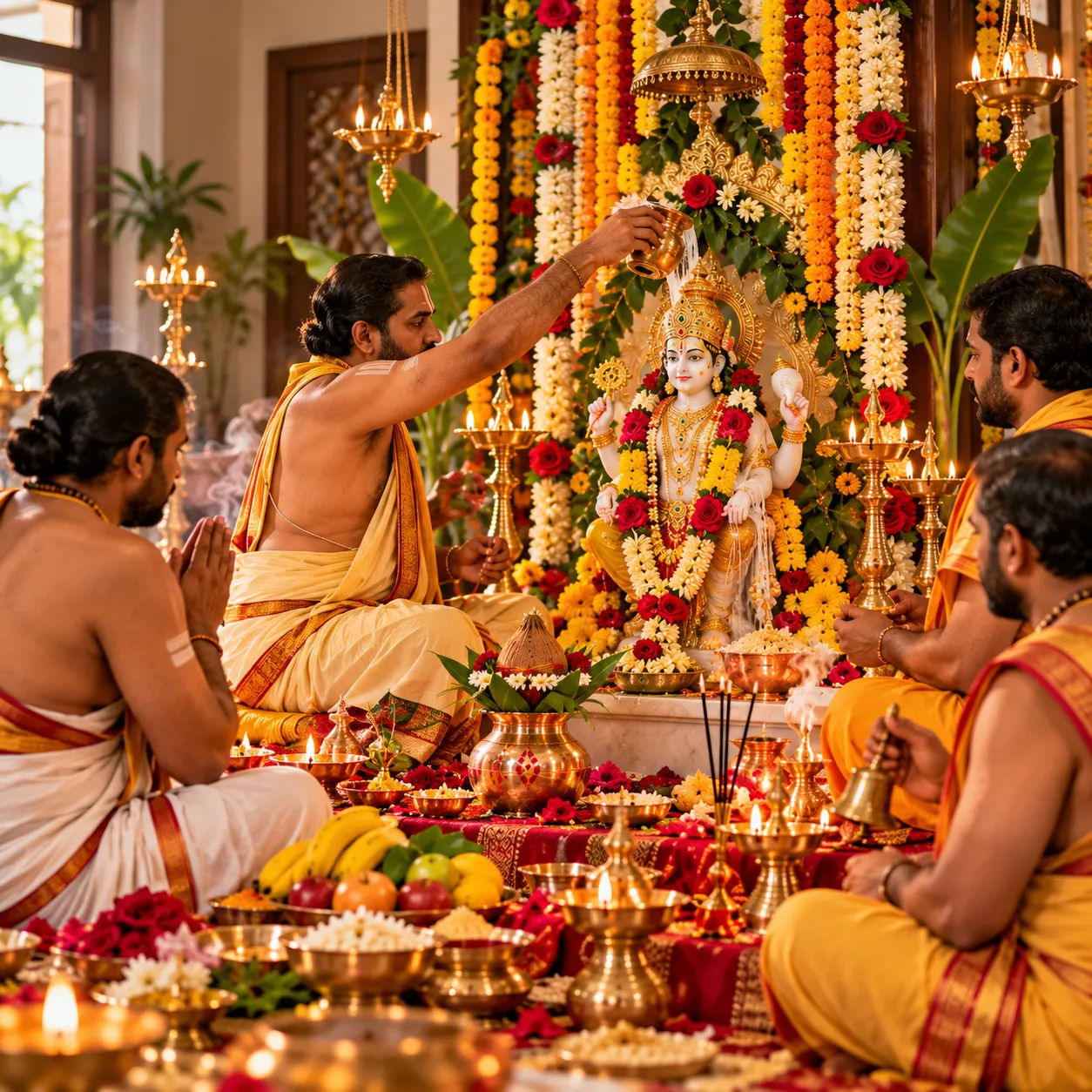
Murti Pran Pratishtha at Home
Sacred consecration and Pran Pratishtha rituals to infuse divine life into deity idols in your home altar.
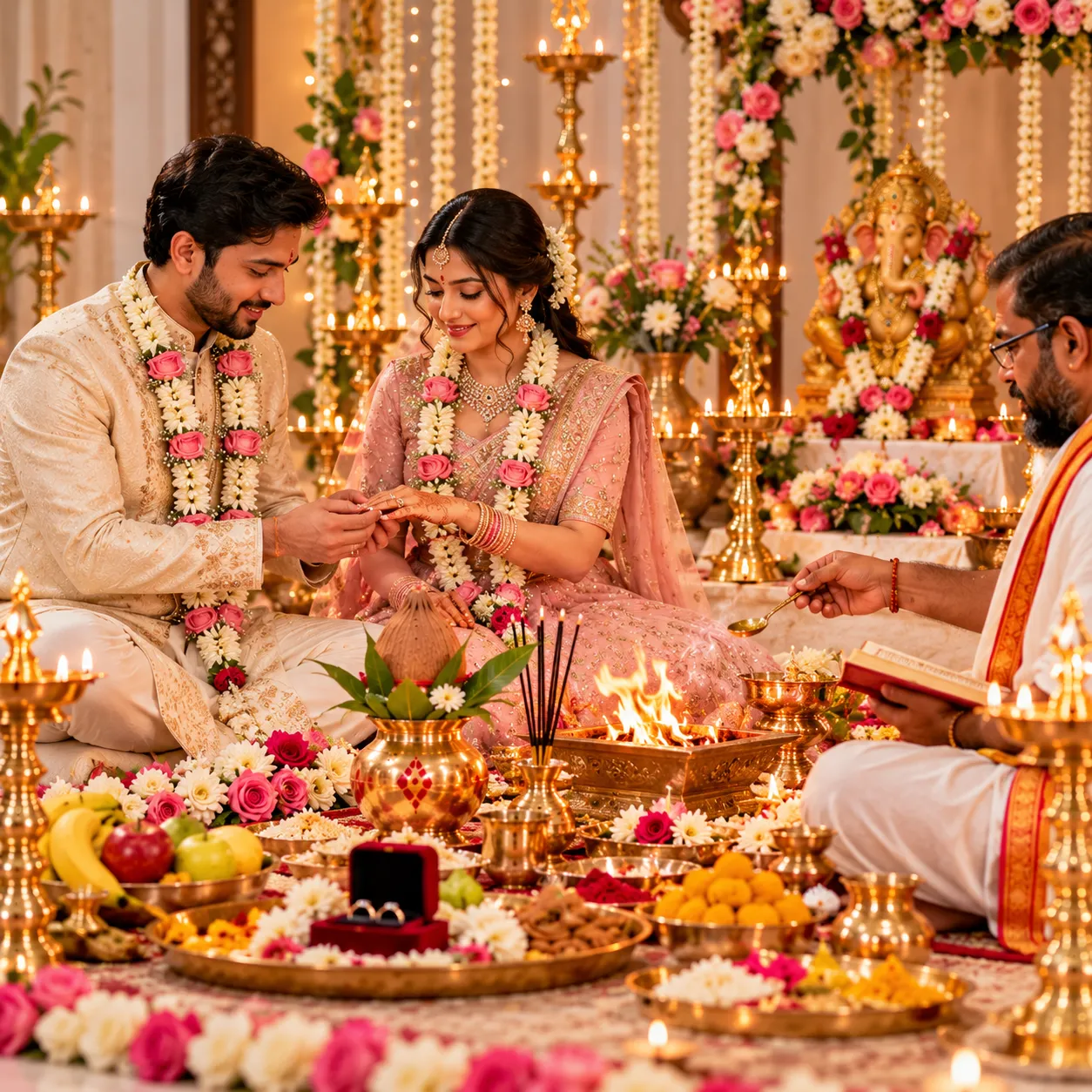
Engagement Puja
Vedic Roka / Sagai ceremony invoking divine blessings for the bride and groom-to-be.
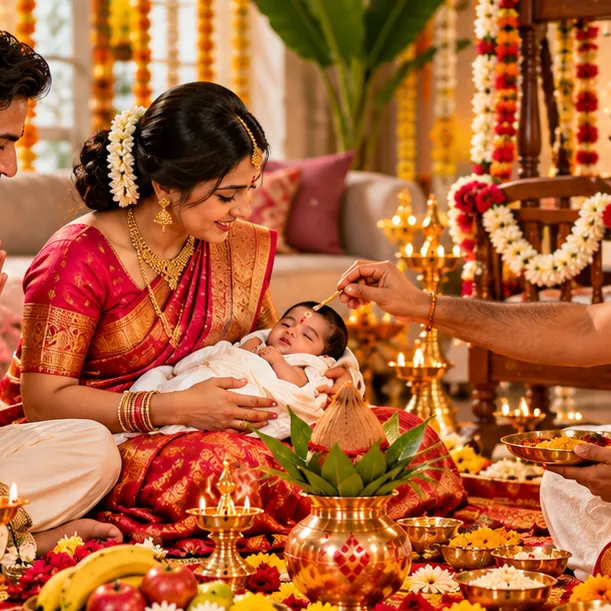
Namkaran Sanskar Puja
Traditional naming ceremony of a newborn baby as per astrological Nakshatras and Vedic rites.
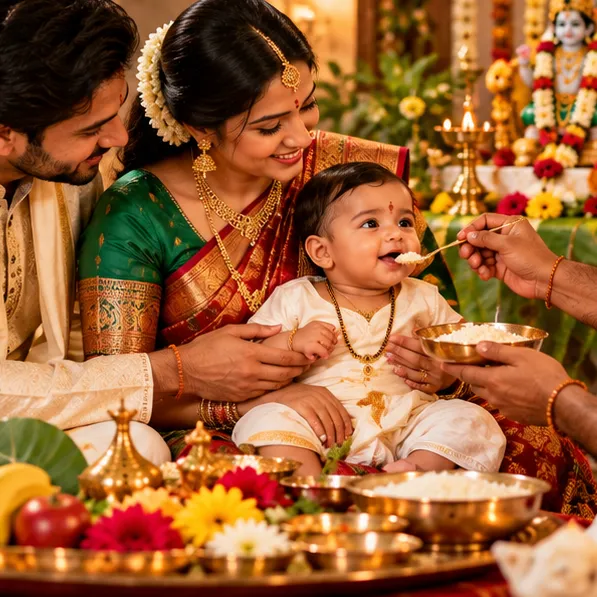
Annaprashan Sanskar
First solid food feeding ceremony for infant, seeking blessings from Annapurna Devi.
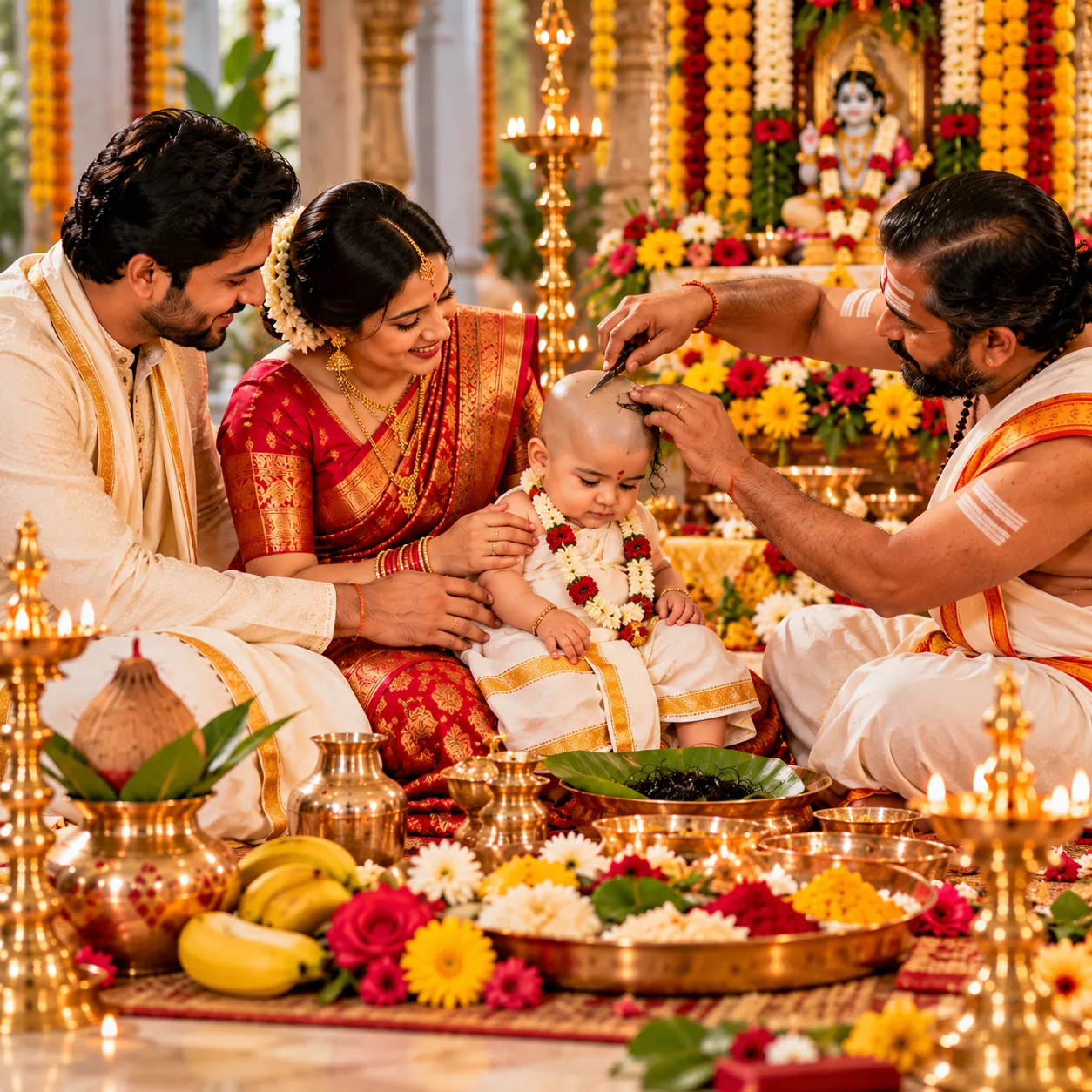
Mundan Puja
Sacred first hair-cutting ceremony of the child for cleansing past karmas and ensuring healthy development.
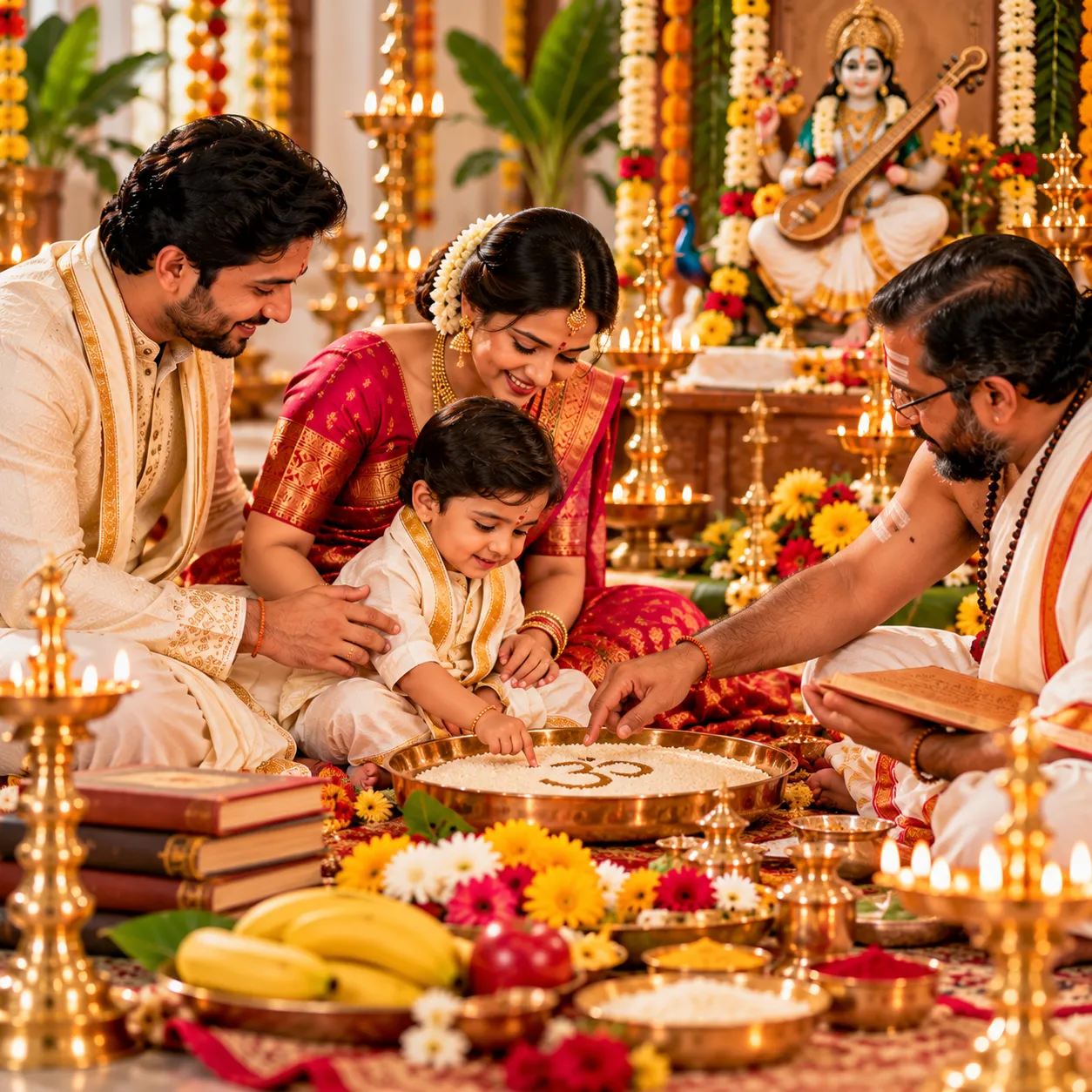
Vidyarambh Sanskar
Ceremony marking the formal initiation of a child into the world of learning and writing.
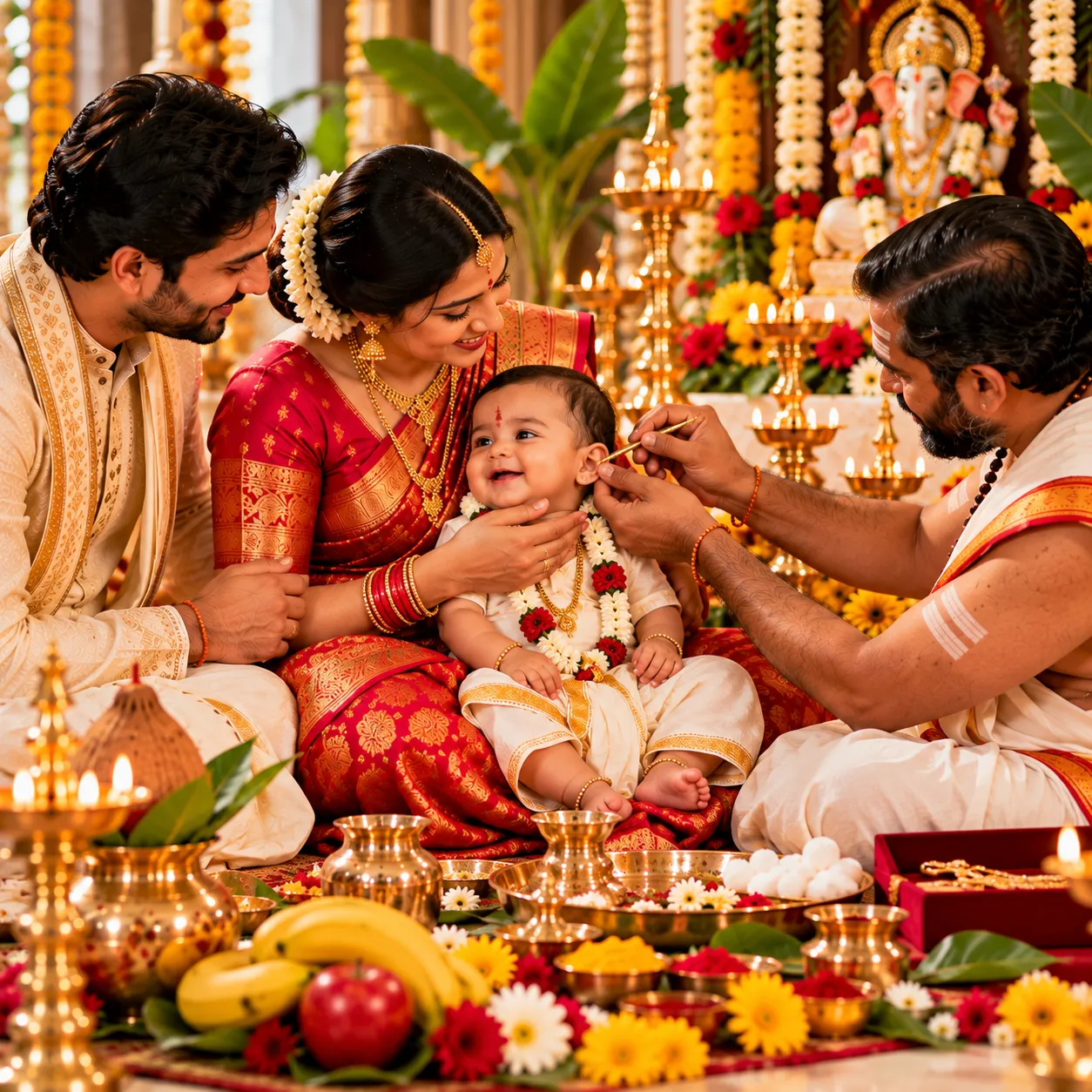
Karnavedh Sanskar
Ear piercing Vedic ceremony scientifically and spiritually beneficial for intelligence and health.
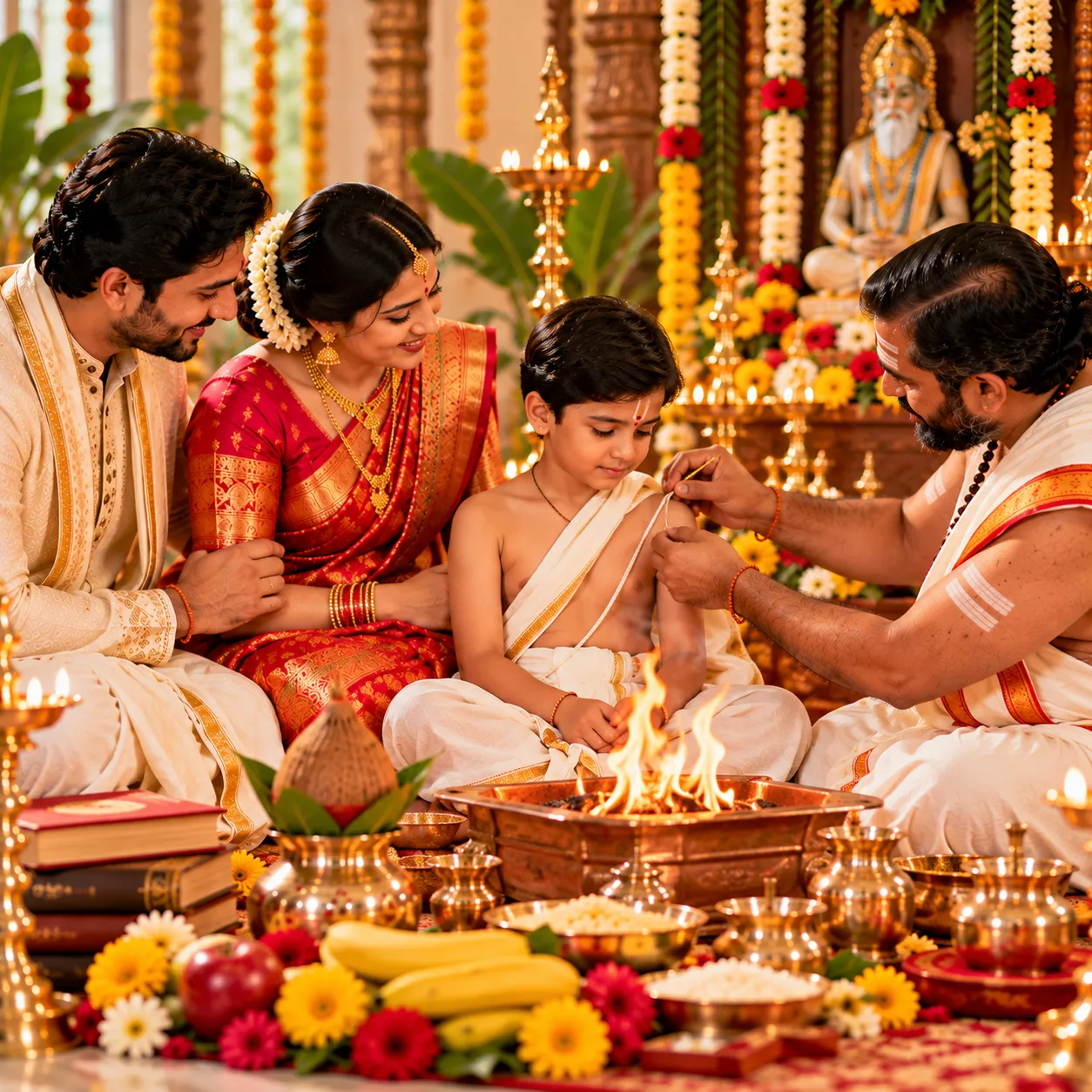
Yagyopavit Sanskar
Sacred thread initiation ceremony marking spiritual birth and Gayatri Diksha.
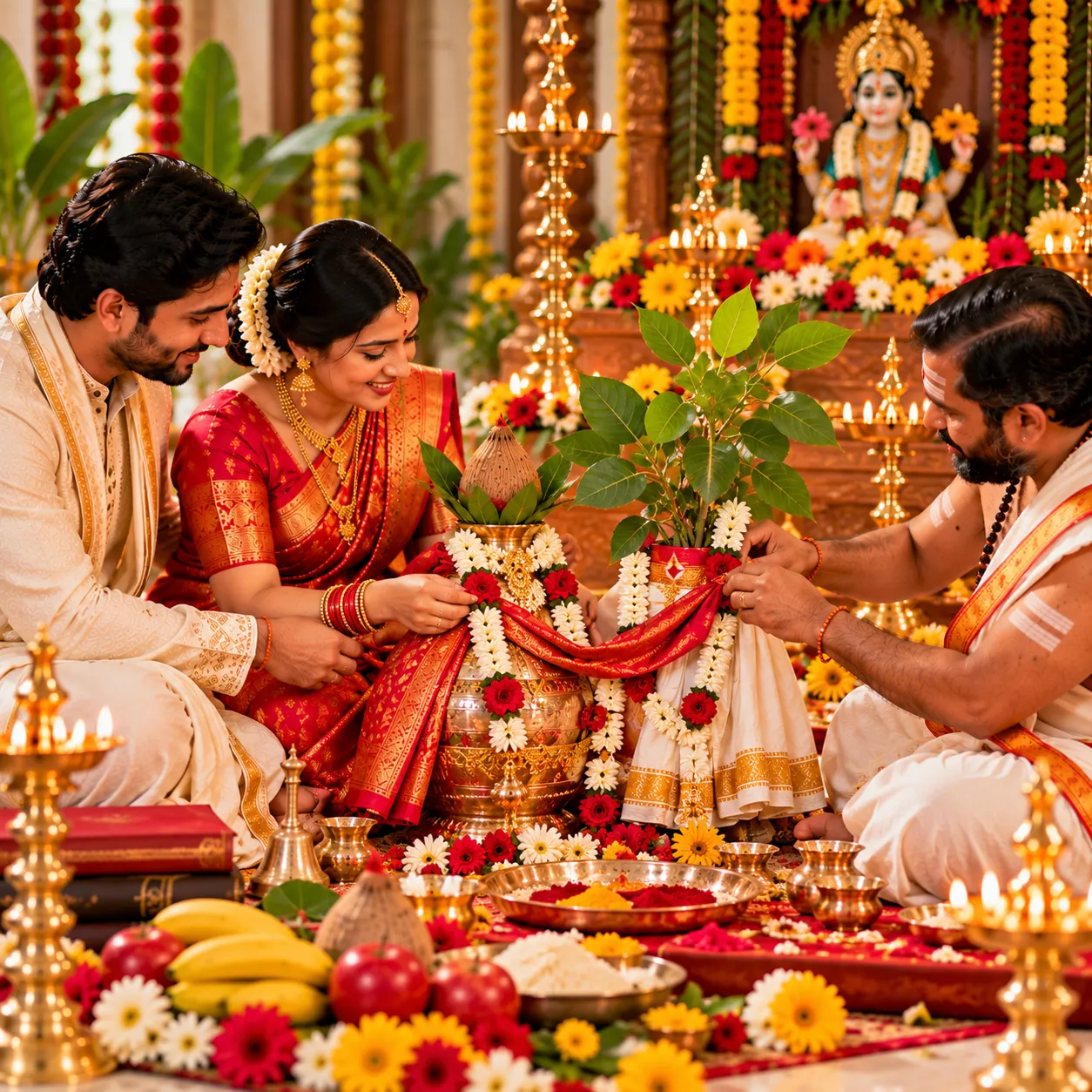
Kumbh Vivah / Ark Vivah
Remedial marriage ritual with a clay pot or Ark plant to overcome Mangal Dosh and planetary hurdles.
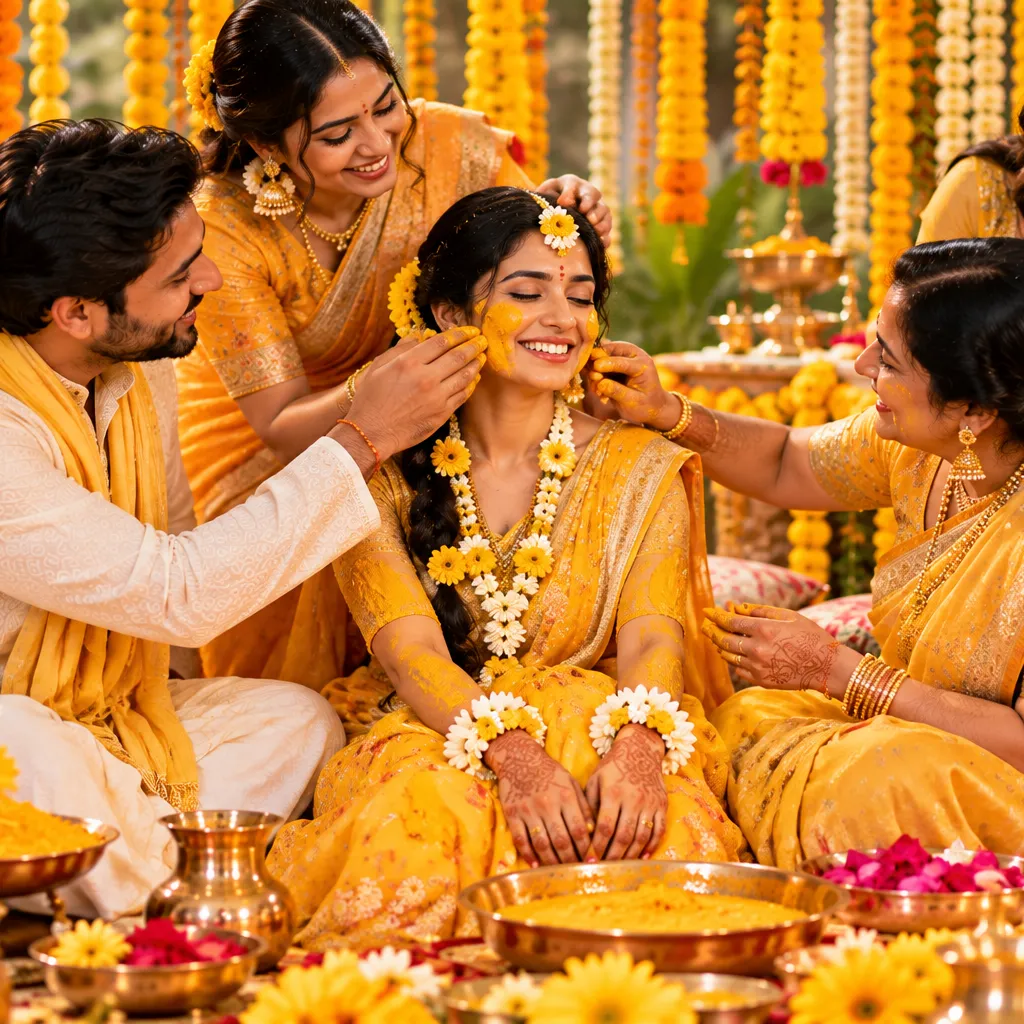
Haldi Ceremony
Traditional pre-wedding Haldi application ceremony with manglik shlokas and blessings.
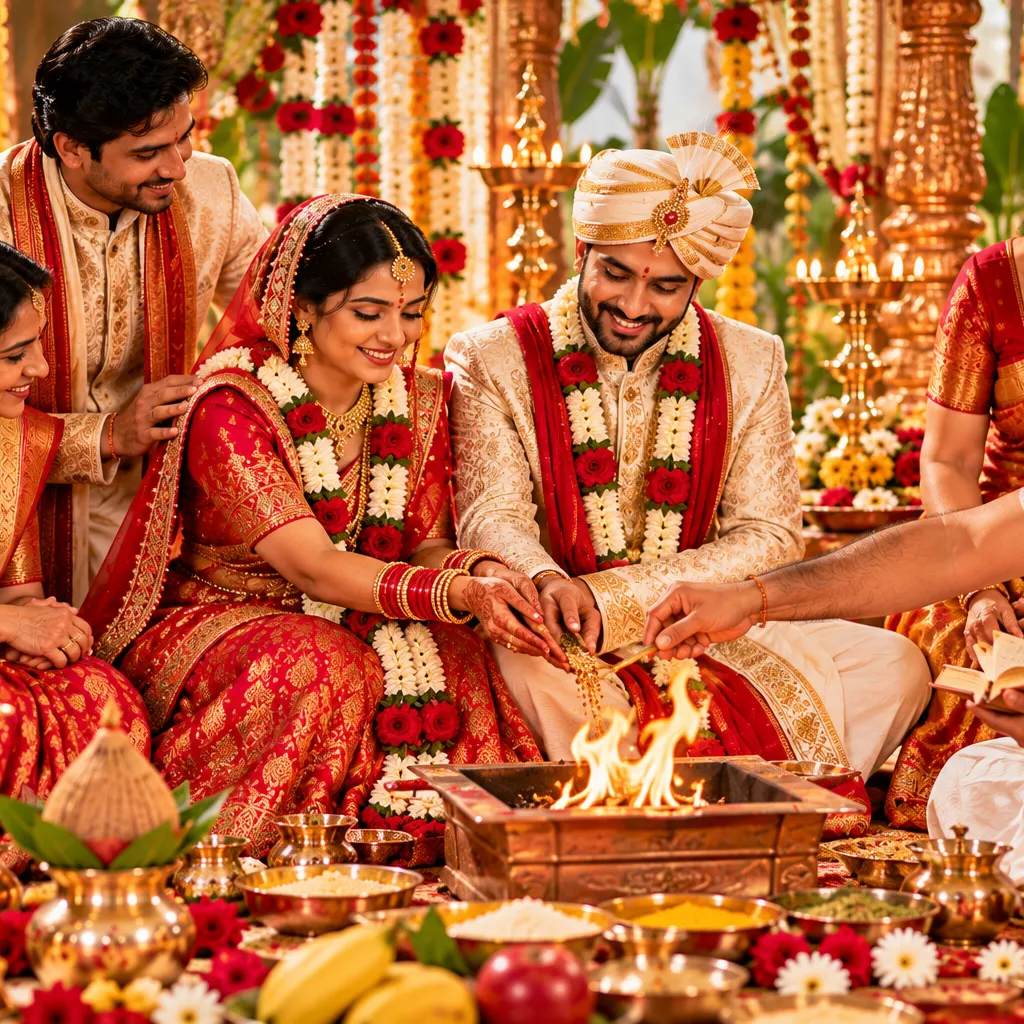
Vivah Sanskar
Full Hindu wedding rituals including Kanyadaan, Saptapadi (Seven Vows), and Mangalphera.
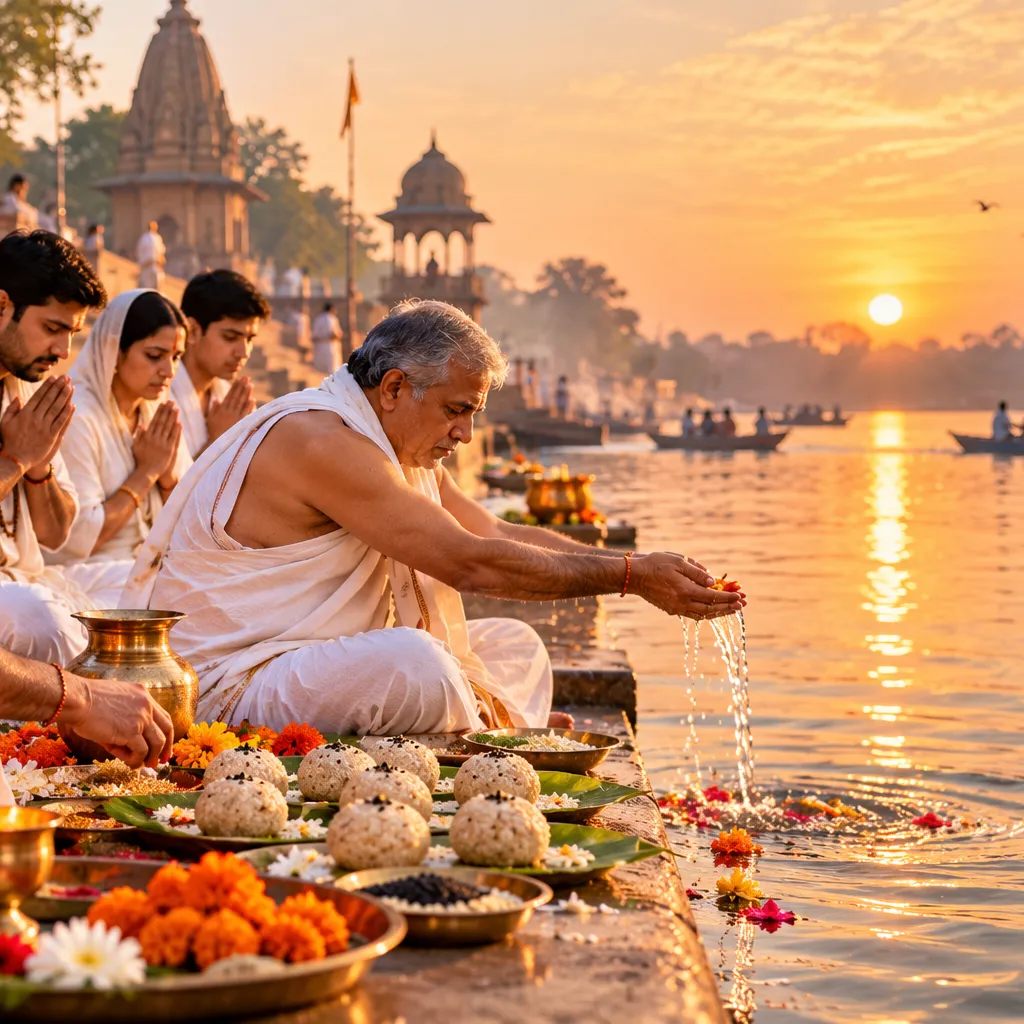
Antyeshti Sanskar / Pind Daan
12-day funeral rites and daily Pind Daan rituals for the liberation and peace of departed ancestors.
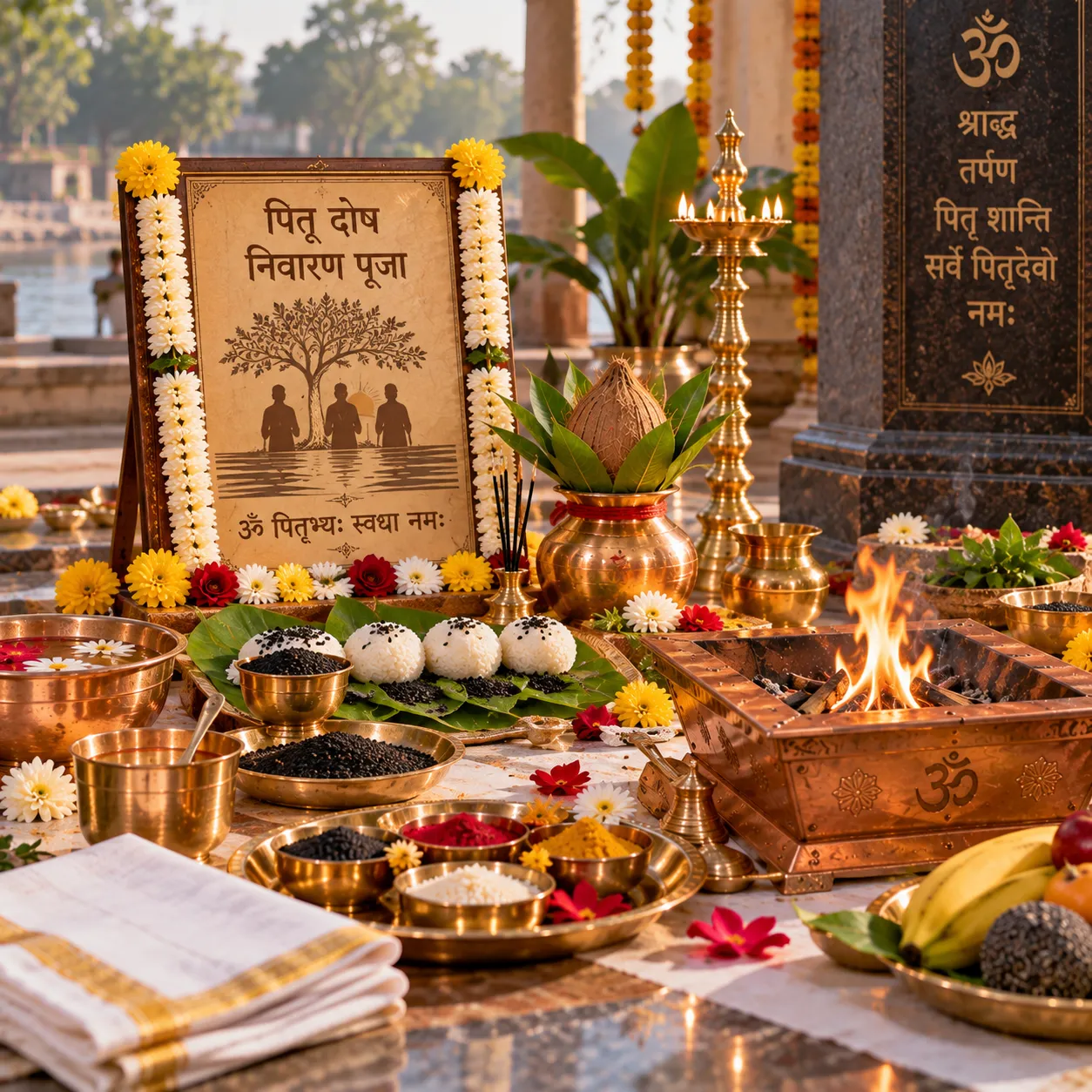
Narayan Bali / Pitra Dosh Puja
Pitra Dosh Nivaran Puja is a traditional Hindu ritual performed to honor ancestors and seek their blessings. It is undertaken according to family tradition and astrological guidance, with the intention of performing ancestral rites, expressing gratitude, and seeking peace and harmony for the family. The ceremony may include Sankalp, Ganesh Puja, Kalash Sthapana, Pitra Devata Puja, ancestral prayers, Tarpan, Pind-related rituals where appropriate, Navagraha Puja, Mantra Jaap, Havan, Purnahuti, and Aarti. The Pandit Ji guides the family through the prescribed rituals. Samagri: Kalash, coconut, darbha/kusha grass, black sesame seeds, barley, rice, flowers, fruits, milk, ghee, water, betel leaves, supari, roli, kumkum, akshat, incense, camphor, diya, havan samagri, and other items required for the specific ancestral ritual. Note: The exact vidhi, samagri, and rituals may vary based on family tradition, location, and the specific purpose of the ceremony. Certain Pitra-related rituals are traditionally performed on specific tithis, particularly during Pitru Paksha.
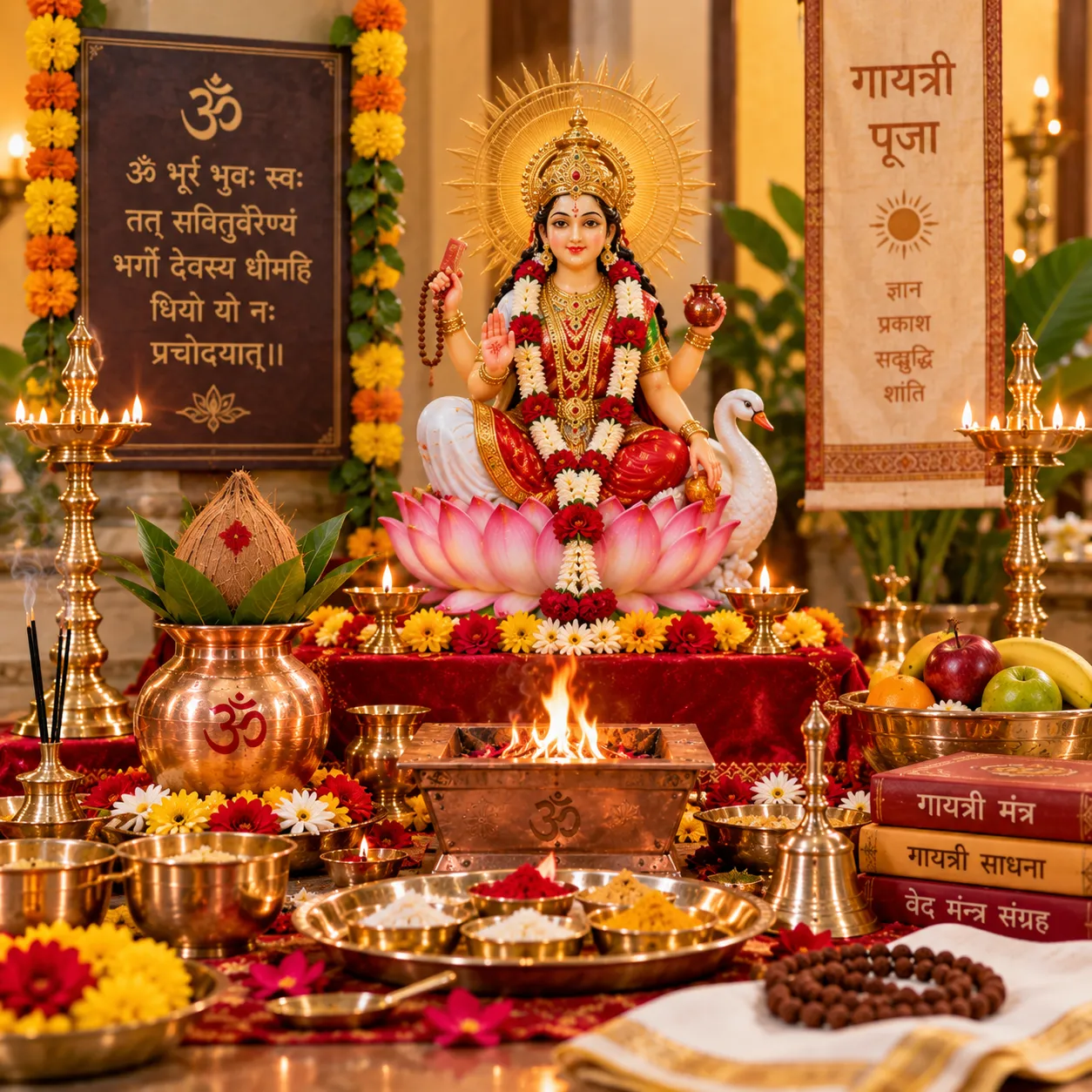
Gayatri Jaap
Gayatri Puja is a sacred Vedic worship dedicated to Maa Gayatri, regarded as the divine embodiment of the Gayatri Mantra and spiritual wisdom. The puja is traditionally performed to seek blessings for peace, purity, wisdom, positive energy, and spiritual growth. The ceremony includes Sankalp, Ganesh Puja, Kalash Sthapana, Maa Gayatri Puja, Gayatri Mantra Jaap, Havan, Purnahuti, and Aarti. The Pandit Ji performs the rituals according to Vedic traditions and guides the family throughout the ceremony. Samagri: Kalash, coconut, mango leaves, roli, kumkum, akshat (rice), flowers, fruits, sweets, sandalwood, betel leaves, supari, ghee, havan samagri, incense, camphor, diya, and other essential puja items. Note: The exact mantra count, havan procedure, duration, and samagri may vary according to the purpose of the puja, family tradition, and guidance of the Pandit Ji.
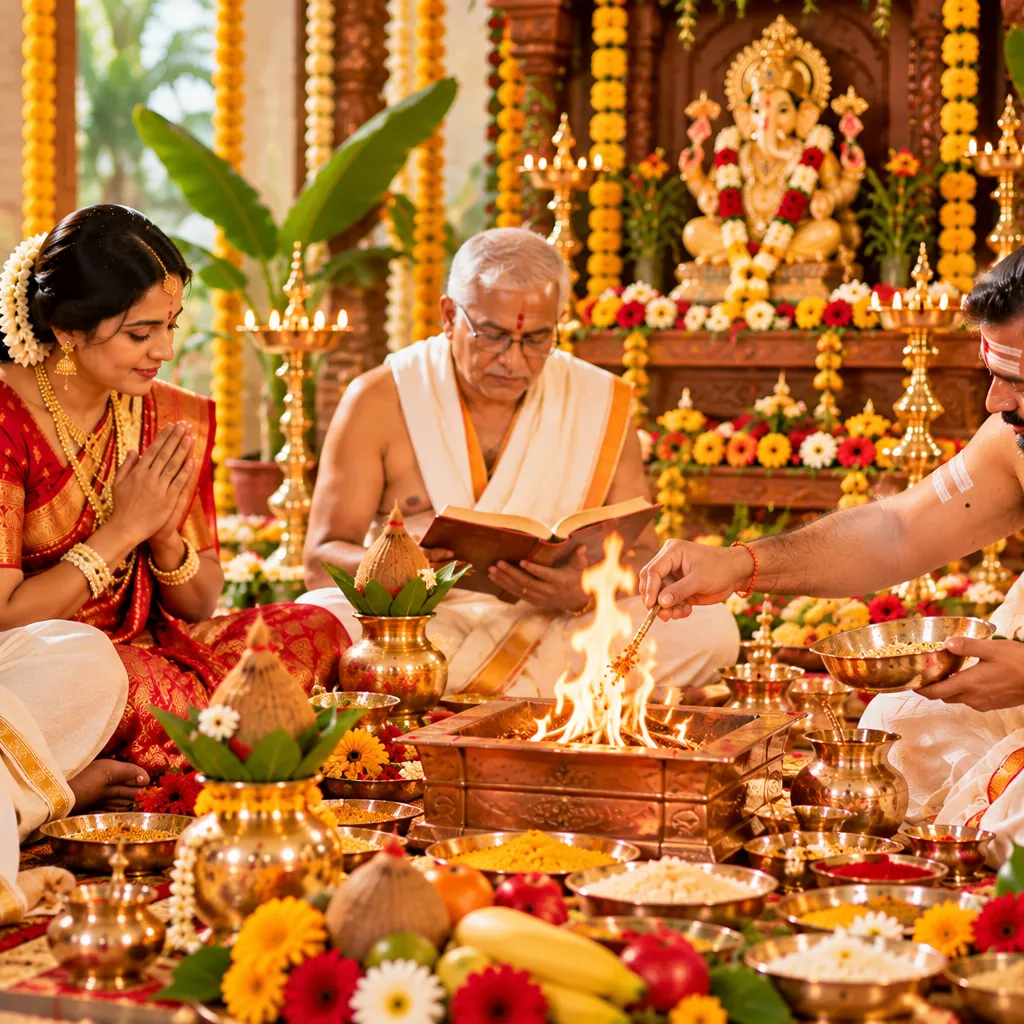
Mool Shanti Puja
Shanti ritual for children born in Gandmool Nakshatras (Ashwini, Ashlesha, Magha, Jyeshtha, Moola, Revati).
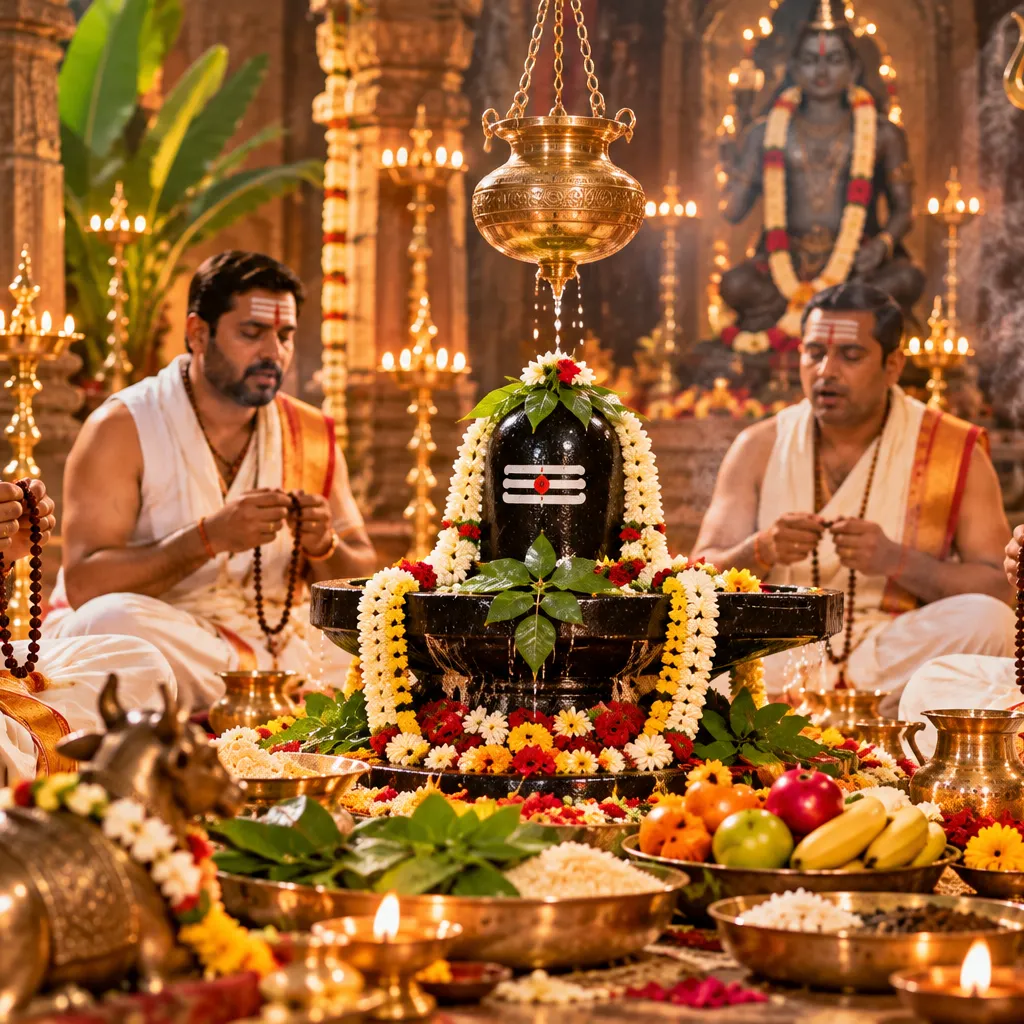
Maha Mrityunjaya Jaap
Sawa Lakh Maha Mrityunjaya Jaap for overcoming life-threatening ailments, protection, and long life.
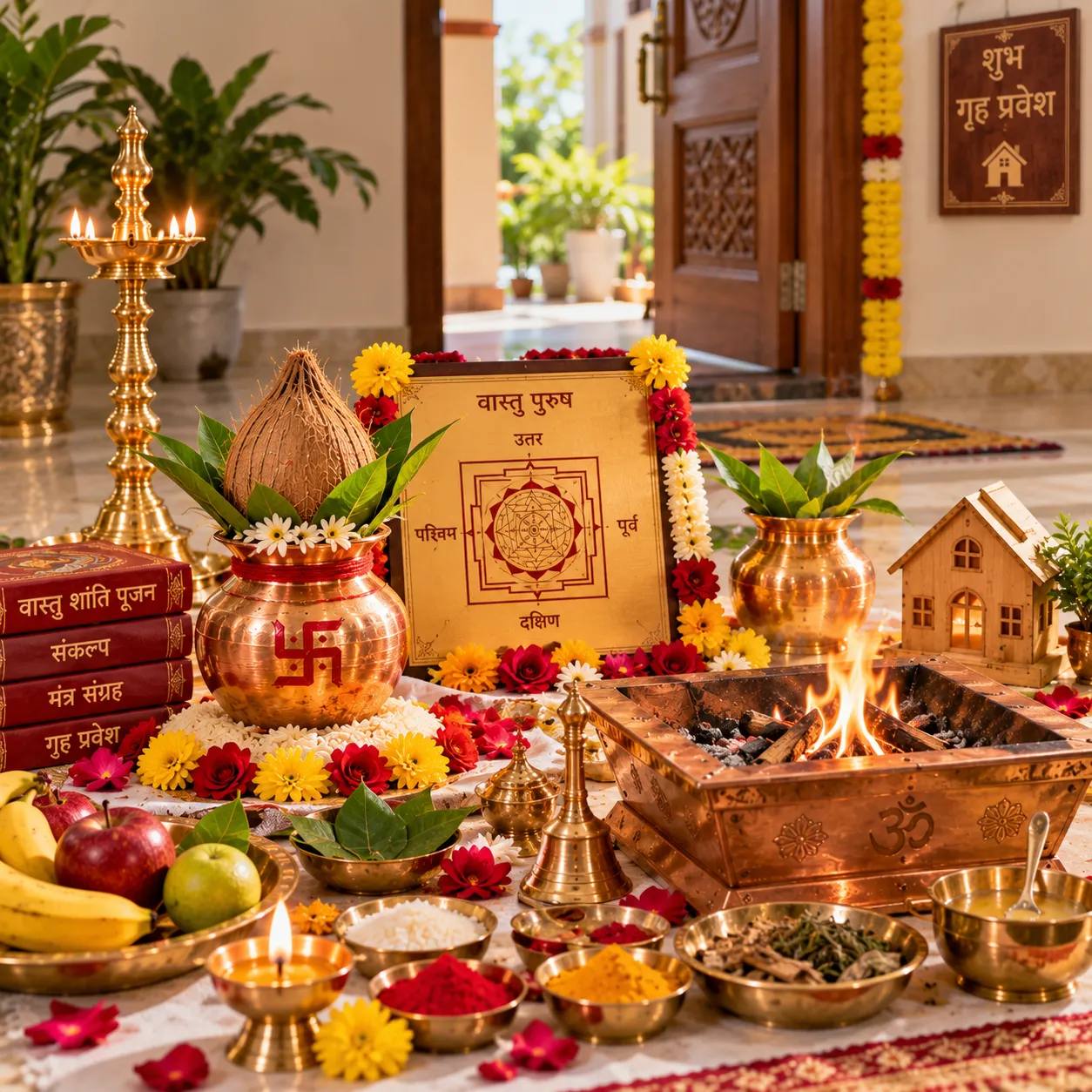
Vastu Shanti Puja
Vastu Shanti Puja is a traditional Hindu ritual performed to seek blessings for harmony, peace, prosperity, and positive energy within a home, office, shop, or other property. It is commonly performed after construction, renovation, or before moving into a new property. The ceremony includes Sankalp, Ganesh Puja, Kalash Sthapana, Vastu Purush Puja, Navagraha Puja, Dikpal Puja, Havan, Purnahuti, and Aarti. The Pandit Ji performs the rituals according to the prescribed traditional vidhi and guides the family throughout the ceremony. Samagri: Kalash, coconut, mango leaves, Vastu Purush items, roli, kumkum, akshat (rice), flowers, fruits, sweets, betel leaves, supari, different grains, herbs, ghee, havan samagri, incense, camphor, diya, and other essential puja items. Note: The exact puja vidhi and samagri may vary depending on the property, purpose of the ceremony, family tradition, and guidance of the Pandit Ji.
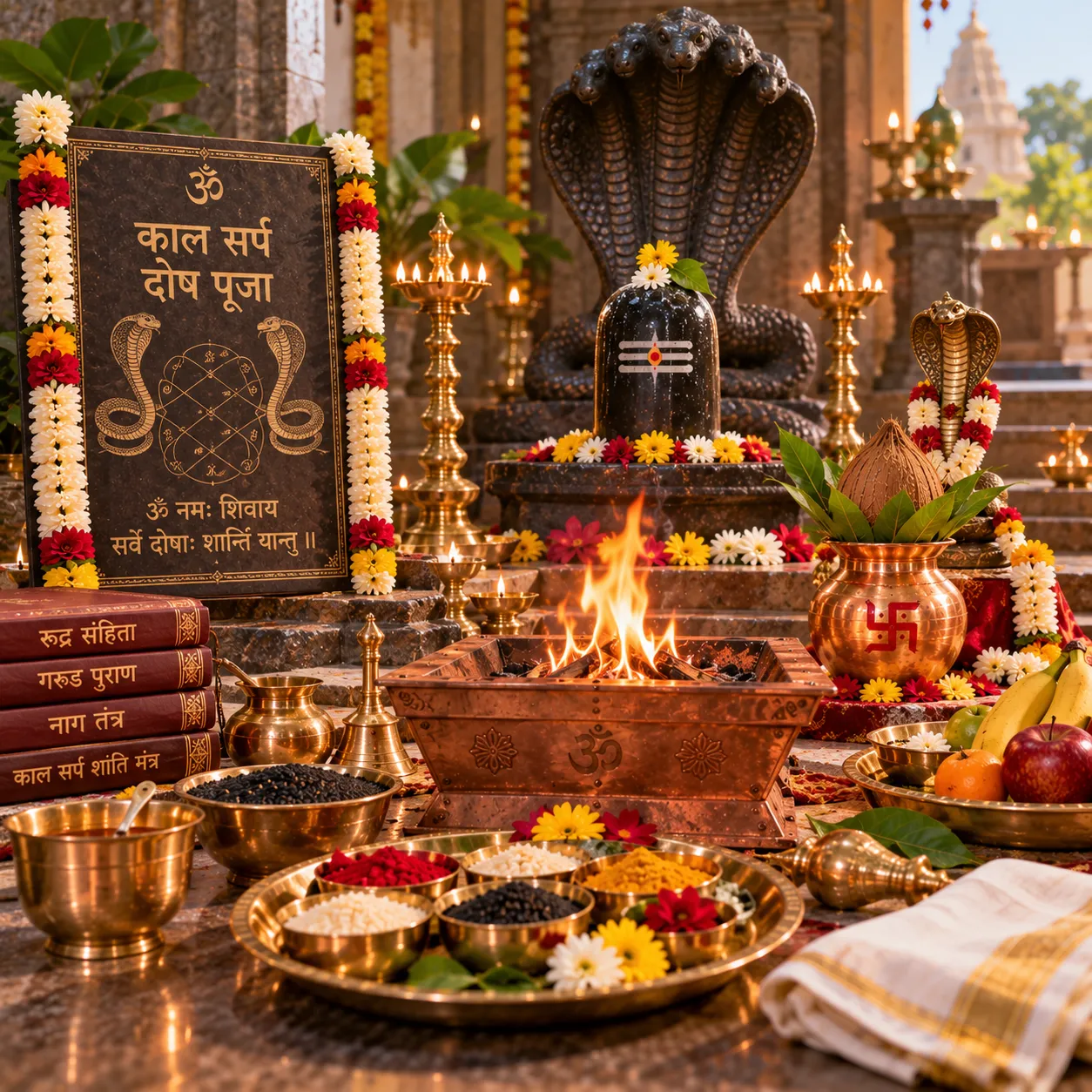
Kaal Sarp Shanti
Kaal Sarp Dosh Puja is a traditional Vedic ritual performed according to astrological guidance when a Kaal Sarp Yoga is identified in a birth chart. The ceremony is performed with prayers to Lord Shiva, Nag Devatas, and the Navagrahas, with the intention of seeking peace, spiritual well-being, and relief from difficulties traditionally associated with the planetary configuration. The ceremony includes Sankalp, Ganesh Puja, Kalash Sthapana, Nag Devata Puja, Shiva Puja, Navagraha Puja, Kaal Sarp Mantra Jaap, Abhishek, Havan, Purnahuti, and Aarti. The Pandit Ji guides the devotee through the complete ritual according to the prescribed vidhi. Samagri: Shiva Lingam, Nag Devata items, Kalash, coconut, milk, Gangajal, Bilva Patra, flowers, roli, kumkum, akshat (rice), black sesame seeds, barley, fruits, sweets, betel leaves, supari, ghee, havan samagri, incense, camphor, diya, and other essential puja items. Note: The exact puja vidhi, mantra count, samagri, and duration may vary according to the individual's birth chart, astrological guidance, family tradition, and local customs.
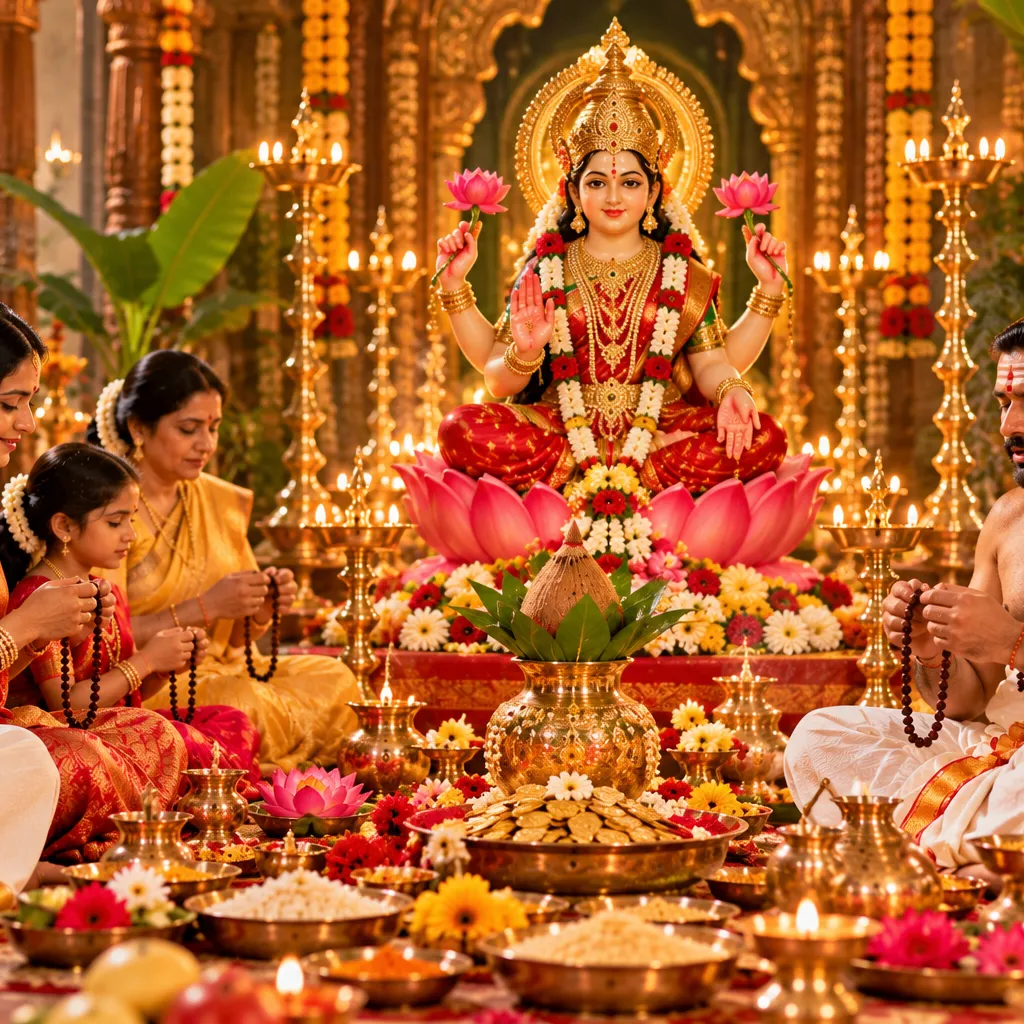
Lakshmi Jaap
Extensive 7-day Mahalakshmi Mantra Anushthan by 7 Vedic pandits to attract wealth, abundance, and prosperity.
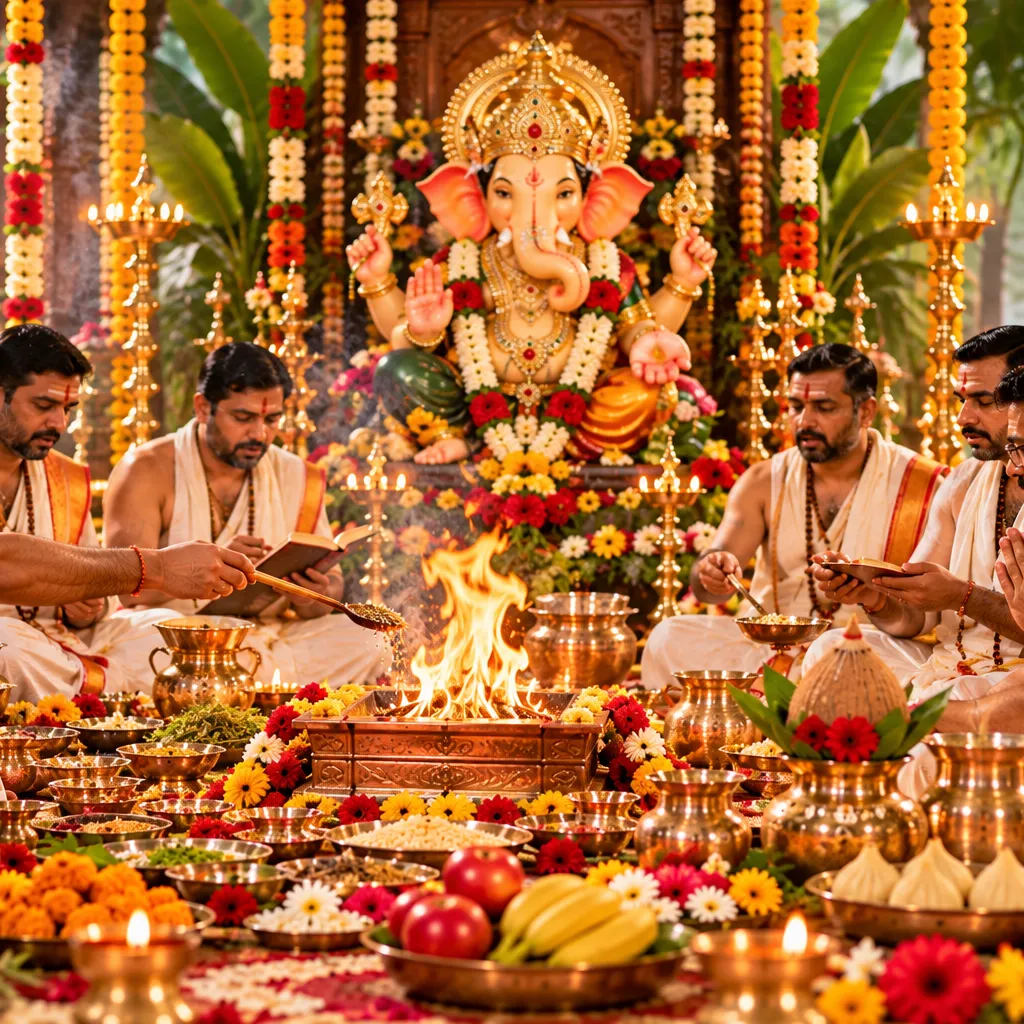
Ganpati Yagya / Shashtharchan
Shashtharchan and Vedic Yagya dedicated to Lord Ganesha for swift resolution of obstacles.
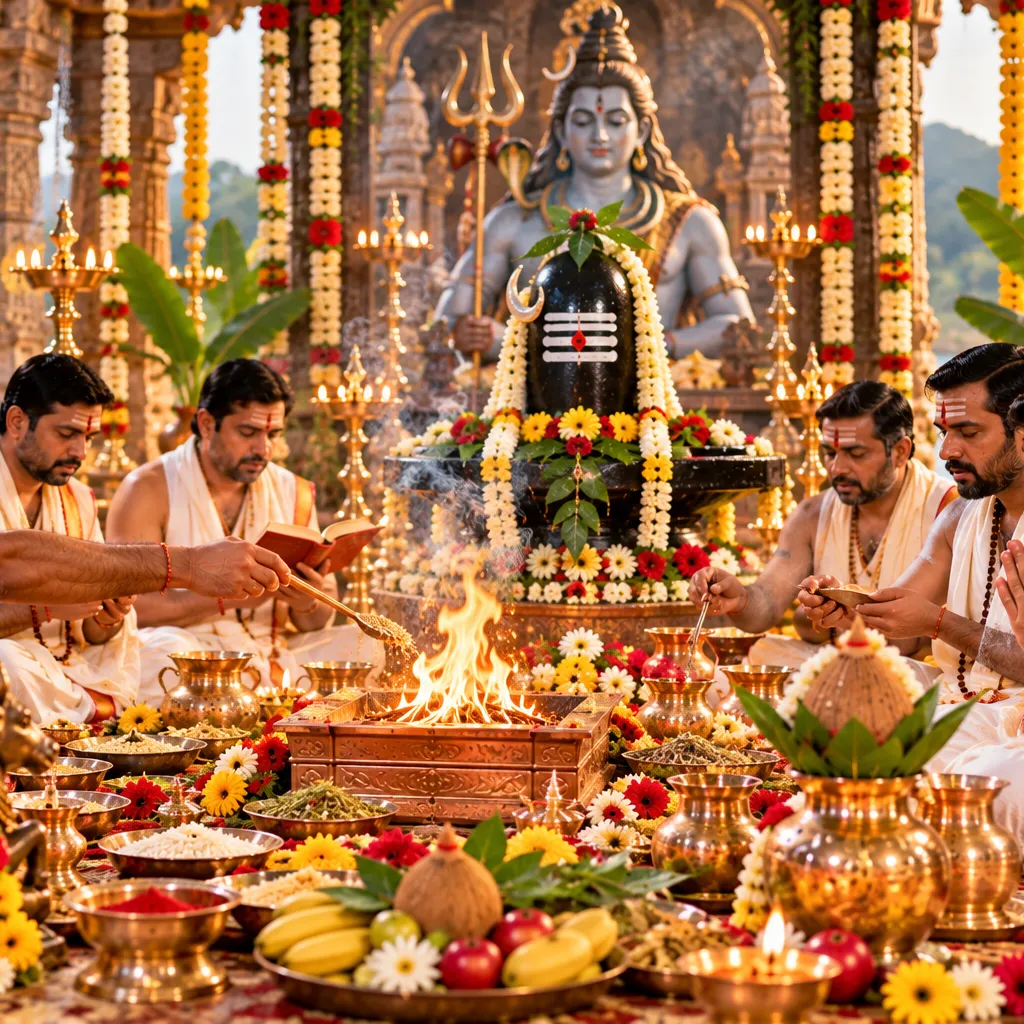
Shiv Yagya / Shashtharchan
Special Shiva Yagya and Shashtharchan to please Lord Mahadev for peace, inner strength, and prosperity.
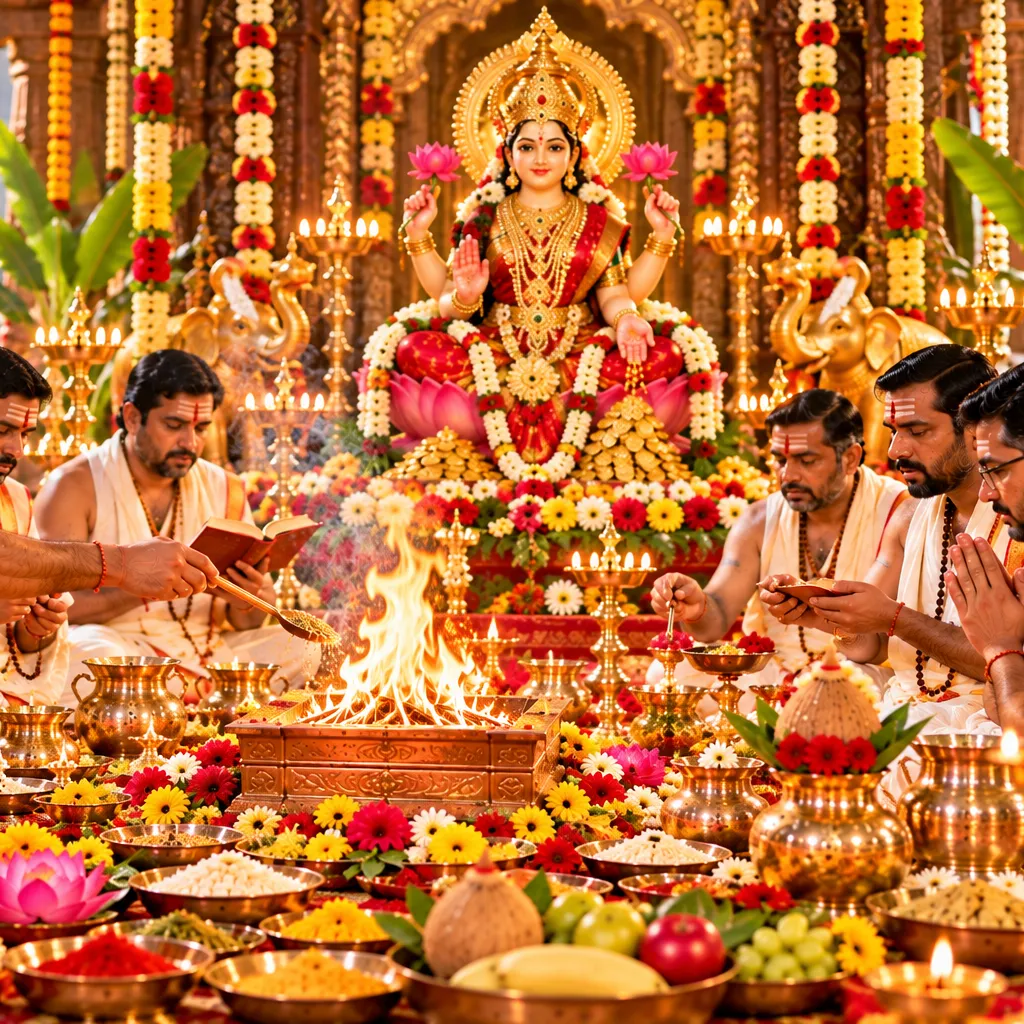
Lakshmi Yagya / Shashtharchan
Lakshmi Shashtharchan and Yagya to eliminate financial worries and attract continuous prosperity.
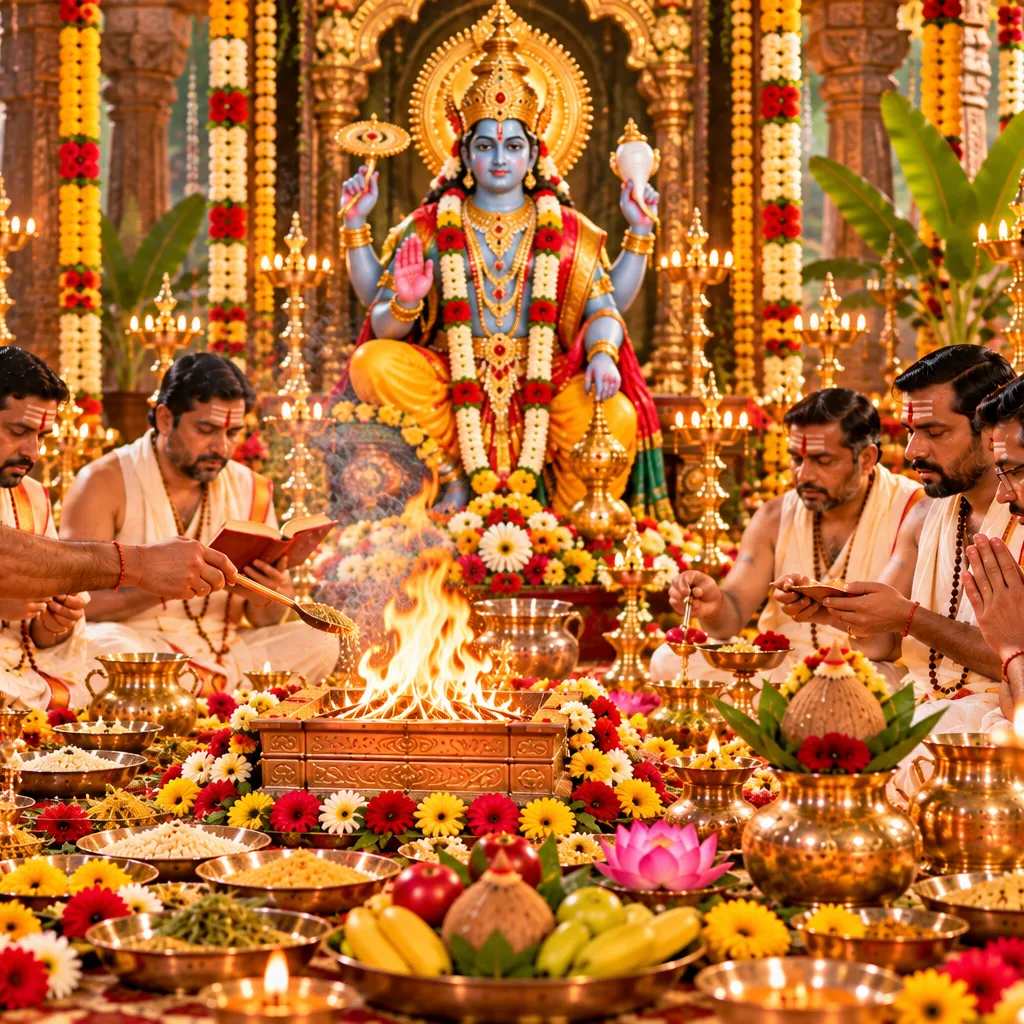
Vishnu Yagya / Shashtharchan
Lord Vishnu Yagya and Shashtharchan for family harmony, dharma, and supreme peace.
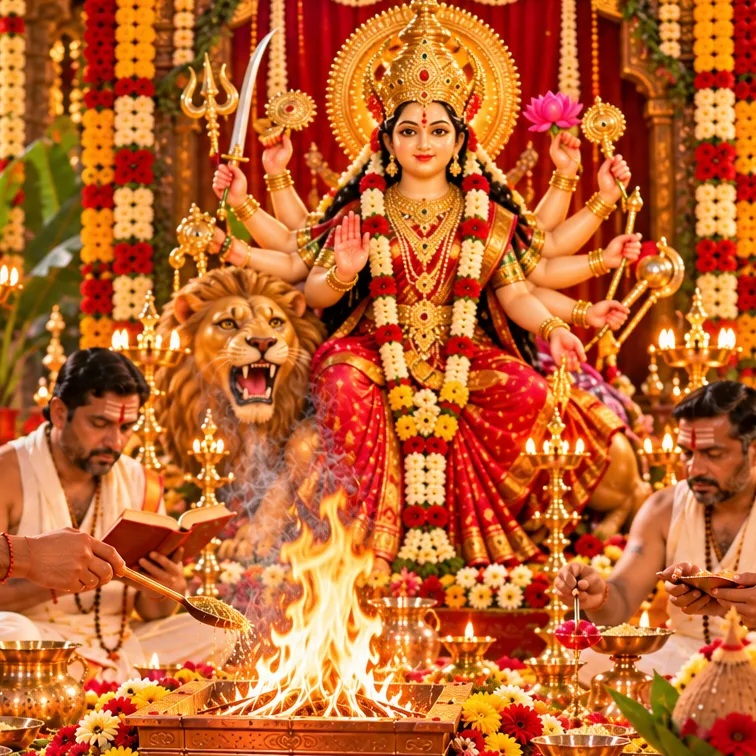
Durga Yagya / Shashtharchan
Durga Shashtharchan and Yagya for spiritual defense, success over adversaries, and positive energy.
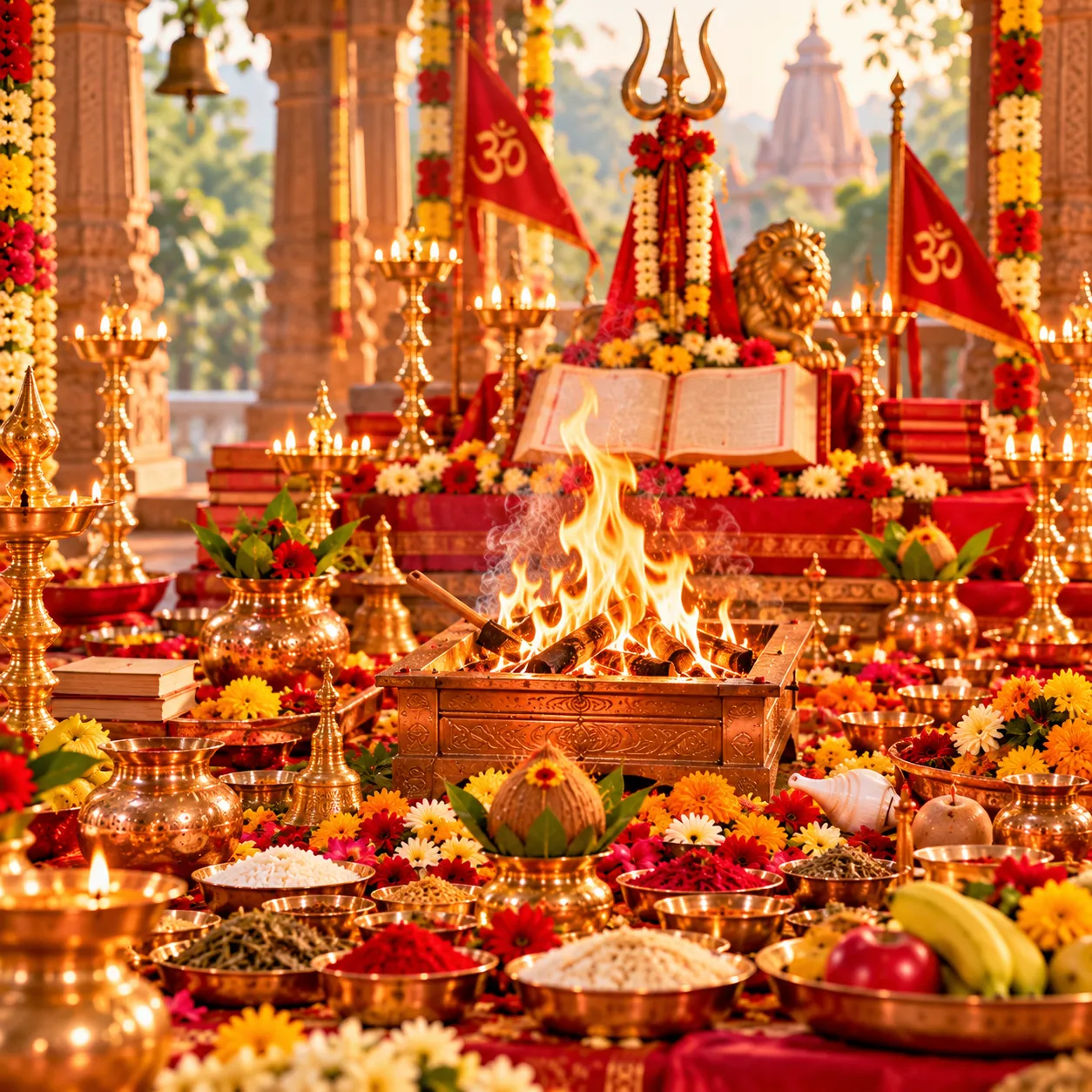
Navchandi Path
9 recitations of Shri Durga Saptashati spread over 9 days, culminating in a powerful Chandi Havan.
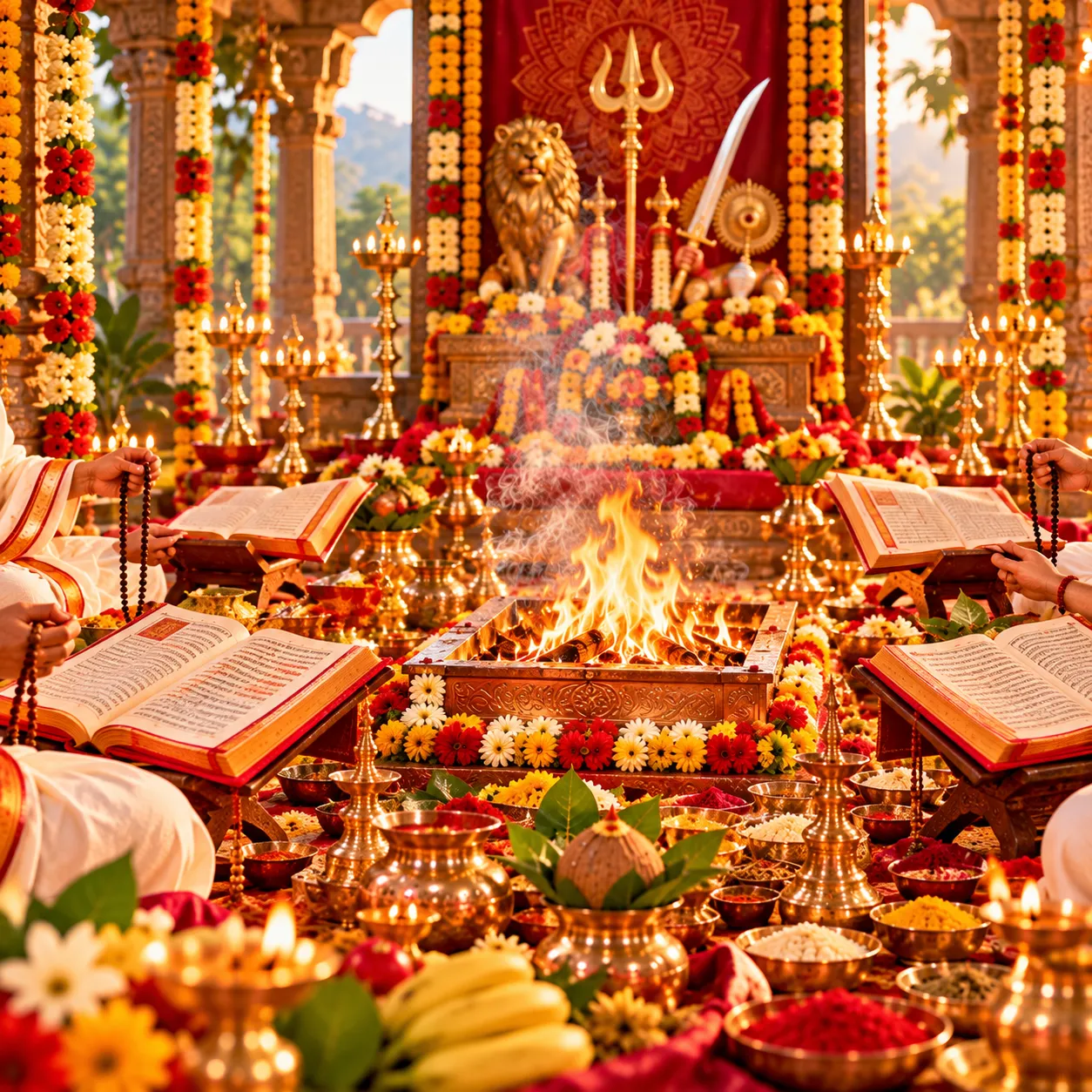
Shatchandi Path
100 recitations of Durga Saptashati by 7 high Vedic priests over 5 days with grand Shatchandi Mahayagya.
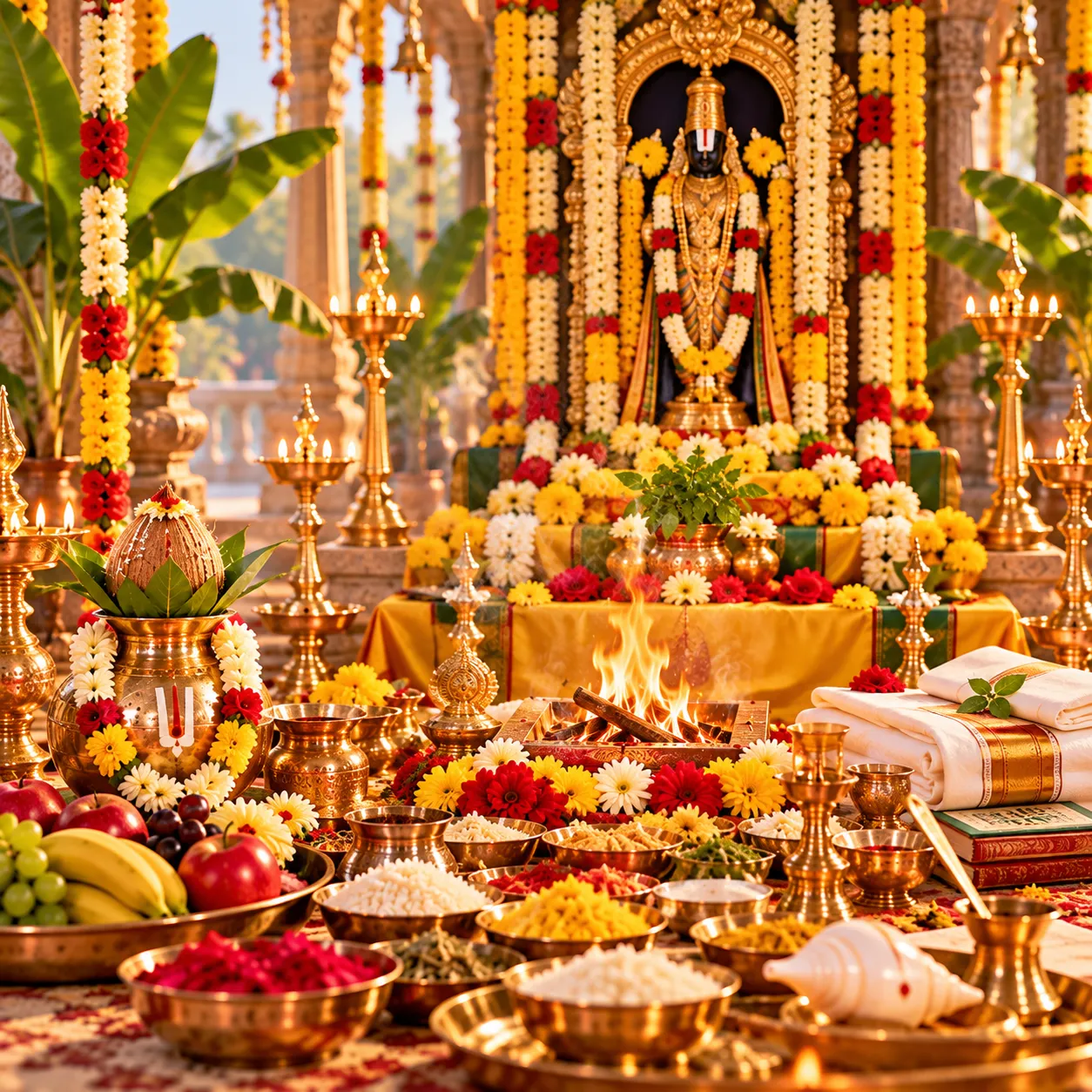
Ekadashi Udyapan
Formal conclusion and Udyapan of Ekadashi Vrats with Vishnu Puja, Havan, and Brahmin Bhojan.
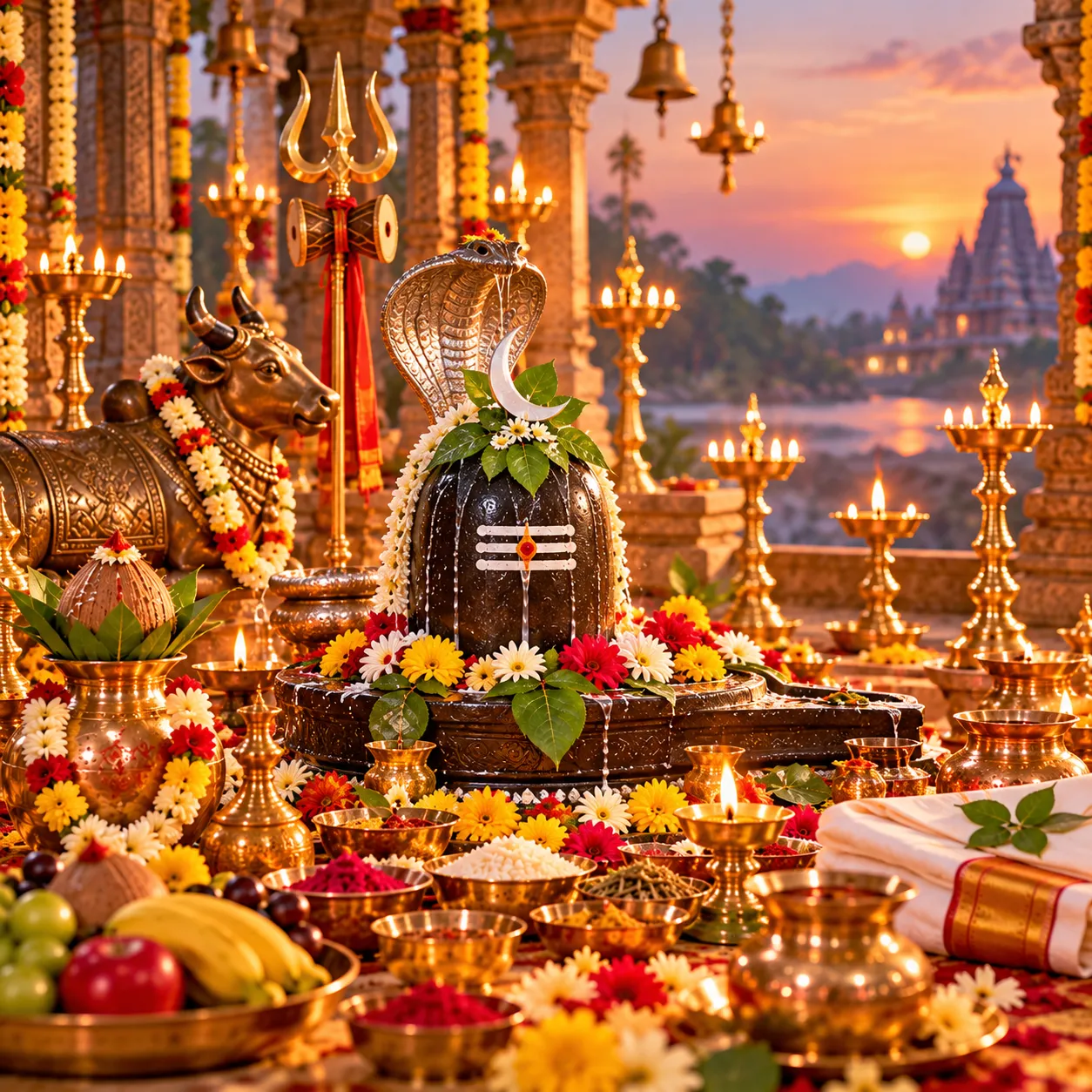
Pradosh Udyapan
Udyapan ceremony of Pradosh Vrat dedicated to Lord Shiva and Maa Parvati for lifelong wellness.
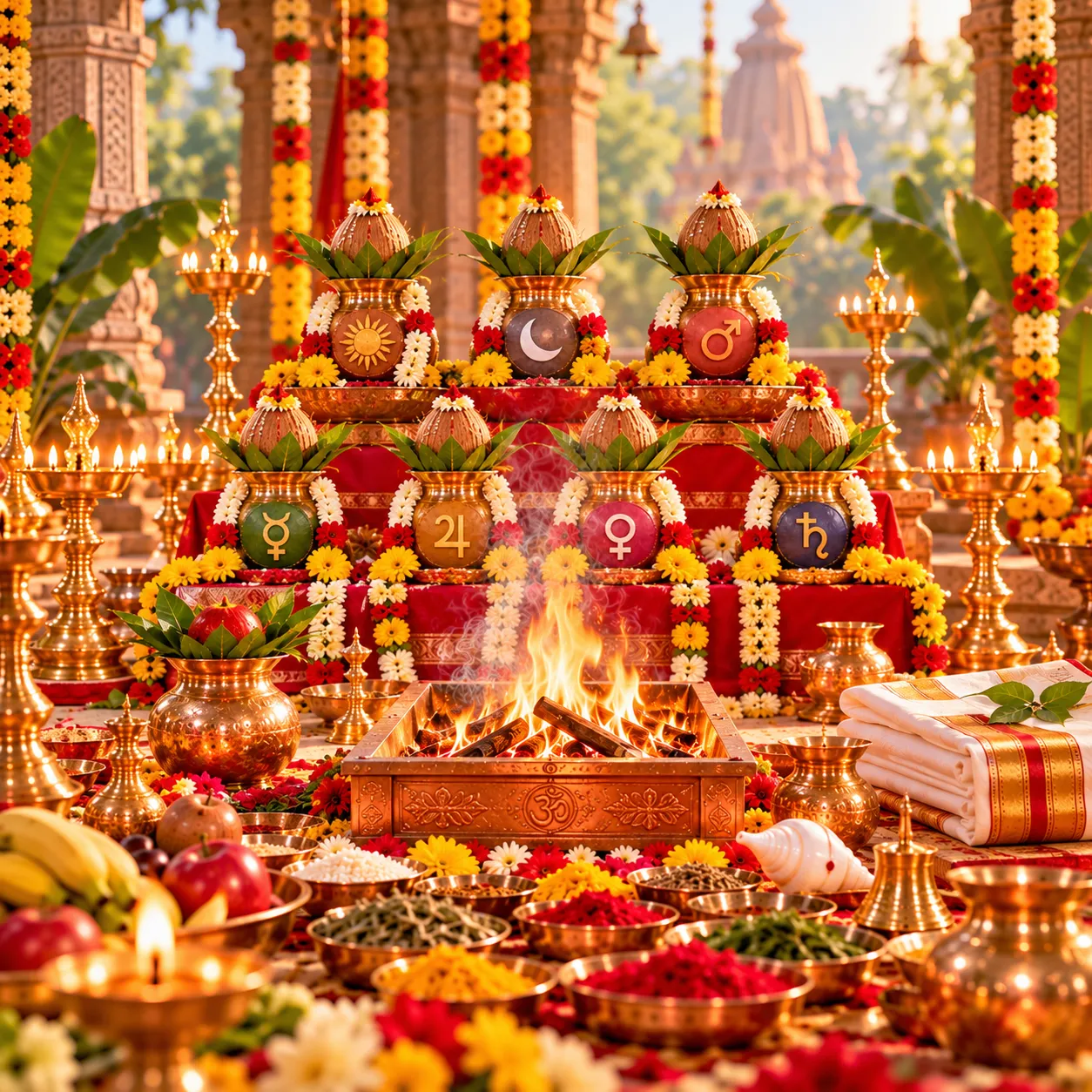
Saptvar Udyapan
Udyapan of specific weekday fasts (Somwar, Mangalwar, Brihaspativar, Shanivar, etc.).
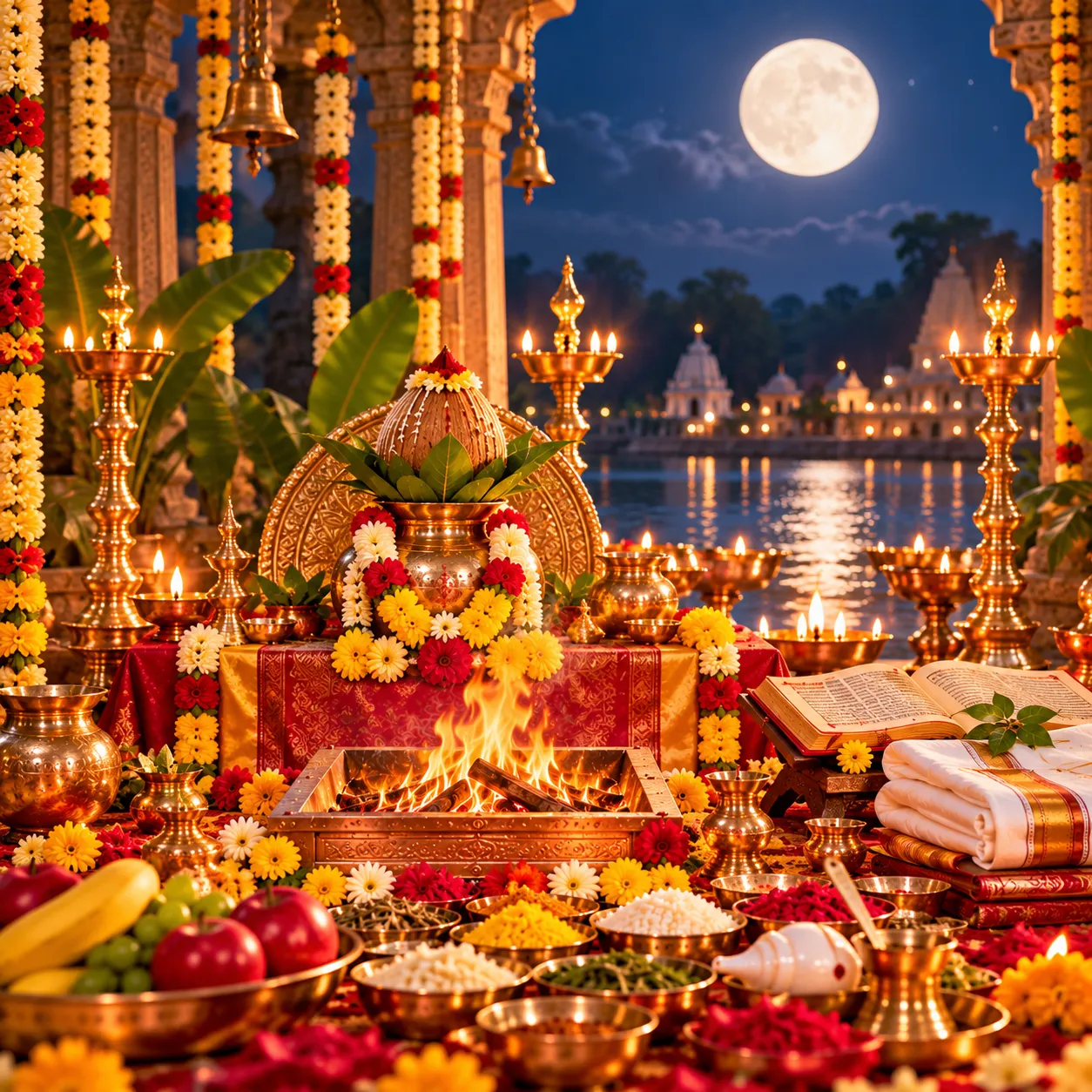
Purnima Udyapan
Completion ritual for Satyanarayan Purnima fasts with sacred katha and havan.
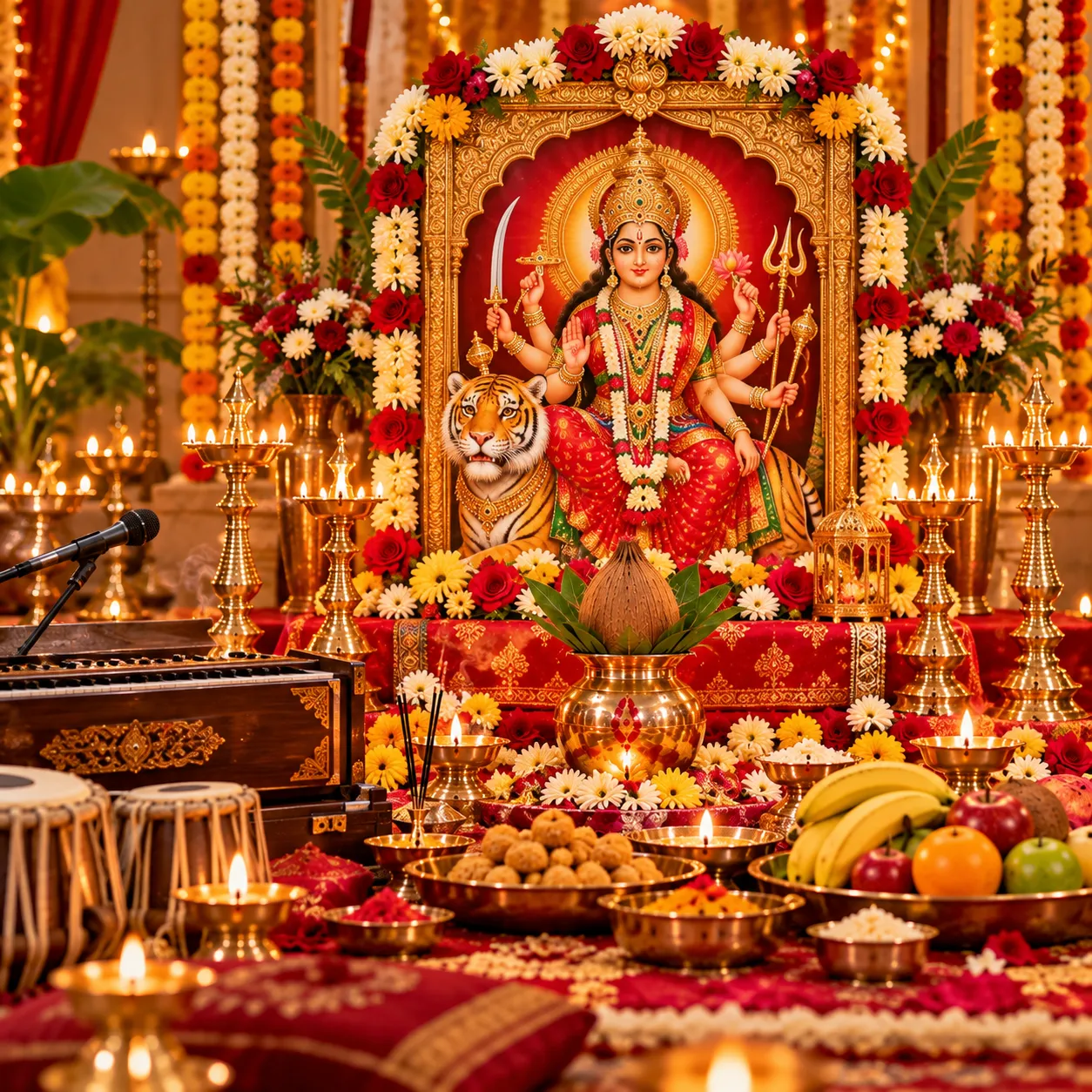
Navratri Puja
Standard Navratri Puja package with Ghatasthapana and daily puja essentials.
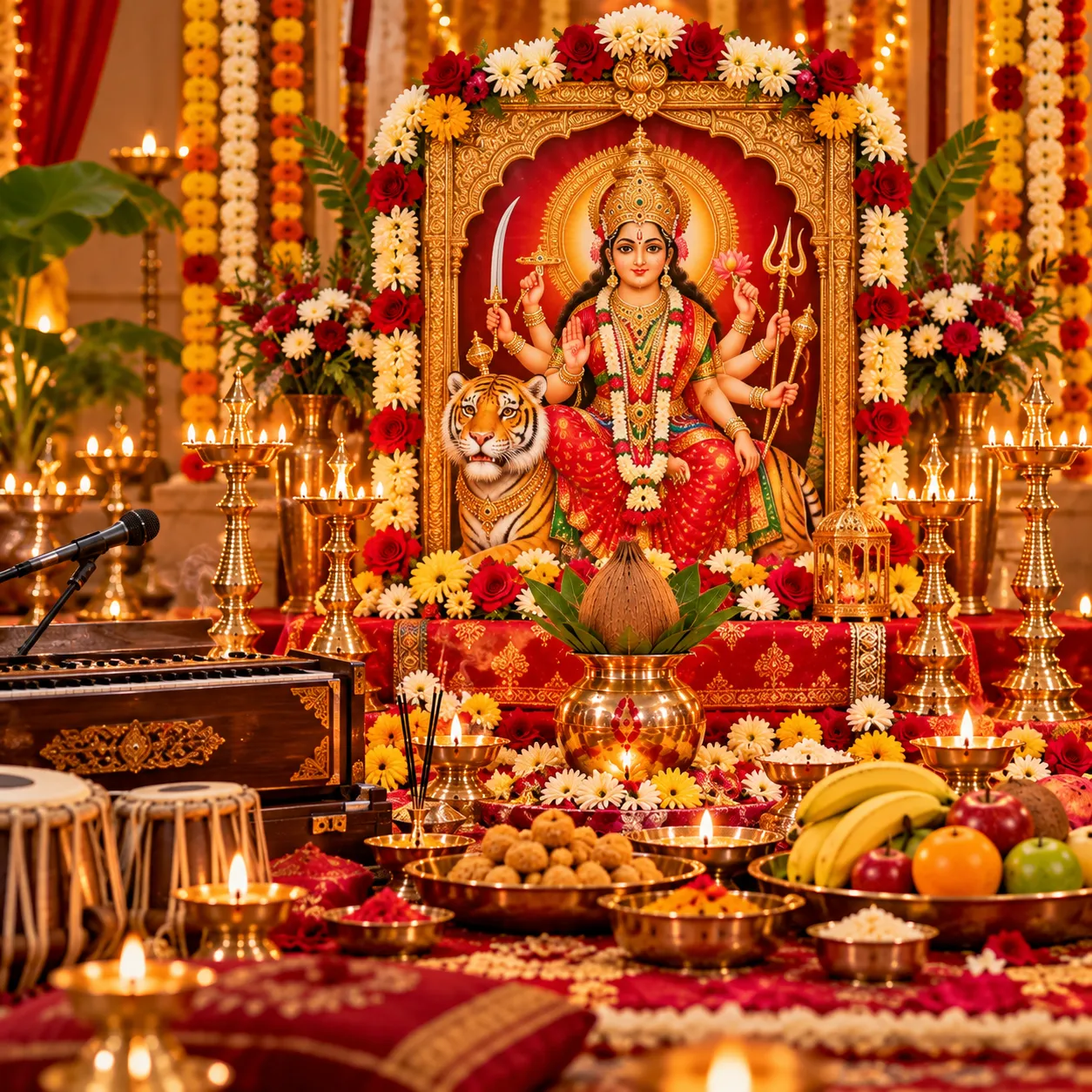
Navratri Puja
Extended 9-day Navratri package including complete Saptashati Path, Kanya Pujan, and Havan.
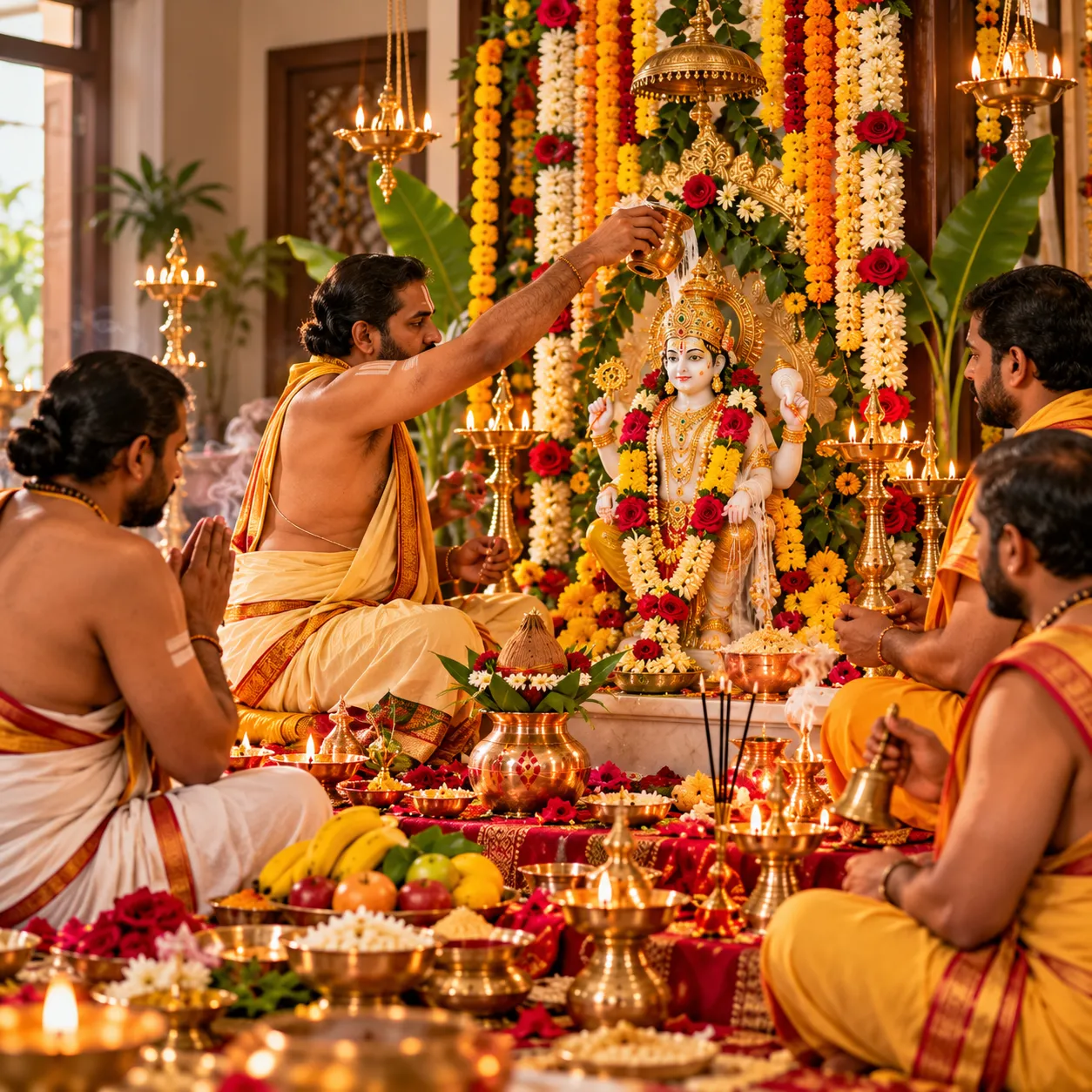
Murti Pran Pratishtha at Home
Standard 1-day Pran Pratishtha ceremony for small temple idols.
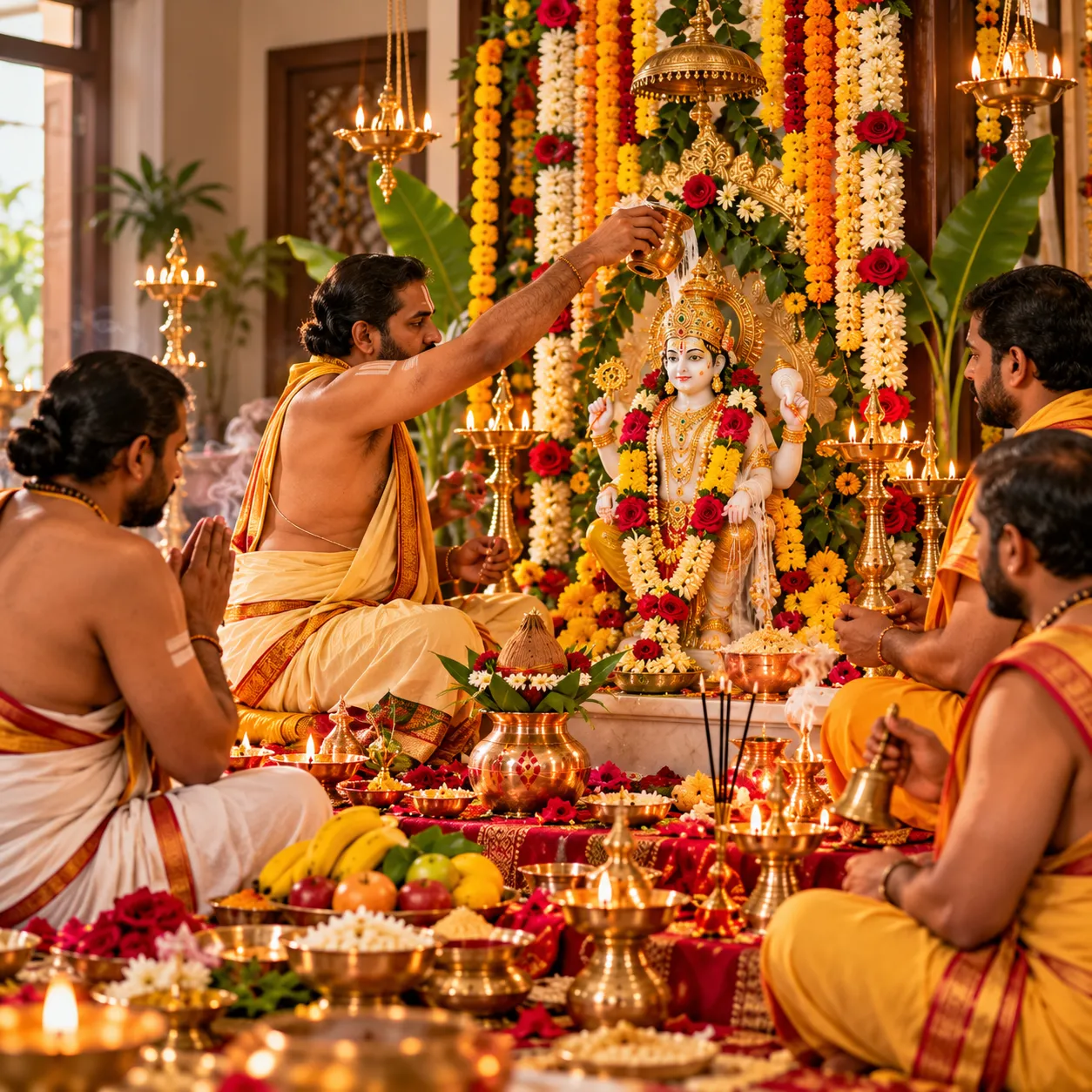
Murti Pran Pratishtha at Home
Extended Vedic Pran Pratishtha with Nyasa, Shodashopachara, Jaladhivasa, and Havan.
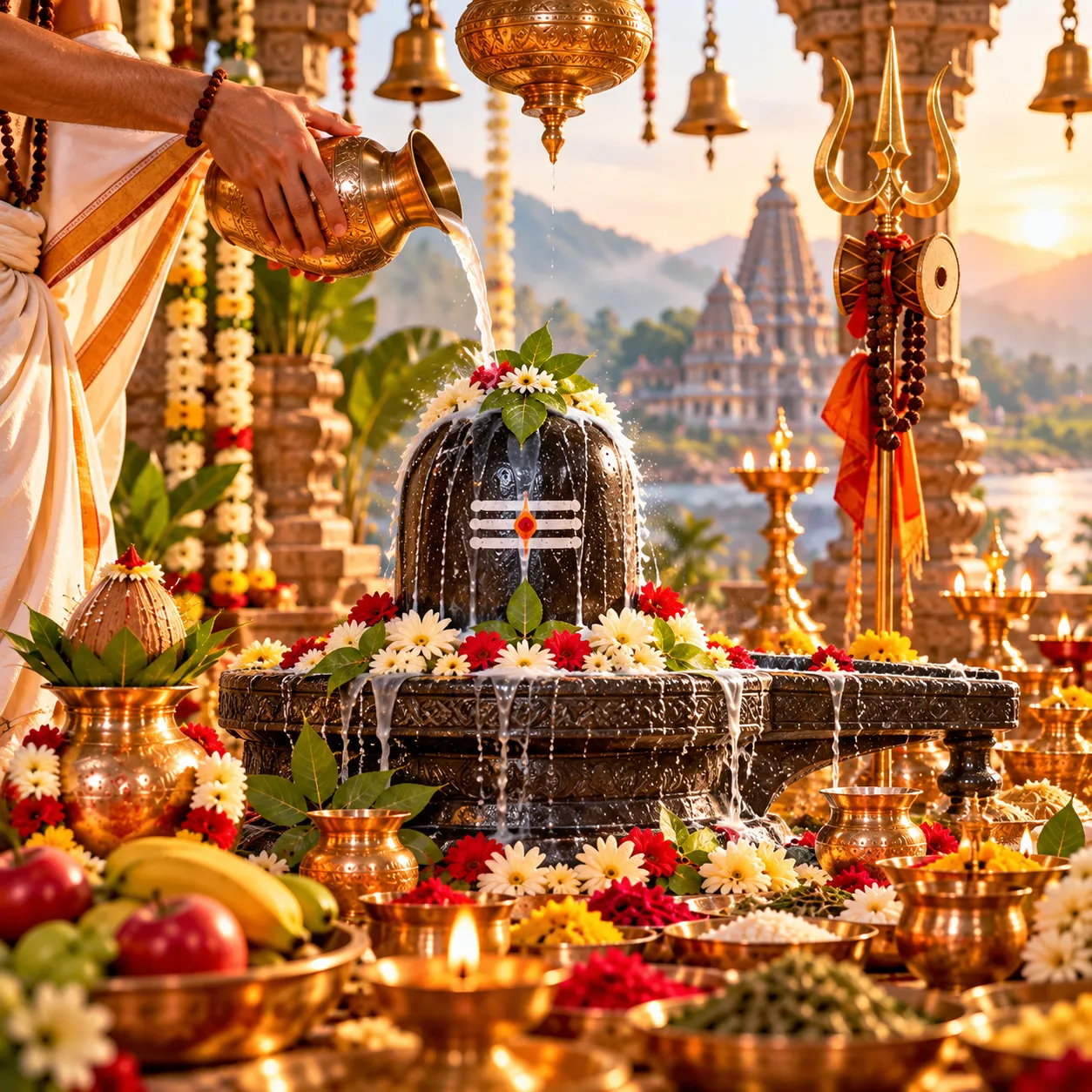
Rudrabhishek - 3 Pandits
Rudrabhishek package performed by 3 Vedic priests with sacred bilva patra, milk, and honey abhishek.
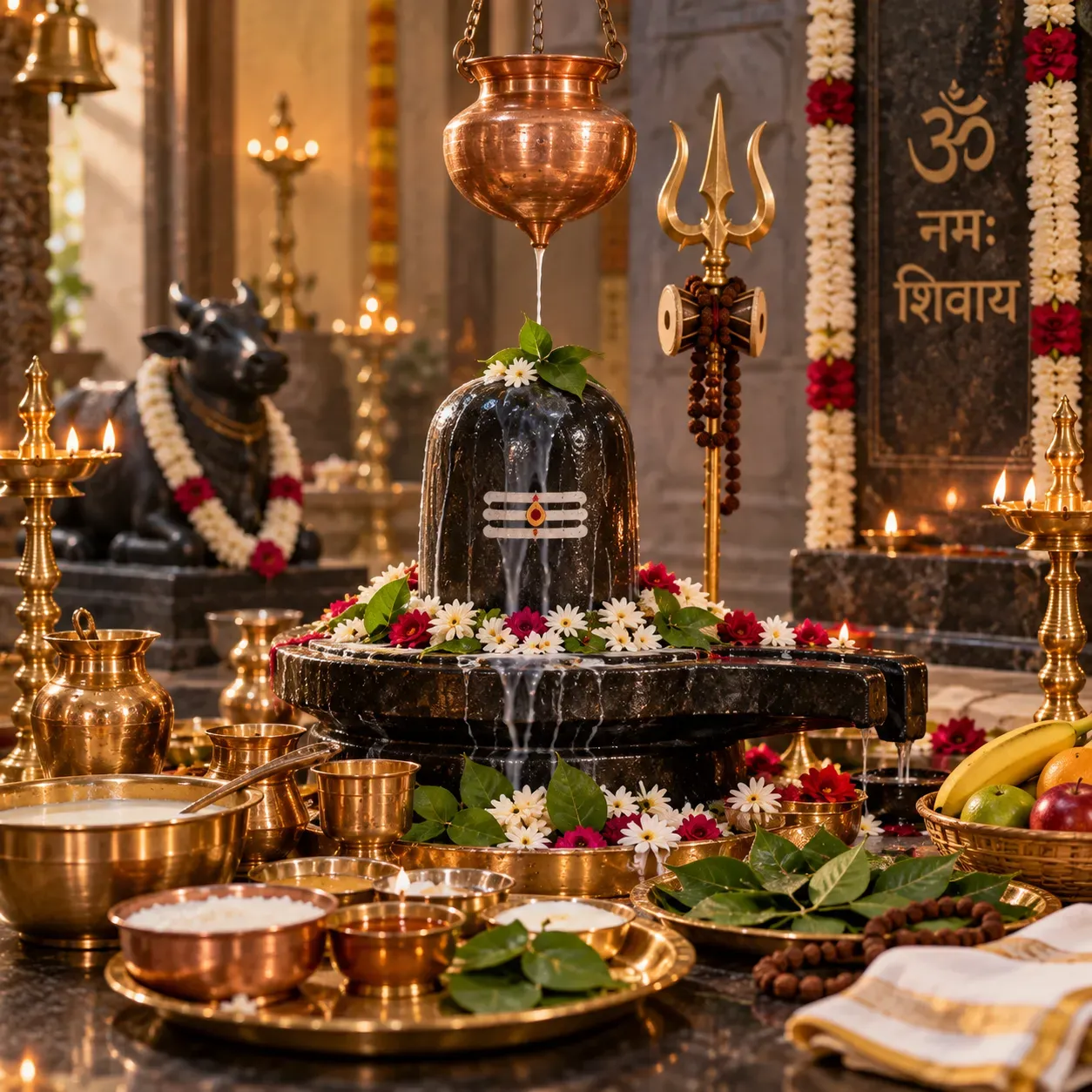
Rudrabhishek - 5 Pandits
Panch-Brahmin Rudrabhishek package chanting Shukla Yajurvediya mantras for peace and wish fulfillment.
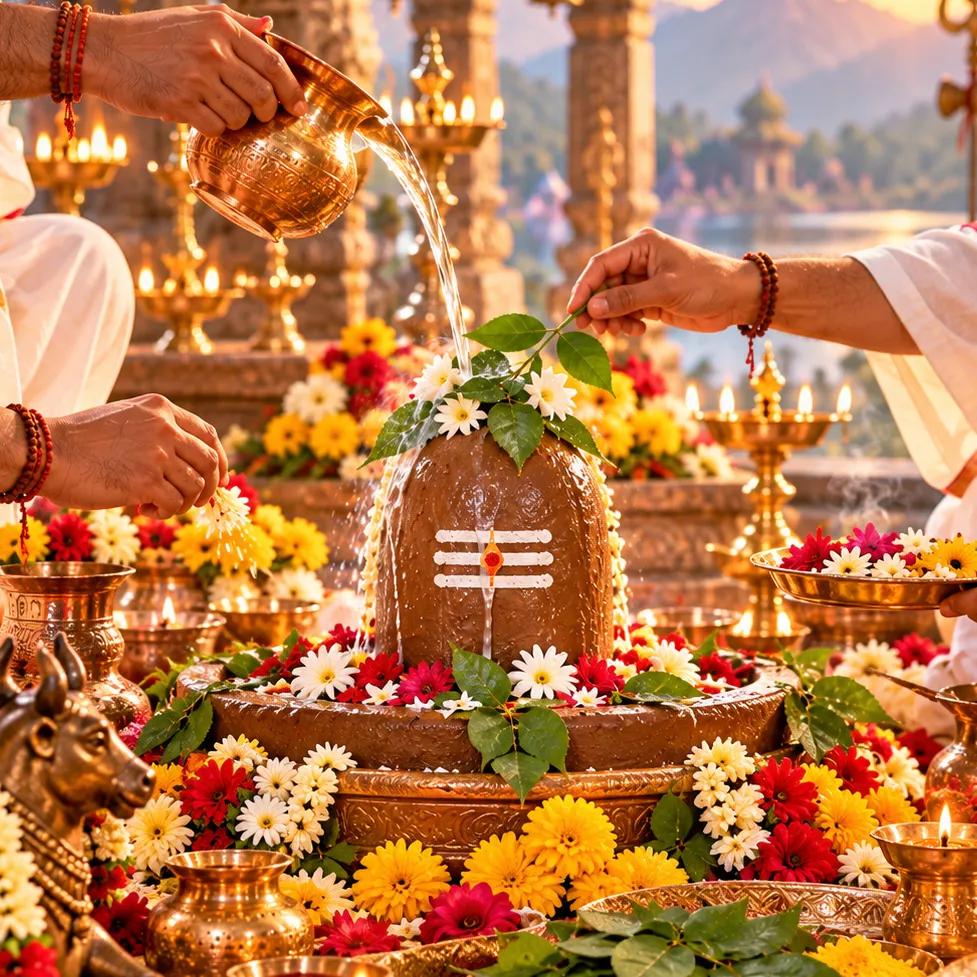
Rudrabhishek + Namak Chamakam Path - 11 Pandits
Grand Ekadasha Rudrabhishek with full Namakam and Chamakam recitation by 11 scholarly priests.